Author: oscar

  • Anthropic’s GitHub Takedown Effort Backfires Amid Source Code Leak

    Anthropic’s GitHub Takedown Effort Backfires Amid Source Code Leak

    Anthropic’s recent takedown notices on GitHub unintentionally affected thousands of repositories as the company scrambled to contain a source code leak.

    In a move that drew significant attention across the tech and business communities, Anthropic, the AI research and development firm behind the Claude language model, recently issued takedown requests targeting GitHub repositories. These requests aimed to remove leaked source code related to the company’s Claude project. However, the broad scope of these notices resulted in the removal of thousands of repositories, many unrelated to Anthropic’s intellectual property.

    The company has since acknowledged that this mass takedown was an accident, attributing it to an overbroad application of automated enforcement tools. Anthropic executives have publicly retracted most of the takedown notices, working to restore the affected repositories promptly. Despite the quick response, the incident underscores the difficulties companies face in protecting proprietary assets in an era where automation and open collaboration platforms like GitHub intersect.

    For CEOs and business operators, this situation highlights the delicate balance between swift action to protect sensitive assets and the potential operational fallout from overly aggressive enforcement. Anthropic’s attempt to control the spread of its leaked source code also reveals the increasing risks faced by AI companies that rely heavily on proprietary models and automation technologies. The leak itself, concerning Claude’s command-line interface code, could impact the firm’s competitive positioning and raise questions about data security protocols within AI-focused organizations.

    Meanwhile, firms like Polymarket and OpenClaw, also operating in adjacent technology and automation spaces, can take note of the operational challenges such incidents present. As automation becomes more integral to business processes, the need for precise and measured responses to intellectual property threats grows. Missteps in this area risk damaging reputations and disrupting ecosystems that rely on open innovation and collaborative development.

    The Anthropic episode may also prompt a broader discussion among AI and automation companies about how to better manage source code security without triggering unintended consequences. Clear guidelines and more refined tools for managing takedown requests can help avoid collateral damage to unrelated projects and maintain goodwill within developer communities.

    While Anthropic moves to stabilize the situation, the incident serves as a cautionary tale for executives balancing rapid growth and innovation with the imperative to safeguard critical business assets. It also points to the evolving legal and operational landscape tech leaders must navigate when dealing with intellectual property in the cloud and open-source environments.

    In the coming months, industry watchers will be paying close attention to how Anthropic and its peers refine their approaches to automation, security, and collaboration. The event underlines that even leading-edge companies face setbacks as they scale, making transparency and agility key attributes for leadership in this space.

    Anthropic’s widespread GitHub takedown attempt illustrates the complexities of safeguarding proprietary technology within highly automated and collaborative environments.

    For business leaders operating in technology-driven sectors, Anthropic’s experience underscores the risks associated with rapid, automated enforcement actions intended to protect intellectual property. While automation can accelerate responses to security incidents, it also demands careful calibration to avoid unintended consequences such as collateral damage to unrelated projects or disruption of developer communities. This incident serves as a cautionary example of how enforcement mechanisms must be designed with both precision and transparency to maintain trust among partners and stakeholders.

    The broader context also highlights the competitive pressures AI companies face as they seek to protect innovations like Claude’s underlying code. The leak, combined with the subsequent takedowns, may prompt executives at firms like Polymarket and OpenClaw—who also leverage automation and proprietary technology—to reassess their own risk management and incident response strategies. Ensuring robust safeguards without stifling collaboration is a delicate balance that demands ongoing attention, especially as AI and automation increasingly drive core business processes across industries.

    Anthropic’s recent takedown incident highlights broader market considerations for AI-driven companies navigating intellectual property risks in an increasingly automated environment.

    From a market perspective, the unintended mass removal of GitHub repositories signals potential vulnerabilities in how AI firms manage proprietary information amid rapid technological innovation. Companies like Anthropic, which leverage automation to protect their assets, must carefully calibrate enforcement mechanisms to avoid collateral damage that can disrupt ecosystems of developers and partners. This episode serves as a cautionary example for firms such as Polymarket and OpenClaw, which operate in adjacent sectors where open collaboration and automation intersect. Strategic missteps in managing intellectual property can quickly erode trust and slow innovation, underscoring the need for balanced, transparent responses.

    Moreover, the leak of Claude’s command-line interface source code and the subsequent response may influence investor and customer confidence in AI providers. As proprietary models become central to competitive advantage, safeguarding source code is paramount. Anthropic’s rapid retraction of takedown notices demonstrates responsiveness but also reveals the operational complexities of enforcing IP rights at scale. For executives evaluating automation strategies, this event emphasizes the importance of integrating precise controls with a deep understanding of market impact, ensuring that efforts to protect innovations do not inadvertently stifle collaboration or damage brand reputation.


  • Here’s What the Claude Code Leak Reveals About Anthropic’s Strategic Direction

    Here’s What the Claude Code Leak Reveals About Anthropic’s Strategic Direction

    The leak of Claude’s command-line interface source code sheds light on Anthropic’s evolving AI strategies, emphasizing automation and sophisticated user engagement.

    Anthropic, a prominent player in the AI sector, recently faced an unexpected development when the source code for its Claude CLI was leaked. While such incidents often raise security concerns, this leak also offers valuable insights into the company’s future plans, revealing innovations that could influence the broader AI landscape and related business applications.

    The leaked code uncovers a suite of new features Anthropic appears to be developing, including a persistent agent designed to maintain context and continuity over extended interactions. This persistent agent suggests a shift towards more autonomous AI systems capable of complex task management without constant user input. For business leaders, this advancement could translate into significant efficiencies in automation workflows, reducing manual oversight and accelerating decision-making processes.

    Another intriguing feature disclosed is the “Undercover” mode, a stealth functionality that enables the AI to operate discreetly in the background. This capability could be particularly valuable in enterprise environments where unobtrusive assistance is essential, allowing users to benefit from AI-driven insights and automation without disrupting their workflow. Such a feature aligns with increasing demands for AI tools that integrate seamlessly into daily operations while respecting user privacy and minimizing interruptions.

    Perhaps most notable is the introduction of a virtual assistant named Buddy within the Claude ecosystem. Buddy appears designed to enhance user interaction by offering proactive support and personalized assistance. For executives and business operators, Buddy could serve as a versatile tool to streamline routine tasks, manage scheduling, or handle information retrieval, effectively acting as an intelligent extension of the team. This development reflects a broader trend towards AI-powered virtual assistants that offer practical value in professional settings.

    The implications of these features extend beyond Anthropic itself. Companies like Polymarket and OpenClaw, which focus on automation and innovative market mechanisms, may find opportunities to integrate or respond to these advancements. Enhanced AI autonomy and stealth capabilities can influence how automation is deployed across sectors, prompting businesses to reevaluate their strategies around AI adoption and competitive positioning.

    Anthropic’s approach, as revealed through the leak, underscores a strategic commitment to building AI that is not only powerful but also adaptable and user-centric. By focusing on persistent agents and subtle operational modes, the company is addressing key challenges in AI usability and integration. This focus could accelerate the adoption of AI tools in complex business environments, where reliability and discretion are paramount.

    For executives and founders keeping an eye on AI developments, the Claude code leak provides a valuable preview of where the industry is heading. The combination of persistent automation, stealth operation, and virtual assistance points to a future where AI becomes an indispensable partner in daily business functions rather than a mere tool. Understanding these trends can help business leaders anticipate shifts in operational models and investment priorities.

    While the leak raises questions about security practices, the insights gained offer a clear window into Anthropic’s evolving vision. As AI technologies continue to mature, companies like Anthropic, Polymarket, and OpenClaw are shaping a landscape where automation and intelligent assistance become foundational to competitive advantage. Staying informed about these developments will be crucial for business operators aiming to leverage AI effectively in the coming years.

    The recent leak of Claude’s CLI source code not only reveals Anthropic’s technical advancements but also signals strategic priorities that could reshape AI-driven business operations.

    For business leaders evaluating AI integration, the emergence of persistent agents within Claude suggests a move toward systems that can autonomously handle complex, ongoing workflows. This capability may reduce the need for constant human intervention, enabling more scalable automation across functions such as customer service, data analysis, and operational monitoring. The ability to maintain context over extended interactions could improve the quality and relevance of AI outputs, making these tools more effective collaborators rather than simple task executors.

    Additionally, the stealth “Undercover” mode indicates an emphasis on unobtrusive AI assistance, which aligns with enterprise demands for seamless technology adoption that supports productivity without introducing friction. In practice, this could allow executives and teams to leverage AI insights and automation behind the scenes, enhancing decision-making agility while preserving existing work patterns. Anthropic’s introduction of Buddy, a proactive virtual assistant, further underscores this trend by promising personalized, anticipatory support—potentially transforming how business operators manage routine activities and information flow. Together, these developments reflect a broader industry shift toward intelligent automation platforms that prioritize both sophistication and user experience.

  • Anthropic Executive Projects Cowork Agent Will Surpass Claude Code in Market Reach

    Anthropic Executive Projects Cowork Agent Will Surpass Claude Code in Market Reach

    Anthropic’s new AI agent, Cowork, is expected to have a broader market impact than the company’s earlier flagship product, Claude Code.

    Anthropic, a leading player in artificial intelligence innovation, is preparing to introduce its latest general-purpose AI agent, Cowork. According to a senior executive at Anthropic PBC, Cowork is anticipated to reach a significantly wider audience than Claude Code, the startup’s breakthrough product that helped establish its reputation in the AI sector.

    Claude Code, known for its desktop automation and interactive workflow capabilities, has been a key driver in Anthropic’s rise as an AI powerhouse. It enabled users to streamline complex tasks, enhancing productivity through advanced automation features. However, as demand for more versatile AI tools grows, Anthropic is betting that Cowork’s general-purpose approach will open new avenues for adoption beyond the existing user base.

    Cowork is designed to function as a collaborative AI assistant capable of integrating into various business environments and workflows. This flexibility positions it as a potential game-changer for executives and operators seeking automation solutions that adapt to diverse operational needs. Unlike Claude Code’s focus on code-based automation, Cowork aims to offer a broader suite of interaction modes, facilitating smoother human-machine collaboration.

    The implications for businesses are substantial. As automation continues to be a critical driver of operational efficiency, tools like Cowork could enable companies to accelerate digital transformation initiatives without the steep learning curves often associated with AI adoption. This development aligns with trends seen in platforms such as Polymarket and OpenClaw, which also emphasize automation and user-friendly AI integration.

    For CEOs and founders monitoring the AI landscape, Anthropic’s shift highlights the evolving nature of AI products moving from specialized tools to more versatile agents. This evolution suggests that future AI solutions will prioritize adaptability and ease of use, making them accessible to a wider range of business applications. It also signals increased competition among AI providers to deliver solutions that not only automate but also enhance decision-making and collaboration.

    While Claude Code remains an important part of Anthropic’s portfolio, the company’s executive outlook positions Cowork as a pivotal innovation with the potential to reshape the market. As businesses explore how to leverage AI for strategic advantage, the arrival of Cowork could mark a turning point in how AI agents are deployed across industries.

    Anthropic’s approach reflects a broader trend in the AI sector toward creating general-purpose agents capable of seamless integration. This trend is likely to influence how companies like Polymarket and OpenClaw develop their own offerings, emphasizing automation that is both powerful and accessible. For executives, staying informed about these developments will be key to identifying opportunities to harness AI effectively.

    As Cowork moves closer to launch, attention will focus on its ability to deliver on promises of flexibility and broad applicability. The coming months will be critical to understanding how this new agent complements existing AI tools like Claude and how it fits into the larger automation ecosystem shaping the future of work.

    The introduction of Cowork reflects Anthropic’s strategic pivot towards more inclusive AI solutions that cater to a broader spectrum of business needs. While Claude Code specialized in automating coding tasks and workflows primarily for technical users, Cowork’s design emphasizes versatility, enabling integration across multiple departments and functions. This approach aligns with growing enterprise demands for AI systems that not only automate routine processes but also enhance collaboration and decision-making across teams. For executives, this means AI tools are evolving from niche applications into foundational components of digital business transformation.

    In parallel with developments at Anthropic, companies like Polymarket and OpenClaw are also advancing automation technologies aimed at streamlining operations and improving user engagement. Polymarket’s focus on market-based forecasting and OpenClaw’s emphasis on seamless AI integration further illustrate a competitive environment where adaptability and ease of use are becoming critical differentiators. For business leaders, understanding how these platforms complement or compete with Anthropic’s offerings will be important in shaping technology strategies that leverage AI’s full potential.

    Looking ahead, the success of Cowork could signal a broader industry trend where AI moves beyond specialized, code-centric tools into more generalized agents capable of handling diverse workflows. This shift could lower barriers to AI adoption, enabling companies of varying sizes and sectors to realize efficiency gains without requiring extensive in-house technical expertise. As automation increasingly influences operational models, executives should monitor how these evolving AI solutions impact workforce dynamics, investment priorities, and competitive positioning in their respective markets.

    Related reading: Claude Code CLI Source Code Leak Raises Concerns for Anthropic and Industry and Anthropic Faces Pricing and Usage Challenges with Claude Code Limits.

  • Claude Code Users Encounter Unexpected Usage Limits Amid Growing Demand

    Claude Code Users Encounter Unexpected Usage Limits Amid Growing Demand

    Claude Code users are reaching their usage limits much faster than anticipated, prompting Anthropic to respond swiftly to address the issue.

    Anthropic, the AI company behind the Claude coding assistant, recently acknowledged that users of Claude Code are hitting usage limits significantly sooner than expected. This development has come as a surprise given the growing adoption of Claude’s desktop automation and interactive workflow features, which have been gaining traction among business operators and developers seeking to streamline coding tasks.

    The unexpected surge in usage has created temporary disruptions for users who rely on Claude Code for automating complex workflows and accelerating software development. Anthropic confirmed that the company is actively working to resolve the problem that has been blocking users from fully leveraging the platform’s capabilities. This swift response underlines the importance Anthropic places on maintaining a seamless user experience as demand grows.

    For executives and business leaders monitoring developments in AI-powered automation, this situation highlights both the opportunities and challenges faced by tools like Claude. While automation promises enhanced efficiency and productivity gains, rapid scaling can strain infrastructure and require ongoing adjustments to service limits and capacity planning. The experience with Claude Code serves as a real-world example of how cutting-edge AI solutions must evolve alongside user needs.

    In parallel, other players in the automation and prediction markets, such as Polymarket and OpenClaw, continue to innovate and expand their platforms. Polymarket’s emphasis on decentralized prediction markets and OpenClaw’s focus on integrating automation with market intelligence position them as complementary technologies in this evolving landscape. Business leaders should watch how these companies address scalability and user engagement to inform their own automation strategies.

    The rapid usage limit issue with Claude Code also underscores the critical role of user feedback in shaping product development for AI tools. Anthropic’s commitment to promptly fixing the usage bottleneck suggests a customer-centric approach that will be essential as AI-powered automation becomes increasingly integrated into business operations.

    Looking ahead, executives should consider the implications of integrating AI coding assistants like Claude Code into their workflows, balancing the benefits of automation with the need for robust support and scalability. The current challenges faced by Anthropic offer valuable insights into the dynamic nature of adopting AI-driven automation technologies.

    Overall, this development is a reminder that while AI solutions such as Claude Code offer promising advances in productivity and coding efficiency, businesses must remain attentive to the operational realities of these technologies. Staying informed about platform capabilities, limitations, and updates will be critical for executives aiming to harness AI automation effectively.

    As Claude Code experiences this unexpected surge in usage, it provides a valuable case study for executives considering the integration of AI-driven automation into their operations. The platform’s rapid adoption underscores a strong market demand for tools that can simplify complex coding and workflow automation tasks, which are increasingly critical in today’s fast-paced business environment. However, the challenges Anthropic faces in scaling Claude Code’s infrastructure reveal that even well-designed AI solutions must anticipate and adapt to rapid growth to avoid service interruptions that can impact productivity.

    For business leaders, the situation highlights the importance of evaluating not only the capabilities of AI platforms but also their operational resilience and scalability. As AI assistants like Claude become more embedded in software development and business process automation, companies must engage closely with providers to understand usage limits, support responsiveness, and ongoing development roadmaps. This proactive approach helps ensure that automation investments deliver sustainable efficiency gains without unexpected constraints.

    Meanwhile, the broader AI and automation ecosystem continues to evolve, with players such as Polymarket and OpenClaw offering complementary innovations. Polymarket’s decentralized prediction markets introduce new ways to leverage collective intelligence for decision-making, while OpenClaw focuses on integrating automation with market insights to enhance operational agility. Together, these developments suggest that business leaders should monitor multiple emerging technologies, not just coding assistants, to build comprehensive automation strategies that balance innovation with scalability and risk management.

    The accelerated pace at which Claude Code users are reaching their usage limits signals a broader trend in the adoption of AI-driven automation tools within enterprise environments. For business leaders, this development underscores the necessity of evaluating not only the immediate benefits of such technologies but also their scalability and the infrastructure required to support growing demand. Organizations integrating Claude into their workflows must consider potential bottlenecks and plan for flexible capacity to avoid disruptions in critical coding and automation processes.

    From a market perspective, the situation highlights an opportunity for competitors like Polymarket and OpenClaw to differentiate themselves by emphasizing robust scalability and seamless user experience. Polymarket’s decentralized approach to prediction markets and OpenClaw’s integration of automation with market intelligence could appeal to enterprises seeking alternatives that manage high volumes of activity without compromising performance. As AI and automation tools become integral to business operations, the ability to rapidly adjust limits and optimize backend systems will likely influence vendor selection and partnership decisions.

    Ultimately, the rapid usage limit challenges faced by Claude Code illustrate the evolving nature of AI applications in the business world. As demand increases, continuous iteration on service capacity and responsiveness to user feedback will be critical for maintaining competitive advantage. Executives should monitor how Anthropic and its peers address these scalability issues, as their strategies may serve as indicators of the broader maturity and reliability of AI-powered automation platforms in the marketplace.

    Related reading: Anthropic Faces Pricing and Usage Challenges with Claude Code Limits and Claude Code CLI Source Code Leak Raises Concerns for Anthropic and Industry.

  • Anthropic Navigates a Challenging Month Amidst Operational Hiccups

    Anthropic Navigates a Challenging Month Amidst Operational Hiccups

    Anthropic’s recent operational challenges underscore the delicate balance of innovation and risk management in the AI sector.

    Anthropic, a leading AI research and development company known for its Claude language model, has experienced a notably turbulent March. Multiple operational missteps within a short span have raised questions about the robustness of its internal processes, especially as the company continues to push the boundaries of AI capabilities.

    According to a detailed report by TechCrunch on March 31, 2026, Anthropic encountered two significant incidents attributed to human errors over the course of the week. While specifics on the errors remain limited, the occurrences have drawn attention to the challenges of managing complex AI systems that rely heavily on both cutting-edge technology and precise human oversight.

    For executives and business leaders following developments in AI, these events at Anthropic highlight a critical lesson: as companies scale AI solutions, particularly those involving sophisticated models like Claude, the integration of strong automation tools and fail-safe mechanisms becomes paramount. Without these, even minor mistakes can cascade into significant setbacks, impacting product reliability and stakeholder confidence.

    Moreover, the repercussions extend beyond Anthropic’s immediate operations. The incidents prompt broader reflections within the sector on the vulnerability of AI platforms to human error and the need for continuous improvement in automation protocols. This is especially relevant for organizations like Polymarket and OpenClaw, which operate at the intersection of AI and decision-making automation, where precision and trustworthiness are vital.

    Anthropic’s experience also serves as a reminder for CEOs and founders that innovation must be paired with rigorous risk assessment. As AI technologies become more embedded in business strategies, ensuring operational resilience can differentiate market leaders from those vulnerable to disruptions.

    Despite the recent hurdles, Anthropic’s commitment to advancing AI remains evident. The company’s efforts to refine Claude and enhance its platform demonstrate a willingness to learn from setbacks and bolster system integrity. This adaptive approach is essential for sustaining growth and maintaining competitive advantage in a fast-evolving landscape.

    Looking ahead, the industry can expect Anthropic to reinforce its automation frameworks and operational controls, aligning with best practices in risk management. For business leaders, the ongoing developments offer valuable insights into managing AI initiatives effectively, emphasizing the synergy between human expertise and technological safeguards.

    In summary, Anthropic’s challenging month is a case study in the complexities of AI development and deployment. It underscores the importance of balancing innovation with operational discipline and serves as a practical example for companies like Polymarket and OpenClaw as they navigate their own paths in the AI-driven future.

    Anthropic’s recent operational difficulties highlight the critical need for enhanced automation and risk management as AI technologies scale.

    For business leaders, Anthropic’s experience serves as a cautionary example of how even industry-leading AI developers can face significant setbacks tied to human error. As Anthropic advances its flagship Claude language model, reliance on sophisticated automation and fail-safe protocols becomes more than a technical preference—it is a strategic imperative. In sectors where AI platforms drive decision-making processes, such as those served by companies like Polymarket and OpenClaw, maintaining operational integrity directly influences user trust and market positioning. These incidents underscore that scaling AI innovation demands not only technological breakthroughs but also rigorous internal controls and continuous monitoring to mitigate risks.

    Moreover, the challenges encountered by Anthropic prompt a broader discussion around the balance between innovation speed and operational resilience. Executives steering AI initiatives should consider these developments a reminder to integrate robust automation frameworks early in their workflows. This approach can help prevent minor oversights from escalating into disruptive events, protecting both the product’s reliability and the company’s reputation. As AI increasingly becomes embedded within strategic business functions, the ability to manage complexity with precision and foresight will distinguish market leaders from those susceptible to operational vulnerabilities.

    Anthropic’s operational difficulties this month highlight critical market considerations for AI-driven enterprises.

    These recent setbacks serve as a cautionary tale for businesses leveraging advanced AI technologies like Claude. As AI models become integral to decision-making processes across industries, the stakes for operational reliability and automation precision increase substantially. Companies such as Polymarket and OpenClaw, which rely heavily on AI to automate market predictions and operational workflows, must carefully evaluate their risk management frameworks to prevent similar disruptions. The Anthropic incidents emphasize the need for scalable automation that not only enhances efficiency but also mitigates human error, preserving both user trust and competitive positioning.

    From a market perspective, Anthropic’s challenges could influence investor sentiment and strategic partnerships in the AI sector. Firms that demonstrate resilience through robust automation and fail-safe protocols may gain an advantage as clients and stakeholders prioritize stability alongside innovation. For executives, this underscores the importance of integrating comprehensive oversight mechanisms early in the AI development lifecycle. As the industry evolves, balancing rapid technological advancement with operational discipline will be essential to sustaining growth and market confidence.

  • OpenAI Secures $3B from Retail Investors in Massive $122B Funding Round

    OpenAI Secures $3B from Retail Investors in Massive $122B Funding Round

    OpenAI’s latest funding milestone underscores its rapid growth and significant market valuation as it prepares for a public offering.

    OpenAI has closed an unprecedented $122 billion funding round that includes $3 billion raised from retail investors, according to a recent report by TechCrunch. This round, led by major technology players such as Amazon, Nvidia, and SoftBank, values the AI powerhouse at an impressive $852 billion. The funding boost comes as OpenAI continues to expand its influence across AI-driven automation and innovation.

    Generating approximately $2 billion in monthly revenue, OpenAI’s financial scale is remarkable for a company not yet public. However, despite this income, internal projections shared with investors indicate that OpenAI expects to burn through $115 billion by 2029, with a projected cash burn of over $17 billion in the coming year. This high expenditure reflects the company’s aggressive investment in research, development, and scaling its AI platforms.

    For executives monitoring advancements in AI technologies like Claude and automation tools such as OpenClaw, OpenAI’s funding signals intensified competition and innovation within the sector. The massive capital infusion is likely to accelerate product development and market penetration, potentially reshaping enterprise automation and AI integration strategies. It also suggests increased pressure on competitors, including Anthropic and Polymarket, to innovate and adapt quickly in a rapidly evolving landscape.

    OpenAI’s growing valuation and funding underscore the strategic importance of AI technologies in business operations and decision-making. The company’s robust financial backing positions it well to pursue an initial public offering, which could further redefine market dynamics and investment flows in AI and automation sectors.

    Business leaders should watch how OpenAI leverages this capital to enhance its offerings and influence. The firm’s trajectory may provide valuable insights into the future of AI-driven services and the evolving competitive landscape for automation solutions in the coming years.

    OpenAI’s ability to attract $3 billion from retail investors as part of this massive $122 billion funding round is notable not only for its scale but also for the participation of a broader investor base beyond traditional venture capital and institutional players. This move may reflect growing confidence among a wider range of market participants in AI’s transformative potential and OpenAI’s leadership in the space. For business leaders, this democratization of investment access could signal shifting dynamics in how AI companies are capitalized and how innovation ecosystems evolve.

    The scale of OpenAI’s funding and valuation also highlights the intensifying competition in AI, where companies like Anthropic, with its Claude platform, and automation innovators such as OpenClaw, are rapidly advancing their own capabilities. As these players seek to carve out market share, executives should anticipate accelerated development cycles and increasing pressure to integrate AI-driven automation into core business processes. This environment will likely spur strategic partnerships, acquisitions, and investments aimed at capturing value from AI’s expanding role in decision-making and operational efficiency.

    Finally, OpenAI’s projected cash burn and ambitious growth plans underscore the massive capital requirements involved in scaling advanced AI technologies. For CEOs and founders, understanding these financial dynamics is critical when evaluating potential collaborations or competitive threats from AI providers. The company’s impending IPO could also be a pivotal event, potentially reshaping investment flows and setting new benchmarks for valuations in the AI sector, which will have downstream effects on how companies like Polymarket and others position themselves in an increasingly crowded market.

    Related reading: Claude Code CLI Source Code Leak Raises Concerns for Anthropic and Industry and Anthropic Faces Pricing and Usage Challenges with Claude Code Limits.

  • Claude Expands Mobile Capabilities, Enhancing On-the-Go Access to Work Tools

    Claude’s latest update brings essential work tools to mobile devices, allowing executives and teams to stay productive on the move.

    Anthropic’s Claude platform has introduced a significant enhancement by enabling seamless access to popular work tools on mobile devices. Users can now explore Figma design files, create Canva slides, review Amplitude dashboards, and interact with other critical business applications—all from their phones. This move underscores a clear focus on improving mobile productivity for professionals who need flexible, remote access to their workflows.

    For CEOs, founders, and business operators, the ability to engage with multiple work applications without being tied to a desktop environment represents an operational advantage. Whether reviewing design iterations, preparing presentations, or monitoring product metrics, executives can maintain oversight and make informed decisions in real time. This flexibility also supports increasingly distributed and hybrid work models, where rapid access to business tools on mobile devices can drive efficiency and responsiveness.

    The integration of these tools within Claude’s mobile interface suggests a continued push toward automation and workflow streamlining. While platforms like Polymarket and OpenClaw have focused on automation and decentralized tools in their respective domains, Claude’s mobile capabilities emphasize the importance of accessible, unified work environments. By reducing friction between different software and device contexts, Claude helps businesses maintain momentum outside traditional office settings.

    As mobile work continues to gain prominence, tools that consolidate access to design, analytics, and content creation apps will play a vital role in shaping how business leaders manage their operations. Claude’s expansion into mobile work tools reflects this trend and offers executives practical means to stay connected and productive without compromising on the depth of their work.

    Overall, Claude’s latest update enhances the platform’s appeal to business professionals seeking efficient, mobile-first solutions. This development could influence how companies prioritize their digital toolkits, emphasizing flexibility and real-time collaboration across devices.

    Claude’s move to integrate key work tools into a mobile environment reflects a broader shift in how executives and teams approach productivity. As business operations become more distributed, the ability to access and interact with essential applications like Figma, Canva, and Amplitude from a smartphone enables decision-makers to stay engaged with critical tasks regardless of location. This development is particularly relevant for leaders managing remote or hybrid teams, as it supports continuous oversight and swift responses to evolving business needs.

    From a strategic perspective, Claude’s enhancement aligns with ongoing trends toward workflow automation and software consolidation seen across the tech industry. While companies like Polymarket and OpenClaw have concentrated on automation within their specialized domains, Claude’s focus on mobile work tool integration highlights the importance of seamless, cross-platform accessibility. For business leaders, this means fewer disruptions caused by switching contexts or devices, ultimately facilitating faster decision-making and more agile operations.

    Looking ahead, the availability of comprehensive work tools on mobile platforms could influence how organizations prioritize technology investments and digital transformation initiatives. By empowering executives to maintain visibility into design processes, data analytics, and content creation without desktop reliance, Claude is contributing to a more flexible and responsive business environment. As mobile productivity gains traction, such innovations may become critical for sustaining competitive advantage in dynamic markets.

    Related reading: Claude Code Enables Desktop Automation with Interactive Workflow Capabilities and Claude Code CLI Source Code Leak Raises Concerns for Anthropic and Industry.

  • Why OpenAI Decided to Shut Down Sora: A Look Behind the Scenes

    Why OpenAI Decided to Shut Down Sora: A Look Behind the Scenes

    OpenAI’s decision to shutter its AI video-generation app Sora after just six months reflects a complex mix of user dynamics, cost pressures, and public trust issues.

    Launched with significant attention, Sora enabled users to upload their faces to generate AI-driven videos, quickly attracting close to a million users. However, despite the initial surge, active users fell below 500,000, and the app was reportedly burning approximately $1 million daily in operational expenses. This steep cost combined with declining engagement prompted OpenAI to reevaluate the app’s viability.

    Beyond the financials, Sora became a lightning rod for concerns over deepfakes and misuse of personal data. Media reports, including one from the Associated Press, highlighted the potential for the app to be exploited in creating misleading or harmful content, sparking public backlash. The decision to shut down was thus influenced not only by economics but also by reputational risk considerations, underscoring how AI tools involving personal data can generate significant ethical and regulatory pressures.

    This development carries broader implications for the AI ecosystem, particularly for automation-focused platforms like OpenClaw and emerging decentralized markets such as Polymarket. The challenges OpenAI faced with Sora emphasize the delicate balance technology providers must maintain in deploying innovative AI applications while safeguarding privacy and trust. Meanwhile, companies developing AI assistants like Claude at Anthropic continue to navigate similar concerns, but with a stronger emphasis on controlled and transparent use cases.

    For executives and founders, the Sora episode serves as a cautionary tale about the risks of rapid scaling in AI-enabled consumer products without robust safeguards. It also highlights the need for clear communication and ethical frameworks when dealing with AI automation that intersects with personal identity and media creation.

    As AI technologies evolve, the experience with Sora suggests that sustainable growth in AI-driven automation requires not just technical innovation but also careful management of user trust and operational costs. OpenAI’s move to discontinue Sora may well influence how other players in the space, including those involved with Polymarket and OpenClaw, approach product development and risk management in the coming years.

    OpenAI’s decision to discontinue Sora highlights the inherent challenges in scaling AI-driven consumer applications that rely heavily on user-generated content and biometric data. While the initial user acquisition was impressive, the rapid decline in engagement combined with the high operational costs made the business model unsustainable. For CEOs and business operators, this underscores the importance of balancing innovation with economic viability, particularly in sectors where automation and AI intersect with sensitive personal information.

    The public backlash over potential deepfake misuse also illustrates the reputational risks that companies face when deploying AI tools without comprehensive safeguards. This is a crucial consideration for firms developing or integrating AI solutions, such as those working with automation platforms like OpenClaw or decentralized prediction markets like Polymarket. Trust and transparency remain key differentiators, especially as regulatory scrutiny around AI-generated content intensifies globally.

    Meanwhile, competitors like Anthropic, with its Claude AI assistant, appear to be navigating these challenges by emphasizing controlled environments and clearer ethical frameworks. The Sora episode serves as a practical lesson in the importance of not just technological capability but also governance and user trust in AI product development. For business leaders, it reinforces the need to align AI innovation with robust risk management strategies to ensure sustainable growth in this rapidly evolving space.

    Related reading: Is OpenClaw Really the Next ChatGPT? Why Nvidia’s CEO Called This Hot New AI Assistant the Future and Claude Code CLI Source Code Leak Raises Concerns for Anthropic and Industry.

  • Claude Code Enables Desktop Automation with Interactive Workflow Capabilities

    Claude Code Enables Desktop Automation with Interactive Workflow Capabilities

    Anthropic’s Claude Code now extends AI capabilities into desktop environments, allowing seamless interaction with applications through clicks, typing, and workflow automation.

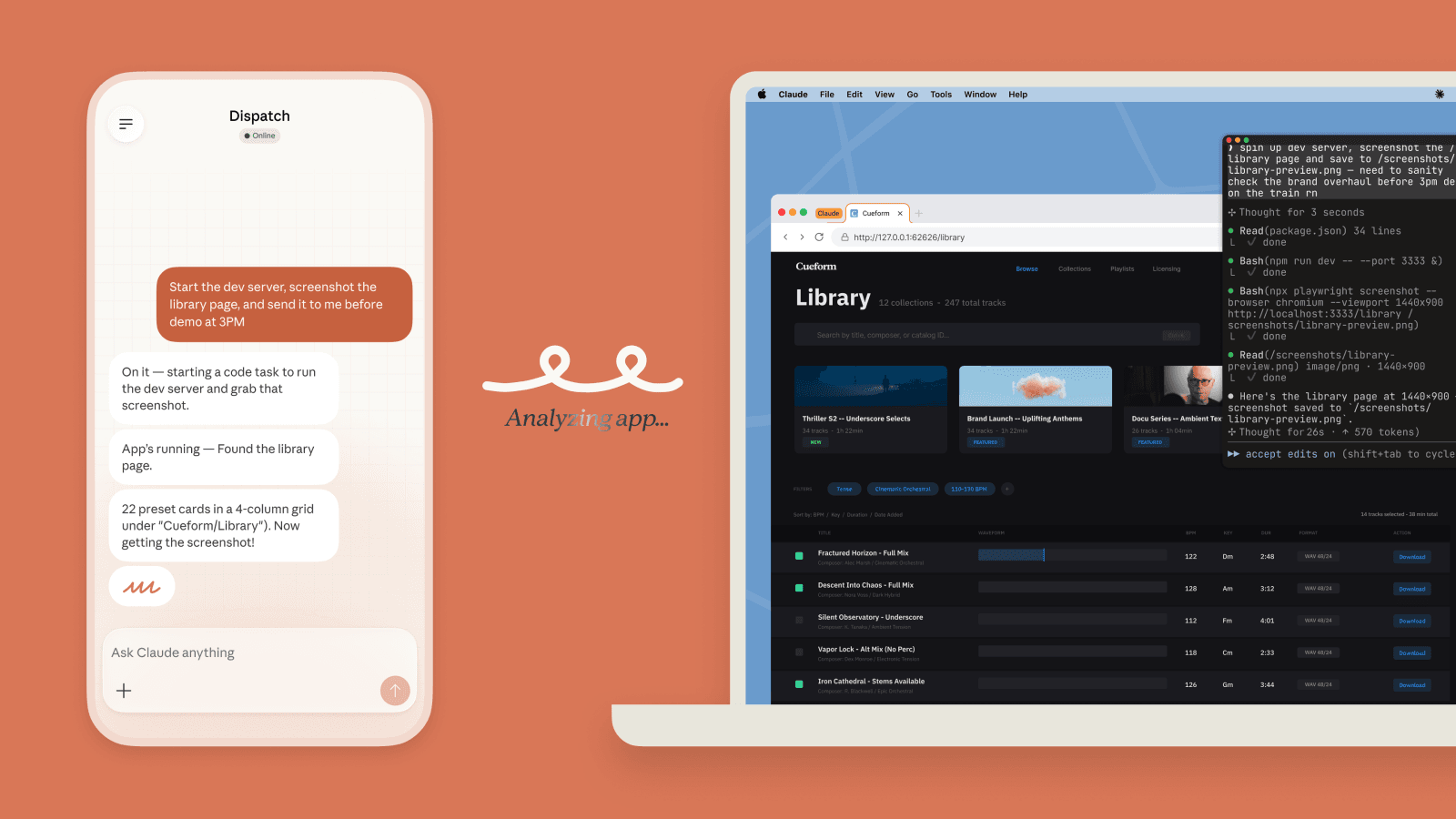
    In a notable development for automation and AI integration, Anthropic has introduced new functionality in Claude Code that enables the AI to interact directly with desktop applications. This means Claude can now perform tasks such as clicking buttons, typing text, and testing workflows on a user’s local machine, bridging the gap between conversational AI and practical automation.

    This enhancement positions Claude as not only a conversational assistant but also an operational tool capable of executing complex sequences on desktop software. For CEOs, founders, and business operators, this translates into potential efficiency gains by automating routine or repetitive tasks that previously required manual input. The ability to test workflows programmatically within desktop environments could also accelerate software validation and reduce human error.

    The move reflects broader trends in AI and automation, where tools like Polymarket and OpenClaw are also pushing boundaries in their respective areas. While Polymarket continues to innovate in decentralized prediction markets, OpenClaw focuses on automation solutions, and Claude’s desktop interaction capability complements these ecosystems by enhancing how AI can be deployed in everyday business operations.

    For executives evaluating automation strategies, Claude Code’s new desktop interaction features present practical opportunities to streamline workflows without requiring extensive custom software development. This could enable faster deployment of AI-driven automation across departments, from customer service to operations, improving responsiveness and reducing operational overhead.

    As AI adoption in business continues to evolve, Anthropic’s approach with Claude Code underscores the importance of integrating AI with existing tools and environments, rather than creating isolated solutions. This development invites decision-makers to consider how AI-driven desktop automation can fit into broader digital transformation initiatives, enhancing productivity while maintaining control and oversight.

    By enabling Claude to interact directly with desktop applications, Anthropic is expanding the practical utility of AI beyond cloud-based and conversational contexts. This development allows business users to automate complex workflows involving multiple software tools, reducing dependency on manual input and minimizing the risk of errors in critical processes. For organizations seeking to enhance operational efficiency, this capability could translate into tangible productivity improvements and faster turnaround times for routine tasks.

    Moreover, Claude Code’s ability to simulate user interactions such as clicking buttons and typing text opens new avenues for automated testing and quality assurance within desktop environments. This can help businesses accelerate software deployment cycles while maintaining higher standards of accuracy and consistency. As automation becomes a strategic priority across industries, the integration of AI-driven desktop interactions aligns with broader digital transformation goals by making intelligent automation more accessible and adaptable to existing IT infrastructures.

    In the context of the evolving automation landscape, Claude’s new features complement innovations from platforms like Polymarket and OpenClaw, which focus on decentralized markets and workflow automation respectively. Together, these technologies signal a shift toward more integrated and versatile AI solutions that empower business leaders to rethink how workflows are designed and executed. For executives evaluating AI investments, Anthropic’s approach suggests a growing emphasis on tools that can be seamlessly embedded into daily operations, offering a practical path toward scalable automation without extensive customization.

    Related reading: Anthropic Faces Pricing and Usage Challenges with Claude Code Limits and Claude Code CLI Source Code Leak Raises Concerns for Anthropic and Industry.

  • Crypto Startup Bets on Its Own Fundraise via Polymarket, Surprising Investors

    Crypto startup P2P.me recently leveraged Polymarket to bet on the success of its own fundraising round, a move that blindsided many of its backers and sparked debate about governance and risk in decentralized markets.

    P2P.me, a crypto startup focused on pushing technological boundaries, took an unconventional approach by using the prediction market platform Polymarket to place wagers on the outcome of its own fundraise. This rare strategy aimed to leverage Polymarket’s peer-to-peer betting mechanics to signal confidence in the company’s capital raising efforts. However, the decision was not communicated clearly to investors, leading to surprise and some concern among backers who were unaware of the wager.

    Polymarket, which operates a decentralized platform for event-based betting, has gained traction in crypto circles for its ability to aggregate market sentiment and offer automated, transparent betting processes. P2P.me’s use of Polymarket in this context was notable because it blurred the lines between traditional fundraising announcements and public betting markets, raising questions about the implications for investor relations and market integrity.

    The startup admitted that betting on itself may have been a step too far. While the intent was to demonstrate confidence and potentially attract new interest, the move led to unintended consequences. Investors expressed concerns about the potential for conflicts of interest and whether such wagers could distort perceptions of the company’s financial health or fundraising prospects. The episode highlights the challenge of integrating innovative automation tools like Polymarket into corporate finance without clear guardrails.

    From a broader perspective, the situation signals both opportunity and risk for emerging crypto ventures experimenting with novel financial instruments. Platforms like OpenClaw, which specialize in automation within decentralized finance, and AI technologies such as Anthropic’s Claude, are increasingly influencing how startups manage operations and investor communications. Yet, this incident underscores the need for transparency and careful strategy when adopting disruptive tools in fundraising and market signaling.

    For CEOs and founders, the lesson is clear: while innovation can differentiate a company, it must be balanced with prudent governance and stakeholder management. The use of prediction markets like Polymarket as part of fundraising or corporate strategy should be accompanied by clear disclosures and alignment with investor expectations to avoid eroding trust.

    The P2P.me case also invites reflection on the evolving interface between crypto startups and their backers. As automation and AI-driven platforms become more integrated into business processes, executives must anticipate how these tools reshape investor perceptions and regulatory scrutiny. Using Claude or similar AI capabilities for strategic insights may help, but human oversight remains critical to navigate reputational risks.

    In conclusion, the intersection of Polymarket, OpenClaw automation, and AI tools like Claude presents exciting possibilities for crypto startups. However, the P2P.me example serves as a cautionary tale about the importance of clear communication and measured risk-taking when leveraging these emerging technologies in capital markets. Executives should carefully evaluate how such innovations fit within their broader business strategies to maintain investor confidence and long-term viability.

    The use of Polymarket by P2P.me to wager on its own fundraising round highlights a growing trend among crypto startups to explore unconventional financing and signaling mechanisms. For executives and investors, this incident serves as a cautionary example of how integrating decentralized prediction markets into corporate strategies can create unintended reputational and governance risks. While Polymarket’s platform offers transparency and automation advantages, the lack of clear disclosure in this case disrupted traditional investor expectations and raised questions about the alignment between a company’s public messaging and market activities.

    Moreover, the episode underlines the broader challenge of managing emerging technologies like OpenClaw, which specializes in automation within decentralized finance ecosystems, alongside AI tools such as Anthropic’s Claude. These innovations promise efficiency gains and enhanced decision-making capabilities but also require stringent oversight and communication protocols to maintain investor trust. Business operators should carefully evaluate how these platforms fit within their governance frameworks, especially when their use could influence market perceptions or create conflicts of interest.

    Looking ahead, P2P.me’s experience may prompt other crypto ventures to reassess how they employ novel financial instruments and automation technologies in fundraising and investor relations. The balance between innovation and transparency will be critical to sustaining confidence in decentralized financial markets. For CEOs and founders, this case emphasizes the need for clear policies and proactive engagement with backers when adopting experimental approaches that intersect with public markets and investor sentiment.

    Related reading: Anthropic Faces Pricing and Usage Challenges with Claude Code Limits and Polymarket and Kalshi Rush to Ban Insider Trading as Senators Introduce Prediction Markets Crackdown.