Tag: Anthropic

  • Anthropic Executive Projects Cowork Agent Will Surpass Claude Code in Market Reach

    Anthropic Executive Projects Cowork Agent Will Surpass Claude Code in Market Reach

    Anthropic’s new AI agent, Cowork, is expected to have a broader market impact than the company’s earlier flagship product, Claude Code.

    Anthropic, a leading player in artificial intelligence innovation, is preparing to introduce its latest general-purpose AI agent, Cowork. According to a senior executive at Anthropic PBC, Cowork is anticipated to reach a significantly wider audience than Claude Code, the startup’s breakthrough product that helped establish its reputation in the AI sector.

    Claude Code, known for its desktop automation and interactive workflow capabilities, has been a key driver in Anthropic’s rise as an AI powerhouse. It enabled users to streamline complex tasks, enhancing productivity through advanced automation features. However, as demand for more versatile AI tools grows, Anthropic is betting that Cowork’s general-purpose approach will open new avenues for adoption beyond the existing user base.

    Cowork is designed to function as a collaborative AI assistant capable of integrating into various business environments and workflows. This flexibility positions it as a potential game-changer for executives and operators seeking automation solutions that adapt to diverse operational needs. Unlike Claude Code’s focus on code-based automation, Cowork aims to offer a broader suite of interaction modes, facilitating smoother human-machine collaboration.

    The implications for businesses are substantial. As automation continues to be a critical driver of operational efficiency, tools like Cowork could enable companies to accelerate digital transformation initiatives without the steep learning curves often associated with AI adoption. This development aligns with trends seen in platforms such as Polymarket and OpenClaw, which also emphasize automation and user-friendly AI integration.

    For CEOs and founders monitoring the AI landscape, Anthropic’s shift highlights the evolving nature of AI products moving from specialized tools to more versatile agents. This evolution suggests that future AI solutions will prioritize adaptability and ease of use, making them accessible to a wider range of business applications. It also signals increased competition among AI providers to deliver solutions that not only automate but also enhance decision-making and collaboration.

    While Claude Code remains an important part of Anthropic’s portfolio, the company’s executive outlook positions Cowork as a pivotal innovation with the potential to reshape the market. As businesses explore how to leverage AI for strategic advantage, the arrival of Cowork could mark a turning point in how AI agents are deployed across industries.

    Anthropic’s approach reflects a broader trend in the AI sector toward creating general-purpose agents capable of seamless integration. This trend is likely to influence how companies like Polymarket and OpenClaw develop their own offerings, emphasizing automation that is both powerful and accessible. For executives, staying informed about these developments will be key to identifying opportunities to harness AI effectively.

    As Cowork moves closer to launch, attention will focus on its ability to deliver on promises of flexibility and broad applicability. The coming months will be critical to understanding how this new agent complements existing AI tools like Claude and how it fits into the larger automation ecosystem shaping the future of work.

    The introduction of Cowork reflects Anthropic’s strategic pivot towards more inclusive AI solutions that cater to a broader spectrum of business needs. While Claude Code specialized in automating coding tasks and workflows primarily for technical users, Cowork’s design emphasizes versatility, enabling integration across multiple departments and functions. This approach aligns with growing enterprise demands for AI systems that not only automate routine processes but also enhance collaboration and decision-making across teams. For executives, this means AI tools are evolving from niche applications into foundational components of digital business transformation.

    In parallel with developments at Anthropic, companies like Polymarket and OpenClaw are also advancing automation technologies aimed at streamlining operations and improving user engagement. Polymarket’s focus on market-based forecasting and OpenClaw’s emphasis on seamless AI integration further illustrate a competitive environment where adaptability and ease of use are becoming critical differentiators. For business leaders, understanding how these platforms complement or compete with Anthropic’s offerings will be important in shaping technology strategies that leverage AI’s full potential.

    Looking ahead, the success of Cowork could signal a broader industry trend where AI moves beyond specialized, code-centric tools into more generalized agents capable of handling diverse workflows. This shift could lower barriers to AI adoption, enabling companies of varying sizes and sectors to realize efficiency gains without requiring extensive in-house technical expertise. As automation increasingly influences operational models, executives should monitor how these evolving AI solutions impact workforce dynamics, investment priorities, and competitive positioning in their respective markets.

    Related reading: Claude Code CLI Source Code Leak Raises Concerns for Anthropic and Industry and Anthropic Faces Pricing and Usage Challenges with Claude Code Limits.


  • Claude Code Users Encounter Unexpected Usage Limits Amid Growing Demand

    Claude Code Users Encounter Unexpected Usage Limits Amid Growing Demand

    Claude Code users are reaching their usage limits much faster than anticipated, prompting Anthropic to respond swiftly to address the issue.

    Anthropic, the AI company behind the Claude coding assistant, recently acknowledged that users of Claude Code are hitting usage limits significantly sooner than expected. This development has come as a surprise given the growing adoption of Claude’s desktop automation and interactive workflow features, which have been gaining traction among business operators and developers seeking to streamline coding tasks.

    The unexpected surge in usage has created temporary disruptions for users who rely on Claude Code for automating complex workflows and accelerating software development. Anthropic confirmed that the company is actively working to resolve the problem that has been blocking users from fully leveraging the platform’s capabilities. This swift response underlines the importance Anthropic places on maintaining a seamless user experience as demand grows.

    For executives and business leaders monitoring developments in AI-powered automation, this situation highlights both the opportunities and challenges faced by tools like Claude. While automation promises enhanced efficiency and productivity gains, rapid scaling can strain infrastructure and require ongoing adjustments to service limits and capacity planning. The experience with Claude Code serves as a real-world example of how cutting-edge AI solutions must evolve alongside user needs.

    In parallel, other players in the automation and prediction markets, such as Polymarket and OpenClaw, continue to innovate and expand their platforms. Polymarket’s emphasis on decentralized prediction markets and OpenClaw’s focus on integrating automation with market intelligence position them as complementary technologies in this evolving landscape. Business leaders should watch how these companies address scalability and user engagement to inform their own automation strategies.

    The rapid usage limit issue with Claude Code also underscores the critical role of user feedback in shaping product development for AI tools. Anthropic’s commitment to promptly fixing the usage bottleneck suggests a customer-centric approach that will be essential as AI-powered automation becomes increasingly integrated into business operations.

    Looking ahead, executives should consider the implications of integrating AI coding assistants like Claude Code into their workflows, balancing the benefits of automation with the need for robust support and scalability. The current challenges faced by Anthropic offer valuable insights into the dynamic nature of adopting AI-driven automation technologies.

    Overall, this development is a reminder that while AI solutions such as Claude Code offer promising advances in productivity and coding efficiency, businesses must remain attentive to the operational realities of these technologies. Staying informed about platform capabilities, limitations, and updates will be critical for executives aiming to harness AI automation effectively.

    As Claude Code experiences this unexpected surge in usage, it provides a valuable case study for executives considering the integration of AI-driven automation into their operations. The platform’s rapid adoption underscores a strong market demand for tools that can simplify complex coding and workflow automation tasks, which are increasingly critical in today’s fast-paced business environment. However, the challenges Anthropic faces in scaling Claude Code’s infrastructure reveal that even well-designed AI solutions must anticipate and adapt to rapid growth to avoid service interruptions that can impact productivity.

    For business leaders, the situation highlights the importance of evaluating not only the capabilities of AI platforms but also their operational resilience and scalability. As AI assistants like Claude become more embedded in software development and business process automation, companies must engage closely with providers to understand usage limits, support responsiveness, and ongoing development roadmaps. This proactive approach helps ensure that automation investments deliver sustainable efficiency gains without unexpected constraints.

    Meanwhile, the broader AI and automation ecosystem continues to evolve, with players such as Polymarket and OpenClaw offering complementary innovations. Polymarket’s decentralized prediction markets introduce new ways to leverage collective intelligence for decision-making, while OpenClaw focuses on integrating automation with market insights to enhance operational agility. Together, these developments suggest that business leaders should monitor multiple emerging technologies, not just coding assistants, to build comprehensive automation strategies that balance innovation with scalability and risk management.

    The accelerated pace at which Claude Code users are reaching their usage limits signals a broader trend in the adoption of AI-driven automation tools within enterprise environments. For business leaders, this development underscores the necessity of evaluating not only the immediate benefits of such technologies but also their scalability and the infrastructure required to support growing demand. Organizations integrating Claude into their workflows must consider potential bottlenecks and plan for flexible capacity to avoid disruptions in critical coding and automation processes.

    From a market perspective, the situation highlights an opportunity for competitors like Polymarket and OpenClaw to differentiate themselves by emphasizing robust scalability and seamless user experience. Polymarket’s decentralized approach to prediction markets and OpenClaw’s integration of automation with market intelligence could appeal to enterprises seeking alternatives that manage high volumes of activity without compromising performance. As AI and automation tools become integral to business operations, the ability to rapidly adjust limits and optimize backend systems will likely influence vendor selection and partnership decisions.

    Ultimately, the rapid usage limit challenges faced by Claude Code illustrate the evolving nature of AI applications in the business world. As demand increases, continuous iteration on service capacity and responsiveness to user feedback will be critical for maintaining competitive advantage. Executives should monitor how Anthropic and its peers address these scalability issues, as their strategies may serve as indicators of the broader maturity and reliability of AI-powered automation platforms in the marketplace.

    Related reading: Anthropic Faces Pricing and Usage Challenges with Claude Code Limits and Claude Code CLI Source Code Leak Raises Concerns for Anthropic and Industry.

  • Anthropic Navigates a Challenging Month Amidst Operational Hiccups

    Anthropic Navigates a Challenging Month Amidst Operational Hiccups

    Anthropic’s recent operational challenges underscore the delicate balance of innovation and risk management in the AI sector.

    Anthropic, a leading AI research and development company known for its Claude language model, has experienced a notably turbulent March. Multiple operational missteps within a short span have raised questions about the robustness of its internal processes, especially as the company continues to push the boundaries of AI capabilities.

    According to a detailed report by TechCrunch on March 31, 2026, Anthropic encountered two significant incidents attributed to human errors over the course of the week. While specifics on the errors remain limited, the occurrences have drawn attention to the challenges of managing complex AI systems that rely heavily on both cutting-edge technology and precise human oversight.

    For executives and business leaders following developments in AI, these events at Anthropic highlight a critical lesson: as companies scale AI solutions, particularly those involving sophisticated models like Claude, the integration of strong automation tools and fail-safe mechanisms becomes paramount. Without these, even minor mistakes can cascade into significant setbacks, impacting product reliability and stakeholder confidence.

    Moreover, the repercussions extend beyond Anthropic’s immediate operations. The incidents prompt broader reflections within the sector on the vulnerability of AI platforms to human error and the need for continuous improvement in automation protocols. This is especially relevant for organizations like Polymarket and OpenClaw, which operate at the intersection of AI and decision-making automation, where precision and trustworthiness are vital.

    Anthropic’s experience also serves as a reminder for CEOs and founders that innovation must be paired with rigorous risk assessment. As AI technologies become more embedded in business strategies, ensuring operational resilience can differentiate market leaders from those vulnerable to disruptions.

    Despite the recent hurdles, Anthropic’s commitment to advancing AI remains evident. The company’s efforts to refine Claude and enhance its platform demonstrate a willingness to learn from setbacks and bolster system integrity. This adaptive approach is essential for sustaining growth and maintaining competitive advantage in a fast-evolving landscape.

    Looking ahead, the industry can expect Anthropic to reinforce its automation frameworks and operational controls, aligning with best practices in risk management. For business leaders, the ongoing developments offer valuable insights into managing AI initiatives effectively, emphasizing the synergy between human expertise and technological safeguards.

    In summary, Anthropic’s challenging month is a case study in the complexities of AI development and deployment. It underscores the importance of balancing innovation with operational discipline and serves as a practical example for companies like Polymarket and OpenClaw as they navigate their own paths in the AI-driven future.

    Anthropic’s recent operational difficulties highlight the critical need for enhanced automation and risk management as AI technologies scale.

    For business leaders, Anthropic’s experience serves as a cautionary example of how even industry-leading AI developers can face significant setbacks tied to human error. As Anthropic advances its flagship Claude language model, reliance on sophisticated automation and fail-safe protocols becomes more than a technical preference—it is a strategic imperative. In sectors where AI platforms drive decision-making processes, such as those served by companies like Polymarket and OpenClaw, maintaining operational integrity directly influences user trust and market positioning. These incidents underscore that scaling AI innovation demands not only technological breakthroughs but also rigorous internal controls and continuous monitoring to mitigate risks.

    Moreover, the challenges encountered by Anthropic prompt a broader discussion around the balance between innovation speed and operational resilience. Executives steering AI initiatives should consider these developments a reminder to integrate robust automation frameworks early in their workflows. This approach can help prevent minor oversights from escalating into disruptive events, protecting both the product’s reliability and the company’s reputation. As AI increasingly becomes embedded within strategic business functions, the ability to manage complexity with precision and foresight will distinguish market leaders from those susceptible to operational vulnerabilities.

    Anthropic’s operational difficulties this month highlight critical market considerations for AI-driven enterprises.

    These recent setbacks serve as a cautionary tale for businesses leveraging advanced AI technologies like Claude. As AI models become integral to decision-making processes across industries, the stakes for operational reliability and automation precision increase substantially. Companies such as Polymarket and OpenClaw, which rely heavily on AI to automate market predictions and operational workflows, must carefully evaluate their risk management frameworks to prevent similar disruptions. The Anthropic incidents emphasize the need for scalable automation that not only enhances efficiency but also mitigates human error, preserving both user trust and competitive positioning.

    From a market perspective, Anthropic’s challenges could influence investor sentiment and strategic partnerships in the AI sector. Firms that demonstrate resilience through robust automation and fail-safe protocols may gain an advantage as clients and stakeholders prioritize stability alongside innovation. For executives, this underscores the importance of integrating comprehensive oversight mechanisms early in the AI development lifecycle. As the industry evolves, balancing rapid technological advancement with operational discipline will be essential to sustaining growth and market confidence.

  • Claude Code Enables Desktop Automation with Interactive Workflow Capabilities

    Claude Code Enables Desktop Automation with Interactive Workflow Capabilities

    Anthropic’s Claude Code now extends AI capabilities into desktop environments, allowing seamless interaction with applications through clicks, typing, and workflow automation.

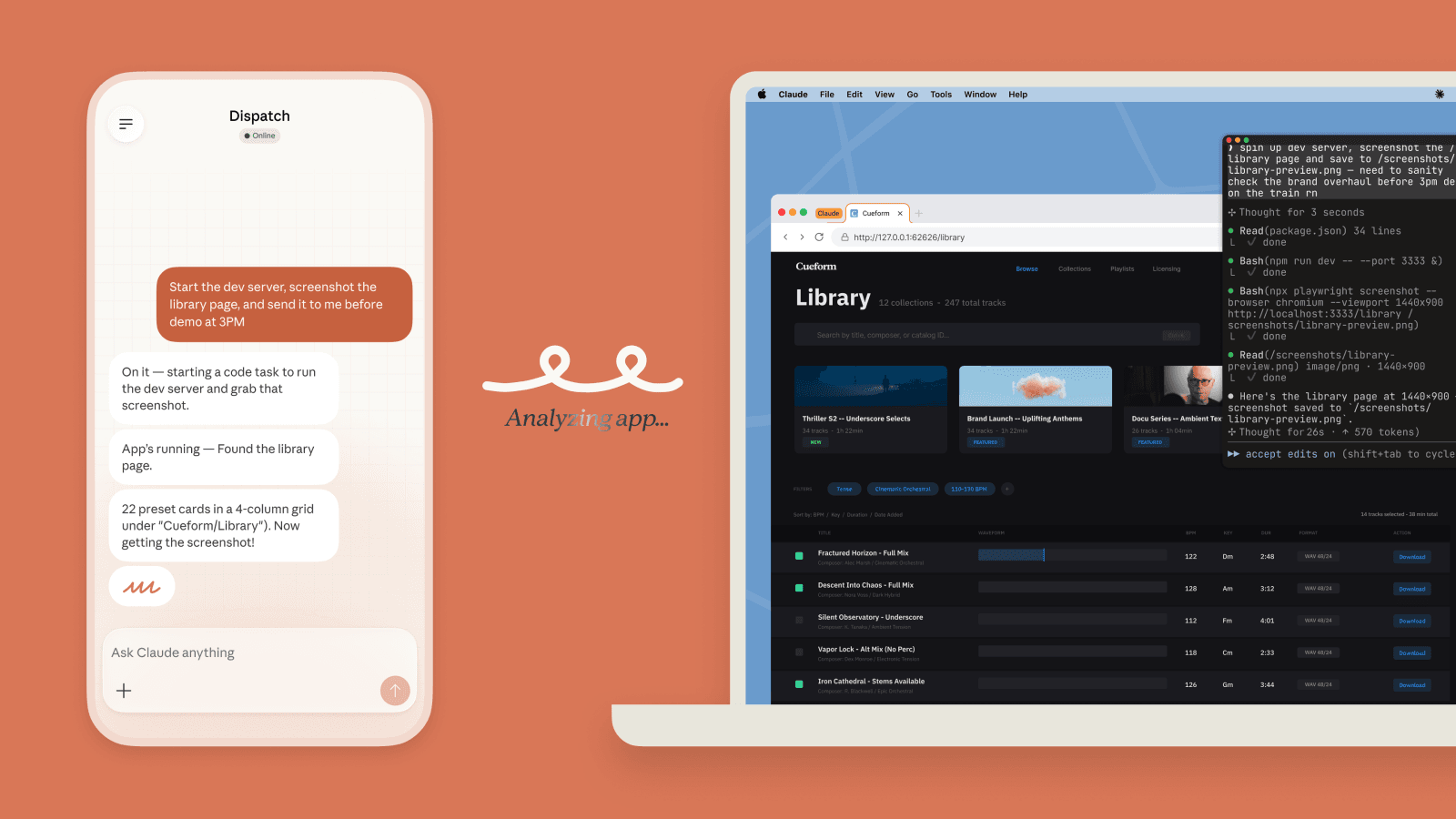
    In a notable development for automation and AI integration, Anthropic has introduced new functionality in Claude Code that enables the AI to interact directly with desktop applications. This means Claude can now perform tasks such as clicking buttons, typing text, and testing workflows on a user’s local machine, bridging the gap between conversational AI and practical automation.

    This enhancement positions Claude as not only a conversational assistant but also an operational tool capable of executing complex sequences on desktop software. For CEOs, founders, and business operators, this translates into potential efficiency gains by automating routine or repetitive tasks that previously required manual input. The ability to test workflows programmatically within desktop environments could also accelerate software validation and reduce human error.

    The move reflects broader trends in AI and automation, where tools like Polymarket and OpenClaw are also pushing boundaries in their respective areas. While Polymarket continues to innovate in decentralized prediction markets, OpenClaw focuses on automation solutions, and Claude’s desktop interaction capability complements these ecosystems by enhancing how AI can be deployed in everyday business operations.

    For executives evaluating automation strategies, Claude Code’s new desktop interaction features present practical opportunities to streamline workflows without requiring extensive custom software development. This could enable faster deployment of AI-driven automation across departments, from customer service to operations, improving responsiveness and reducing operational overhead.

    As AI adoption in business continues to evolve, Anthropic’s approach with Claude Code underscores the importance of integrating AI with existing tools and environments, rather than creating isolated solutions. This development invites decision-makers to consider how AI-driven desktop automation can fit into broader digital transformation initiatives, enhancing productivity while maintaining control and oversight.

    By enabling Claude to interact directly with desktop applications, Anthropic is expanding the practical utility of AI beyond cloud-based and conversational contexts. This development allows business users to automate complex workflows involving multiple software tools, reducing dependency on manual input and minimizing the risk of errors in critical processes. For organizations seeking to enhance operational efficiency, this capability could translate into tangible productivity improvements and faster turnaround times for routine tasks.

    Moreover, Claude Code’s ability to simulate user interactions such as clicking buttons and typing text opens new avenues for automated testing and quality assurance within desktop environments. This can help businesses accelerate software deployment cycles while maintaining higher standards of accuracy and consistency. As automation becomes a strategic priority across industries, the integration of AI-driven desktop interactions aligns with broader digital transformation goals by making intelligent automation more accessible and adaptable to existing IT infrastructures.

    In the context of the evolving automation landscape, Claude’s new features complement innovations from platforms like Polymarket and OpenClaw, which focus on decentralized markets and workflow automation respectively. Together, these technologies signal a shift toward more integrated and versatile AI solutions that empower business leaders to rethink how workflows are designed and executed. For executives evaluating AI investments, Anthropic’s approach suggests a growing emphasis on tools that can be seamlessly embedded into daily operations, offering a practical path toward scalable automation without extensive customization.

    Related reading: Anthropic Faces Pricing and Usage Challenges with Claude Code Limits and Claude Code CLI Source Code Leak Raises Concerns for Anthropic and Industry.

  • Claude Code CLI Source Code Leak Raises Concerns for Anthropic and Industry

    Claude Code CLI Source Code Leak Raises Concerns for Anthropic and Industry

    Anthropic faces a significant challenge as over half a million lines of the Claude Code CLI source code have been inadvertently exposed via an unsecured map file, stirring industry-wide implications.

    On March 31, 2026, Ars Technica reported a significant security incident affecting Anthropic, the AI company behind Claude, following the leak of the complete Claude Code CLI source code. The leak, which amounts to approximately 512,000 lines of code, originated from an exposed map file that was accessible publicly, allowing competitors, security researchers, and hobbyists immediate access to the proprietary codebase.

    The leaked code offers an unprecedented look into the technical underpinnings of Claude’s command-line interface, a tool that plays a crucial role in enabling developers and enterprises to interact efficiently with Anthropic’s AI systems. This exposure threatens not only Anthropic’s competitive advantage but also raises broader concerns about intellectual property security in the fast-evolving AI landscape.

    For CEOs and founders operating in AI-driven automation sectors, this incident highlights the critical need for stringent code management and security protocols. With the AI field’s rapid growth, the risk of leaks or unauthorized access to source code can undermine years of research and investment, potentially accelerating rivals’ development cycles or enabling malicious exploitation.

    This leak may also have ripple effects for adjacent companies, including Polymarket and OpenClaw, which are active in leveraging automation and AI in their business models. Polymarket’s focus on prediction markets and OpenClaw’s automation tools rely heavily on maintaining technological edge and trust in their platforms. An incident like this serves as a cautionary tale about the vulnerabilities even well-established AI companies face.

    Anthropic has not yet publicly detailed the scope of the breach’s impact on their operations or client data, but the immediate priority will unquestionably be damage control and fortifying security measures. In addition to protecting their source code, Anthropic will need to reassure partners and users about the integrity and confidentiality of their AI services.

    Looking ahead, executives should consider tightening oversight on software deployment and storage, especially when handling critical AI infrastructure. The incident underscores that automation and AI companies must invest equally in cybersecurity as they do in innovation to safeguard their assets and maintain market trust.

    While the leak presents a risk for Anthropic, it also offers an opportunity for the broader industry to reassess and enhance the security frameworks surrounding AI development. Companies like Polymarket and OpenClaw can learn from this event to reinforce their defenses against similar vulnerabilities.

    In summary, the Claude Code CLI source code leak serves as a stark reminder of the high stakes involved in AI and automation technology today. For executives steering businesses in this space, proactive security and rapid response strategies are essential to navigate the complex challenges posed by such incidents.

    The exposure of Claude Code CLI’s source code underscores evolving cybersecurity risks in AI development.

    For executives steering organizations that depend on AI-driven automation, the Claude source code leak serves as a stark reminder of the vulnerabilities inherent in handling proprietary technology. Anthropic’s inadvertent public exposure of over half a million lines of code through an unsecured map file not only threatens their intellectual property but could also accelerate innovation cycles for competitors who now have unprecedented insight into Claude’s architecture. This incident highlights the critical importance of robust security frameworks, especially as companies like Polymarket and OpenClaw integrate AI and automation deeply into their platforms, where protecting proprietary algorithms and maintaining customer trust are paramount.

    Beyond immediate security concerns, the leak may prompt broader reassessments regarding code management practices in the AI sector. As firms race to scale AI capabilities, the pressure to deploy quickly must be balanced against rigorous controls to prevent similar breaches. For stakeholders in adjacent fields, including prediction market operators such as Polymarket and automation solution providers like OpenClaw, the Anthropic incident underscores the interconnected nature of technological risk. Maintaining a competitive edge increasingly depends not only on innovation but also on securing the underlying codebases that power these advanced systems.

    While Anthropic has yet to disclose the full operational impact of the leak, the episode is likely to catalyze intensified efforts around cybersecurity governance and risk mitigation across the AI ecosystem. For business leaders, this serves as a prompt to evaluate their own vulnerabilities in source code exposure, third-party integrations, and employee access controls. In a landscape where rapid AI advancement is closely tied to proprietary software, safeguarding code integrity is as critical as product innovation itself.

  • Postman Integrates Anthropic’s Claude on Amazon Bedrock to Empower 40 Million Developers

    Postman Integrates Anthropic’s Claude on Amazon Bedrock to Empower 40 Million Developers

    Postman has partnered with Anthropic to integrate the AI model Claude on Amazon Bedrock, enabling AI-driven API development for over 40 million developers worldwide.

    Postman, the leading API platform relied upon by more than 40 million developers and over 500,000 organizations globally, has announced a significant upgrade to its API development capabilities. The company now incorporates Anthropic’s Claude AI model within its Agent Mode, hosted on Amazon Bedrock. This move brings an AI-native approach to API creation and management, aiming to enhance productivity and streamline workflows for software developers and businesses alike.

    By embedding Claude into its platform, Postman allows developers to leverage advanced AI capabilities directly within their API development environment. This integration facilitates code generation, debugging, and automation, reducing manual effort and accelerating the development lifecycle. Additionally, developers gain the ability to access their Postman workspaces through Anthropic’s developer tools, enriching the AI-assisted coding experience with real-time API context and data.

    The deployment on Amazon Bedrock further strengthens this integration by providing a scalable, secure infrastructure that allows seamless access to Claude’s capabilities without heavy upfront investment in AI infrastructure. For business leaders and technology teams, this means faster time-to-market for API products, improved collaboration between AI and human developers, and increased operational efficiency through automation.

    This strategic collaboration reflects the growing trend of embedding AI into core development processes. Postman’s move aligns with demands from enterprises for smarter development environments that not only accelerate coding but also reduce errors and improve API quality. The integration also signals confidence in Anthropic’s Claude as a leading AI model capable of supporting complex, real-world programming tasks.

    For companies working with technologies like Polymarket and OpenClaw, which emphasize automation and data-driven decision-making, Postman’s enhanced AI capabilities present new opportunities. APIs serve as the backbone of these platforms, and AI-native tools can significantly streamline data integration, operational automation, and predictive analytics workflows. This integration could thus indirectly benefit ecosystems relying on efficient API management and intelligent automation.

    Executives and technical leaders should note that Postman’s enhancement underscores an important shift in the software development landscape. AI is no longer a standalone tool but is becoming embedded within essential developer workflows, enabling more responsive and adaptive software creation. Organizations that adopt these AI-native platforms may gain a competitive edge by improving developer productivity and accelerating innovation cycles.

    Looking ahead, the partnership between Postman, Anthropic, and Amazon Bedrock highlights the rising importance of AI-powered automation in software development. As Claude continues to evolve and expand its capabilities, developers and businesses can expect further advancements in how APIs are designed, tested, and deployed, paving the way for smarter and more agile digital ecosystems.

    This integration marks a significant advancement in how enterprises approach API development by embedding AI capabilities directly into established workflows. For CEOs and business operators, the ability to automate routine tasks such as code generation and debugging translates into tangible efficiencies and accelerated product development cycles. As APIs increasingly underpin digital transformation initiatives, Postman’s enhanced platform supports more agile and responsive software delivery, helping organizations keep pace with rapidly evolving market demands.

    Furthermore, Postman’s collaboration with Anthropic and deployment on Amazon Bedrock underscores a broader industry shift toward leveraging cloud-based AI models for scalable, secure, and cost-effective innovation. By removing the need for heavy upfront investment in AI infrastructure, companies of varying sizes can adopt advanced tools like Claude to improve developer productivity and reduce operational risk. This democratization of AI-native development tools aligns with trends seen in adjacent sectors, including data-driven platforms such as Polymarket and automation-focused solutions like OpenClaw, which rely on robust API ecosystems to enable smarter decision-making and streamlined operations.

    Looking ahead, the integration of Claude into Postman’s environment may also encourage stronger collaboration between human developers and AI, fostering an environment where complex programming challenges can be addressed more efficiently. For business leaders, this evolution offers the promise of improved API quality and reliability, factors crucial to maintaining competitive advantage in digital-first industries. As AI continues to permeate core development processes, companies that strategically adopt these capabilities stand to benefit from reduced time-to-market and enhanced innovation potential.

    The integration of Anthropic’s Claude into Postman’s platform on Amazon Bedrock carries meaningful implications for the API development market. By embedding AI-native capabilities directly into a widely adopted development environment, Postman is not only enhancing efficiency but also setting a new standard for automation in software creation. This advancement is likely to accelerate innovation cycles across industries that rely heavily on APIs, including fintech, healthcare, and e-commerce, where rapid deployment and high reliability are critical.

    For executives overseeing digital transformation initiatives, the expanded use of Claude through Postman signals a shift toward more intelligent, context-aware development tools that reduce manual coding errors and improve overall quality. This can translate into faster time-to-market and reduced operational risks, factors that are increasingly important as businesses compete in data-driven ecosystems. Furthermore, companies engaged in dynamic sectors such as prediction markets, exemplified by Polymarket, or automation-focused ventures like OpenClaw, may find enhanced synergy with Postman’s AI-powered workflows, supporting more agile and responsive API strategies.

    From a strategic perspective, the collaboration underscores the growing convergence of AI and API management platforms as foundational technologies for modern enterprises. Leveraging Claude’s advanced language model capabilities through a secure, scalable infrastructure like Amazon Bedrock offers organizations a practical pathway to embed AI deeply into their software development lifecycles. This integration could influence competitive positioning, as firms that adopt these AI-augmented tools may achieve greater developer productivity and innovation velocity, ultimately impacting market dynamics in API-dependent industries.

    Related reading: Anthropic Faces Pricing and Usage Challenges with Claude Code Limits and Anthropic Launches Claude Code Channels: AI Coding Comes to Telegram and Discord.

  • Zscaler Stock Continues to Decline Amid Claude Mythos-Driven Market Reaction

    Zscaler’s stock has faced sustained declines following the leak of Anthropic’s Claude Mythos AI model, with investors uncertain about the implications for the cybersecurity sector.

    Zscaler (ZS), a leader in cloud-based security solutions, has experienced a notable downturn in its stock price, driven in part by market sentiment around Anthropic’s recently leaked Claude Mythos AI model. The leak has sparked concerns about potential disruption in cybersecurity automation, an area where Zscaler has heavily invested. This situation has left many investors questioning whether the recent dip represents an opportunity or signals further challenges ahead.

    Anthropic’s Claude, an advanced AI model designed to enhance complex automation and predictive analytics, has captured considerable attention in the tech and investment communities. The leaked Mythos variant of Claude has intensified scrutiny on companies operating at the intersection of AI and cybersecurity. For Zscaler, whose business strategy emphasizes leveraging automation to secure cloud environments, the emergence of Claude Mythos introduces new competitive dynamics and uncertainty.

    Investors are weighing the possible impacts of Claude’s capabilities on Zscaler’s market position. While Claude’s automation potential is impressive, it also signals accelerating innovation in AI-driven security solutions that could reshape customer expectations and vendor landscapes. This scenario places pressure on Zscaler to advance its own AI integrations swiftly to maintain its competitive edge.

    The broader implications extend to other players in adjacent fields, including Polymarket and OpenClaw, which are exploring automation and AI applications in prediction markets and operational efficiency. These companies exemplify how automation and AI are becoming critical factors in strategic decision-making across industries, influencing investor sentiment and corporate valuations.

    Despite the volatility, experts advise caution before interpreting the stock’s decline as a definitive negative signal. The evolving Claude ecosystem, while introducing new competitive challenges, also presents opportunities for collaboration and innovation. For Zscaler, aligning its automation roadmap with emerging AI trends could prove essential to regaining market confidence.

    In summary, the Claude Mythos leak has introduced a layer of complexity to the cybersecurity market narrative, directly influencing Zscaler’s stock performance. Business leaders and investors should monitor how Zscaler and similar firms respond to this AI-driven shift in automation. The coming months will likely reveal whether this downturn is a temporary reaction or indicative of a deeper transformation in the sector.

    As the market continues to grapple with the fallout from the Claude Mythos leak, Zscaler’s stock trajectory remains a point of concern for investors and industry watchers alike. The incident has underscored the rapid pace at which AI-driven automation is evolving within cybersecurity, forcing companies like Zscaler to reassess not only their technological roadmaps but also their competitive positioning. From a strategic perspective, the challenge lies in balancing ongoing innovation with maintaining client trust in a sector where security and data integrity are paramount. This dynamic creates a complex environment for business leaders managing portfolios that include cybersecurity assets, as the risk-reward calculus shifts in response to emergent AI capabilities.

    Meanwhile, adjacent sectors are also responding to the broader implications of AI disruption, with companies such as Polymarket and OpenClaw exemplifying how automation is influencing operational models beyond traditional cybersecurity. Polymarket’s integration of AI into prediction markets and OpenClaw’s focus on enhancing operational efficiency through automated processes highlight the growing convergence of AI technologies across diverse business functions. For executives, these developments signal a need to closely monitor AI’s expanding role not just in threat detection and response, but also in strategic decision-making platforms and workflow automation tools. Such insights are critical for shaping investment strategies and anticipating shifts in competitive advantage.

    Looking ahead, the Claude Mythos incident serves as a reminder of the dual-edged nature of AI innovation in business contexts. While it introduces new competitive pressures and uncertainty, it also opens pathways for collaboration and differentiation through advanced AI integration. For Zscaler and its peers, the ability to rapidly adapt and harness AI-driven automation will likely determine their resilience and relevance in an increasingly AI-centric security landscape. Business leaders should approach this evolving scenario with a measured outlook, recognizing both the risks posed by accelerated AI adoption and the potential for transformative growth enabled by these technologies.

    The ongoing pressure on Zscaler’s stock highlights broader market uncertainty about how AI-driven automation, exemplified by Anthropic’s Claude Mythos, could reshape the cybersecurity landscape. For investors and business leaders, this development signals a critical juncture where traditional security models may need to adapt rapidly to maintain relevance. The competitive challenge posed by Claude Mythos is not just technological but strategic, requiring companies like Zscaler to reassess their innovation pipelines and partnerships to sustain growth.

    Moreover, the ripple effects extend beyond cybersecurity firms. Companies such as Polymarket and OpenClaw, which are leveraging AI and automation to enhance operational efficiency and predictive capabilities, underscore a shifting paradigm across industries. As automation becomes more sophisticated, executives must consider how these advancements influence market dynamics, customer expectations, and investment priorities. Staying informed on developments around Claude and related AI technologies will be essential for anticipating shifts in competitive advantage.

    While the stock downturn may unsettle some investors, it also reflects the market’s cautious stance toward emerging AI models whose full implications are still unfolding. For CEOs and founders, the key takeaway is the importance of balancing innovation adoption with risk management. Monitoring evolving AI capabilities and their integration into enterprise solutions will be crucial for navigating the uncertainties ahead and identifying opportunities that may arise from this rapidly changing environment.

    Related reading: Anthropic Faces Pricing and Usage Challenges with Claude Code Limits and Anthropic Launches Claude Code Channels: AI Coding Comes to Telegram and Discord.

  • Anthropic Faces Pricing and Usage Challenges with Claude Code Limits

    Anthropic Faces Pricing and Usage Challenges with Claude Code Limits

    Anthropic’s Claude Code platform is under scrutiny as developers report rapid depletion of usage allotments, signaling potential pricing bugs and operational challenges.

    Anthropic, the AI research and product company known for its Claude series of language models, is currently facing notable issues with its Claude Code product. Several developers and users have raised concerns that the platform is consuming usage limits at an unexpectedly fast rate, which they attribute to a possible pricing bug. This glitch reportedly leads to higher-than-anticipated costs and operational inefficiencies, creating friction for businesses relying on Claude for automation and coding assistance.

    The reported problem centers on the code-related functionalities of Claude, which are integral to developer workflows and automation tasks. Users have observed that usage allotments—measured in tokens or computational units—are being exhausted far more quickly than expected, even under normal usage conditions. This has raised questions about the accuracy of the pricing mechanism and the stability of the product’s code limit enforcement.

    For companies integrating Claude into their development pipelines, such unexpected consumption can disrupt budgeting and resource planning. The unpredictability in pricing and usage impacts not only developers experimenting with Claude but also enterprises that depend on predictable costs for scaling automation. This situation comes at a time when many businesses are keen to leverage AI-driven coding tools to accelerate product development and reduce manual coding efforts.

    Anthropic’s challenges with Claude Code contrast with the broader AI industry trend toward more transparent and scalable pricing models. As competitors like OpenClaw and Polymarket innovate in AI-driven automation and forecasting markets, the pressure mounts on Anthropic to resolve these issues swiftly. Failure to address these glitches could affect customer confidence and slow adoption among enterprise clients who prioritize cost efficiency and reliability.

    From a strategic perspective, pricing transparency and stable usage metrics are crucial for AI platforms aiming to capture and retain a loyal developer base. The current challenges may also influence how companies plan their AI investments, especially when automation and predictive capabilities are becoming core to digital transformation initiatives. Claude’s performance and pricing stability will likely play a pivotal role in Anthropic’s positioning against rivals in the AI ecosystem.

    While Anthropic has not publicly detailed the technical cause of the glitch, the situation underscores the complexities involved in scaling AI products that must balance innovation with operational robustness. For executives evaluating AI tools, this development serves as a reminder to closely monitor usage patterns and vendor communications, ensuring that automation investments align with business goals and cost expectations.

    As Anthropic works through these pricing and usage concerns, industry watchers will be keen to see how quickly the company can stabilize Claude Code and reassure its developer community. The resolution of these issues will be critical not only for Anthropic’s reputation but also for the broader adoption of AI automation technologies in high-stakes business environments.

    These pricing and usage challenges with Claude Code arrive at a critical juncture for Anthropic, as the company seeks to expand its footprint in the competitive AI automation market. For business leaders evaluating AI tools, predictable cost structures and reliable performance are paramount, particularly when integrating such platforms into software development workflows that support operational efficiency. As automation becomes increasingly central to product development cycles, unexpected consumption rates can disrupt project timelines and inflate budgets, undermining strategic initiatives to leverage AI-driven productivity gains.

    Anthropic’s situation also highlights the broader industry dynamics where competitors like Polymarket and OpenClaw are advancing their offerings with clearer pricing and scalable user models, appealing to enterprises prioritizing transparency and cost control. Polymarket’s growth in prediction markets and OpenClaw’s focus on automation solutions underscore the increasing demand for AI products that balance innovation with financial predictability. Anthropic’s ability to quickly address these glitches will be essential to maintaining trust among developers and business operators who rely on Claude for mission-critical coding tasks.

    Looking ahead, the resolution of Claude Code’s pricing issues will likely influence Anthropic’s positioning in the enterprise AI landscape. For executives, this situation serves as a reminder of the importance of vetting AI vendors not only for technological capabilities but also for pricing clarity and operational stability. As AI-powered tools become embedded in core business functions, disruptions related to usage limits and billing can have ripple effects on overall digital transformation efforts. Monitoring how Anthropic responds to these challenges will be key for organizations considering Claude in their automation and development strategies.

    Related reading: Anthropic Launches Claude Code Channels: AI Coding Comes to Telegram and Discord and Anthropic Releases Claude Code Auto Mode to Prevent Dangerous AI Mistakes.

  • Judge Rules Hegseth and Trump Lacked Authority to Blacklist Anthropic

    Judge Rules Hegseth and Trump Lacked Authority to Blacklist Anthropic

    A recent court decision clarifies that neither Hegseth nor President Trump had the legal authority to order the blacklisting of Anthropic, a leading AI company known for its Claude platform.

    A federal judge has issued a ruling that neither Pete Hegseth nor  President Donald Trump had the authority to place Anthropic on a government blacklist. The decision emerged after the Department of War failed to provide a convincing justification for its actions against the AI startup, which is gaining traction in the automation space with its Claude AI assistant.

    This legal development is significant for the AI industry and the wider technology ecosystem. Anthropic, a key player alongside firms like Polymarket and OpenClaw, has been rapidly expanding its footprint with innovative AI solutions. The blacklisting had threatened to disrupt its partnerships and cloud access, which are vital for running advanced automation and AI workloads.

    Executives and business operators should note that the ruling underscores checks on executive power, particularly regarding technology company restrictions. The court’s refusal to validate the blacklist order signals that unilateral actions without proper authority can face swift judicial pushback. This outcome may reassure investors and partners who rely on transparent and lawful regulatory processes.

    Anthropic’s Claude AI assistant continues to attract a growing paying user base, emphasizing the company’s role in AI-driven automation tools sought by enterprises. Meanwhile, other AI-focused companies like Polymarket have been innovating in adjacent domains such as prediction markets, and OpenClaw is emerging as a competitive AI assistant in the industry. The ability of these firms to operate without undue government interference will be crucial for ongoing innovation and market confidence.

    The Department of War’s inability to justify the blacklisting decision also highlights the complexities at the intersection of technology, national security, and regulatory authority. For CEOs and founders, this case serves as a reminder of the evolving legal landscape governing AI companies and the importance of understanding how government actions can impact business operations.

    Looking ahead, stakeholders should monitor how regulatory frameworks adapt to rapid AI advancements without stifling innovation. The court’s decision may prompt a more cautious approach from government agencies contemplating restrictive measures against technology firms. For now, Anthropic’s clearance from the blacklist removes a significant hurdle, enabling it to continue scaling its Claude platform and contributing to the broader AI and automation ecosystem.

    Overall, this ruling reinforces the need for clear legal boundaries when it comes to executive decisions affecting technology providers. Business leaders should stay informed about such developments to navigate potential risks and leverage opportunities within an increasingly complex AI regulatory environment.

    This ruling marks a pivotal moment for technology companies operating in sensitive sectors, particularly those engaged in AI development and automation. For CEOs and founders, it highlights the necessity of navigating regulatory and governmental actions with a clear understanding of legal boundaries. Anthropic’s experience illustrates how abrupt governmental restrictions without solid legal grounding can create uncertainty, potentially disrupting partnerships, access to critical infrastructure, and ongoing innovation efforts. This outcome may encourage companies to proactively engage with policymakers to clarify regulatory expectations around emerging technologies.

    From a broader market perspective, the court’s decision provides reassurance that executive overreach in blacklisting or sanctioning tech firms can be contested and overturned, preserving a level playing field for innovation. Companies like Polymarket, which leverages AI in prediction markets, and OpenClaw, positioning itself as a competitive AI assistant, are likely to benefit from this precedent. Maintaining open access to cloud services and collaborative ecosystems remains essential for these businesses, as automation and AI workloads require robust, uninterrupted infrastructure to scale effectively.

    Understanding the evolving legal landscape is critical as AI adoption accelerates across industries. This case also underscores the complex intersection of national security concerns and technological advancement. Executives should monitor how regulatory frameworks adapt to balance innovation with security considerations. Ensuring compliance while advocating for fair treatment will be key to sustaining growth and investor confidence in AI-driven platforms such as Claude and other emerging tools in this competitive environment.

    The court’s decision not only reinforces the limits on executive authority but also has broader market implications for the AI industry. Companies like Anthropic, which rely heavily on partnerships and cloud infrastructure to scale their AI solutions such as the Claude assistant, benefit from a regulatory environment that respects due process and legal oversight. This ruling may encourage greater confidence among investors and enterprise clients who seek stability and predictability when integrating automation and AI technologies into their operations.

    Moreover, the outcome signals a potential recalibration in how government agencies approach national security concerns related to emerging AI firms. While safeguarding critical infrastructure remains a priority, the inability of the Department of War to substantiate the blacklist order suggests that future restrictions will require more rigorous justification. For businesses operating in competitive AI segments alongside innovators like Polymarket and OpenClaw, this legal clarity can help reduce the risk of sudden market disruptions caused by unilateral regulatory actions.

    Executives should also consider the implications for innovation timelines and strategic planning. With the blacklisting removed, Anthropic and similar companies can continue advancing their automation capabilities without facing unexpected operational constraints. This environment fosters a more collaborative ecosystem where AI developers can focus on refining products like Claude, while business operators gain access to cutting-edge tools that enhance decision-making and efficiency. Maintaining this balance between regulatory oversight and market freedom will be key to sustaining growth across the AI sector.

    Related reading: Judge Rules Hegseth and Trump Lacked Authority to Blacklist Anthropic and Anthropic Launches Claude Code Channels: AI Coding Comes to Telegram and Discord.

  • Anthropic’s Claude Sees Rapid Growth Among Paying Consumers

    Anthropic’s Claude Sees Rapid Growth Among Paying Consumers

    Anthropic’s AI assistant Claude is gaining significant traction with paying users, signaling a shift in enterprise adoption of next-generation AI tools.

    Anthropic’s AI platform Claude has witnessed a remarkable increase in popularity among paying consumers, with subscriptions more than doubling so far this year. Although the company has not released official user figures, estimates of total Claude users range widely between 18 million and 30 million, according to industry sources. This rapid growth underscores a rising demand for sophisticated AI solutions that combine powerful capabilities with user-centric design.

    The surge in Claude’s paid subscriptions is notable in a competitive AI market where automation and intelligent assistance are becoming critical for businesses seeking efficiency and scalability. Anthropic, a company founded to prioritize safety and reliability in AI, has positioned Claude to appeal to enterprises and professionals who require trustworthy AI tools that can handle complex tasks without sacrificing user control.

    For CEOs, founders, and business operators, the rise of Claude highlights how AI is evolving beyond experimental use cases into practical, revenue-generating applications. Tools like Claude enable automation of routine workflows, enhance decision-making with natural language understanding, and support customer engagement strategies—all of which are key priorities for companies striving to stay competitive.

    The growing adoption of Claude also has implications for platforms like Polymarket, which leverage predictive markets and data-driven insights, and OpenClaw, an emerging AI assistant gaining attention for its integration with Nvidia’s technology. Together, these AI-driven solutions illustrate a broader trend toward automation and intelligent decision support across industries.

    Anthropic’s focus on safety and alignment may also reassure executives wary of the risks associated with AI deployment. As organizations scale their use of automation, concerns about reliability, bias, and regulatory compliance become more pronounced. Claude’s development philosophy aims to address these challenges, which could contribute to the increasing confidence among paying customers.

    Looking ahead, the momentum behind Claude suggests that Anthropic is successfully navigating the balance between innovation and responsibility. For business leaders evaluating AI investments, Claude’s growth signals a maturing market where advanced assistants are not just experimental tools but integral parts of operational strategy.

    In this evolving landscape, keeping an eye on how providers like Anthropic, Polymarket, and OpenClaw develop their offerings will be essential. Executives can expect that the role of AI in driving automation and enhancing productivity will only expand, making early adoption and informed decision-making critical to maintaining a competitive edge.

    Anthropic’s Claude is rapidly becoming a preferred AI assistant among business users, reflecting a broader shift toward practical AI adoption in enterprise environments.

    As AI integration becomes a strategic priority for companies aiming to enhance operational efficiency, Claude’s growth in paid subscriptions signals a strong market appetite for tools that balance advanced capabilities with reliability and safety. For executives, this trend highlights the importance of selecting AI solutions that not only automate routine tasks but also align with organizational governance and risk management standards. Claude’s emphasis on user control and ethical AI deployment positions it as a viable option for businesses looking to scale AI-driven processes without compromising on accountability.

    Moreover, the rise of Claude intersects with developments in related platforms such as Polymarket, which harnesses predictive analytics for market insights, and OpenClaw, noted for its AI-powered automation leveraging Nvidia’s hardware. Together, these technologies illustrate a growing ecosystem where automation and intelligent assistance converge to support better decision-making and competitive advantage. For CEOs and founders, monitoring how these platforms evolve can inform strategic investments in AI tools that drive measurable business outcomes while navigating the complexities of AI governance and compliance.

    Anthropic’s Claude is rapidly gaining ground as a preferred AI assistant among paying customers, signaling a broader shift in how businesses are integrating AI-driven automation to boost operational efficiency.

    The marked increase in Claude’s subscription base reflects a growing appetite for AI tools that not only enhance productivity but also align with corporate priorities around safety and reliability. For business leaders, this trend suggests an inflection point where AI transitions from experimental technology to a core component of enterprise strategy. Companies looking to streamline workflows and improve decision-making processes can view Claude’s adoption as a bellwether for the potential benefits of AI integration. Moreover, Claude’s emphasis on user control and ethical AI practices may provide added confidence to executives navigating the complexities of AI governance and compliance.

    This momentum also has broader implications for related platforms such as Polymarket and OpenClaw, which are capitalizing on AI’s expanding role in predictive analytics and automation. Polymarket’s use of data-driven markets and OpenClaw’s integration with Nvidia’s advanced hardware underscore a competitive landscape where AI solutions are increasingly tailored to deliver actionable insights and operational agility. Together, these developments highlight a strategic opportunity for businesses to harness AI not only as a tool for automation but also as a foundation for innovation and sustained competitive advantage in rapidly evolving markets.

    Related reading: Anthropic’s Claude Sees Rapid Growth in Paying Consumer Base and Anthropic Launches Claude Code Channels: AI Coding Comes to Telegram and Discord.