Tag: prediction markets

  • Reddit Thread Alleges Google Insider’s Big Win on Polymarket, Raising Transparency Questions

    Reddit Thread Alleges Google Insider’s Big Win on Polymarket, Raising Transparency Questions

    A recent Reddit thread has stirred interest by claiming a Google insider was identified on Polymarket, reportedly making over $1 million in a single day betting on Google search-related markets.

    Polymarket, known for its innovative approach to prediction markets, allows users to bet on the outcomes of events, including technology trends and company performance. The Reddit post alleges that an individual with insider knowledge from Google leveraged these markets to secure a substantial profit in a short timeframe. While the claim has not been independently verified, it has drawn attention to the unique dynamics and potential risks inherent in prediction markets.

    This situation highlights the ongoing discussion around transparency and fairness in platforms like Polymarket. For executives and business operators, it underscores the challenges prediction markets face in balancing open participation with the risk of insider trading or information asymmetry. Such markets rely on the collective wisdom of participants but can become vulnerable when participants have access to confidential information.

    The use of automation tools, including those like OpenClaw and Claude, is also relevant in this context, as they can enhance trading efficiency and market responsiveness. However, they may also amplify the speed and scale at which insider information could be exploited, raising further questions about regulatory oversight and ethical boundaries in automated trading within prediction markets.

    While this Reddit revelation is notable, it serves as a reminder for industry leaders to monitor how emerging technologies and platforms impact market behavior and information flow. Maintaining transparency and integrity in prediction markets will be critical as these tools become more integrated into business intelligence and forecasting strategies.

    For those interested in the full discussion and ongoing updates, the original Reddit thread can be found here.

    The Reddit claim involving a Google insider profiting on Polymarket brings to light important considerations for executives evaluating the role of prediction markets in strategic decision-making. These platforms operate at the intersection of data aggregation and speculative trading, and their value depends heavily on the integrity of the information driving market movements. If insider knowledge is leveraged unchecked, it could distort market signals, reducing reliability for businesses that might use these insights to inform forecasting or competitive analysis.

    This incident also underscores the growing influence of automation tools like OpenClaw and AI assistants such as Claude in market behavior. While these technologies can streamline data processing and trade execution, they may inadvertently accelerate the exploitation of non-public information. For organizations exploring such automation in their own operations or investment strategies, the event serves as a cautionary example of potential ethical and regulatory challenges that arise when speed and access to privileged information converge.

    Ultimately, the situation highlights an ongoing tension in prediction markets between fostering open participation and preventing information asymmetry. Business leaders should monitor how these platforms evolve in terms of transparency mechanisms and regulatory oversight to ensure that insights derived from them remain credible and actionable. For those interested in tracking this story and the broader discussion on market ethics, the original Reddit thread provides further context and updates.

    Related reading: Claude Code and OpenClaw: Practical Automation Tools for Business Leaders, Polymarket Insider Claim Sparks Debate on Prediction Markets’ Transparency, and Student’s Claude-Powered Weather Bot Demonstrates Automation Potential on Polymarket.
  • Student’s Claude-Powered Weather Bot Demonstrates Automation Potential on Polymarket

    Student’s Claude-Powered Weather Bot Demonstrates Automation Potential on Polymarket

    A recent Reddit post reveals how a student leveraged Anthropic’s Claude to develop a weather prediction bot on Polymarket, generating notable earnings and attracting executive attention.

    In a discussion on Reddit, a student shared their experience of using Claude, Anthropic’s advanced AI assistant, to create an automated weather bot that trades on Polymarket, a popular decentralized prediction market platform. According to the post, this bot reportedly earned around $1,749 by making data-driven trades on weather-related markets. This development is notable for its practical demonstration of how AI-powered automation can be integrated into modern prediction markets.

    Polymarket operates by allowing users to bet on the outcome of real-world events, including weather conditions, elections, and other measurable phenomena. A weather bot in this context is programmed to analyze weather data and trends, then automatically place trades predicting specific outcomes like temperature thresholds or precipitation amounts. The bot’s success suggests that combining real-time data analysis with AI capabilities like Claude can enhance decision-making speed and accuracy in these markets.

    Claude’s role as a versatile AI assistant enables complex tasks such as interpreting data, generating trading strategies, and executing orders with minimal human intervention. This contrasts with traditional manual trading and highlights a growing trend toward automation in trading environments. The integration of Claude with platforms like Polymarket signals increasing accessibility to sophisticated AI tools for a broader range of users, including students and independent developers.

    From a business perspective, this use case underscores the potential for AI-driven automation to optimize trading strategies in decentralized markets. It also raises important questions about market dynamics, fairness, and the evolving role of AI in financial decision-making. For executives and business leaders, understanding these developments is crucial as automation technologies like Claude and tools such as OpenClaw continue to reshape operational landscapes.

    For those interested in the original Reddit discussion and detailed insights from the student’s experience, the post can be found here.

    The successful deployment of a weather prediction bot using Claude on Polymarket marks a significant step toward integrating AI-driven automation into decentralized prediction markets. For business leaders, this example illustrates how emerging technologies can be leveraged to enhance decision-making efficiency and potentially generate financial returns with minimal manual input. The ability of Claude to interpret complex data and execute trades autonomously highlights practical applications of AI tools beyond traditional sectors, opening avenues for innovation in operational strategies across industries.

    Moreover, this development invites executives to consider the implications of automation in market dynamics and risk management. As AI-powered bots like the one built with Claude become more prevalent, they may influence how liquidity, pricing, and information asymmetry evolve on platforms like Polymarket. Understanding these shifts is essential for companies exploring AI integration, as the balance between human oversight and automated execution will likely shape future competitive advantages and regulatory considerations.

    For those interested in examining the original discussion and technical insights directly, the Reddit thread detailing the student’s experience offers valuable context and can be accessed here: https://www.reddit.com/r/polymarket_bets/comments/1s295uc/a_student_used_claude_to_build_a_weather_bot_on/. This real-world example underscores the growing relevance of tools like Claude and OpenClaw in creating automated solutions that may redefine how businesses approach predictive analytics and market engagement.

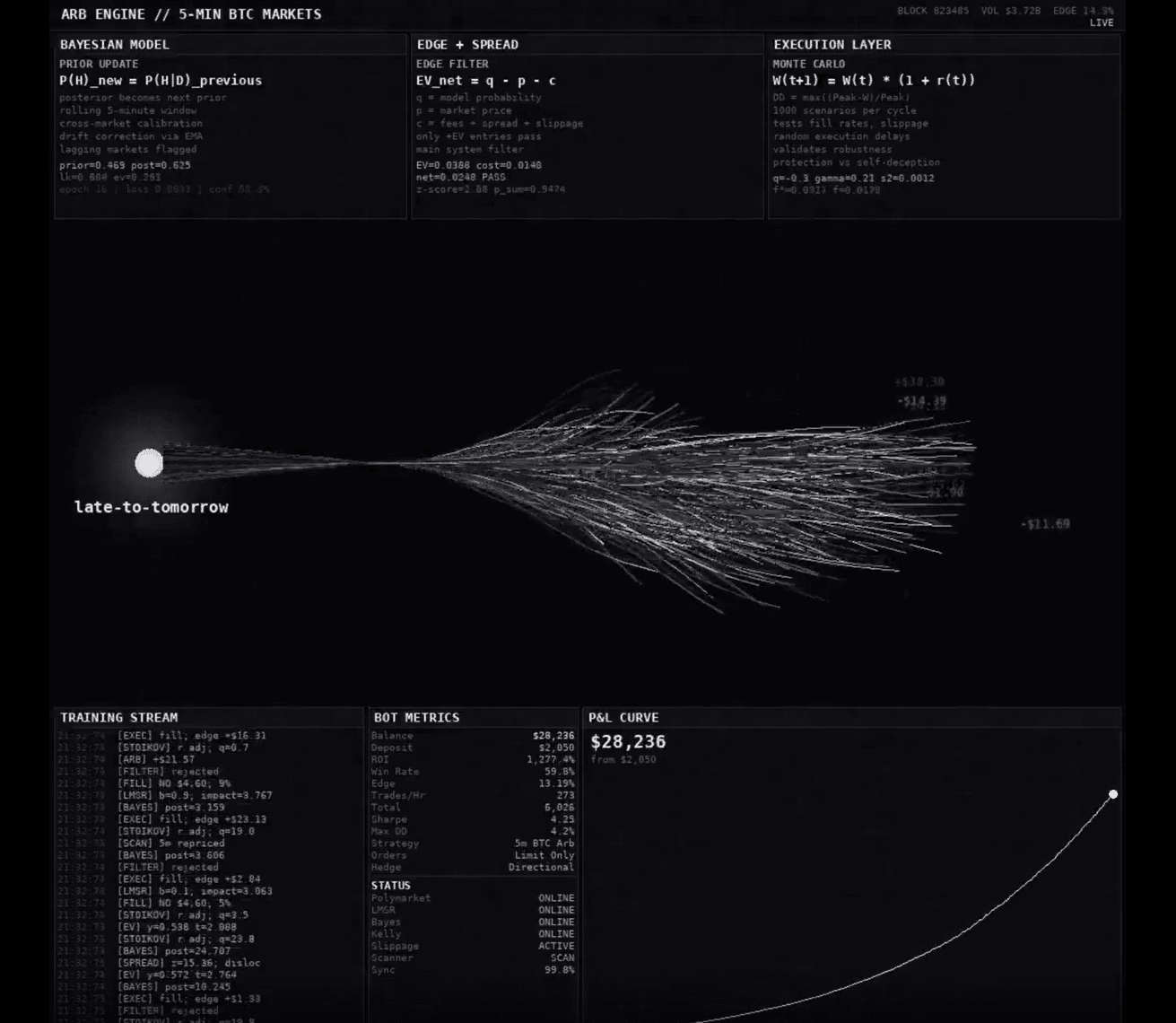
    Related reading: Claude Code and OpenClaw: Practical Automation Tools for Business Leaders, Reddit Post Highlights Potential of Automated Trading on Polymarket’s 5-Minute BTC Markets, and Anthropic Adjusts Claude Subscription to Exclude OpenClaw Usage.

  • Polymarket Insider Claim Sparks Debate on Prediction Markets’ Transparency

    Polymarket Insider Claim Sparks Debate on Prediction Markets’ Transparency

    A recent Reddit post claims that a Google insider was exposed on Polymarket after reportedly making over $1 million in a single day by betting on Google search markets.

    The post has drawn significant attention among investors and business leaders who follow emerging trends in prediction markets. Polymarket, a platform enabling users to trade on the outcomes of various events, including corporate developments and search trends, has become a hub for speculative insights. The claim that an insider with privileged knowledge of Google’s search operations profited extensively suggests that some participants may leverage non-public information to gain an advantage.

    This development has sparked a wider conversation about the integrity and transparency of decentralized prediction markets. While Polymarket’s design aims to crowdsource collective intelligence and democratize information, allegations of insider trading challenge that premise. For executives monitoring these platforms, the situation underscores the importance of understanding the potential risks and regulatory implications that could arise if insider activity is confirmed.

    Additionally, the episode highlights how automation tools like OpenClaw and AI assistants such as Claude could impact trading behaviors on platforms like Polymarket. These technologies can analyze vast data sets rapidly, possibly amplifying the influence of informed participants. Business operators should consider how automation might shift market dynamics and what governance measures might be necessary to maintain fairness.

    While the claim remains unverified and debated among users, it reflects the growing intersection of tech industry insiders, AI-driven analysis, and prediction market speculation. The discussion also raises questions about how companies like Anthropic, focused on advanced AI, might indirectly influence information flows that affect market betting on platforms like Polymarket.

    Executives and founders following these developments should watch for further updates and regulatory responses. The original conversation is ongoing on Reddit and X, where participants continue to analyze the implications of this high-profile claim.

    The alleged insider trading episode on Polymarket involving a Google employee highlights the complex challenges facing decentralized prediction markets as they grow in popularity among investors and business leaders. While these platforms aim to harness collective forecasting power, the possibility that participants with privileged information might exploit these markets raises questions about the need for enhanced oversight and governance mechanisms. For executives, this underscores the importance of distinguishing between genuine market signals and potentially distorted outcomes influenced by undisclosed data advantages.

    Moreover, the role of automation technologies such as OpenClaw and AI models like Claude cannot be overlooked in this context. These tools enable rapid analysis of large datasets and can amplify the speed and scale at which informed or semi-informed trades occur. This dynamic may increase market efficiency but also complicate efforts to detect and regulate insider-driven activity. Business operators should consider how these evolving technologies might reshape market behavior and the corresponding regulatory landscape, especially as platforms like Polymarket continue to attract attention from both retail and institutional participants.

    As the discussion continues on Reddit and X, industry observers and company leaders are advised to monitor developments closely. The outcome of this debate may influence how prediction markets are perceived and regulated in the future, particularly concerning transparency and fairness. Staying informed about the intersection of insider knowledge, AI-driven automation, and emerging market platforms will be critical for executives seeking to navigate these rapidly evolving digital ecosystems.

    Related reading: Claude Code and OpenClaw: Practical Automation Tools for Business Leaders, REJECT vs. AGELITE: Polymarket Insights and Automation Trends for April 6, 2026, and Anthropic Adjusts Claude Subscription to Exclude OpenClaw Usage.

  • Why Trump-Related Markets Continue to Drive Polymarket Engagement

    Why Trump-Related Markets Continue to Drive Polymarket Engagement

    Political developments linked to former President Donald Trump consistently sustain high engagement on Polymarket, highlighting the platform’s role as a dynamic hub for real-time political risk assessment.

    Polymarket, a leading prediction market platform, continues to see robust activity centered around Trump-related markets. These markets attract significant trading volume and user interest, driven largely by the unpredictable nature of political events and the high-profile stature of the former president. For executives and business operators, understanding the forces behind this sustained engagement provides insight into how headline risk and political developments influence market behavior.

    At the core of the interest in Trump-focused markets is the volatility and uncertainty inherent in political news cycles. Whether it’s court rulings, campaign announcements, or legislative developments, each event can quickly shift market sentiment. Polymarket users engage actively with these shifts, using the platform to hedge risk or speculate on outcomes that could have broader economic or regulatory implications.

    Speech markets, which track the likelihood of specific public statements or policy declarations, also contribute to the heightened activity. Given Trump’s history of impactful and sometimes unexpected public remarks, these markets offer a pulse on potential headline risks that can move financial and political landscapes. This makes Polymarket a valuable tool for executives needing to stay informed on emerging risks that may affect their strategic decisions.

    Furthermore, the platform’s ability to deliver near real-time data enhances its appeal. Unlike traditional polling or news sources, Polymarket’s prediction markets aggregate diverse opinions and react swiftly to new information. This immediacy helps executives gauge market sentiment around Trump-related events more effectively, facilitating timely responses to potential disruptions or opportunities.

    While automation technologies like OpenClaw play an increasing role within broader AI ecosystems—such as those involving Anthropic’s Claude—they currently have limited direct impact on Polymarket’s political prediction markets. However, as automation and AI integration evolve, there may be future opportunities to enhance market analysis and trading efficiency, potentially increasing the sophistication and reach of platforms like Polymarket.

    For business leaders, the persistent interest in Trump-related markets underscores the broader importance of political risk management. Platforms like Polymarket offer a window into collective expectations and probabilities that can inform strategic planning. Monitoring these markets can provide early warnings of shifts in the political environment that might affect regulatory frameworks, market sentiment, or consumer behavior.

    In summary, Polymarket’s Trump-related markets maintain their appeal due to the ongoing flux of political events, the value of speech prediction markets, and the platform’s real-time responsiveness. While automation and AI tools such as OpenClaw and Claude contribute to adjacent technology sectors, the core driver remains the dynamic political landscape and the demand for agile, data-driven insight. Executives looking to navigate complex political risks would benefit from keeping an eye on these market signals as part of a broader strategic toolkit.

    Polymarket’s sustained focus on Trump-related prediction markets reflects broader themes relevant to business leaders navigating today’s complex political environment. The platform’s ability to capture evolving market sentiment around political events underscores the growing importance of real-time data in managing strategic uncertainty. For executives, these markets are more than just speculative arenas; they offer actionable insights into how headline risks can influence regulatory landscapes, consumer behavior, and investor confidence. By closely monitoring the fluctuations in these markets, decision-makers can better anticipate potential shifts that might affect operational or financial planning.

    Moreover, the dynamic nature of Trump-related markets highlights the value of agility in information processing. Traditional sources often lag behind the rapid pace of political developments, but platforms like Polymarket provide a continuous feedback loop driven by a diverse user base. This immediacy can help businesses identify emerging risks or opportunities sooner, enabling more proactive responses. While technologies such as OpenClaw and AI systems like Anthropic’s Claude are advancing automation and data analysis capabilities, the human-driven insight embedded in prediction markets remains crucial for interpreting nuanced political signals that impact business strategy.

    As political headline risk continues to shape market behavior, incorporating data from prediction platforms into broader risk management frameworks may offer executives a more comprehensive perspective. By integrating Polymarket’s insights with traditional analysis, organizations can enhance their strategic foresight and resilience to political volatility. This approach aligns with a growing recognition that political dynamics are integral to global business risk profiles, necessitating tools that blend real-time market intelligence with expert judgment for informed decision-making.

    Related reading: Anthropic Adjusts Claude Subscription to Exclude OpenClaw Usage, REJECT vs. AGELITE: Polymarket Insights and Automation Trends for April 6, 2026, and Anthropic Executive Projects Cowork Agent Will Surpass Claude Code in Market Reach.

  • Polymarket Explained for Executives: A Practical Look at Prediction Markets

    Polymarket Explained for Executives: A Practical Look at Prediction Markets

    Polymarket provides a decentralized platform where users can trade on the outcome of future events, offering executives a fresh perspective on market expectations and risk assessment.

    In the evolving landscape of business intelligence, prediction markets like Polymarket are gaining attention from CEOs and founders looking for alternative ways to gauge market sentiment and forecast outcomes. Polymarket operates as a decentralized information market where participants can buy and sell shares tied to the likelihood of specific events occurring, ranging from political elections to economic trends and industry developments.

    At its core, Polymarket functions by aggregating the collective insights and expectations of its user base. Unlike traditional polling or expert analysis, it leverages real-money trading to incentivize accurate predictions. This mechanism often results in a dynamic and continuously updated marketplace that reflects the probability of various outcomes based on current information and sentiment.

    Executives and business operators find value in monitoring Polymarket because it can serve as an informal yet powerful barometer of public and investor expectations. For example, tracking market movements on policy changes, regulatory decisions, or even product launches can offer early signals that might not be immediately apparent through conventional channels. This insight can inform strategic planning, risk management, and competitive intelligence.

    Moreover, the platform’s decentralized nature means it operates with fewer intermediaries and potentially more transparency than traditional prediction methods. This can be particularly appealing for businesses focused on automation and efficiency, as platforms like Polymarket illustrate how blockchain technology and smart contracts can streamline information exchange and reduce friction in market forecasting.

    While Polymarket itself is distinct from AI tools such as Claude developed by Anthropic, there is a growing intersection between prediction markets and automation technologies. Executives tracking innovations in both areas, including OpenClaw’s advancements in operational automation, may find opportunities to integrate predictive insights with AI-driven workflows to enhance decision-making processes.

    It is important for business leaders to approach Polymarket as one of several tools for gathering market intelligence, rather than a standalone solution. The platform provides a unique, crowd-sourced perspective that complements traditional analytics but should be considered alongside broader data and expert judgment.

    In summary, Polymarket offers executives a practical way to monitor collective expectations about future events through a decentralized, incentive-driven market model. Its relevance is amplified in an era where automation and AI tools like Claude and OpenClaw are reshaping how businesses analyze data and anticipate change. Staying informed about developments in prediction markets can help executives better navigate uncertainty and seize emerging opportunities.

    For executives navigating complex and rapidly changing markets, Polymarket represents a novel tool that complements traditional forms of market research and forecasting. By tapping into the collective intelligence of a diverse participant base, the platform offers a real-time pulse on how various scenarios are perceived to unfold. This capability is especially relevant for leaders who must anticipate regulatory shifts, geopolitical risks, or emerging industry trends that are difficult to quantify through standard analytics. The transparent and decentralized design of Polymarket reduces reliance on single-source opinions, potentially leading to more balanced and nuanced insights.

    Furthermore, the integration of automation technologies like OpenClaw can enhance the practical utility of platforms like Polymarket for business operators. OpenClaw’s focus on streamlining operational workflows may intersect with prediction market data by enabling automated responses to identified risks or opportunities. For example, an enterprise could combine sentiment signals from Polymarket with internal data systems, triggering predefined actions such as adjusting supply chain strategies or reallocating resources based on emerging probabilities. This approach exemplifies how decentralized market intelligence and process automation can work together to improve agility and decision quality in fast-moving business environments.

    While Polymarket and AI-driven tools like Claude from Anthropic operate in distinct domains, their complementary strengths highlight a broader trend toward leveraging diverse data sources and intelligent automation in executive decision-making. Leaders who remain informed about these evolving technologies may find new ways to integrate predictive insights with AI-powered analysis and operational efficiencies. As these platforms continue to mature, they offer promising avenues for enhancing strategic foresight and maintaining competitive advantage in an increasingly uncertain global landscape.

    Polymarket’s influence extends beyond simple forecasting; it represents a shift toward more democratized and real-time data synthesis that can impact corporate strategy and market positioning. By capturing the collective expectations of a diverse participant base, the platform offers a nuanced understanding of risk factors and emerging trends that traditional analytics might overlook. For executives, this means having an additional tool to complement internal data and expert opinions when evaluating uncertain scenarios or planning for contingencies.

    Furthermore, the integration of automation technologies, exemplified by developments from OpenClaw, alongside platforms like Polymarket, points to a future where decision-making processes become increasingly streamlined. The potential to combine automated data gathering with decentralized prediction insights could enhance agility and responsiveness in fast-moving markets. As automation reduces manual overhead and Polymarket provides a continuously updated sentiment gauge, executives are positioned to react more swiftly and with greater confidence to evolving conditions.

    While Polymarket operates independently from AI models such as Claude by Anthropic, the convergence of these technologies is noteworthy for business leaders. AI-driven analysis can help interpret the complex data generated by prediction markets, making it more actionable. As these tools mature and interconnect, executives might expect improved capabilities for scenario planning and strategic forecasting, ultimately supporting more informed and resilient business decisions in an increasingly uncertain global environment.

    Related reading: Claude Code CLI Source Code Leak Raises Concerns for Anthropic and Industry, Anthropic Executive Projects Cowork Agent Will Surpass Claude Code in Market Reach, and Here’s What the Claude Code Leak Reveals About Anthropic’s Strategic Direction.

  • Polymarket Brings Prediction Markets to Life with Situation Room Pop-Up Bar in DC

    Polymarket Brings Prediction Markets to Life with Situation Room Pop-Up Bar in DC

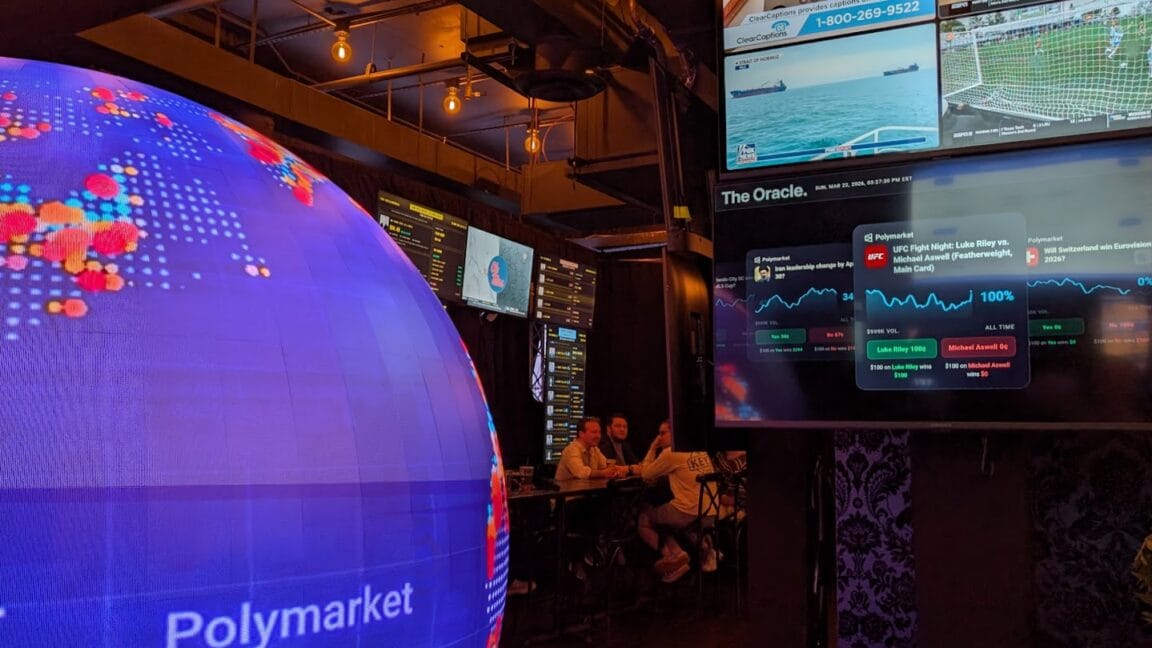
    Polymarket’s new pop-up bar in Washington, DC, offers a unique venue where real-time prop bets meet in-person interaction, reflecting the growing appetite for prediction markets among executives and policymakers.

    Polymarket, a leading prediction market platform, recently unveiled its “Situation Room” pop-up bar in Washington, DC, marking a novel approach to blending social engagement with real-time prop betting. This initiative reflects Polymarket’s strategy to deepen its foothold in the capital’s business and political circles by providing an experiential space where guests can discuss and wager on current events in a lively atmosphere.

    The Situation Room pop-up bar serves as an in-person extension of Polymarket’s digital platform, allowing users to engage with real-world events through prop bets while networking with peers. This physical presence is particularly notable given the traditional online nature of prediction markets, signaling the company’s ambition to bridge digital innovation with tangible experiences. For executives and founders, this represents an interesting intersection of technology, data-driven decision-making, and social engagement.

    From a business standpoint, Polymarket’s move to create a dedicated venue for its prediction markets in DC could enhance its brand visibility and credibility among policymakers and influencers. It also highlights a broader trend of bringing automation and data analytics, often associated with platforms like Claude and OpenClaw, into more accessible and interactive formats. By creating a space that encourages dialogue and wagers on geopolitical and economic developments, Polymarket is positioning itself as a practical tool for real-time insights and risk assessment.

    The implications for business operators are significant. Prediction markets like Polymarket’s enable participants to aggregate diverse information and sentiment, potentially offering more accurate forecasts than traditional methods. The Situation Room setting can facilitate deeper conversations about market-moving events, enhancing executives’ ability to decode complex signals in an increasingly automated and data-driven environment. This is particularly relevant as automation technologies continue to evolve, with AI assistants like Claude and OpenClaw reshaping how organizations analyze information and make decisions.

    While the pop-up bar is a temporary venture, its presence in the nation’s capital underscores the increasing relevance of prediction markets in strategic planning and competitive intelligence. For leaders, engaging with platforms like Polymarket could provide an edge in anticipating regulatory changes, market shifts, and geopolitical risks. Additionally, the social and interactive nature of the Situation Room can foster stronger networks among professionals who rely on timely and accurate information.

    Polymarket’s Situation Room exemplifies how innovative companies are leveraging both technology and human interaction to create value. As automation and AI continue to transform business landscapes, the integration of real-time prediction markets into executive workflows may become increasingly common. This development invites business leaders to consider how such tools can complement their existing analytics and decision-making processes.

    In sum, the Situation Room pop-up bar reflects Polymarket’s pioneering approach to prediction markets by making them more accessible and engaging for a sophisticated audience. For CEOs and founders, it offers a glimpse into how emerging technologies and formats can enhance strategic foresight and operational agility in a complex world.

    Polymarket’s innovative approach to prediction markets through its “Situation Room” pop-up bar in Washington, DC, signals a strategic effort to merge digital forecasting with face-to-face engagement among key decision-makers.

    By establishing a physical venue in the nation’s capital, Polymarket is tapping into an environment rich with policymakers, lobbyists, and business leaders who rely on timely, data-driven insights. This initiative transcends the conventional online interface of prediction markets by fostering a dynamic space where attendees can not only place prop bets on unfolding geopolitical and economic events but also engage in meaningful conversations that deepen their understanding of market signals. For executives and founders, this creates a unique opportunity to integrate real-time data analytics with networking, potentially informing more nuanced strategic decisions.

    Moreover, the Situation Room reflects a broader trend in automation and predictive technologies, paralleling advancements seen in platforms like Claude and OpenClaw. These tools emphasize the increasing role of AI-driven analysis in interpreting complex global developments. Polymarket’s experiential pop-up underscores the growing demand for accessible, interactive formats that translate automated data into actionable intelligence. For business operators, such environments may enhance their ability to anticipate risks and opportunities by aggregating diverse perspectives and market sentiments in a collaborative setting, complementing traditional forecasting methods and enriching executive decision-making processes.