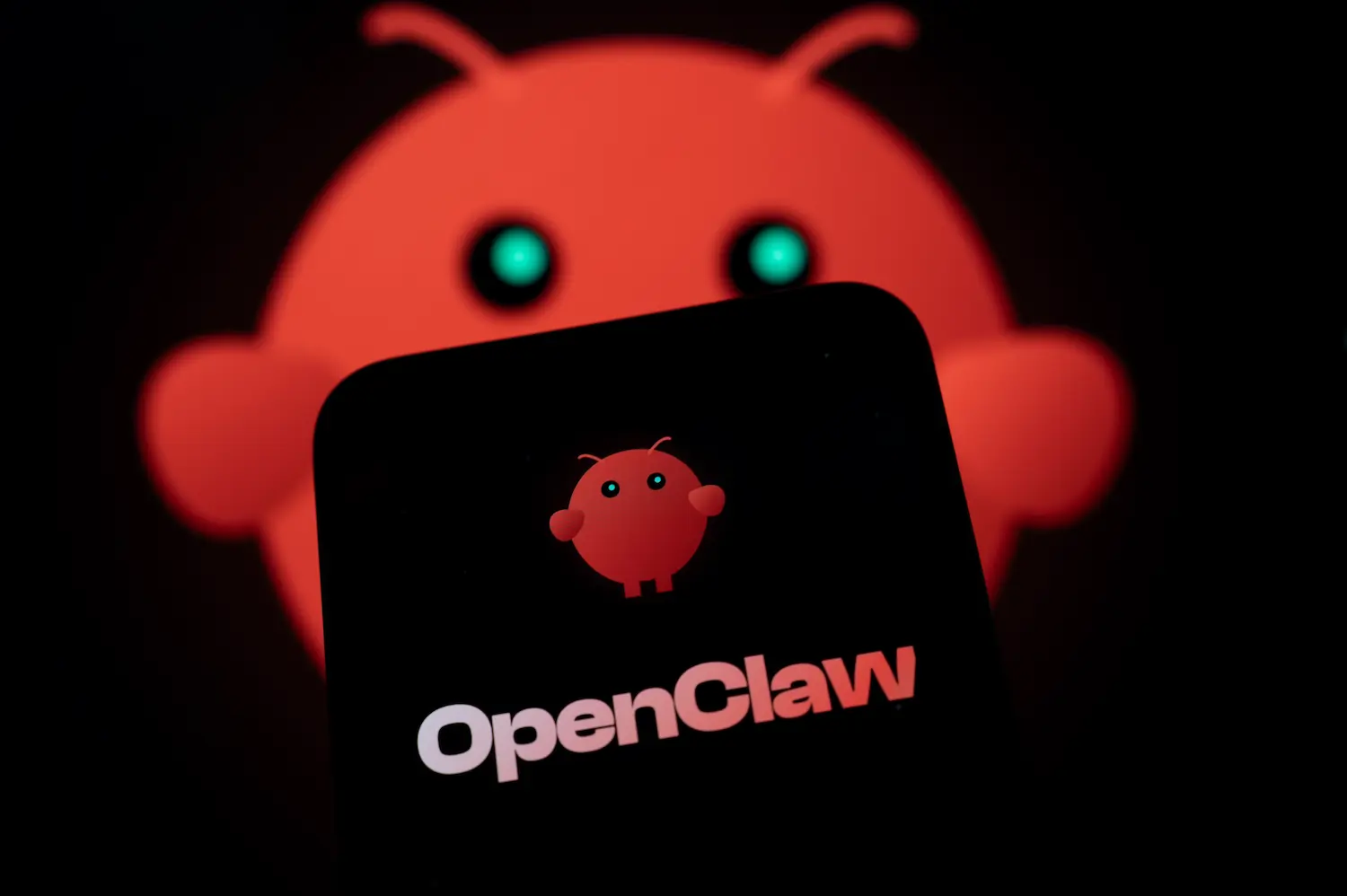
SAP has announced a decisive move to block OpenClaw and other unauthorized AI agents, signaling a growing concern over compliance and governance in the AI sector.
On May 4, 2026, SAP made headlines by taking steps to restrict the use of OpenClaw and similar AI platforms that operate without authorization. This action reflects the increasing scrutiny that organizations face regarding the deployment of AI technologies, particularly those that may not align with established compliance frameworks.
The rise of AI agents like OpenClaw has prompted significant debate about their role in business operations. While these agents offer automation and efficiency, their unauthorized nature raises questions about data security, compliance, and ethical considerations. SAP’s decision to block such agents is a clear indication that companies must prioritize governance when integrating AI into their business processes.
As businesses increasingly rely on AI for various functions, including customer service and analytics, the need for robust governance frameworks becomes paramount. Unauthorized AI agents can pose risks not just to individual companies, but to entire ecosystems. SAP’s proactive stance serves as a reminder that organizations should conduct thorough due diligence when selecting AI tools and platforms.
The implications of SAP’s actions extend beyond the immediate blocking of OpenClaw. This move may signal a broader trend in the industry, where established companies take a stand against unauthorized AI agents to protect their interests and maintain a competitive edge. As businesses face mounting pressure to comply with regulations and safeguard sensitive information, the demand for vetted, compliant AI solutions is likely to grow.
Furthermore, SAP’s initiative could impact the market dynamics surrounding AI automation platforms. As companies seek to align with trusted providers, there may be a shift in user preferences towards more regulated and compliant AI solutions. This trend could lead to a consolidation of the market, where only those platforms that adhere to strict governance standards will thrive.
Looking ahead, the next 6 to 12 months are likely to see a ripple effect as organizations reassess their AI strategies in light of SAP’s actions. Businesses will need to evaluate not only the capabilities of AI agents but also their compliance with governance standards. This shift will likely encourage innovation in developing AI solutions that prioritize ethical considerations and regulatory compliance, paving the way for a more secure and responsible use of AI in business.
In conclusion, SAP’s move to block OpenClaw and other unauthorized AI agents underscores the critical importance of compliance and governance in the AI landscape. As the industry evolves, organizations will need to adapt their strategies to prioritize ethical use and regulatory adherence in their AI deployments.
SAP’s decisive action against OpenClaw and similar unauthorized AI agents underscores a critical shift in the corporate landscape regarding AI adoption. As businesses increasingly leverage AI technologies, the importance of compliance and governance becomes evident. Unauthorized AI platforms can introduce vulnerabilities that not only jeopardize data security but also compromise the integrity of business operations. This growing awareness among industry leaders signifies a broader movement toward responsible AI usage, where adherence to regulatory frameworks is no longer optional but essential for sustainable growth.
The implications of SAP’s stance may ripple through various sectors, as companies reassess their AI strategies in light of potential legal and reputational risks. For instance, organizations that have previously embraced automation through unauthorized agents may now face pressure to reevaluate those decisions. This shift could lead to increased investments in vetted AI solutions, as the demand for transparency and accountability in AI deployment rises. Consequently, firms that prioritize compliance are likely to gain a competitive advantage, positioning themselves as trustworthy partners in an increasingly scrutinized marketplace.
Strategic Outlook: Over the next 6 to 12 months, we can expect heightened regulatory focus on AI technologies, prompting businesses to adopt stricter governance measures. This shift may catalyze a market consolidation, where only those AI platforms demonstrating robust compliance and ethical standards endure. Moreover, as organizations navigate these new complexities, the role of established players like SAP will be pivotal in shaping industry standards and best practices. The emphasis on compliant AI solutions could lead to a transformation in how automation is approached, ultimately fostering a more secure and responsible AI ecosystem.
SAP’s recent decision to block OpenClaw and other unauthorized AI agents is not merely a protective measure but a strategic response to a rapidly evolving market landscape. As organizations increasingly integrate automation into their operations, the need for compliance and governance has never been more critical. This action may compel businesses to reevaluate their current AI tools and partnerships, fostering a culture of accountability and transparency. Companies that previously relied on unauthorized agents could find themselves at a significant disadvantage, especially as regulatory frameworks tighten and the demand for ethical AI solutions escalates.
The implications of SAP’s initiative extend beyond immediate compliance concerns; they suggest a potential reshaping of market dynamics within the AI sector. As businesses prioritize compliant and vetted AI solutions, platforms that fail to meet governance standards may struggle to maintain relevance. This shift could lead to a more concentrated market, with a few providers emerging as leaders in trusted AI automation. Such a scenario could also affect investment strategies, as stakeholders seek to support companies that demonstrate a commitment to ethical practices and regulatory adherence.
Strategic Outlook: Over the next 6 to 12 months, we anticipate that the demand for compliant AI solutions will intensify, prompting a consolidation of the market. Companies will likely focus on partnerships with established providers, favoring those with robust governance frameworks. Furthermore, as organizations grapple with the implications of unauthorized AI agents, we expect an increase in collaborative efforts to establish industry standards that ensure both innovation and compliance. As this landscape evolves, business leaders must remain vigilant and proactive in their approach to AI integration to maintain their competitive edge.
Source: marketscreener.com.
Related reading: Enhancing Hermes: Competing with ChatGPT and Claude, The Future of Claude: A Shift Away from Pro Users, and Study Reveals Price Setting Dynamics on Polymarket Favoring Elite Users.
Leave a Reply