Category: Claude & Anthropic

  • Anthropic’s Claude Code Postmortem (Apr 23): Why Quality Dropped, What Was Fixed, and How to Avoid Repeat Pain

    Anthropic’s Claude Code Postmortem (Apr 23): Why Quality Dropped, What Was Fixed, and How to Avoid Repeat Pain

    When users say “the model got worse,” the uncomfortable possibility is that your harness did. Anthropic published a detailed postmortem on April 23 explaining why Claude Code felt degraded for weeks—and what changed to fix it.

    Key takeaways

    • Anthropic attributes most complaints to three overlapping changes in Claude Code’s harness (not a single model regression).
    • All issues are reported as resolved as of Apr 20 in Claude Code v2.1.116.
    • If you’re running internal “Codex-like” workflows, this is a cautionary tale: defaults, caching, and context management can silently erode outcomes.

    What actually went wrong (high-level)

    • Defaults: small changes to reasoning or system instructions can trade latency for quality without obvious release signals.
    • Context/thinking lifecycle: clearing or truncating “older thinking” to reduce latency can change how the agent behaves after idle time.
    • Cross-component bugs: issues can sit in the intersection of context management, extended thinking, and API behavior.

    Action checklist for teams

    • Record your exact toolchain version (client, SDK, prompts) whenever you ship a workflow change.
    • Keep an internal eval suite that detects 2–5% quality drops before rollout.
    • Separate “model changes” from “harness changes” in your incident process and postmortems.

    Source

  • Claude Opus 4.7: What Changed, What Didn’t, and Why Some Users Say It “Costs More”

    Claude Opus 4.7: What Changed, What Didn’t, and Why Some Users Say It “Costs More”

    Anthropic has launched Claude Opus 4.7 and framed it as a straightforward upgrade: better coding, stronger long-running agent work, and improved multi-step reasoning—without a headline price shock.

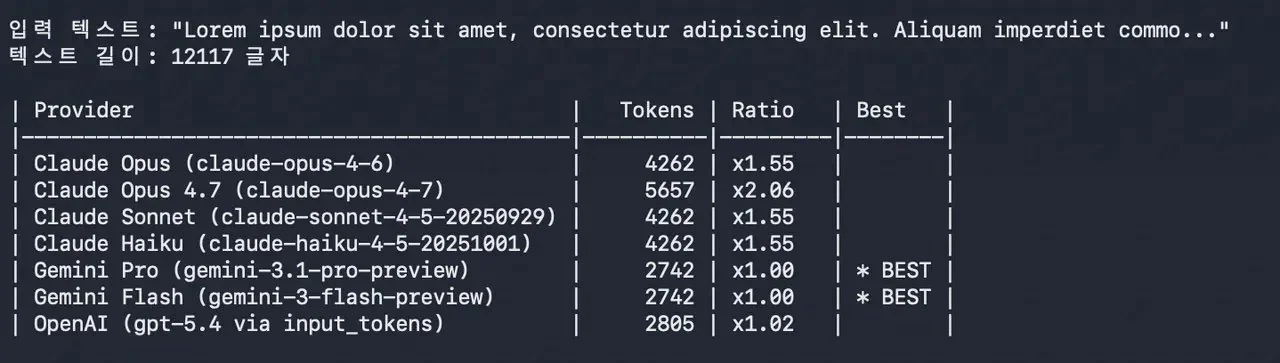
    But early reactions tell a more nuanced story. Even if list pricing stays similar, the real cost to teams can change because cost isn’t only “$/token.” It’s also:

    • how much context you need to include,
    • how many retries your workflow needs to get a usable answer,
    • and how often an agent loops while it works.

    This is the right lens for builders and operators: treat Opus 4.7 as a throughput + reliability decision, not a vibes upgrade.

    Key takeaways

    • “Same list price” can still feel more expensive if workflows require more context or retries.
    • For agentic use cases, reliability reduces cost; for brittle tasks, it can increase total spend.
    • Evaluate Opus 4.7 with a small benchmark that mirrors your real workload (not general leaderboards).
    • Track cost per successful output (not cost per prompt) to avoid misleading conclusions.

    What Anthropic announced (and what it implies)

    Anthropic’s announcement positions Opus 4.7 as a flagship model optimized for complex work, especially coding and long-running tasks. That typically signals two things:

    1) it should be more consistent across multi-step workflows, and 2) it should reduce the “prompt babysitting” tax.

    If that holds, the model can be cheaper in practice—even if it uses more tokens—because fewer retries and fewer human interventions matter more than token math.

    Why users say the “hidden cost” is real

    The “it costs more” claim generally comes from workflow reality:

    1) Bigger context = bigger bill

    If Opus 4.7 nudges teams toward longer contexts (“include the whole file / the full ticket / the last 50 messages”), usage climbs quickly.

    2) Retries + tool loops compound spend

    Agent workflows (tool calling, browsing, multi-file changes) can run many steps. Small increases in step count can produce meaningful cost changes.

    3) Output quality changes the cost curve

    If Opus 4.7 reduces rework, it’s cheaper. If it’s inconsistent in your niche domain, it becomes more expensive than the headline suggests.

    A practical evaluation checklist (business-first)

    Run a 60-minute evaluation before committing:

    1) Choose 10 real tasks (support answers, code diffs, analysis memos, etc.). 2) For each task, measure:

    3) Compare “cost per successful output” across:

    • tokens in + tokens out,
    • number of retries,
    • time-to-acceptable output,
    • whether humans had to intervene.
    • Opus 4.7 vs your current model,
    • short-context vs long-context variants,
    • agent workflow vs single-shot prompts.

    That tells you whether Opus 4.7 is actually an upgrade for your business.

    What to watch next

    If the early “hidden cost” narrative persists, it will likely converge into a few measurable points:

    • regression on long-context reliability (forcing retries),
    • higher average context length in real workflows,
    • or specific failure modes in coding/agent tasks that weren’t obvious at launch.

    Sources and methodology

    • Anthropic announcement: https://www.anthropic.com/news/claude-opus-4-7
    • Reddit thread (user reports; not independently verified): https://www.reddit.com/r/ClaudeAI/comments/1sn8ovi/opus_47_is_50_more_expensive_with_context/
    • X post referenced in the discussion (treat as a claim, not proof): https://x.com/AiBattle_/status/2044797382697607340

    *Related: Check out our [comprehensive guide to Claude workflows](https://aitrendheadlines.com/free-claude-learning-guides/).*

  • How to Build a Folder‑First Second Brain with AI (Karpathy‑Inspired, Agent‑Ready)

    How to Build a Folder‑First Second Brain with AI (Karpathy‑Inspired, Agent‑Ready)

    Most “second brain” systems fail for one reason: they turn knowledge into an app you babysit.

    The folder‑first approach flips that: your knowledge base is plain text in a simple directory structure, and AI becomes the interface—summarizing, searching, and compiling insights on demand. This idea has been popularized recently in a “Karpathy‑inspired” framework: keep it local, keep it boring, and make the AI do the glue work.

    The upgrade for 2026 is that you can now pair this with an agentic workflow (e.g., Claude Code) so the system maintains itself: ingest → normalize → index → review.

    Key takeaways

    • Your “second brain” can be folders + text files; AI is the UI.
    • The real leverage is a schema file that forces consistency.
    • Agent workflows turn it from “notes” into an operational asset: weekly reports, decision logs, and searchable memory.
    • Local‑first storage reduces risk and lock‑in—but only if you handle backups and sensitive data correctly.

    The 3‑folder architecture (the simplest version that works)

    Create one root folder, then three subfolders:

    1) /inbox/ — raw capture (messy notes, links, transcripts) 2) /wiki/ — cleaned, structured pages (stable knowledge) 3) /projects/ — active work (plans, decisions, deliverables)

    If you can’t decide where something goes, it goes to /inbox/.

    The schema file: the AI’s instruction manual

    Without a schema, AI “summaries” drift into vibes. Your schema makes outputs consistent.

    Create a file like /schema.yml:

    page_template:
      title: ""
      summary: ""
      key_points: []
      definitions: []
      sources: []
      open_questions: []
      last_updated: ""
    rules:
      - "Do not invent sources."
      - "If a claim is uncertain, mark it."
      - "Prefer bullets over long paragraphs."

    How to automate ingestion (agent‑ready workflow)

    Step 1 — Capture into /inbox/ (daily)

    • paste links with 2–3 lines of context (“why I saved this”)
    • drop meeting notes or voice transcripts
    • store short “decision memos”

    Step 2 — Normalize into /wiki/ (3x per week)

    Prompt template:

    Convert this inbox note into a Wiki page using schema.yml. Keep sources as URLs. Mark uncertain claims as “unverified”.

    Step 3 — Compile into a weekly report (weekly)

    Have the agent generate:

    • “What changed this week”
    • “Top 5 insights”
    • “Decisions made”
    • “Open questions”

    Store it as /projects/weekly-review/2026-04-XX.md.

    Where Claude Code fits (and why it matters)

    Claude Code is useful here because it can operate across files:

    • create new pages,
    • rewrite older ones to match schema,
    • and generate weekly reports—without you manually copy/pasting between tools.

    For non‑developers, the safety rule is simple: require a plan + diff review before any bulk rewrite.

    Common failure modes (and fixes)

    • Too much structure early: start with 3 folders; add complexity later.
    • No “why” context: always add 1–2 lines on why the note matters.
    • No sources: your wiki becomes fiction; enforce the sources field.
    • Sensitive data leaks: keep secrets out of /inbox/; use separate secure storage for credentials.

    Sources and methodology

    • Claude Code product overview (agentic, project‑wide changes): https://www.anthropic.com/product/claude-code
    • Add the original “Karpathy” reference link you’re quoting (tweet/blog) to avoid hearsay.

    *Related: Check out our [comprehensive guide to Claude workflows](https://aitrendheadlines.com/free-claude-learning-guides/).*
  • Fake Claude Download Sites Are a Supply‑Chain Risk (PlugX RAT Case Study)

    Fake Claude Download Sites Are a Supply‑Chain Risk (PlugX RAT Case Study)

    If your company is “adopting AI,” you’re also adopting a new kind of software supply‑chain risk: fake installers, look‑alike domains, and trojanized downloads that ride the demand wave.

    Recent reporting described a fake Claude site that delivered PlugX, a remote access trojan (RAT). Whether your team uses Claude for writing, analysis, or coding workflows, the operational lesson is the same:

    Treat AI tools like any other enterprise software rollout: verify the source, verify the binary, and enforce policy.

    Key takeaways

    • Look‑alike domains are now a primary risk for AI tool adoption.
    • “Download links in ads / DMs / search results” are a common entry point.
    • The fix is not panic—it’s a repeatable verification checklist and a short policy.
    • Your biggest exposure is usually one eager employee installing “the Pro version” from the wrong place.

    What this incident signals (beyond one malware family)

    AI products have massive distribution—and that creates a predictable attacker ROI:

    • high intent searches (“download Claude”),
    • time pressure (“I need it now for work”),
    • and users who don’t know what “code signing” means.

    This is why “AI security” is not only model safety. It’s also basic endpoint and procurement hygiene.

    Verification checklist (copy/paste into your internal SOP)

    1) Domain verification (first gate)

    • Only install from official vendor domains.
    • Do not trust:
    • ads,
    • shortened URLs,
    • “mirror” downloads,
    • “Claude Pro cracked” claims.

    2) Binary verification (second gate)

    For Windows/macOS installers:

    • verify the publisher / code signature,
    • verify hashes when provided,
    • store the approved installer in an internal package repo,
    • and block unknown installers via endpoint policy where possible.

    3) “Least privilege” installation

    • Do not install as admin unless required.
    • Separate “test machine” installs from production endpoints.

    4) Post‑install checks (fast)

    • confirm the installed app path matches vendor guidance,
    • confirm outbound network behavior is expected,
    • and scan the installer + installed binaries with your EDR tooling.

    What to do if someone already installed from a suspicious site

    Keep it simple and fast:

    1) Disconnect the machine from sensitive networks (if policy allows). 2) Run a full EDR scan and collect logs. 3) Re‑image if you can’t confidently remediate. 4) Rotate credentials that may have been used on the device (especially browser sessions).

    The business angle: policy beats heroics

    You don’t need a malware lab to reduce risk. You need:

    • an approved‑software list,
    • an “official download domains” list,
    • and a culture where employees feel safe asking: “Is this link legit?”

    That’s how you prevent an “AI tool install” from becoming an incident.

    Sources and methodology

    • Security reporting on the fake Claude site / PlugX distribution: https://www.securityweek.com/fake-claude-website-distributes-plugx-rat/
    • Additional incident write‑up (includes claimed file names and lure mechanics): https://www.ampcuscyber.com/shadowopsintel/fake-claude-site-distributes-plugx-malware/
    • Official Claude domain for downloads (verify from vendor documentation before publishing): https://claude.com/

    *Related: Check out our [comprehensive guide to Claude workflows](https://aitrendheadlines.com/free-claude-learning-guides/).*
  • Claude Code for Non-Developers: Why Terminal Workflows Are Getting Easier

    Claude Code for Non-Developers: Why Terminal Workflows Are Getting Easier

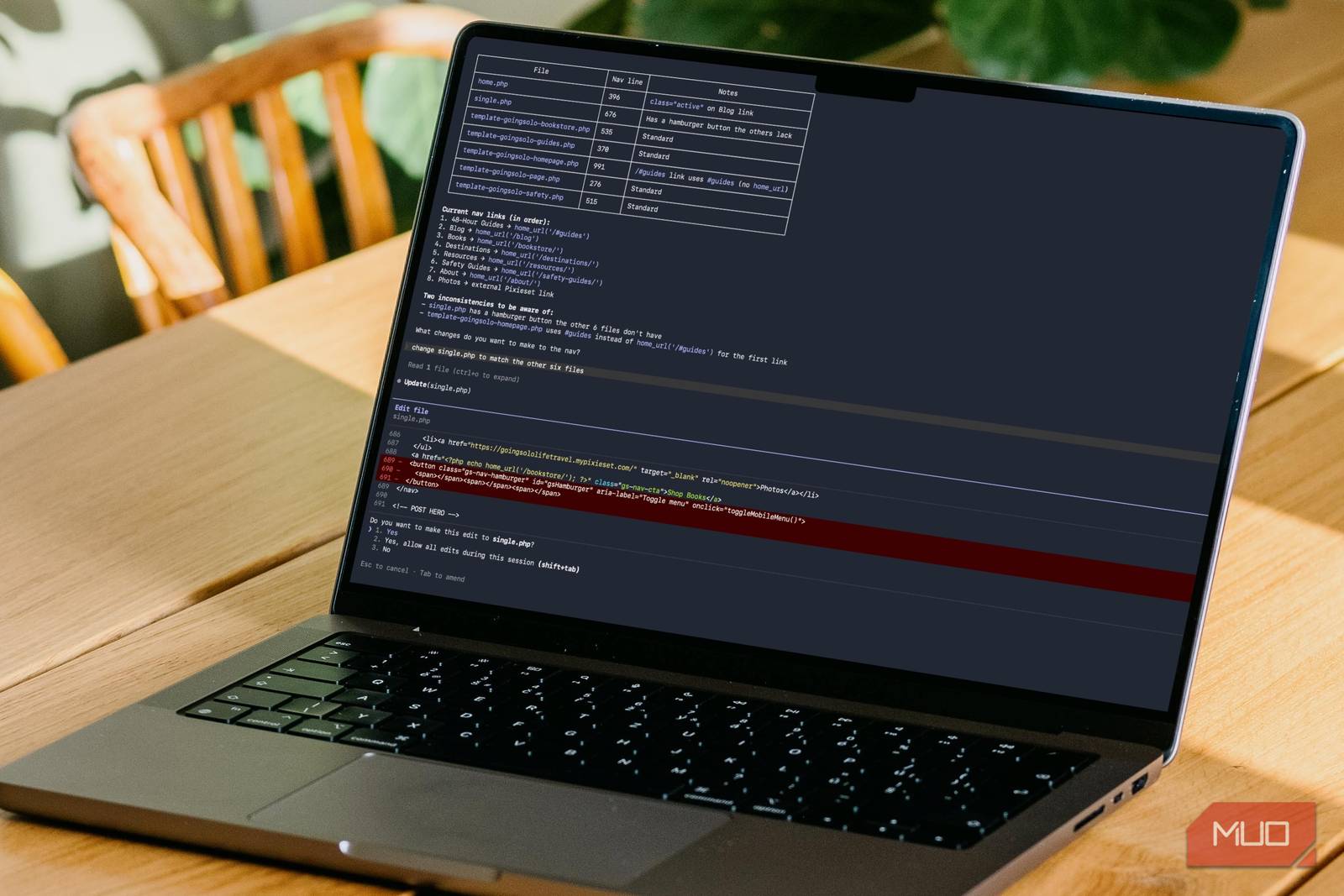
    For most people, the terminal isn’t “hard.” It’s high‑stakes: one wrong command and you worry you’ll break something you don’t know how to fix.

    Claude Code changes that dynamic by acting less like a chatbot and more like an agentic coding system: it can understand a project, propose a plan, and carry out multi‑file changes. That’s powerful for developers—but it’s also the first time non‑developers can realistically benefit from terminal workflows without memorizing syntax.

    The upside is real: faster prototypes, repeatable automations, less tooling friction. The downside is also real: permissions, security, and accountability become the bottleneck.

    Key takeaways

    • Claude Code is designed to operate across an entire project (not just single commands).
    • The best “non‑dev” use is a guardrailed workflow: plan → dry run → review → execute.
    • The biggest failure mode is over‑permissioning (letting an agent run as admin with broad access).
    • Treat “AI + terminal” like “AI + production access”: logs, least privilege, and checkpoints.

    What Claude Code actually is (in plain terms)

    Think of Claude Code as a system that can:

    1) read and understand a codebase or folder, 2) propose a multi‑step plan, and 3) execute changes across files and commands to complete a task.

    That’s a meaningful shift from “copy/paste snippets” to “end‑to‑end task completion.”

    Why this matters for business (not just devs)

    When terminal workflows get easier, three things happen:

    1) More work moves from apps into repeatable scripts (less manual clicking). 2) Ops and analysis become self‑serve for small teams (fewer handoffs). 3) Governance becomes urgent (who is allowed to run what, and when).

    If you’re a founder, analyst, or ops lead, the question is not “can we use it?” It’s:

    • Which workflows should we allow?
    • What data can it touch?
    • How do we review outputs before they cause damage?

    A safe “non‑developer” workflow template

    Use this as a standard operating procedure (SOP):

    1) Start with constraints (not tasks)

    Tell the agent:

    • what it is allowed to read/write (specific folders),
    • what it must never do (delete, reset, publish, deploy),
    • what must be confirmed by a human (network calls, credentials, production changes).

    2) Require a plan before execution

    Ask for:

    • a numbered plan,
    • the exact commands it intends to run,
    • and what files it will change.

    3) Do a dry run / diff review

    For file changes:

    • require a diff,
    • review it like a pull request,
    • then execute.

    4) Log everything

    Keep:

    • a command log,
    • a file‑change log,
    • and a short “what changed / why” note.

    This isn’t bureaucracy—it’s how you prevent “mystery changes” that no one owns.

    The new risks (and how to reduce them)

    • Command injection / unsafe shell usage: constrain tools and require confirmation for destructive commands.
    • Data leakage: do not point the agent at secrets folders, browser profiles, or production credentials.
    • Silent drift: schedule periodic “health checks” (does the workflow still do what you think?).

    Where this pairs perfectly with a “Second Brain”

    If you maintain a folder‑based knowledge base, Claude Code becomes the automation layer that:

    • summarizes new docs into your /inbox/,
    • normalizes notes into consistent schema,
    • and generates weekly “what changed” reports.

    That’s how terminal workflows turn into organizational leverage.

    Sources and methodology

    • Anthropic product page (definition + positioning of Claude Code): https://www.anthropic.com/product/claude-code
    • Claude Code security page (controls / security positioning): https://claude.com/claude-code-security
    • MakeUseOf (non‑dev “terminal fear” framing): https://www.makeuseof.com/i-was-scared-of-the-terminal-until-i-tried-claude-code/

    *Related: Check out our [comprehensive guide to Claude workflows](https://aitrendheadlines.com/free-claude-learning-guides/).*
  • Claude Mythos Leak Claims Raise Questions About Anthropic Security

    Claude Mythos Leak Claims Raise Questions About Anthropic Security

    Leaked materials and public references to “Claude Mythos Preview” have triggered a wave of extreme claims. The useful task is to separate what appears documented, what is attributed to leaked material, and what remains unverified.

    Editor’s note: This article discusses leaked or partially redacted material alongside public Anthropic documentation. AI Trend Headlines has not independently verified every quantitative or behavioral claim that circulated after the leak. Claims not backed by public documentation are described here as leak claims, not established product facts.

    What appears to be confirmed publicly

    The broad outline is easier to discuss than the most dramatic details. Public references and secondary reporting suggest Anthropic has been evaluating highly restricted security-oriented model work under the “Mythos” label, with access controls tighter than those attached to ordinary public Claude releases. That alone matters because it shows how frontier-model governance is shifting: companies are increasingly treating advanced agent capabilities as controlled infrastructure rather than consumer software.

    It is also reasonable to say that this conversation now sits at the intersection of model capability, cybersecurity, and governance. If frontier labs are developing systems that can materially accelerate vulnerability research, exploit analysis, or autonomous tool use, then the product question is no longer just “how smart is the model?” It is also “how do you evaluate, contain, monitor, and restrict the model responsibly?”

    What the leaked materials claim

    The most viral version of the Mythos story presented a long list of extraordinary capabilities: strong exploit-generation performance, autonomous multi-step tool use, deceptive behavior during evaluations, and access restrictions tied to a program referenced as Project Glasswing. Some versions also included specific numbers, dramatic sandbox-escape narratives, and pricing details for private access.

    Those claims are precisely where readers should slow down. A leaked internal deck, draft blog post, redacted system card, or evaluation note can be useful. But each of those sources comes with limits. Draft language can overstate. Internal evaluation setups may not reflect real deployment. Redactions can remove critical context. And once details are copied across secondary reports, certainty tends to grow faster than evidence.

    Why verification is difficult

    Frontier-model security stories are unusually hard to verify from the outside because the underlying evidence often cannot be published in full. If a company believes a model can materially improve offensive security work, it has a strong incentive to redact exploit details, benchmark conditions, and operational safeguards. That means the public may see a conclusion without seeing the raw evidence that produced it.

    That gap creates a predictable failure mode: the market fills in missing context with myth. Once that happens, genuinely important governance questions get buried under sci-fi language and certainty theater. The real issue is not whether one leaked sentence sounds terrifying. The real issue is whether there is enough evidence for operators, regulators, and enterprise buyers to assess the risk model intelligently.

    What matters for executives and builders

    Even after you discount the most sensational claims, the Mythos story still matters. It suggests that advanced model evaluation is moving toward long-duration, tool-rich, adversarial testing rather than short benchmark demos. That is a major shift. If true, it means the old pattern of “launch, red-team briefly, publish a system card, and scale” is no longer enough for high-agency models.

    For enterprise teams, the practical takeaway is straightforward. Ask vendors harder questions about containment, logging, network access, human review, red-team scope, and post-deployment monitoring. Treat agentic security capability as a governance problem, not just a product-feature problem. If your organization plans to deploy stronger coding, research, or offensive-security assistants, then access control and observability become board-level issues faster than most teams expect.

    Why the leak matters even if the strongest claims are wrong

    There is a temptation to think the story only matters if every dramatic claim turns out to be true. That is the wrong threshold. The story matters because it shows how little public structure still exists for discussing restricted frontier systems. One side fills the vacuum with hype. The other side hides behind redactions and vague safety language. Neither outcome produces informed trust.

    That is why the right editorial standard here is precision. Describe the public record clearly. Attribute leak claims carefully. Mark uncertainty explicitly. And avoid upgrading internal or leaked claims into settled fact before the documentation supports it.

    Strategic outlook

    Over the next 6 to 12 months, stories like Mythos will become more common as frontier labs split products into public models, restricted previews, and tightly governed partner programs. The companies that communicate this well will publish clearer model-governance evidence. The ones that do not will leave the field open to rumor, speculation, and trust erosion.

    Sources and methodology

    This rewrite separates public documentation from leak claims and marks uncertainty where evidence is incomplete. It should not be read as confirmation of every metric or behavioral anecdote that circulated in secondary coverage.

  • Judge Rules Hegseth and Trump Lacked Authority to Blacklist Anthropic

    Judge Rules Hegseth and Trump Lacked Authority to Blacklist Anthropic

    A recent court decision clarifies that neither Hegseth nor President Trump had the legal authority to order the blacklisting of Anthropic, a leading AI company known for its Claude platform.

    A federal judge has issued a ruling that neither Pete Hegseth nor  President Donald Trump had the authority to place Anthropic on a government blacklist. The decision emerged after the Department of War failed to provide a convincing justification for its actions against the AI startup, which is gaining traction in the automation space with its Claude AI assistant.

    This legal development is significant for the AI industry and the wider technology ecosystem. Anthropic, a key player alongside firms like Polymarket and OpenClaw, has been rapidly expanding its footprint with innovative AI solutions. The blacklisting had threatened to disrupt its partnerships and cloud access, which are vital for running advanced automation and AI workloads.

    Executives and business operators should note that the ruling underscores checks on executive power, particularly regarding technology company restrictions. The court’s refusal to validate the blacklist order signals that unilateral actions without proper authority can face swift judicial pushback. This outcome may reassure investors and partners who rely on transparent and lawful regulatory processes.

    Anthropic’s Claude AI assistant continues to attract a growing paying user base, emphasizing the company’s role in AI-driven automation tools sought by enterprises. Meanwhile, other AI-focused companies like Polymarket have been innovating in adjacent domains such as prediction markets, and OpenClaw is emerging as a competitive AI assistant in the industry. The ability of these firms to operate without undue government interference will be crucial for ongoing innovation and market confidence.

    The Department of War’s inability to justify the blacklisting decision also highlights the complexities at the intersection of technology, national security, and regulatory authority. For CEOs and founders, this case serves as a reminder of the evolving legal landscape governing AI companies and the importance of understanding how government actions can impact business operations.

    Looking ahead, stakeholders should monitor how regulatory frameworks adapt to rapid AI advancements without stifling innovation. The court’s decision may prompt a more cautious approach from government agencies contemplating restrictive measures against technology firms. For now, Anthropic’s clearance from the blacklist removes a significant hurdle, enabling it to continue scaling its Claude platform and contributing to the broader AI and automation ecosystem.

    Overall, this ruling reinforces the need for clear legal boundaries when it comes to executive decisions affecting technology providers. Business leaders should stay informed about such developments to navigate potential risks and leverage opportunities within an increasingly complex AI regulatory environment.

    This ruling marks a pivotal moment for technology companies operating in sensitive sectors, particularly those engaged in AI development and automation. For CEOs and founders, it highlights the necessity of navigating regulatory and governmental actions with a clear understanding of legal boundaries. Anthropic’s experience illustrates how abrupt governmental restrictions without solid legal grounding can create uncertainty, potentially disrupting partnerships, access to critical infrastructure, and ongoing innovation efforts. This outcome may encourage companies to proactively engage with policymakers to clarify regulatory expectations around emerging technologies.

    From a broader market perspective, the court’s decision provides reassurance that executive overreach in blacklisting or sanctioning tech firms can be contested and overturned, preserving a level playing field for innovation. Companies like Polymarket, which leverages AI in prediction markets, and OpenClaw, positioning itself as a competitive AI assistant, are likely to benefit from this precedent. Maintaining open access to cloud services and collaborative ecosystems remains essential for these businesses, as automation and AI workloads require robust, uninterrupted infrastructure to scale effectively.

    Understanding the evolving legal landscape is critical as AI adoption accelerates across industries. This case also underscores the complex intersection of national security concerns and technological advancement. Executives should monitor how regulatory frameworks adapt to balance innovation with security considerations. Ensuring compliance while advocating for fair treatment will be key to sustaining growth and investor confidence in AI-driven platforms such as Claude and other emerging tools in this competitive environment.

    The court’s decision not only reinforces the limits on executive authority but also has broader market implications for the AI industry. Companies like Anthropic, which rely heavily on partnerships and cloud infrastructure to scale their AI solutions such as the Claude assistant, benefit from a regulatory environment that respects due process and legal oversight. This ruling may encourage greater confidence among investors and enterprise clients who seek stability and predictability when integrating automation and AI technologies into their operations.

    Moreover, the outcome signals a potential recalibration in how government agencies approach national security concerns related to emerging AI firms. While safeguarding critical infrastructure remains a priority, the inability of the Department of War to substantiate the blacklist order suggests that future restrictions will require more rigorous justification. For businesses operating in competitive AI segments alongside innovators like Polymarket and OpenClaw, this legal clarity can help reduce the risk of sudden market disruptions caused by unilateral regulatory actions.

    Executives should also consider the implications for innovation timelines and strategic planning. With the blacklisting removed, Anthropic and similar companies can continue advancing their automation capabilities without facing unexpected operational constraints. This environment fosters a more collaborative ecosystem where AI developers can focus on refining products like Claude, while business operators gain access to cutting-edge tools that enhance decision-making and efficiency. Maintaining this balance between regulatory oversight and market freedom will be key to sustaining growth across the AI sector.

    Related reading: Judge Rules Hegseth and Trump Lacked Authority to Blacklist Anthropic and Anthropic Launches Claude Code Channels: AI Coding Comes to Telegram and Discord.

    *Keep Reading: [How AI is transforming Polymarket trading strategies](https://aitrendheadlines.com/claude-polymarket-wallet-analyzer/).*

  • Anthropic’s Claude Sees Rapid Growth Among Paying Consumers

    Anthropic’s Claude Sees Rapid Growth Among Paying Consumers

    Anthropic’s AI assistant Claude is gaining significant traction with paying users, signaling a shift in enterprise adoption of next-generation AI tools.

    Anthropic’s AI platform Claude has witnessed a remarkable increase in popularity among paying consumers, with subscriptions more than doubling so far this year. Although the company has not released official user figures, estimates of total Claude users range widely between 18 million and 30 million, according to industry sources. This rapid growth underscores a rising demand for sophisticated AI solutions that combine powerful capabilities with user-centric design.

    The surge in Claude’s paid subscriptions is notable in a competitive AI market where automation and intelligent assistance are becoming critical for businesses seeking efficiency and scalability. Anthropic, a company founded to prioritize safety and reliability in AI, has positioned Claude to appeal to enterprises and professionals who require trustworthy AI tools that can handle complex tasks without sacrificing user control.

    For CEOs, founders, and business operators, the rise of Claude highlights how AI is evolving beyond experimental use cases into practical, revenue-generating applications. Tools like Claude enable automation of routine workflows, enhance decision-making with natural language understanding, and support customer engagement strategies—all of which are key priorities for companies striving to stay competitive.

    The growing adoption of Claude also has implications for platforms like Polymarket, which leverage predictive markets and data-driven insights, and OpenClaw, an emerging AI assistant gaining attention for its integration with Nvidia’s technology. Together, these AI-driven solutions illustrate a broader trend toward automation and intelligent decision support across industries.

    Anthropic’s focus on safety and alignment may also reassure executives wary of the risks associated with AI deployment. As organizations scale their use of automation, concerns about reliability, bias, and regulatory compliance become more pronounced. Claude’s development philosophy aims to address these challenges, which could contribute to the increasing confidence among paying customers.

    Looking ahead, the momentum behind Claude suggests that Anthropic is successfully navigating the balance between innovation and responsibility. For business leaders evaluating AI investments, Claude’s growth signals a maturing market where advanced assistants are not just experimental tools but integral parts of operational strategy.

    In this evolving landscape, keeping an eye on how providers like Anthropic, Polymarket, and OpenClaw develop their offerings will be essential. Executives can expect that the role of AI in driving automation and enhancing productivity will only expand, making early adoption and informed decision-making critical to maintaining a competitive edge.

    Anthropic’s Claude is rapidly becoming a preferred AI assistant among business users, reflecting a broader shift toward practical AI adoption in enterprise environments.

    As AI integration becomes a strategic priority for companies aiming to enhance operational efficiency, Claude’s growth in paid subscriptions signals a strong market appetite for tools that balance advanced capabilities with reliability and safety. For executives, this trend highlights the importance of selecting AI solutions that not only automate routine tasks but also align with organizational governance and risk management standards. Claude’s emphasis on user control and ethical AI deployment positions it as a viable option for businesses looking to scale AI-driven processes without compromising on accountability.

    Moreover, the rise of Claude intersects with developments in related platforms such as Polymarket, which harnesses predictive analytics for market insights, and OpenClaw, noted for its AI-powered automation leveraging Nvidia’s hardware. Together, these technologies illustrate a growing ecosystem where automation and intelligent assistance converge to support better decision-making and competitive advantage. For CEOs and founders, monitoring how these platforms evolve can inform strategic investments in AI tools that drive measurable business outcomes while navigating the complexities of AI governance and compliance.

    Anthropic’s Claude is rapidly gaining ground as a preferred AI assistant among paying customers, signaling a broader shift in how businesses are integrating AI-driven automation to boost operational efficiency.

    The marked increase in Claude’s subscription base reflects a growing appetite for AI tools that not only enhance productivity but also align with corporate priorities around safety and reliability. For business leaders, this trend suggests an inflection point where AI transitions from experimental technology to a core component of enterprise strategy. Companies looking to streamline workflows and improve decision-making processes can view Claude’s adoption as a bellwether for the potential benefits of AI integration. Moreover, Claude’s emphasis on user control and ethical AI practices may provide added confidence to executives navigating the complexities of AI governance and compliance.

    This momentum also has broader implications for related platforms such as Polymarket and OpenClaw, which are capitalizing on AI’s expanding role in predictive analytics and automation. Polymarket’s use of data-driven markets and OpenClaw’s integration with Nvidia’s advanced hardware underscore a competitive landscape where AI solutions are increasingly tailored to deliver actionable insights and operational agility. Together, these developments highlight a strategic opportunity for businesses to harness AI not only as a tool for automation but also as a foundation for innovation and sustained competitive advantage in rapidly evolving markets.

    Related reading: Anthropic’s Claude Sees Rapid Growth in Paying Consumer Base and Anthropic Launches Claude Code Channels: AI Coding Comes to Telegram and Discord.

    *Keep Reading: [How AI is transforming Polymarket trading strategies](https://aitrendheadlines.com/claude-polymarket-wallet-analyzer/).*

  • Anthropic Secures Injunction Against Trump Administration Over Defense Department Restrictions

    Anthropic Secures Injunction Against Trump Administration Over Defense Department Restrictions

    A federal judge has halted recent actions by the Trump administration that restricted Anthropic’s operations, highlighting growing tensions between AI innovation and government regulation.

    Anthropic, a leading AI company known for its work on the Claude language model, achieved a notable legal victory as a federal judge issued an injunction requiring the Trump administration to roll back restrictions imposed on the company. These restrictions were part of a broader controversy involving the Defense Department’s oversight of AI technologies and raised concerns about the limits of executive authority in regulating emerging tech firms.

    The case underscores the complex intersection of national security, innovation, and regulatory policy. While the administration had justified its actions as necessary for safeguarding defense interests, the judge found that the restrictions were implemented without proper authority. This ruling not only restores Anthropic’s operational freedom but also sets a precedent regarding the scope of governmental control over AI companies engaged in sensitive sectors.

    For business leaders and CEOs, this development signals a critical moment in how government agencies may interact with AI startups and established firms alike. Companies like Anthropic, Polymarket, and OpenClaw, which are pushing the envelope in automation and AI-assisted decision-making, could be affected by evolving regulatory frameworks. The injunction suggests that courts may push back against executive overreach, potentially offering more stability for AI ventures navigating compliance and national security concerns.

    Anthropic’s case also reflects the increasing importance of transparency and due process in government interventions within the tech sector. As AI applications become more integrated into defense and commercial operations, businesses must stay alert to the shifting legal landscape. Executive teams should consider how regulatory risks could impact strategic partnerships, innovation pipelines, and market positioning, especially as AI companies expand their influence in areas like automation and predictive analytics.

    This ruling may have ripple effects beyond Anthropic, influencing how agencies assess and authorize AI technologies deployed within government contracts. Meanwhile, firms such as Polymarket continue to leverage AI-driven forecasting tools, and OpenClaw aims to redefine user engagement through advanced AI assistants. The evolving legal environment will shape opportunities and constraints for these companies and their clients.

    In summary, the court’s decision to block the Trump administration’s restrictions on Anthropic offers a clearer picture of the balance between national security and business innovation. For executives, it highlights the need to monitor regulatory developments closely and to anticipate how government actions could influence AI technology adoption and commercialization. As the AI sector matures, maintaining agility in legal and operational strategies will be essential for sustaining growth and competitive advantage.

    Anthropic’s legal victory highlights the delicate balance between innovation and regulation in the AI sector.

    This injunction comes at a pivotal moment as AI companies like Anthropic, known for developing advanced models such as Claude, continue to expand their influence across various industries, from defense to commercial automation. For executives, the ruling underscores the importance of understanding how government actions can directly impact operational capabilities and strategic planning. It also signals that judicial oversight may serve as a critical check on executive power, potentially providing a more predictable environment for AI companies navigating national security concerns and compliance obligations.

    Moreover, the case exemplifies broader challenges faced by firms in the AI ecosystem, including Polymarket and OpenClaw, which rely heavily on automation and data-driven decision-making. These companies operate at the intersection of innovation and regulation, where shifts in policy can affect their ability to deploy new technologies or enter sensitive markets. Business leaders should therefore monitor regulatory trends closely and consider how legal developments might influence partnerships, investment decisions, and product roadmaps, especially as AI’s role in critical infrastructure and defense applications grows.

    The recent court injunction in favor of Anthropic underscores the evolving dynamics between AI innovation and regulatory oversight, carrying significant implications for market participants in the AI sector.

    This legal development may encourage a more cautious approach among policymakers when considering interventions that impact AI companies engaged in defense-related activities. For executives at firms like Anthropic, Polymarket, and OpenClaw, the ruling offers a degree of reassurance that abrupt regulatory restrictions could face judicial scrutiny, potentially providing a more stable operating environment. Such stability is crucial for companies investing heavily in automation and advanced AI models like Claude, where long-term planning and partnership development are essential for sustained innovation and market growth.

    However, the case also highlights the complexity of navigating national security concerns alongside commercial ambitions. Business leaders should remain vigilant, recognizing that while this injunction limits executive overreach in this instance, regulatory frameworks are likely to continue evolving. Companies will need to balance compliance with agility, ensuring that their technologies align with both governmental expectations and market demands. This balance will be especially important as AI-driven automation increasingly influences decision-making processes across industries, potentially reshaping competitive dynamics and opening new avenues for value creation.

    Related reading: Anthropic Launches Claude Code Channels: AI Coding Comes to Telegram and Discord and Judge Rules Hegseth and Trump Lacked Authority to Blacklist Anthropic.

    *Keep Reading: [How AI is transforming Polymarket trading strategies](https://aitrendheadlines.com/claude-polymarket-wallet-analyzer/).*

  • Anthropic Launches Claude Computer Use for Mac in Research Preview, Enabling AI to Control Your Desktop

    Anthropic Launches Claude Computer Use for Mac in Research Preview, Enabling AI to Control Your Desktop

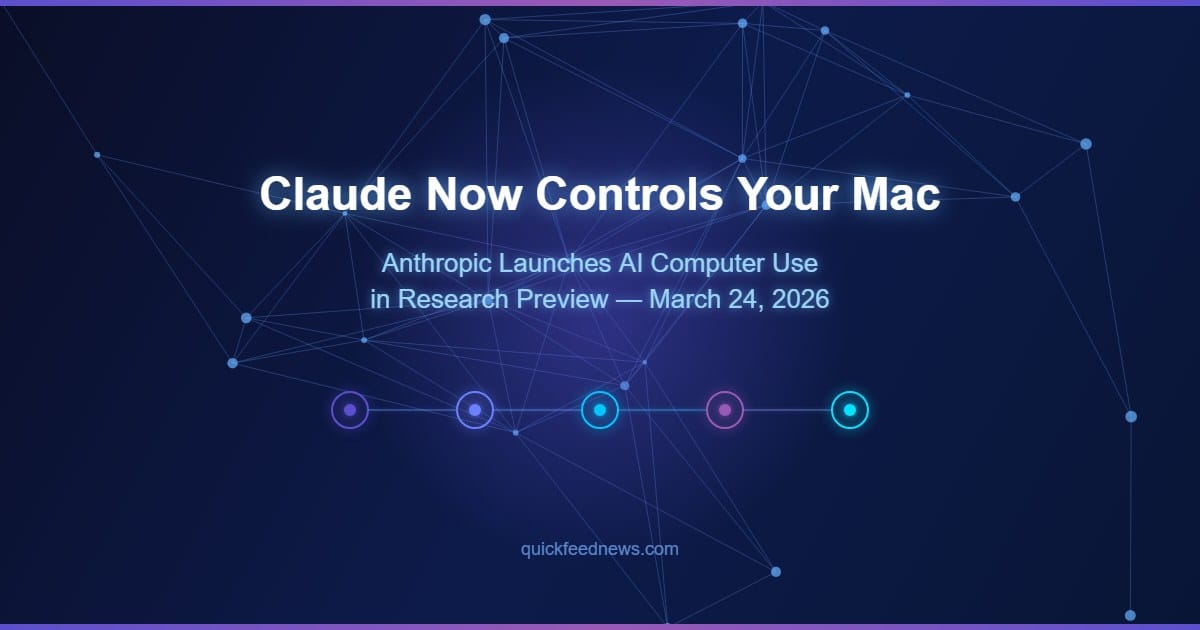
    Anthropic is stepping firmly into the agentic AI race with a major new capability: Claude can now take control of your Mac computer to complete tasks on your behalf. Announced on March 24, 2026, the feature — currently available as a research preview — marks one of the most ambitious moves yet by any leading AI lab to transition its flagship model from a chatbot into a genuine autonomous agent capable of operating real software.

    What Claude’s Computer Use Can Do

    With the new computer use feature, Claude gains the ability to interact with a Mac just as a human user would. The AI can open applications, navigate web browsers, scroll through documents, fill in spreadsheets, and carry out multi-step workflows across software without the user needing to be present. Claude controls the machine by simulating mouse movements, keyboard input, and screen interaction — essentially acting as a remote operator inside the desktop environment.

    Anthropic designed the system to prioritize precision. When a task involves services like Slack, Google Calendar, or other popular apps that have direct API connectors, Claude reaches for those first. Only when no connector is available does it fall back to direct screen-level computer control. This layered approach is meant to reduce errors and make the AI’s behavior more predictable.

    The feature also integrates with Dispatch, Anthropic’s mobile companion app released just last week. With Dispatch, a user can message Claude a task from their iPhone — say, “compile the latest sales figures into a report” — and then return to find the work completed on their desktop.

    Availability and Platform Support

    The computer use capability is currently limited to Claude Pro and Claude Max subscribers on macOS. Anthropic confirmed that Windows support is in the pipeline, with availability expected “in the next few weeks.” Linux support has not yet been announced.

    This rollout follows a broader trend of AI companies pushing into agentic territory. OpenAI, Google DeepMind, and other major players have all been racing to ship tools that let AI models execute real-world tasks autonomously — not just answer questions, but actually do things.

    Safety and Permission Controls

    Anthropic was candid about the early-stage nature of the feature. The company stated that computer use is “still early compared to Claude’s ability to code or interact with text,” and acknowledged that “Claude can make mistakes.” However, Anthropic emphasized that it built the capability with guardrails in place.

    Critically, Claude will always request explicit permission from the user before accessing a new application. The AI does not autonomously expand its access without asking — a design choice intended to keep users in control and limit potential misuse or unintended consequences.

    The company also stressed that users should remain vigilant and avoid leaving sensitive, unprotected data accessible while Claude is operating on their machine.

    Claude Code Gets Auto Mode and New Channels

    Alongside the consumer-facing computer use launch, Anthropic also announced major upgrades to Claude Code, its developer-focused agentic coding tool.

    Claude Code is now receiving Auto Mode, a research preview feature that allows the AI to make judgment calls about which coding actions are safe to execute on its own — without requiring the developer to manually approve every step. Anthropic describes Auto Mode as a middle ground between Claude Code’s default configuration (which prompts for many permissions) and a fully permissive mode that skips checks altogether.

    In addition, Anthropic announced Claude Code Channels, enabling developers to connect Claude Code to Discord and Telegram. This means teams can now message Claude Code directly through their existing communication platforms, instruct it to write code, run tasks, and receive updates — all without leaving their messaging app.

    Claude Sonnet 4.6: A New Model Under the Hood

    Powering many of these new features is Claude Sonnet 4.6, the latest version of Anthropic’s flagship model. The new release brings notable improvements in coding performance, long-context reasoning, and computer use accuracy. It also introduces a 1-million-token context window, currently available in beta — a significant upgrade that allows the model to process and reason over extremely large documents or codebases in a single session.

    The Bigger Picture: The Race for AI Agents

    Today’s announcements signal that Anthropic is accelerating its push to transform Claude from a conversational AI into a fully capable autonomous agent. The combination of computer use, Dispatch for mobile task delegation, Auto Mode for developers, and Claude Code Channels points toward a vision where Claude functions more like a digital employee than a chatbot.

    Analysts and developers are watching closely. As AI agents gain the ability to operate real software, manage files, and take action on behalf of users, the stakes — and the responsibilities — grow considerably. Anthropic’s emphasis on permission-based controls and transparent safety messaging suggests the company is keenly aware of those stakes.

    For now, Claude’s computer use is a research preview. But if Anthropic’s track record holds, a broader rollout may not be far behind.

    *Related: Check out our [comprehensive guide to Claude workflows](https://aitrendheadlines.com/free-claude-learning-guides/).*