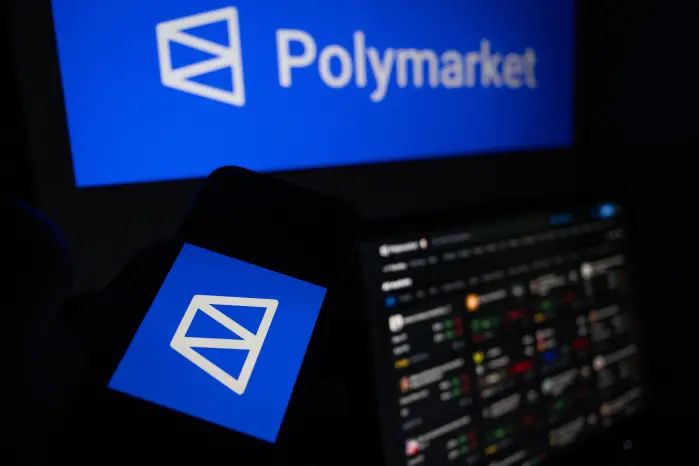
Polymarket has emerged as a controversial platform, allowing individuals to place bets on significant global events, including wars and terrorist attacks. This trend has raised ethical questions and highlighted the evolving landscape of prediction markets.
As we witness the increasing normalization of betting on serious global events, Polymarket offers a unique lens through which to view societal anxieties and the predictive capabilities of collective intelligence. Founded as a platform for users to wager on real-world outcomes, Polymarket has seen a surge in interest, particularly during tumultuous political periods, such as the second term of Donald Trump. The regulatory landscape surrounding such betting activities has shifted dramatically, affecting how both users and investors approach the market.
The platform operates under a model that allows users to speculate on binary outcomes, such as whether a specific conflict will escalate or if a terrorist attack will occur in a certain region. This model has proven to be both engaging and alarming, as it essentially monetizes the unpredictability of human behavior in times of crisis. The implications of this are significant, as they reflect not only the public’s fascination with disaster and conflict but also a growing acceptance of risk in the realm of information and decision-making.
Recent developments indicate that Polymarket’s rise coincides with an increased interest in analytics and prediction modeling. Tools like OpenClaw are integrating advanced automation features that enhance the capabilities of platforms such as Polymarket. These innovations allow for more sophisticated data analysis and risk assessment, which can further attract users interested in betting on high-stakes outcomes. The convergence of these technologies marks a shift in how information is aggregated and utilized in decision-making processes.
However, the ethical implications of betting on war and terrorism cannot be overlooked. Critics argue that this practice trivializes serious issues, reducing them to mere gambling opportunities. Proponents, on the other hand, suggest that such platforms provide a unique insight into public sentiment and can serve as early warning systems for potential crises. This duality presents a complex challenge for business leaders and regulators alike, as they navigate the line between innovation and moral responsibility.
The emergence of platforms like Polymarket also raises questions about regulatory oversight. As the betting market expands, so too does the need for clear guidelines that protect users while fostering innovation. The changing regulatory landscape may influence how platforms like Polymarket operate, potentially reshaping the betting industry as a whole.
As the market continues to evolve, understanding the dynamics at play will be essential for CEOs and founders. The intersection of technology, betting, and real-world events is likely to create new opportunities and challenges. Striking the right balance between ethical considerations and business growth will be critical for those looking to engage in this space.
In the next 6 to 12 months, we can expect to see increased scrutiny of prediction markets as they gain popularity. Regulatory bodies may introduce new frameworks that could either hinder or facilitate growth in this sector. Additionally, the integration of more advanced technologies like automation and machine learning will likely enhance the predictive capabilities of platforms like Polymarket, providing users with more comprehensive insights. As a result, understanding the implications of these developments will be crucial for business leaders navigating this emerging landscape.
Polymarket’s emergence as a betting platform on significant global events raises critical discussions about the intersection of ethics and market behavior. As society grapples with the implications of wagering on potential conflicts and crises, the platform highlights a growing trend where speculative betting becomes intertwined with public sentiment and geopolitical forecasting. This duality presents a unique challenge for business leaders: how to interpret these market signals and the information they provide. It also necessitates an understanding of the potential volatility inherent in such markets, especially as they gain traction among users seeking insight into unpredictable outcomes.
The integration of advanced analytics and automation tools, such as those offered by OpenClaw, further complicates the landscape. These technologies enhance Polymarket’s capabilities, allowing for more nuanced data processing and risk assessment. For CEOs and founders, this means that the predictive nature of such platforms could serve as a valuable resource for strategic planning and risk management. However, it also raises the question of whether reliance on betting markets for insights could lead to skewed perceptions of reality, particularly if the public begins to treat serious events as mere opportunities for profit.
Strategically, the next 6-12 months will likely see increased scrutiny from regulators and ethical watchdogs regarding platforms like Polymarket. As public interest in these markets grows, so too will concerns about their impact on societal values and decision-making processes. Business operators must remain vigilant, balancing the potential insights gained from these platforms with the ethical implications of betting on human suffering. This ongoing tension will shape the future of prediction markets and could redefine how businesses incorporate these tools into their strategic frameworks.
Source: havanatimes.org.
Related reading: Anthropic Unveils ‘Dreaming’ Feature for Claude Managed Agents, Anthropic Doubles Claude Code Rate Limits Following SpaceX Partnership, and SurveyMonkey Integrates Survey Tools Within Claude for Enhanced Business Insights.
Leave a Reply