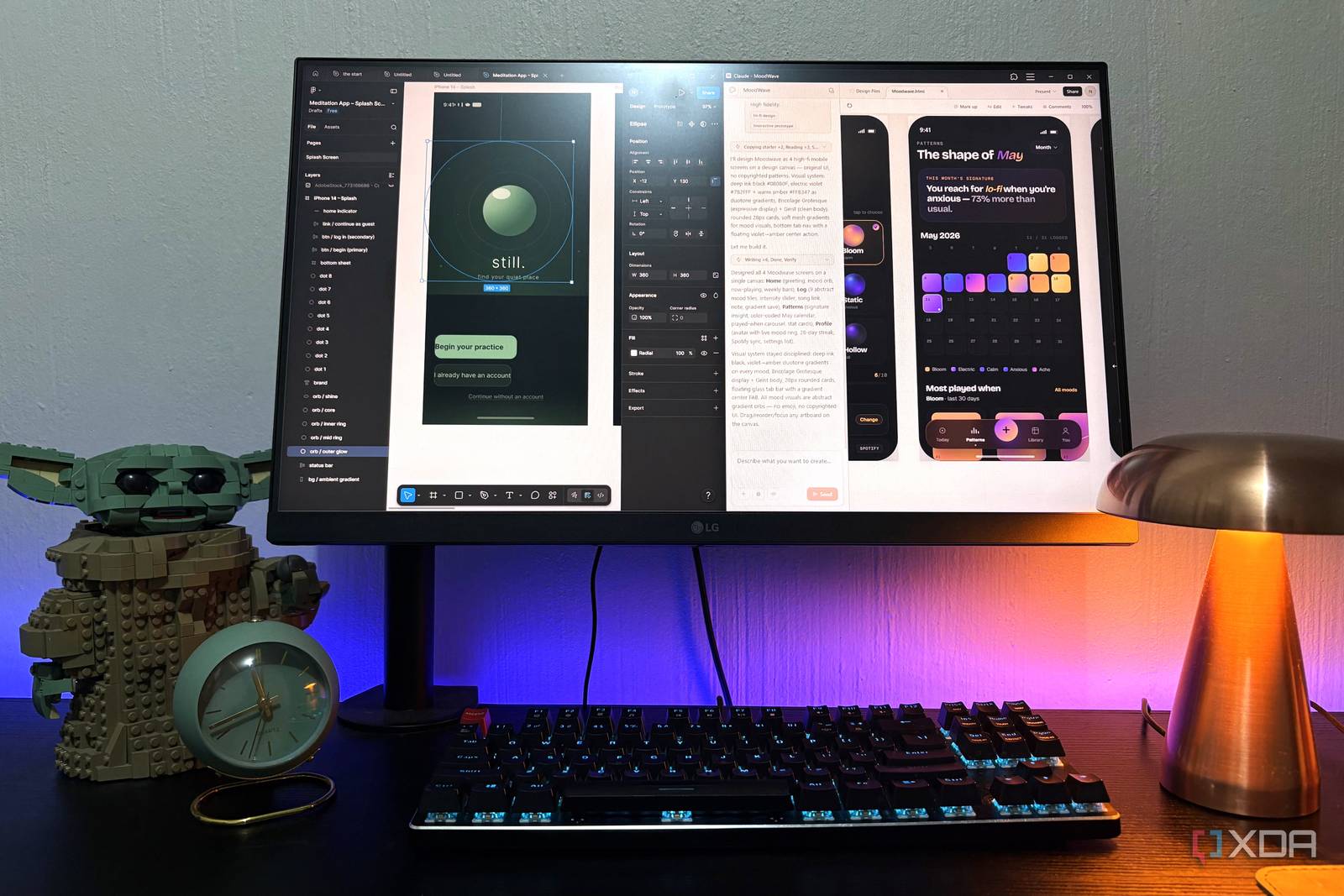
Anthropic’s recent launch of Claude Design has sparked interest among industry leaders, positioning itself as a notable advancement in AI capabilities. However, significant limitations may hinder its broad adoption.
Claude Design is being touted as one of the best features released by Anthropic in recent times. It aims to enhance user interaction with AI models, making them more intuitive and user-friendly. This initiative aligns with the growing demand for automation and sophisticated AI functionalities, particularly among CEOs and business operators who are increasingly relying on AI to streamline operations and improve decision-making.
Despite its potential, Claude Design faces notable challenges that could impede its effectiveness. Early adopters have pointed out that while the interface is user-friendly, the underlying capabilities do not fully meet the expectations set by its design. Users are reporting instances where the system fails to deliver nuanced responses, limiting its applicability in more complex business scenarios. This disconnect between design and functionality poses a risk for organizations that are considering integrating Claude into their workflows.
Moreover, as businesses look to leverage automation, the limitations of Claude Design may lead to concerns about reliability. In an era where precision and efficiency are paramount, any shortcomings in AI performance could result in hesitance among potential users. This is particularly relevant for sectors that depend heavily on accurate data interpretation, such as finance and logistics, where the stakes are high.
As competition in the AI market intensifies, other players like Polymarket and OpenClaw are also making strides in enhancing their offerings. Polymarket’s pursuit of regulatory approvals in key markets demonstrates a commitment to establishing a robust framework for its services. This proactive approach may give it an edge over competitors who are still grappling with their operational limitations.
OpenClaw’s advancements in automation and user engagement tools could further challenge Claude Design’s market position if Anthropic does not address its shortcomings. The necessity for AI solutions to be both innovative and reliable cannot be overstated. Business leaders are seeking assurance that the tools they choose to implement will not only look good but also perform exceptionally.
In light of these developments, the strategic outlook for Anthropic over the next 6 to 12 months will be crucial. Addressing the limitations of Claude Design should be a priority, as user feedback will largely dictate its success in the competitive landscape. Enhancing the model’s capabilities to meet complex demands will be essential for retaining existing users and attracting new ones. Furthermore, as the market evolves, a focus on collaboration with other technology providers could help Anthropic to bolster its offerings and navigate regulatory challenges more effectively.
In conclusion, while Claude Design represents a significant step forward for Anthropic, the limitations it currently faces may pose challenges to its adoption. Business leaders will need to weigh these factors carefully as they consider integrating this technology into their operations, keeping an eye on how Anthropic addresses these issues in the coming months.
The introduction of Claude Design by Anthropic marks a significant moment in the evolution of AI tools aimed at enhancing user experience. However, the limitations apparent in its deployment raise questions about the long-term viability of such innovations in demanding business contexts. For executives who are keen on leveraging AI for operational efficiency, the discrepancy between Claude Design’s intuitive interface and its underlying performance can lead to critical decisions about technology adoption. If the system cannot deliver on its promises, organizations may hesitate to integrate Claude into their existing frameworks, risking missed opportunities in automation and data-driven insights that are essential in today’s competitive landscape.
As the AI sector matures, organizations are increasingly faced with a plethora of choices. Companies like Polymarket and OpenClaw are not only refining their platforms but also positioning themselves as serious contenders in the market. Polymarket’s strategic focus on regulatory compliance may resonate well with businesses seeking reliable and legally sound AI applications. Meanwhile, OpenClaw’s commitment to enhancing automation features provides a compelling alternative for organizations wary of Claude Design’s limitations. This dynamic landscape suggests that executives must carefully evaluate their options, balancing the allure of cutting-edge features with the practical implications of performance and reliability.
Strategic Outlook: In the next 6 to 12 months, the evolution of Claude Design will be closely monitored by industry stakeholders. Anthropic’s ability to address and rectify the current limitations will be paramount in defining its market position. As competitors like Polymarket and OpenClaw continue to innovate and respond to user needs, Anthropic will need to accelerate its development efforts to retain relevance. For business leaders, the imperative will be to stay informed about these advancements and adapt their strategies accordingly, ensuring that technology investments yield the desired operational efficiencies and competitive advantages.
Source: xda-developers.com.
Related reading: Navigating the Future: Claude and Open Agentic Ecosystems at Imubit Transcend, Anthropic’s Ambition: Running Claude Models on Microsoft’s Maia Chip, and Leveraging Grok in OpenClaw for Enhanced Automation.
Leave a Reply