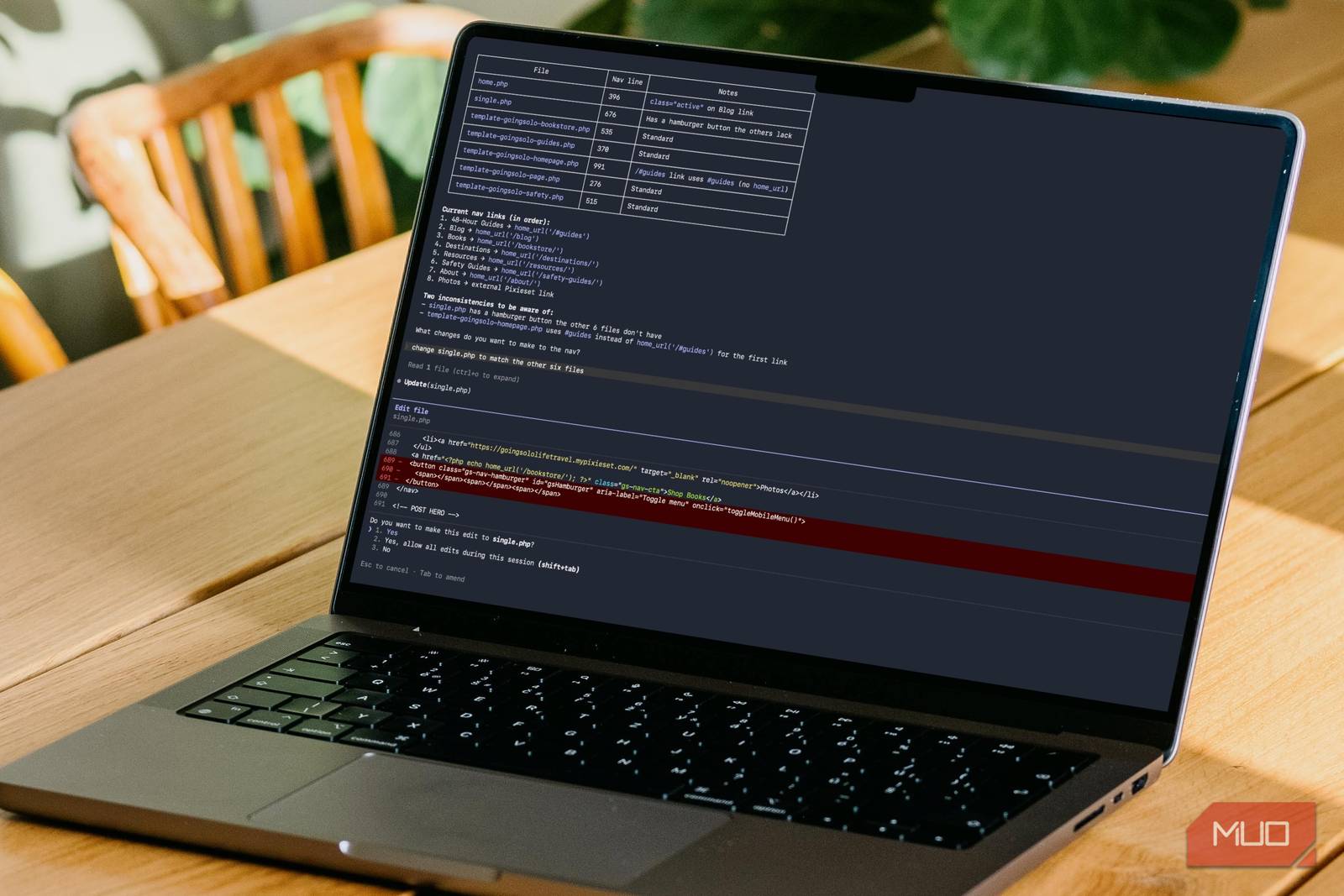
Discover how Just Salad leverages automation and Claude to maintain affordable lunch options for busy professionals.
As lunch options evolve in response to rising costs and changing consumer preferences, Just Salad has emerged as a notable player in the fast-casual dining sector. Founded by Nick Kenner, the company has successfully navigated challenges in the competitive food market, growing its sales trajectory even amid economic pressures. The secret to their success? A smart integration of technology and a focus on cost management that keeps work lunches under $20.
Just Salad has made headlines for its innovative use of automation, particularly through the deployment of Claude, an advanced AI from Anthropic. This technology enables the chain to streamline its operations, reducing waste and optimizing supply chain efficiencies. With Claude’s capabilities, Just Salad can better predict inventory needs, minimizing overstock and spoilage, which are often significant contributors to increased costs.
The implementation of such AI-driven solutions signifies a broader trend in the restaurant industry towards embracing technology to enhance efficiency and customer satisfaction. As companies like Just Salad adopt these advancements, they not only improve their operational workflows but also pass on the benefits to their customers in the form of affordable pricing. By leveraging Claude, Just Salad can maintain high-quality ingredients while managing costs, a crucial balance that resonates with health-conscious consumers.
Furthermore, Just Salad’s approach highlights the importance of adaptability in today’s fast-paced business environment. The company has consistently adjusted its menu and pricing strategies based on market demands and economic conditions. This flexibility is essential for staying relevant and appealing to a workforce increasingly focused on health and sustainability.
The implications of Just Salad’s success extend beyond its immediate operations. Competitors in the fast-casual segment are likely to take note and consider similar technological integrations to remain competitive. With the restaurant industry facing pressures from various fronts, including rising food costs and shifts in consumer behavior, the adoption of automation tools like Claude could become a standard practice rather than an exception.
As we look to the future, the strategic outlook for Just Salad and similar businesses indicates a growing reliance on technology. Over the next six to twelve months, companies that prioritize automation and data-driven decision-making will likely gain a competitive edge. Just Salad’s success story illustrates that investing in advanced technologies can lead to substantial operational improvements, cost savings, and ultimately, greater customer loyalty.
In conclusion, Just Salad exemplifies how embracing automation and leveraging AI can lead to sustainable business practices while keeping customer costs down. As the landscape continues to shift, it will be interesting to see how other players in the industry respond and adapt to these emerging trends.
As Just Salad continues to refine its operational strategies, the role of advanced AI technology like Claude becomes increasingly central to its business model. The adoption of Claude is not merely about enhancing efficiency; it signifies a shift in how fast-casual dining establishments perceive the intersection of technology and customer service. By leveraging predictive analytics and machine learning, Just Salad can tailor its offerings to meet the nuanced demands of its clientele while simultaneously managing costs effectively. This intelligent automation is particularly relevant in a market where customer preferences are rapidly evolving, as it allows the brand to stay ahead of trends without compromising on quality or affordability.
The integration of Claude also raises important considerations regarding the future of workforce dynamics in the food service industry. As automation becomes more prevalent, companies like Just Salad are likely to experience shifts in staffing needs, with a greater emphasis on roles that require advanced technical skills to manage AI systems. This could lead to a reallocation of human resources towards higher-value tasks that enhance the customer experience, such as personalized service and menu innovation. Consequently, the business landscape may witness a gradual transformation where the synergy between human and machine becomes a defining characteristic of successful operations.
Strategic Outlook: Over the next 6 to 12 months, the implications of Just Salad’s approach to automation and AI integration could serve as a blueprint for other players in the fast-casual sector. As competitors observe the positive outcomes from Just Salad’s use of Claude, there may be increased pressure to adopt similar technologies to remain relevant. This could lead to a broader industry trend towards investing in AI-driven solutions, with an emphasis on operational efficiency and customer satisfaction. Companies that embrace this shift are likely to gain a competitive edge, allowing them to adapt more swiftly to market changes while catering to the growing demand for health-conscious dining options.
Source: inc.com.
Related reading: Claude Design: Promising Yet Limited Feature from Anthropic, Anthropic’s Ambition: Running Claude Models on Microsoft’s Maia Chip, and Oversight Committee Chair Probes Insider Trading at Polymarket and Kalshi.
Leave a Reply