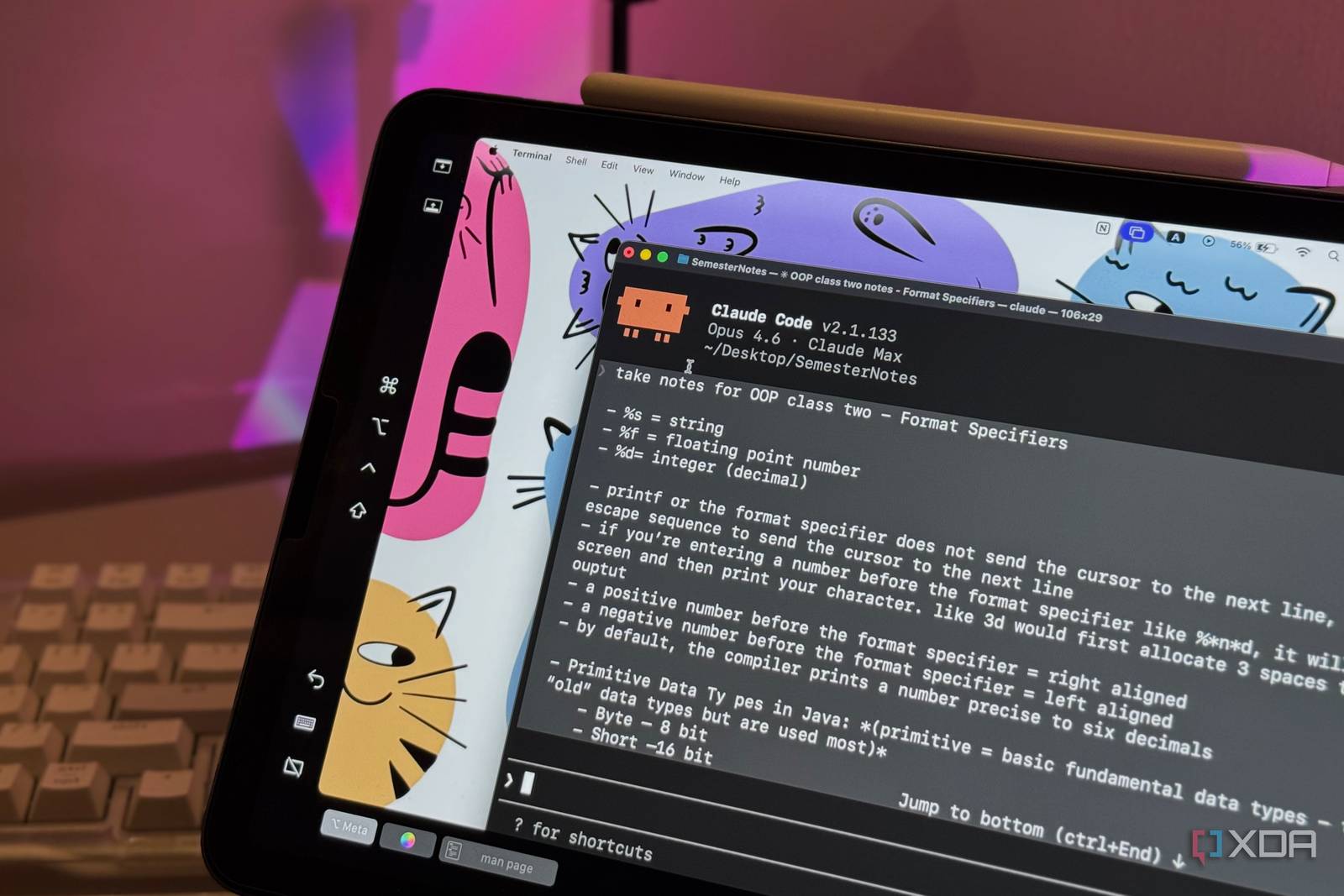
As businesses increasingly rely on AI for automation, the competition between Claude and Codex intensifies, raising questions about usability and functionality.
Recent discussions among tech executives have highlighted a growing concern regarding Claude’s capabilities, particularly in relation to its competitive counterpart, Codex. As companies seek more efficient automation solutions, the need for seamless integration and performance is paramount. If Claude Code does not address specific functionality issues, many users may find themselves compelled to switch to Codex, which has garnered attention for its robust features and user-friendly interface.
Among the primary concerns for Claude users is its ability to efficiently handle complex coding tasks. While Claude has made strides in natural language processing and understanding, users have reported limitations in how well it translates instructions into executable code. This shortfall has led to frustrations among developers who rely on precision and speed in their coding environments. The expectation is that AI tools should not only assist but also enhance productivity, and any perceived deficiency could jeopardize Claude’s standing in an increasingly competitive market.
Moreover, the rise of platforms like Polymarket and OpenClaw adds another layer of complexity to this landscape. Both platforms are leveraging predictive markets to gauge user sentiment around AI tools, including Claude and Codex. As these platforms grow in popularity, they provide valuable insights into market trends, potentially influencing the decision-making processes of companies when selecting AI solutions. For instance, a shift in user sentiment toward Codex could signal a definitive change in how businesses view the value proposition of Claude.
The implications of this potential shift are significant. If Claude fails to adapt and enhance its functionality, businesses may move towards alternatives that promise greater efficiency and effectiveness. This could result in a notable decline in Claude’s user base, prompting a reevaluation of its strategic direction. The competitive environment demands constant innovation, and maintaining a strong value proposition is critical for any technology in the space.
Furthermore, the discussion around automation is not merely about efficiency; it is also about trust and reliability. As AI becomes more integrated into everyday business operations, decision-makers are looking for tools that not only deliver performance but also instill confidence in their outputs. If users feel that Claude cannot meet these expectations, the ramifications could extend beyond mere market share, potentially affecting brand loyalty and long-term relationships with clients.
Looking ahead, the next 6 to 12 months will be crucial for Claude as it navigates these challenges. The need for responsive updates and enhancements will be paramount if it hopes to retain its competitive edge. Companies like Codex are not standing still; they are continually evolving, and Claude must respond in kind. The strategic focus should be on refining user experience and ensuring robust performance under pressure.
In conclusion, the landscape for AI tools is rapidly shifting, and the stakes are high for Claude. Addressing current limitations is essential not only for retaining existing users but also for appealing to potential clients who may be weighing their options. The competition from Codex is a reminder that in the world of automation, adaptability and performance are key to survival and success.
The ongoing discourse around Claude’s limitations, especially regarding its coding capabilities, has sparked notable concern among business leaders who depend on advanced automation. As automation becomes increasingly vital for operational efficiency, the expectations placed on AI tools like Claude are rising. If Claude is unable to resolve its shortcomings in translating complex instructions into effective code, businesses may feel pressured to explore alternatives such as Codex, which is perceived as more capable in this domain. This trend highlights the importance of not only functionality but also user experience in determining the success of AI products in competitive markets.
Additionally, the emergence of platforms like Polymarket and OpenClaw adds layers of nuance to the decision-making landscape for businesses evaluating AI solutions. These platforms provide a unique vantage point, offering predictive insights into market sentiment that can inform strategic choices. For example, if Codex begins to receive positive sentiment signals on these platforms, it could accelerate the migration of businesses away from Claude. As more organizations analyze their operational needs against the backdrop of these insights, the competitive landscape may shift more rapidly than previously anticipated.
Strategic Outlook: Over the next 6 to 12 months, the pressure will be on Claude to innovate and enhance its offerings to retain its user base. If it fails to address current deficiencies, we may see a significant shift in market dynamics, with more companies gravitating towards Codex and similar solutions that demonstrate superior performance in coding tasks. The landscape for AI automation tools is evolving, and those that can adapt quickly to user feedback and market trends will likely emerge as leaders in this space.
Source: xda-developers.com.
Related reading: Anthropic Reaches $965 Billion Valuation Amidst Rising Demand for Claude, Hurricanes and Canadiens Honor NHL Legend Claude Lemieux, and Wintermute Links Polymarket and Kalshi with Strategic Liquidity Provision.
Leave a Reply