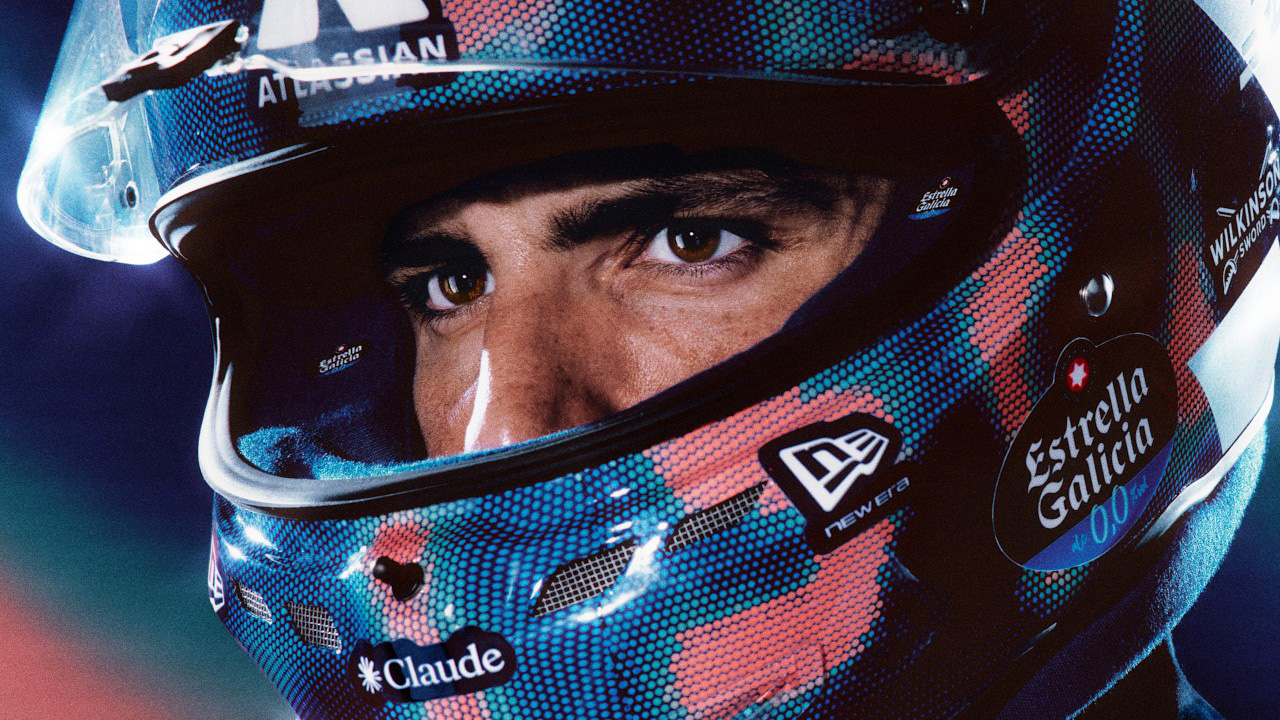
Claude’s new initiative with the Atlassian Williams F1 Team offers a unique glimpse into the intersection of artificial intelligence and auto racing design.
Recently, Claude, the advanced AI system developed by Anthropic, embarked on an exciting project that brings to life the complex thought processes behind Formula 1 design. This initiative is not merely a visual showcase; it signifies a deeper integration of AI into the high-stakes world of motorsports, where every millisecond counts and innovation is paramount.
The collaboration highlights Claude’s capabilities in enhancing the creative process, utilizing data-driven insights to inform design decisions. The partnership with the Atlassian Williams F1 Team exemplifies how AI can augment traditional design methodologies, providing engineers and designers with new tools to simulate and analyze performance parameters more effectively. This approach not only streamlines the design phase but also enhances the overall competitive edge of the team.
In a recent campaign, Claude’s design concepts were brought to life through a dynamic visual spot, along with branded helmets and race suits worn by the drivers. This multifaceted presentation not only serves to promote the technology but also illustrates the practical applications of AI in real-world scenarios, where precision and foresight are crucial.
The implications of this project extend beyond the racing track. As companies like Anthropic and Polymarket continue to explore the frontiers of AI, the potential for automation in various industries becomes increasingly evident. Claude’s involvement in a high-profile project like this signals a shift in how businesses might leverage AI for intricate design and operational challenges, moving towards a future where such technologies become commonplace in sectors that require rapid innovation.
Furthermore, this initiative paves the way for discussions on the ethical considerations of AI in competitive environments. As AI systems like Claude become more integrated into decision-making processes, the industry must navigate the balance between leveraging advanced technology and maintaining the integrity of competition. The conversation surrounding AI ethics will likely intensify as more organizations adopt similar technologies.
Looking ahead, the strategic outlook for Claude’s F1 design project suggests that we will see an increasing convergence of AI and traditional industries over the next 6 to 12 months. Companies will likely continue to explore partnerships that marry creative design with advanced analytics, potentially leading to breakthroughs in efficiency and performance in fields beyond motorsports. The collaboration between AI and human ingenuity will be crucial as businesses strive to keep pace with evolving technological landscapes.
In conclusion, Claude’s new project represents a significant step in the journey towards a more automated and data-driven future in auto racing and beyond. As executives in various sectors observe the outcomes of this endeavor, they may find inspiration to adopt similar strategies, ultimately reshaping the competitive dynamics of their industries.
The collaboration between Claude and the Atlassian Williams F1 Team not only showcases the capabilities of AI in a niche area like auto racing but also illustrates a broader trend in how businesses can harness advanced technologies for operational excellence. By employing AI in the design phase, teams can analyze vast amounts of data related to vehicle performance, track conditions, and even driver behavior. This type of data-driven decision-making is becoming essential across industries, as organizations strive for efficiency and agility in increasingly competitive markets. The precision offered by AI tools like Claude allows for simulations that can predict outcomes more accurately, thereby reducing the time and resources spent on trial and error.
Moreover, as this initiative demonstrates, the intersection of AI and traditional industries such as motorsports can lead to innovative practices that reverberate beyond their initial context. For example, the lessons learned from implementing AI in F1 design could be adapted for use in sectors such as aerospace, manufacturing, and logistics, where performance optimization is crucial. Such cross-pollination of ideas could accelerate the adoption of AI and automation technologies, positioning companies that embrace these advancements at the forefront of their respective fields.
Strategic Outlook: Over the next 6 to 12 months, we can expect to see a significant uptick in the integration of AI-driven solutions across various industries, driven in part by successful case studies like Claude’s involvement in F1 design. Companies will likely begin to explore how similar methodologies can improve their own design and operational processes. Furthermore, as AI becomes more prominent in critical decision-making roles, businesses will need to prioritize developing ethical frameworks to govern its use, ensuring that the advantages gained do not come at the expense of fairness and integrity in competition. This could lead to increased collaboration between AI developers and industry leaders to establish best practices that safeguard these values while promoting innovation.
Source: adage.com.
Related reading: Anthropic Expands Claude Mythos Preview to New Partners, Gavriel Cohen’s Departure from OpenClaw: A Cautionary Tale for the Tech Industry, and Anthropic Launches Claude Partner Network Services Track.
Leave a Reply