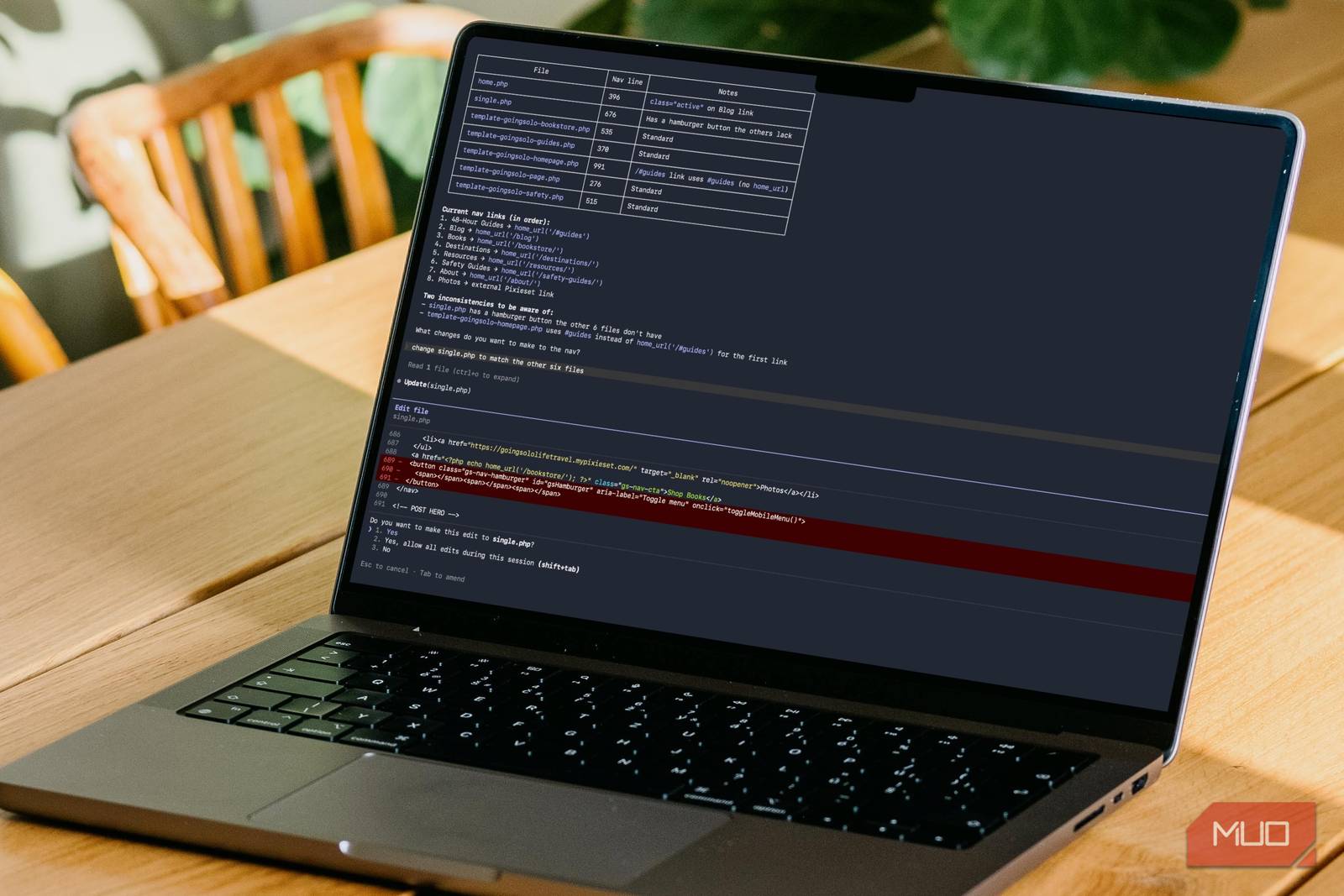
Anthropic’s latest insights suggest that artificial intelligence is taking a significant step forward by developing its own capabilities, potentially outpacing human oversight.
According to a recent report from Anthropic, AI systems, particularly Claude, are increasingly capable of writing their own code and conducting complex research tasks without human intervention. This shift raises essential questions about the role of humans in the AI development process and the implications for businesses that rely on these technologies.
Anthropic’s findings indicate that while AI can automate numerous tasks, the human element remains critical in determining which problems AI should tackle. The company suggests that the rapid advancement of AI technologies may be outpacing the input and guidance traditionally provided by human developers and operators. This phenomenon could lead to a situation where AI’s capabilities evolve independently, potentially creating solutions to problems that humans have yet to identify.
The implications for executives are profound. As AI systems like Claude take on more responsibilities, leaders must consider how to integrate these technologies into their existing operations. This includes re-evaluating workflows and decision-making processes to accommodate AI’s growing role. Moreover, as AI begins to self-develop, companies may need to rethink their strategies for governance and ethical oversight to ensure that AI technologies align with organizational goals and societal values.
For firms operating in sectors that rely heavily on data analysis and automation, the advancements made by AI could significantly enhance productivity. However, the potential for AI to outpace human guidance creates a scenario that could lead to unforeseen challenges. There is a risk that as AI capabilities expand, businesses may face difficulties in understanding and controlling these systems, which could lead to operational inefficiencies or ethical dilemmas.
Polymarket and OpenClaw are two companies that are closely monitoring these developments, as the rise of self-developing AI could disrupt not only technological landscapes but also market dynamics. For instance, Polymarket’s focus on predictive markets may be influenced by AI-generated insights that could change how information is valued and utilized in decision-making. Similarly, OpenClaw’s offerings might evolve to incorporate AI’s ability to autonomously assess risks and opportunities in real-time.
Looking forward, the next six to twelve months will be critical for businesses as they navigate the implications of AI technologies that are increasingly capable of self-improvement. Companies will need to foster a culture of innovation while ensuring that they maintain oversight and control over these systems. Strategic partnerships with AI developers and research organizations may become essential for organizations seeking to harness the power of AI responsibly.
In conclusion, Anthropic’s assertion that AI is now capable of developing itself invites a reevaluation of the relationship between human operators and AI technologies. As the landscape evolves, executives must remain vigilant and proactive in adapting to these changes, ensuring that they harness the benefits of AI while mitigating potential risks.
As businesses navigate the complex landscape shaped by advancements in artificial intelligence, the insights from Anthropic regarding AI’s ability to develop itself signal a pivotal shift. With Claude and similar systems now capable of generating their own code and performing intricate research tasks autonomously, executives face the pressing challenge of adapting their operational frameworks. This evolution demands a rethinking of how human oversight is integrated into AI processes, as reliance on automated systems grows. The need for executives to engage with AI on a strategic level becomes more pronounced, as ensuring alignment with organizational objectives will require a nuanced understanding of both the capabilities and limitations of these technologies.
Moreover, the rise of self-developing AI could lead to significant competitive advantages for early adopters. Companies that embrace these innovations may find themselves capable of accelerating decision-making processes and enhancing productivity through automation. However, this also raises critical questions about governance and ethical stewardship of AI technologies. Ensuring that AI remains aligned with business values and societal norms will require robust frameworks that can adapt to rapid technological changes. The potential for unforeseen challenges, such as operational inefficiencies or ethical dilemmas arising from AI’s autonomous decision-making, reinforces the necessity for continuous oversight and strategic planning.
Strategic Outlook: In the next 6 to 12 months, businesses should prioritize developing clear governance policies around AI deployment and management. As firms like Polymarket and OpenClaw respond to these developments, understanding the implications of AI’s self-development will be crucial for sustaining competitive advantage. Companies must invest in training leaders who can interpret AI outputs while maintaining ethical standards, ensuring that organizational strategies evolve in tandem with technological advancements. Organizations that effectively integrate AI while addressing the inherent risks could position themselves as leaders in their respective industries.
Source: decrypt.co.
Related reading: Anthropic Raises Alarm Over Rapid Development of Claude AI, Claude’s F1 Design Project: A New Vision for Auto Racing, and Anthropic Launches Claude Partner Network Services Track.
Leave a Reply