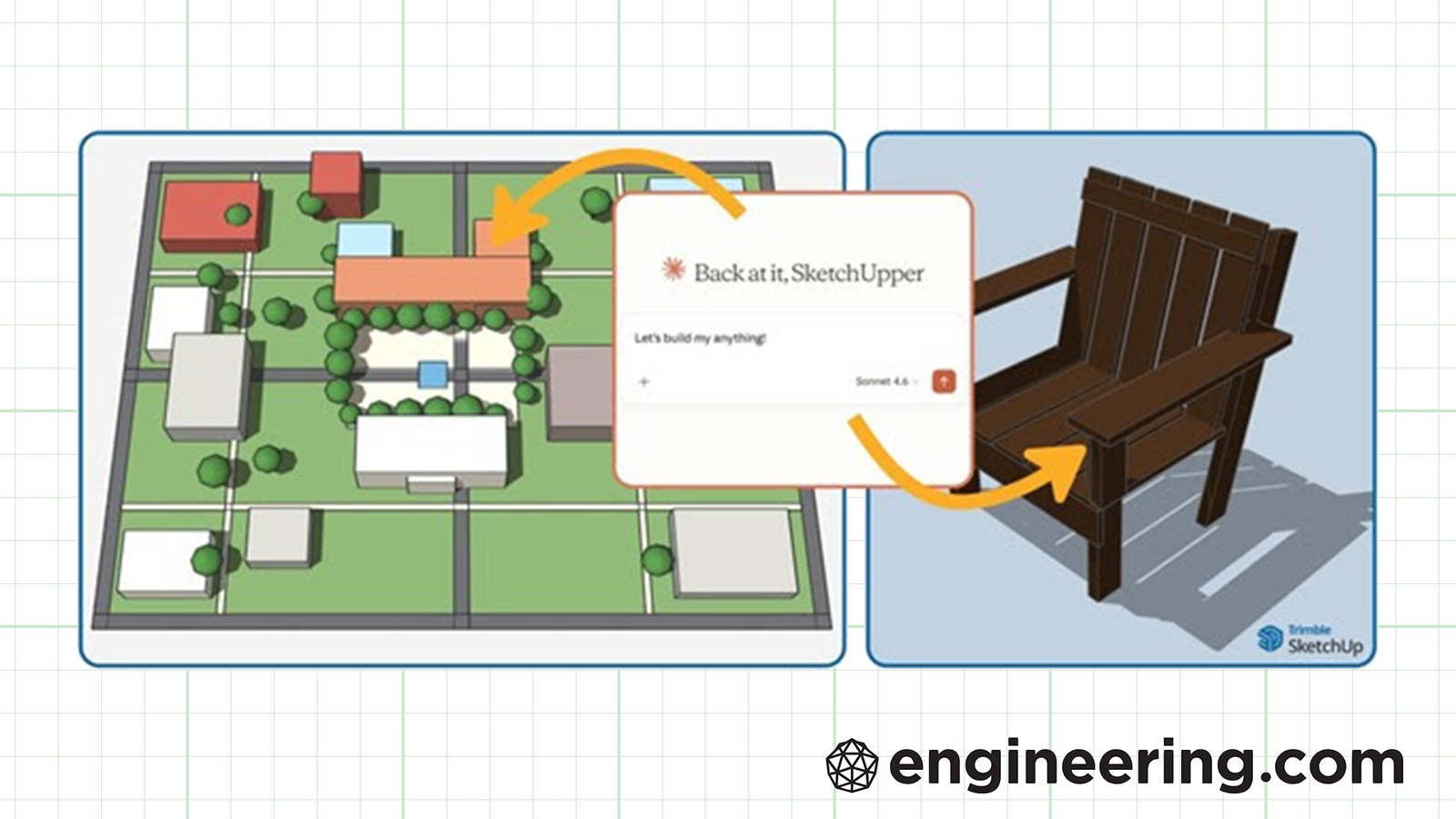
SketchUp has unveiled its latest advancement with the introduction of an MCP server designed specifically for Claude-based 3D modeling, marking a significant step forward in design automation.
This new feature enables users to create editable 3D models with unprecedented ease and efficiency. By integrating Claude, Trimble’s SketchUp aims to streamline the design process, allowing architects, engineers, and designers to leverage AI capabilities in their workflows. The MCP server facilitates a seamless connection between SketchUp and Claude, making it easier for users to manipulate 3D models and integrate advanced simulation tools.
The implications of this integration are substantial, particularly in an industry that increasingly demands rapid innovation and adaptability. With AI-driven solutions gaining traction, the ability to generate and modify complex design elements in real-time can significantly reduce project timelines and enhance collaborative efforts. As businesses face mounting pressure to deliver high-quality outputs quickly, the integration of Claude into the SketchUp framework could become a pivotal factor in maintaining competitive advantage.
Moreover, this advancement aligns with broader trends in design automation. The construction and architecture sectors are witnessing a shift towards more automated processes, which not only improve efficiency but also reduce human error. By incorporating Claude’s sophisticated AI capabilities, SketchUp is positioning itself to be at the forefront of this transition, offering tools that could redefine how design professionals approach their projects.
In addition to enhancing 3D modeling, the MCP server opens doors to innovative design scenarios. Users can explore various architectural styles, experiment with materials, and even simulate environmental impacts, all within a single platform. This capability not only empowers designers but also fosters a more sustainable approach to building design, as it allows for more informed decision-making regarding resource use and environmental impact.
As the adoption of AI in design continues to grow, companies like Polymarket and OpenClaw are also navigating this evolving landscape. While Polymarket focuses on creating a robust predictive market environment, OpenClaw is developing automation tools that complement platforms like SketchUp. The interplay between these companies and their innovations represents a broader ecosystem that is rapidly shifting towards AI-driven solutions.
Looking ahead, the strategic implications of this integration for the next 6 to 12 months are significant. As SketchUp’s MCP server gains traction, we can expect a ripple effect across the industry, prompting other design software providers to enhance their offerings with similar AI capabilities. The pressure to integrate advanced AI will likely intensify as competitors seek to stay relevant in a growing market that increasingly prioritizes efficiency and automation.
Furthermore, as businesses become more accustomed to leveraging AI in their design processes, the demand for training and support will rise. Companies will need to invest in upskilling their workforce to fully harness the potential of these tools. The successful implementation of AI-driven solutions like those offered by SketchUp could lead to a paradigm shift in how design teams operate, favoring those who embrace automation over traditional methodologies.
In conclusion, the launch of SketchUp’s MCP server for Claude represents not just a technological advancement but a potential catalyst for change across the design and architecture sectors. As the integration of AI continues to reshape how professionals approach their work, those who adapt quickly will likely find themselves at the forefront of innovation.
The introduction of the MCP server for Claude-based 3D modeling by SketchUp is poised to transform not only design workflows but also the broader landscape of the architecture and construction industries. As businesses increasingly seek innovative solutions to enhance productivity and reduce lead times, the integration of AI capabilities into design software represents a significant leap towards achieving these goals. With tools like the MCP server, designers can rapidly iterate on concepts and visualize complex projects more effectively, enabling them to keep pace with client demands and market trends.
This shift towards automation and AI-driven design tools is reflective of a larger movement within the industry towards efficiency and sustainability. As firms like Polymarket and OpenClaw explore the potential of AI for decision-making and predictive analytics, the ability to leverage Claude’s advanced modeling features can offer a competitive edge. The capacity to simulate various design scenarios and environmental impacts not only aids in compliance with regulations but also aligns with the growing emphasis on sustainable practices. Companies that adopt these technologies can expect to see improved project outcomes and enhanced stakeholder engagement.
Strategic Outlook: Looking ahead, the next 6 to 12 months will likely see increased adoption of AI-enhanced design tools as firms strive to remain competitive in a fast-evolving market. As more companies recognize the value of integrating AI into their workflows, the demand for platforms like SketchUp that facilitate this transformation will grow. Additionally, as automation becomes more prevalent, organizations will need to invest in training and development to ensure that their teams can effectively utilize these advanced tools, thereby maximizing their return on investment in these technologies.
Source: engineering.com.
Related reading: Evaluating the Potential of Claude Code and Figma MCP in Design, Claude’s Automation Breakthrough: A Game Changer for Businesses, and Blender CEO Addresses Funding From Claude AI Creator Anthropic.
Leave a Reply