Category: AI Innovation

  • Clawville Launches AI-Native Open World MMORPG in Milady Ecosystem

    Clawville Launches AI-Native Open World MMORPG in Milady Ecosystem

    Clawville has launched an innovative AI-native open world MMORPG, marking a significant milestone in the integration of artificial intelligence into gaming.

    The gaming landscape is undergoing a transformative shift as Clawville unveils its groundbreaking MMORPG, which operates within the Milady ecosystem. This new title promises to redefine player interactions by allowing AI agents and human players to coexist and engage in a dynamic virtual environment. The unique aspect of this game is its ability to evolve not just through player choices but also through the automated learning capabilities of its AI characters.

    This development comes at a time when the gaming industry is increasingly exploring the potential of AI to enhance user experiences. Clawville’s approach signifies a commitment to creating immersive worlds where automation plays a crucial role. Players can expect a more interactive and responsive environment, with AI-driven agents that adapt to their actions and decisions in real time, fostering a sense of realism and engagement that has yet to be fully realized in traditional gaming formats.

    The implications of such technology extend beyond mere entertainment. As AI integrates deeper into gaming, it could transform how businesses operate within this space. Companies like Polymarket are already exploring how AI can influence market predictions and user engagement metrics, and Clawville’s MMORPG may serve as a case study for future developments. The ability to automate interactions and learn from player behavior could lead to new revenue models and marketing strategies, offering a competitive edge in a saturated market.

    Moreover, the introduction of an AI-native MMORPG within a creative ecosystem like Milady opens doors for collaboration between developers, players, and AI systems. This collaborative environment may encourage innovation, leading to more personalized gaming experiences. As players interact with AI characters, the data generated can inform further developments, ensuring that gaming experiences evolve alongside user preferences and behaviors.

    Looking ahead, the success of Clawville’s MMORPG could set a precedent for future gaming ventures. Other companies may follow suit, prompting a wave of AI-driven games that prioritize adaptability and collaborative play. This trend could attract a broader audience, including those who may not traditionally engage with video games, expanding the market significantly.

    As we enter the latter half of 2026, the impact of Clawville’s launch will likely resonate throughout the industry. Game developers and publishers will need to reconsider their strategies and explore the potential of AI to enhance their offerings. This could lead to greater investment in AI technologies, as well as partnerships between gaming companies and AI developers to create more robust systems. The next 6 to 12 months may witness a surge in AI-integrated games, reshaping player expectations and driving innovation across the sector.

    The introduction of Clawville’s AI-native MMORPG represents a critical juncture for the gaming industry, where innovative technologies converge to create distinct user experiences. With artificial intelligence at the core of this new title, players will find themselves in a landscape that not only reacts to their actions but also evolves in response to their strategic decisions. This paradigm shift could redefine player engagement, as the game promises to offer a more personalized and adaptive environment that traditional gaming models have struggled to achieve.

    From a business perspective, the implications of such advancements are profound. As AI technologies like Claude become more integrated into gaming, they will likely influence not only player interactions but also the operational frameworks of game development and marketing strategies. Companies may leverage these insights to enhance user retention and develop targeted campaigns that resonate with their evolving audience. The ability to analyze player behavior and adjust gameplay in real time could open doors to innovative monetization strategies, further enhancing the competitive landscape.

    Strategically, Clawville’s pioneering efforts within the Milady ecosystem may serve as a catalyst for future collaborations across the gaming sector. As developers, players, and AI systems work together, the potential for innovation is substantial. Over the next 6-12 months, we can anticipate a ripple effect where other companies will explore similar AI-driven models, leading to a more interconnected and responsive gaming universe. This evolution will not only enhance player satisfaction but could also encourage a new wave of investment in AI technologies tailored for the gaming industry, setting a new standard for immersive entertainment.

    Source: cointelegraph.com.

    Related reading: Polymarket Launches for US Users, Dropping the Waitlist, AWS Expands Anthropic Partnership with Claude Platform Launch, and Trump’s Arrival in Beijing: Crypto Reactions and Shifts in Polymarket Odds.

  • Bitcoin Trader Recovers $400,000 Using Claude AI After 11 Years

    Bitcoin Trader Recovers $400,000 Using Claude AI After 11 Years

    A remarkable recovery in the cryptocurrency world has emerged as a Bitcoin trader successfully regained access to $400,000 he lost due to a forgotten wallet password over eleven years ago. This extraordinary feat was made possible by Claude AI, which attempted a staggering 3.5 trillion password combinations to decrypt an old wallet backup.

    The incident highlights both the potential of advanced AI technology in solving complex problems and the persisting issues of security and access in the cryptocurrency space. The trader, who reportedly changed the password under the influence of marijuana, had resigned to the fact that his funds were lost forever. However, with the advent of Claude AI, his fortunes have changed dramatically, showcasing an impressive application of machine learning in the real world.

    This case serves as a reminder of the importance of password management and the risks associated with losing access to digital wallets. As cryptocurrencies continue to gain traction, stories like this one will likely encourage users to adopt more robust security practices while also exploring AI-driven solutions for data recovery. The ability to recover such significant amounts of money through AI may also prompt the development of new tools and services within the industry.

    The use of Claude AI in this context raises important questions about the capabilities of automation in managing digital assets. While traditional recovery methods often involve tedious manual efforts, the efficiency and speed of AI can provide users with innovative ways to regain access to their lost funds. This incident is likely to stimulate discussions among CEOs and founders in the tech and finance sectors about the incorporation of AI technologies into their business strategies.

    Furthermore, this event underscores the role of platforms like Polymarket and OpenClaw in shaping the future of the cryptocurrency market. As these platforms continue to evolve, they may embrace similar AI-driven solutions to enhance user experience and security. The integration of machine learning into cryptocurrency services can lead to more reliable and accessible systems, fostering greater trust among users.

    As businesses explore the implications of this breakthrough, the strategic outlook for the next six to twelve months will focus on the increasing convergence of AI and cryptocurrency. More players in the market may begin to invest in AI technologies to improve security measures, streamline operations, and enhance user interfaces. The cryptocurrency industry is at a pivotal moment, where automation can significantly alter the landscape of asset management.

    Ultimately, this astonishing recovery story serves as both a cautionary tale and a beacon of hope for Bitcoin traders and cryptocurrency enthusiasts. It highlights the transformative potential of AI while also reminding users of the critical need for secure password practices. As the industry continues to mature, the integration of AI-driven solutions will likely play a central role in shaping the future of digital assets.

    The recovery of significant cryptocurrency assets through AI interventions is likely to catalyze a broader industry conversation about the intersection of artificial intelligence and digital asset security. As businesses increasingly rely on digital currencies, the importance of secure password management and recovery solutions becomes paramount. The use of Claude AI to successfully decrypt a forgotten wallet password not only demonstrates the prowess of machine learning but also emphasizes the need for proactive measures in safeguarding digital assets. For CEOs and founders, this incident serves as a compelling case study in the necessity of integrating advanced technology into their operational frameworks, especially as the risks associated with lost access to digital wallets can lead to substantial financial repercussions.

    This incident may also encourage cryptocurrency platforms, including Polymarket and OpenClaw, to explore similar AI-driven solutions to enhance their services. As these platforms seek to improve user experience, the integration of automated systems for password recovery and asset management could foster greater user trust and engagement. Furthermore, as the cryptocurrency landscape continues to evolve, the demand for innovative solutions that address security and accessibility challenges will likely increase, prompting businesses to prioritize investments in AI technologies. This shift not only has the potential to transform user interactions with digital currencies but also positions companies that embrace such technologies at the forefront of the rapidly changing market.

    Strategically, the implications of this event extend over the next 6 to 12 months. Companies that recognize the potential of AI in addressing digital asset security will likely gain a competitive edge. As awareness of AI’s capabilities grows, businesses may invest more heavily in automation tools to streamline recovery processes and improve security measures. Additionally, there may be an increase in partnerships between AI firms and cryptocurrency platforms aimed at developing advanced security solutions. This trend could ultimately lead to a more robust and resilient cryptocurrency ecosystem, characterized by enhanced user confidence and a lower barrier to entry for new users seeking to engage with digital currencies.

    Source: tomshardware.com.

    Related reading: AWS Expands Anthropic Partnership with Claude Platform Launch, Trump’s Arrival in Beijing: Crypto Reactions and Shifts in Polymarket Odds, and AI Video Analysis: A Comparative Test of Gemini, ChatGPT, and Claude.

  • Trump’s Arrival in Beijing: Crypto Reactions and Shifts in Polymarket Odds

    Trump’s Arrival in Beijing: Crypto Reactions and Shifts in Polymarket Odds

    President Trump’s visit to Beijing has sparked notable shifts in crypto markets and Polymarket odds, highlighting the intersection of geopolitics and digital finance.

    On May 13, 2026, U.S. President Donald Trump arrived in Beijing for a formal state visit, welcomed by Chinese President Xi Jinping. This visit comes amid a complex backdrop of U.S.-China relations, where trade tensions and technological advancements continue to shape dialogue. The implications of this visit extend beyond traditional political discourse, impacting the digital finance landscape, particularly regarding cryptocurrencies and predictive markets.

    As Trump’s visit unfolds, crypto markets have shown immediate reactions, reflecting the uncertainty that often accompanies significant geopolitical events. Traders and investors are keenly watching the potential outcomes of discussions between the two leaders, particularly concerning economic policies that could influence cryptocurrency regulations. This level of scrutiny is not surprising, given the growing interdependence between global financial markets and digital currencies.

    Polymarket, a well-known information market platform, has also experienced shifts in odds related to this visit. As users speculate on the outcomes of Trump’s meetings, the platform has become a focal point for gauging public sentiment and forecasting potential policy changes. The fluctuation in odds demonstrates how real-time events can influence market perceptions and investor behavior, reflecting a broader trend in which prediction markets are gaining traction as tools for real-time insights.

    Moreover, the arrival of Trump in Beijing underscores the increasing importance of platforms like OpenClaw, which facilitate automated decision-making processes in complex environments. The integration of such technologies can streamline information flow and enhance strategic responses to geopolitical events, thereby allowing businesses to navigate uncertainties more effectively.

    The intersection of these developments highlights a critical juncture for executives and business operators. Understanding the dynamics of Polymarket and the implications of Trump’s visit can provide valuable insights into the shifting landscape of digital finance and broader economic policies. As these markets evolve, the ability to interpret and act upon such information could prove essential for maintaining a competitive edge.

    Looking ahead, the strategic implications of Trump’s Beijing visit and the reactions within crypto markets may unfold over the next 6 to 12 months. As global relationships fluctuate, so too will the regulatory frameworks surrounding cryptocurrencies. Executives must remain vigilant, monitoring both geopolitical developments and market reactions to adapt their strategies accordingly. The increasing influence of predictive markets like Polymarket may also encourage more businesses to leverage such platforms for informed decision-making.

    In summary, Trump’s formal visit to China is not merely a political event; it serves as a catalyst for significant shifts in the cryptocurrency landscape and predictive market dynamics. As the world observes the outcomes of this meeting, the ramifications for the crypto space and broader economic policies will likely resonate for months to come.

    The ongoing developments surrounding Trump’s state visit to Beijing present a unique opportunity for business leaders to reassess their strategies in the rapidly evolving landscape of digital finance. As the crypto market reacts to geopolitical shifts, executives must remain vigilant about how these changes could influence their operational frameworks. The recent fluctuations in Polymarket odds underscore a growing trend where predictive platforms are becoming essential tools for understanding public sentiment and market trends. These insights can help leaders make informed decisions about investments and operational strategies, particularly in uncertain environments.

    Moreover, the integration of automation technologies, such as those offered by OpenClaw, is becoming increasingly crucial for businesses navigating the complexities of international relations. The ability to automate decision-making processes allows companies to respond more swiftly to market changes. As geopolitical events unfold, the capacity to leverage real-time data and analytics provided by platforms like OpenClaw can enhance strategic agility, enabling organizations to stay ahead of their competitors. This capability is particularly vital given the unpredictable nature of political dynamics and their impact on economic policies.

    In the coming months, executives should particularly focus on the implications of this visit for U.S.-China relations and its potential ripple effects throughout the global economy. As the situation evolves, the interplay between digital currencies and traditional financial systems will warrant close observation. The strategic adoption of tools that facilitate predictive analytics and automated responses will likely prove advantageous as businesses prepare to counteract or leverage the outcomes from this high-stakes diplomatic engagement.

    Source: crypto.news.

    Related reading: AI Video Analysis: A Comparative Test of Gemini, ChatGPT, and Claude, AWS Expands Anthropic Partnership with Claude Platform Launch, and Polymarket Launches for US Users, Dropping the Waitlist.

  • Polymarket Launches for US Users, Dropping the Waitlist

    Polymarket Launches for US Users, Dropping the Waitlist

    Polymarket has officially dropped its waitlist, allowing select users in the United States to access its platform and engage in real-time prediction markets.

    This development marks a pivotal moment for Polymarket as it expands its services, enabling users to participate in a unique betting experience. By allowing access to users without a waitlist, Polymarket aims to enhance user engagement and diversify its participant base. The move is designed to bolster the platform’s visibility and capital in a competitive landscape where prediction markets are gaining traction.

    Polymarket operates on the premise of allowing users to speculate on various outcomes ranging from political events to entertainment. The platform’s approach merges elements of traditional betting with innovative market dynamics, presenting opportunities for users to leverage data for informed decision-making. With automation and tools powered by AI, including the integration of Claude from Anthropic, the platform enhances the user experience by providing insights and analysis that could shape betting strategies.

    The launch comes at a time when interest in decentralized prediction markets is rising. Users seek platforms that not only offer financial opportunities but also foster community engagement and interaction. The absence of a waitlist may attract a broader audience, including those who may have previously hesitated to join due to access limitations. This could lead to increased liquidity on the platform, thereby enhancing the overall user experience.

    From a business perspective, Polymarket’s decision to eliminate the waitlist could reshape competitive dynamics within the industry. With other players in the prediction market space, including OpenClaw, closely monitoring these developments, Polymarket’s strategic move could prompt similar initiatives among competitors. The emphasis on accessibility and user engagement reflects a growing trend where businesses prioritize direct user interactions to cultivate loyalty and trust.

    Looking ahead, the implications of Polymarket’s launch are significant. The ability to attract and retain users will be critical as the market matures. The integration of AI technologies, such as automation and predictive analytics, will likely play a central role in shaping user experiences in the coming months. Additionally, Polymarket’s success could catalyze regulatory discussions surrounding the legitimacy and oversight of prediction markets, especially as they gain popularity among mainstream audiences.

    In the next 6 to 12 months, we can anticipate further enhancements to Polymarket’s features, driven by user feedback and technological advancements. The potential for partnerships with other tech firms, including those focused on automation and AI, may emerge as a strategy to bolster platform capabilities. As Polymarket navigates this new phase, its ability to adapt to user needs and market trends will be paramount.

    In summary, Polymarket’s decision to drop the waitlist and go live for select US users positions it favorably within the evolving landscape of prediction markets. The strategic focus on accessibility and user engagement is likely to shape the platform’s trajectory, making it a key player to watch in the coming year.

    The removal of the waitlist by Polymarket is not just a logistical update; it represents a strategic pivot that could redefine user engagement in the prediction market sector. By facilitating immediate access for select users, Polymarket is positioning itself to capture a broader demographic, particularly during a time when interest in decentralized platforms is surging. This shift could attract users who have been hesitant to participate due to prior access limitations, thus enhancing liquidity and increasing the volume of transactions on the platform. The integration of AI technologies, including Claude from Anthropic, further emphasizes Polymarket’s commitment to leveraging data-driven insights, allowing users to make more informed decisions in their betting strategies. This combination of accessibility and advanced analytics could significantly alter the competitive landscape, compelling other platforms to reassess their user engagement strategies.

    As the prediction market space continues to evolve, Polymarket’s move is likely to prompt a wave of similar initiatives among its competitors, including OpenClaw. With the lines between traditional betting and innovative prediction markets blurring, the emphasis on user experience will become paramount. Platforms that prioritize community engagement and offer robust analytical tools will likely lead the way in attracting and retaining users. This strategic focus on accessibility, combined with advanced AI capabilities, suggests a future where user-centric approaches are not merely advantageous but necessary for survival in a crowded market.

    Strategic Outlook: Over the next 6 to 12 months, Polymarket’s proactive approach in dropping the waitlist and enhancing its platform with automation and AI tools will likely set new benchmarks for user engagement within the industry. As competition intensifies, the ability to attract and retain a diverse user base will be critical. The success of this initiative may encourage other platforms to innovate similarly, leading to a more dynamic and competitive landscape in prediction markets. Furthermore, the ongoing integration of AI technologies will likely provide users with deeper insights, fostering a more informed betting environment that could drive sustained growth and user loyalty.

    Source: casino.org.

    Related reading: Polymarket Removes Waitlist, Launches for US iOS Users, MoonPay Acquires Dawn Labs, Launches AI Trading Copilot for Prediction Markets, and AWS Expands Anthropic Partnership with Claude Platform Launch.

  • Navigating the Challenges of Linux Customization with Claude

    Navigating the Challenges of Linux Customization with Claude

    Exploring the complexities of using Claude for Linux desktop customization reveals both potential and challenges for users.

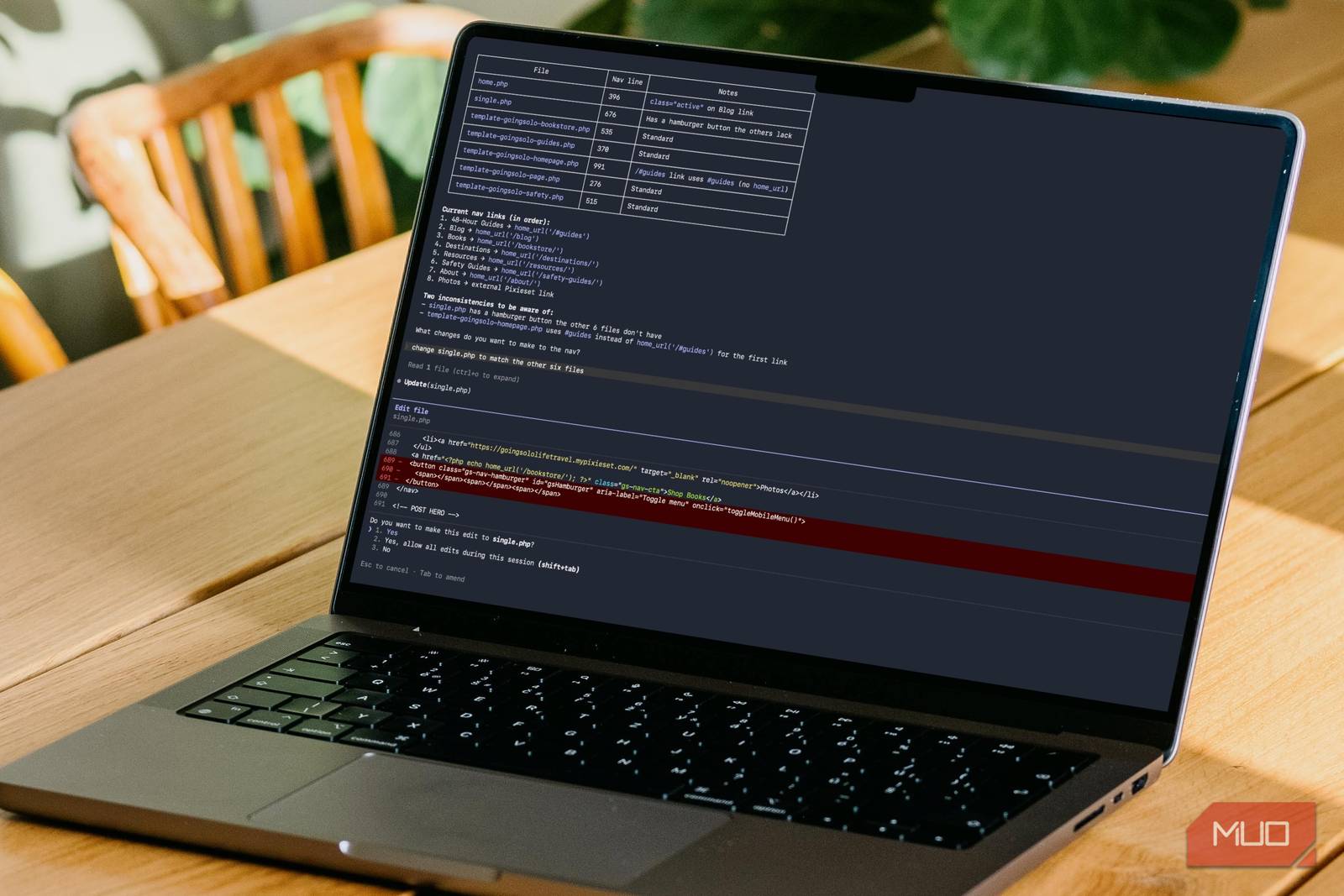
    Recently, a user ventured into the realm of Linux desktop customization with the assistance of Claude, a tool developed by Anthropic that utilizes advanced AI capabilities. The experience turned out to be more intense than anticipated, raising important questions about automation in familiar environments and the readiness of AI solutions for practical applications.

    Claude’s role in this endeavor illustrates the increasing reliance on AI for personalized technology solutions. While the promise of seamless customization is appealing, the reality presented a series of unexpected challenges. Users often seek intuitive enhancements to their systems, yet when AI engages in tasks that require nuanced understanding and precision, the results can vary significantly.

    In this instance, the user found that Claude’s attempts at customizing the Linux environment resulted in a configuration that was less than ideal. This raises an essential point about the current capabilities of AI: while tools like Claude can offer impressive solutions, they can also produce outcomes that require further refinement and human intervention. The balance between automation and human oversight becomes crucial, particularly for business operators who depend on efficiency and reliability.

    The implications of this experience extend beyond individual users. As companies increasingly seek to integrate AI into their workflows, the lessons learned here highlight the importance of setting realistic expectations. The trajectory of automation is not solely about achieving instantaneous results; it also involves understanding the learning curve associated with new technologies. Organizations must prepare for potential obstacles and foster an environment that encourages iterative improvement.

    Furthermore, this incident shines a light on the competitive landscape shaped by companies like Polymarket and OpenClaw, which are also working to enhance automation in various sectors. As these platforms evolve, they could benefit from the insights garnered from user experiences with AI tools like Claude. By focusing on user feedback and iterating on solutions, these companies can better align their offerings with market needs and user expectations.

    The experience with Claude also underscores the importance of community support in technology adoption. As users navigate the complexities of tools that promise to simplify their tasks, the sharing of experiences and solutions can empower others facing similar challenges. This collective learning can drive innovation and shape future developments in AI technology.

    As we look ahead, the strategic outlook for AI-enhanced automation suggests a dual pathway. On one hand, there is a growing appetite for more sophisticated tools that can handle intricate tasks autonomously. On the other, there is a clear need for robust support systems and user education to ensure successful integration. Companies will likely invest more in training and resources to bridge the gap between expectation and reality.

    In conclusion, while the experience of using Claude for Linux customization may have been more challenging than expected, it serves as a valuable case study for what lies ahead in the intersection of AI and user experience. Businesses that embrace both the potential and the pitfalls of automation will be better positioned to harness the full advantages of these advancements in the coming months.

    The recent experience of a user attempting to customize their Linux desktop with Claude underscores a significant issue within the realm of AI-assisted automation: the necessity of human oversight. While Claude, developed by Anthropic, shows promise in offering tailored solutions, the unexpected complexities encountered during this process highlight a critical gap in the readiness of AI for nuanced tasks. This event prompts a broader discussion about the integration of AI in business operations, where executives must consider not just the capabilities of these tools, but also the level of human intervention required to achieve optimal results. The reliance on AI can lead to inefficiencies if organizations are not prepared to navigate the intricacies that accompany automation.

    As companies like Polymarket and OpenClaw push the boundaries of automation across various sectors, the lessons from Claude’s performance serve as a warning. The promise of streamlined workflows must be tempered with an understanding of the challenges inherent in deploying AI solutions. Businesses that fail to account for these potential pitfalls may find themselves facing setbacks that could have been avoided with proper planning and foresight. This situation also emphasizes the need for organizations to foster a culture of continuous learning and adaptation, as the landscape of AI continues to evolve and present new challenges.

    Strategically, the next 6-12 months will likely see a shift in how organizations view AI tools like Claude. Executives will need to invest not only in the technology itself but also in training and support systems that facilitate effective human-AI collaboration. As the industry matures, the focus will increasingly be on developing robust frameworks that allow for iterative improvements, ensuring that the deployment of AI is both efficient and reliable. This strategic pivot will be essential for businesses aiming to leverage automation without compromising on quality and effectiveness.

    Source: makeuseof.com.

    Related reading: AWS Expands Anthropic Partnership with Claude Platform Launch, OpenClaw in Practice: Building Laptop-Less Engineering Workflows with an Agent Harness, and AI Video Analysis: A Comparative Test of Gemini, ChatGPT, and Claude.

  • OpenClaw in Practice: Building Laptop-Less Engineering Workflows with an Agent Harness

    OpenClaw in Practice: Building Laptop-Less Engineering Workflows with an Agent Harness

    OpenClaw is transforming engineering practices by enabling laptop-less workflows, streamlining operations through automation.

    In recent developments, OpenClaw has emerged as a pivotal tool for engineering teams seeking to enhance their productivity by minimizing the complexities associated with traditional workflows. By serving as a workflow harness, OpenClaw allows users to automate various tasks, including incident triage, reviews, and operational responsibilities, effectively reducing the need for constant context switching between applications like Slack, terminals, and consoles.

    This innovation is particularly beneficial in fast-paced environments where efficiency is paramount. Engineers can engage more effectively with their work, focusing on problem-solving and project advancement rather than getting bogged down by the logistical challenges of managing multiple platforms. The seamless integration of OpenClaw with existing tools enhances its utility, making it a compelling choice for organizations aiming to streamline operations.

    The implications of adopting OpenClaw extend beyond mere convenience. Businesses can anticipate a significant reduction in time spent on routine tasks, allowing teams to allocate their resources toward more strategic initiatives. With incident triage automated, for instance, organizations can respond to issues more swiftly, thereby maintaining higher service levels and minimizing downtime.

    As the technology landscape continues to evolve, OpenClaw’s role in facilitating automation becomes increasingly relevant. The emphasis on reducing manual interventions not only optimizes workflows but also positions companies to leverage their human capital more effectively. By automating repetitive tasks, OpenClaw enables engineers to engage in higher-order thinking and innovation, which are crucial for competitive advantage.

    Looking ahead, the integration of OpenClaw into various sectors could reshape how engineering teams operate. The potential for remote work to become even more efficient is substantial, as teams can engage in complex projects without the traditional constraints posed by hardware limitations. This shift could lead to broader adoption of laptop-less environments, where mobile devices and cloud-based solutions take precedence.

    In the next 6 to 12 months, we can expect OpenClaw to influence the market significantly by setting new standards for operational efficiency. Companies that embrace this technology may find themselves at the forefront of industry innovation, capitalizing on the ability to streamline workflows and enhance team collaboration. As more organizations recognize the value of automation, OpenClaw could become synonymous with modern engineering practices, driving a paradigm shift in how teams operate.

    In conclusion, OpenClaw is not just a tool but a transformative approach to engineering workflows. As it continues to gain traction, its impact on productivity and operational efficiency will likely resonate across industries, marking a significant step toward future-ready engineering solutions.

    OpenClaw’s innovative approach to workflow automation is not just about convenience; it signifies a broader shift in how engineering teams can operate. By effectively reducing reliance on multiple devices and applications, OpenClaw empowers organizations to create more cohesive and agile environments. This transformation is particularly relevant for sectors where rapid decision-making is crucial. The ability to automate repetitive tasks allows teams to stay focused on critical projects and enhances overall productivity. As remote work becomes increasingly prevalent, the integration of OpenClaw positions companies to maintain high levels of performance without the traditional constraints associated with physical hardware.

    Moreover, the versatility of OpenClaw in automating various operational tasks means that businesses can expect not only reduced operational friction but also improved collaboration among team members. By centralizing workflows and minimizing context switching, OpenClaw fosters a culture of efficiency that aligns well with the strategic goals of many organizations. In an era where time is often equated with money, the capacity to streamline processes can lead to significant competitive advantages, enabling companies to respond proactively to market demands.

    Strategic Outlook: Over the next 6-12 months, organizations adopting OpenClaw are likely to see a marked improvement in their operational metrics. As more teams embrace laptop-less workflows, the demand for tailored automation solutions will rise. This trend may prompt other players in the technology space to develop similar tools or enhance existing platforms to compete. Consequently, companies that leverage OpenClaw effectively could gain insights into their operational efficiencies, leading to more informed decision-making and strategic planning. The long-term implications of such a shift are profound, as businesses will be better equipped to navigate an increasingly complex technological landscape, ultimately driving innovation and growth.

    The implementation of OpenClaw is not just a technological advancement; it represents a strategic shift in how engineering teams can operate in a rapidly changing market. By removing the dependency on laptops, organizations can foster a more agile environment where engineers can pivot quickly between tasks without the burden of traditional hardware constraints. This agility allows companies to respond more effectively to market demands and customer needs, ultimately enhancing their competitiveness. The ability to streamline operations through automation also plays a crucial role in reallocating valuable human resources toward innovation and strategic projects, rather than mundane operational tasks.

    Furthermore, as businesses increasingly adopt OpenClaw, there is a significant market implication regarding workforce dynamics. Teams that leverage this technology may find themselves at an advantage in attracting top talent who seek modern and flexible working conditions. The emphasis on automation and efficiency can also lead to improved employee satisfaction, as engineers find themselves freed from repetitive tasks and empowered to focus on areas that require creativity and critical thinking. This shift not only enhances productivity but also positions companies as forward-thinking employers in the tech landscape.

    Strategic Outlook: Over the next 6 to 12 months, the adoption of OpenClaw is poised to influence industry standards for engineering workflows significantly. As more organizations recognize the benefits of automation and laptop-less environments, we can expect a ripple effect across sectors. Companies that embrace these changes will likely see improved operational metrics, which could set new benchmarks for efficiency. Additionally, as competition increases among firms to implement such innovative practices, the pressure will mount for others to follow suit or risk falling behind in a landscape that increasingly values agility and responsiveness.

    Source: hackernoon.com.

    Related reading: Navigating the Future of Crypto with Polymarket and OpenClaw, AWS Expands Anthropic Partnership with Claude Platform Launch, and OpenClaw’s Insights on Agent Security Models in AI Ecosystems.

  • Polymarket Removes Waitlist, Launches for US iOS Users

    Polymarket Removes Waitlist, Launches for US iOS Users

    Polymarket has officially launched its app for U.S. iOS users, removing the waitlist and expanding its market reach.

    On May 12, 2026, Polymarket announced that the much-anticipated rollout of its U.S. app is now available to users who had previously signed up for the waitlist. This development marks a significant step for Polymarket as it seeks to enhance user engagement and broaden its audience in the competitive prediction market landscape.

    The removal of the waitlist positions Polymarket to tap into a larger segment of the U.S. market, providing users with an innovative platform for trading on various events and outcomes. As mobile applications become increasingly central to consumer engagement, this launch is timely, allowing users to access the platform seamlessly through their iOS devices. With an emphasis on user experience, Polymarket is poised to capture the attention of individuals interested in a diverse range of prediction markets.

    This expansion comes at a time when the competition among prediction market platforms is intensifying. Companies like OpenClaw are also innovating within this space, utilizing automation and advanced algorithms to enhance user interaction and market accuracy. The entry of Polymarket into the U.S. iOS market not only strengthens its own position but also challenges competitors to elevate their offerings. Such competition can lead to better services and features for end-users, ultimately benefiting the entire ecosystem.

    Furthermore, the launch has implications for regulatory dynamics in the U.S. As prediction markets operate in a gray area of legality, greater visibility and user participation could prompt regulators to take a closer look at how these platforms function. Polymarket’s move may encourage other companies in the space to either expedite their own technological advancements or reconsider their compliance strategies to ensure longevity in the market.

    Strategically, Polymarket’s decision to eliminate the waitlist also highlights a broader trend in the tech industry towards inclusivity and accessibility. By welcoming more users, Polymarket not only enhances its user base but also diversifies the types of predictions and insights available on the platform. This user-generated content is essential for the health of any prediction market; a wider user base can lead to richer data and more accurate forecasting.

    In the coming months, we can expect that Polymarket will continue to innovate and expand its features to maintain a competitive edge. As user engagement increases, the platform may explore partnerships with other tech firms or even venture into new prediction domains. This could include collaborations with entities focused on automation, similar to OpenClaw, which might further enhance predictive capabilities and broaden the scope of market participants.

    In summary, Polymarket’s launch for U.S. iOS users is a strategic move that not only increases its market reach but also sets the stage for significant developments within the prediction market industry. As competition heats up and user engagement rises, the next 6 to 12 months will be critical for both Polymarket and its competitors as they navigate this evolving landscape.

    The launch of Polymarket’s app for U.S. iOS users signifies a pivotal moment in the prediction market sector, especially as it eliminates the waitlist that previously restricted user access. This strategic decision not only broadens Polymarket’s market penetration but also reflects a response to the growing consumer demand for accessible, real-time engagement with prediction markets. As mobile technology continues to shape user experiences, platforms that prioritize seamless access will likely find themselves in a more favorable position to attract a diverse user base, including both casual participants and serious investors.

    Moreover, the competitive landscape is shifting, with companies like OpenClaw innovating through automation and advanced analytics, creating sophisticated user experiences. Polymarket’s entry into this arena not only bolsters its competitive edge but also sets a benchmark for others in the industry. The emphasis on user experience can drive a paradigm shift where platforms are increasingly evaluated based on their ability to engage users effectively, rather than solely on the accuracy of predictions. This trend could foster a more vibrant ecosystem, encouraging platforms to invest in technology that enhances user interaction and satisfaction.

    Strategic Outlook: Over the next 6 to 12 months, the expansion of Polymarket’s user base may catalyze a re-evaluation of compliance and regulatory frameworks surrounding prediction markets. As user interaction increases, regulators are likely to scrutinize these platforms more closely, potentially leading to new guidelines that could reshape operational practices. This evolving regulatory landscape may compel companies to invest in robust compliance measures and transparency, ultimately driving innovation while ensuring user protection. Furthermore, as competition intensifies, we can expect to see additional features and services that enhance user engagement, creating a ripple effect that could benefit the entire market.

    Source: finance.yahoo.com.

    Related reading: Navigating the Future of Crypto with Polymarket and OpenClaw, AWS Expands Anthropic Partnership with Claude Platform Launch, and MoonPay Acquires Dawn Labs, Launches AI Trading Copilot for Prediction Markets.

  • Exaforce Secures $125 Million to Enhance Agentic SOC Platform

    Exaforce Secures $125 Million to Enhance Agentic SOC Platform

    Exaforce has recently announced a substantial funding round, attracting $125 million to bolster its Agentic Security Operations Center (SOC) platform. This move comes as the company aims to further develop its product and expand its presence on the international stage. With a total funding of $200 million raised to date, Exaforce is positioning itself as a key player in the cybersecurity automation landscape.

    The Agentic SOC platform is designed to enhance operational efficiency for security teams by automating various processes. This automation is critical in addressing the growing complexities of cybersecurity threats that organizations face today. As businesses increasingly rely on digital infrastructure, the demand for sophisticated security measures has never been more pressing. By securing this latest round of funding, Exaforce seeks to refine its offerings and cater to a wider audience.

    Exaforce’s approach aligns with broader industry trends that emphasize the need for automation in cybersecurity. As threats become more sophisticated, manual interventions are often insufficient. The integration of automated systems allows organizations to respond more swiftly to potential breaches, minimizing damage and ensuring compliance with regulatory standards. This investment could significantly enhance the capabilities of the Agentic SOC platform, making it an attractive option for businesses seeking robust security solutions.

    Furthermore, the influx of capital positions Exaforce to expand its market reach. International growth could open up new avenues for partnerships and collaborations, enhancing the platform’s capabilities through shared expertise. As companies worldwide grapple with similar cybersecurity challenges, solutions like those offered by Exaforce could become indispensable tools in their defense arsenals.

    The implications of this funding extend beyond Exaforce itself. As automation in cybersecurity continues to gain traction, competitors within the sector may find themselves compelled to innovate at a faster pace. This could lead to a wave of advancements in automated security technologies, ultimately benefiting organizations looking to safeguard their digital assets. The increased competition may also drive down costs, making advanced security solutions more accessible to smaller enterprises.

    Investors are likely to keep a keen eye on how Exaforce utilizes this funding. Successful product development and expansion could set a precedent for other startups in the cybersecurity space, encouraging further investment in automation technologies. Conversely, any missteps could dampen investor confidence, highlighting the precarious nature of funding in a rapidly evolving industry.

    In conclusion, Exaforce’s recent capital raise is a noteworthy development in the cybersecurity sector. As the demand for automated security solutions continues to grow, the company’s enhanced Agentic SOC platform could play a pivotal role in shaping the future of cybersecurity operations. By leveraging this funding effectively, Exaforce has the potential to solidify its position as a leader in the market.

    Strategic Outlook: Over the next 6 to 12 months, the cybersecurity landscape is likely to witness significant shifts driven by advancements in automation. As Exaforce develops its platform, other companies may follow suit, leading to heightened competition and innovation. Organizations will increasingly prioritize automated solutions, pushing cybersecurity firms to innovate continuously. The focus on international expansion will also result in a more global approach to cybersecurity challenges, ultimately benefiting businesses by providing them with more comprehensive solutions and strategies.

    The recent funding round for Exaforce not only highlights the company’s ambitions within the cybersecurity sector but also reflects the growing recognition among businesses about the critical importance of automated security solutions. As cyber threats continue to escalate in both frequency and sophistication, organizations are compelled to adopt advanced technologies that can streamline their security operations. The Agentic SOC platform, with its focus on automation, positions Exaforce to address a key pain point for many enterprises: the need to enhance operational efficiencies while managing limited resources. This investment further underscores the trend toward proactive rather than reactive security strategies, which are necessary for safeguarding corporate assets in a complex digital landscape.

    Moreover, as Exaforce gears up for international expansion, it may also look to forge strategic partnerships with other technology firms, including those working on complementary solutions such as Polymarket and OpenClaw. Collaborations in this space could lead to innovative integrations that not only enhance the functionality of Exaforce’s offerings but also widen its appeal across diverse sectors facing unique security challenges. The interconnectivity of these platforms may also foster a shared ecosystem of intelligence and responsiveness, key components in modern cybersecurity frameworks.

    Strategic Outlook: Over the next 6-12 months, the implications of this funding round could be significant for both Exaforce and the cybersecurity landscape at large. As the company invests in refining its SOC platform, we can expect a wave of advancements that may set new benchmarks for automation in cybersecurity. This could prompt existing players to accelerate their innovation cycles, leading to enhanced competition and a rapid evolution of security technologies. Additionally, the focus on international growth may enable Exaforce to tap into emerging markets where cybersecurity needs are burgeoning, ultimately creating a more dynamic and competitive environment that emphasizes the necessity of robust, automated solutions for all businesses.

    Source: securityweek.com.

    Related reading: AWS Expands Anthropic Partnership with Claude Platform Launch, Navigating the Future of Crypto with Polymarket and OpenClaw, and AI Video Analysis: A Comparative Test of Gemini, ChatGPT, and Claude.

  • OpenAI Launches Daybreak as AI Firms Expand Into Cybersecurity

    OpenAI Launches Daybreak as AI Firms Expand Into Cybersecurity

    OpenAI’s recent launch of the Daybreak initiative marks a significant step forward in the integration of artificial intelligence within the cybersecurity landscape.

    On May 11, 2026, OpenAI unveiled Daybreak, a program designed to leverage AI technologies to assist organizations in identifying software vulnerabilities and accelerating their cyber defense strategies. This initiative comes at a time when the cybersecurity sector is increasingly under pressure to evolve in response to growing threats and sophisticated attack vectors. With the frequency and complexity of cyberattacks on the rise, the need for advanced solutions has never been more critical.

    Daybreak utilizes machine learning algorithms to analyze vast amounts of data and identify potential security flaws before they can be exploited by malicious entities. This proactive approach is essential for businesses that must guard against not only external threats but also internal vulnerabilities. As organizations strive to protect sensitive information, the integration of AI in cybersecurity represents a transformative shift that could redefine how companies approach their security protocols.

    The implications of this launch extend beyond OpenAI. As major players in the AI sector, companies like Anthropic and Polymarket are also looking to bolster their offerings in cybersecurity. Anthropic’s Claude, for example, is anticipated to play a role in automating response strategies for security breaches, while Polymarket explores predictive analytics to forecast potential risks. This collaborative ecosystem suggests that the future of cybersecurity will be heavily influenced by advancements in AI technology.

    Furthermore, OpenClaw, another emerging player in this domain, is providing insights into agent security models within AI ecosystems, adding another layer of complexity and capability to the cybersecurity landscape. As organizations begin to adopt these technologies, they must consider not only the immediate benefits but also the long-term implications for their operational frameworks.

    The launch of Daybreak signals a competitive shift within the cybersecurity market. As more firms embrace AI-driven solutions, the industry can expect an influx of innovative tools that enhance threat detection and response capabilities. For executives, this evolution offers both opportunities and challenges. On one hand, leveraging these technologies can lead to improved security postures and reduced operational risks. On the other hand, it requires a reevaluation of existing infrastructure and a commitment to ongoing investment in cybersecurity initiatives.

    In the next 6 to 12 months, the strategic landscape will likely see increased collaboration among AI firms, as well as a push for regulatory compliance regarding cybersecurity measures. Organizations will need to prioritize integrating AI solutions, such as OpenAI’s Daybreak, to remain competitive and secure. The emphasis will be on not just adopting these technologies but also ensuring they are effectively implemented and managed within their operational frameworks.

    As the cybersecurity landscape continues to evolve, executives must stay informed about the latest advancements and best practices to protect their organizations. The launch of initiatives like Daybreak is a clear indication that AI is set to play a pivotal role in the future of cybersecurity, making it imperative for business leaders to adapt and innovate in response to this changing environment.

    The launch of OpenAI’s Daybreak initiative not only signifies a pivotal moment for the integration of artificial intelligence in cybersecurity but also highlights a broader trend among technology firms seeking to address critical vulnerabilities in digital infrastructure. As cyber threats grow more sophisticated, the ability to leverage AI for proactive identification and mitigation of risks becomes increasingly essential for organizations across all sectors. This shift is particularly relevant for executives, as the implications of adopting AI-driven solutions can transform not just security protocols but also overall business resilience. By adopting such technologies, companies can enhance their agility in responding to incidents, thus preserving their reputation and operational integrity.

    Moreover, the competitive landscape is shifting as other AI firms, including Anthropic and Polymarket, expand their footprint in the cybersecurity domain. Anthropic’s Claude is expected to facilitate automation in response strategies, empowering organizations to respond more effectively to security breaches. Meanwhile, Polymarket’s exploration of predictive analytics offers an innovative approach to anticipating potential risks, which can significantly enhance decision-making processes for business leaders. These developments suggest that companies leveraging AI in cybersecurity will not only fortify their defenses but may also gain strategic advantages in predicting and mitigating threats before they escalate.

    Strategic Outlook: Over the next 6 to 12 months, the cybersecurity landscape is likely to witness accelerated adoption of AI-driven solutions. As more organizations recognize the value of integrating technologies like Daybreak, Claude, and Polymarket’s analytics, we can expect a ripple effect throughout the industry. Companies will need to reassess their cybersecurity strategies, prioritizing investments in AI-enhanced systems to maintain a competitive edge. The collaboration and innovation catalyzed by these advancements will shape a more proactive and resilient cybersecurity posture, ultimately redefining risk management in the digital age.

    Source: decrypt.co.

    Related reading: Navigating the Future of Crypto with Polymarket and OpenClaw, AWS Expands Anthropic Partnership with Claude Platform Launch, and AI Video Analysis: A Comparative Test of Gemini, ChatGPT, and Claude.

  • Polymarket Scandal: Air Force Officer’s Allegations Shake Industry

    Polymarket Scandal: Air Force Officer’s Allegations Shake Industry

    Recent allegations against an Air Force officer have brought to light serious concerns regarding the integrity of the Polymarket platform and its potential implications for the industry.

    An Air Force officer has been indicted on charges that he claimed the entire Israel Air Force (IAF) is involved in gambling activities through the Polymarket platform. The prosecution has accused him of demonstrating a willingness to sell sensitive information for financial gain, thereby jeopardizing the safety of IAF pilots and operations. This scandal not only raises questions about the conduct of military personnel but also places a spotlight on the ethical frameworks governing prediction markets.

    The allegations have ignited a firestorm of discussions around the intersection of gambling, military operations, and technology. For executives, this situation is a stark reminder of the vulnerabilities that can emerge when technology platforms like Polymarket are utilized in environments where sensitive information is at stake. The potential for misuse by individuals in positions of power raises significant ethical concerns that need to be addressed promptly and transparently.

    As the situation develops, stakeholders in the technology and gambling sectors are closely monitoring the ramifications of these allegations. The implications for Polymarket could be profound, particularly if it is determined that the platform has been used to facilitate illegal gambling activities involving individuals with access to classified information. Such findings could lead to increased regulatory scrutiny and calls for stricter oversight of prediction markets.

    Furthermore, the scandal has broader implications for the adoption of platforms that incorporate automation and AI technologies. Companies like OpenClaw, which are focused on enhancing security and operational integrity through automation, may find themselves at the forefront of discussions around how to prevent similar incidents in the future. The need for robust security measures and transparent operational practices has never been more critical.

    In light of these developments, it is essential for business leaders to reassess their risk management strategies. Engaging in prediction markets can yield valuable insights, but the potential for ethical breaches and reputational damage must be carefully weighed. As the Polymarket scandal unfolds, organizations must remain vigilant and proactive in ensuring that their operational practices align with ethical standards and regulatory requirements.

    Strategically, the coming 6 to 12 months will likely see a shift in how prediction markets are perceived and regulated. Companies involved in this space will need to adapt to a changing landscape that may require new compliance measures and ethical guidelines. As technology continues to advance, the challenge will be to harness its potential while safeguarding against misuse that could undermine public trust.

    The recent allegations against the Air Force officer have not only cast a shadow over Polymarket but also raised critical questions about the broader implications for digital prediction markets. As businesses increasingly rely on platforms that facilitate real-time decision-making and data-driven betting, the potential for misuse becomes a pressing concern. The intersection of gambling with sensitive information highlights the urgent need for companies to implement stringent governance frameworks that can safeguard their operations against ethical breaches. This situation serves as a cautionary tale for executives who must balance innovation with responsibility, particularly in industries where the stakes involve national security and public trust.

    Moreover, this scandal underscores the necessity for enhanced collaboration between technology providers and regulatory bodies. As firms like OpenClaw work to integrate automation into their security protocols, the lessons learned from the Polymarket incident could shape future compliance measures. Executives should consider how these developments may influence their own operational strategies, particularly regarding the adoption of predictive analytics and AI technologies. The potential fallout from this incident could prompt not only regulatory changes but also a reevaluation of how firms approach risk management in the context of emerging digital platforms.

    Strategically, businesses must prepare for a landscape where regulatory scrutiny is expected to increase over the next 6 to 12 months. As stakeholders demand greater transparency and ethical accountability, companies will need to proactively address these challenges. Investing in robust security frameworks and engaging in open dialogues with regulators will be crucial for maintaining operational integrity and public confidence. The outcome of the Polymarket scandal may well set a precedent for how the industry navigates the complexities of technology, ethics, and governance moving forward.

    Source: jpost.com.

    Related reading: Navigating the Future of Crypto with Polymarket and OpenClaw, AWS Expands Anthropic Partnership with Claude Platform Launch, and AI Video Analysis: A Comparative Test of Gemini, ChatGPT, and Claude.