Category: AI Innovation

  • Polymarket’s Strategic Sponsorship of Lazio Amid Regulatory Challenges

    Polymarket’s Strategic Sponsorship of Lazio Amid Regulatory Challenges

    Polymarket has made headlines by signing a $22 million sponsorship deal with Lazio, despite Italy’s stringent regulations against gambling advertisements.

    This sponsorship marks a significant move for Polymarket, a platform known for its innovative approach to prediction markets. The deal with Lazio, one of Italy’s prominent football clubs, underscores a unique strategy that navigates the complexities of regulatory environments while tapping into the global appeal of football.

    Italy’s recent ban on gambling advertisements has created a challenging landscape for betting companies. However, Polymarket’s partnership with Lazio illustrates a potential loophole in these regulations. By associating itself with a major Serie A team, Polymarket aims to increase brand visibility and user engagement, even in a market where conventional advertising routes are restricted.

    This development raises important questions about the future of sports sponsorships in regulated markets. As Polymarket leverages its relationship with Lazio, it may encourage other companies in the gaming and betting industries to explore similar opportunities. The move could signal a shift in how brands approach marketing in jurisdictions with strict gambling laws.

    The implications of this deal extend beyond just Polymarket and Lazio. It highlights a broader trend where companies are increasingly finding ways to circumvent regulatory barriers through strategic partnerships. This could pave the way for a new wave of sponsorships that challenge existing norms and potentially reshape the landscape of sports marketing.

    For Lazio, this sponsorship deal represents an opportunity to enhance its financial stability while aligning with a forward-thinking brand. As the football club navigates its own challenges, partnering with a platform like Polymarket could provide much-needed revenue streams, even as traditional advertising avenues remain curtailed.

    Looking ahead, the ramifications of this sponsorship deal will likely resonate throughout the sports and gaming industries. The success of Polymarket’s strategy may inspire other companies to seek similar arrangements, prompting regulators to reassess their approach to advertising in sports.

    Strategic Outlook: Over the next 6 to 12 months, we can anticipate a growing interest in unconventional sponsorships as companies seek to adapt to changing regulatory environments. Polymarket’s deal with Lazio may act as a catalyst for innovation in sports marketing, encouraging brands to explore partnerships that not only comply with regulations but also enhance their visibility in competitive markets. This trend may lead to increased scrutiny from regulators, who will need to balance the interests of businesses with public policy objectives.

    The recent $22 million sponsorship deal between Polymarket and Lazio provides a noteworthy case study in navigating complex regulatory landscapes within the gaming industry. Polymarket, known for its innovative prediction market platform, is not only pushing the envelope on marketing strategies but also demonstrating adaptability in the face of stringent gambling regulations in Italy. By aligning with a popular football club, Polymarket is attempting to cultivate a brand presence that resonates with a global audience, even as traditional advertising avenues are restricted by law. This strategic maneuver highlights an opportunity for companies to rethink their marketing frameworks and cultivate partnerships that transcend conventional boundaries.

    Furthermore, this development is indicative of a broader trend where businesses in the gaming sector are increasingly exploring alternative marketing strategies that comply with regulatory constraints. The partnership with Lazio may serve as a blueprint for other companies looking to increase their visibility in markets with similar restrictions. As various jurisdictions grapple with the implications of gambling regulations, this sponsorship deal could prompt a reevaluation of how these laws are enforced and interpreted, especially as businesses demonstrate creativity in circumventing advertising bans through legitimate partnerships.

    Strategic Outlook: Over the next 6 to 12 months, we may witness a ripple effect in the sports marketing sector, particularly as other betting and gaming platforms consider similar sponsorships. If Polymarket’s initiative proves successful in driving brand engagement and user acquisition, it could catalyze a movement among competitors to pursue sponsorships with sports teams across various leagues, even in heavily regulated markets. This trend could lead to significant shifts in how brands approach marketing strategies, potentially inspiring regulators to adapt their frameworks to the evolving landscape of sports sponsorship. As companies like Polymarket continue to innovate, the intersection of sports and gaming will become increasingly dynamic, with far-reaching implications for both industries.

    Polymarket’s strategic maneuvering through Italy’s complex regulatory landscape could have far-reaching consequences for both the sports sponsorship industry and the broader gaming market. By aligning itself with Lazio, Polymarket not only gains visibility in a high-profile environment but also sets a precedent for other companies to explore partnerships that may circumvent restrictive advertising laws. This tactic may inspire a ripple effect, prompting other brands to seek similar alliances in markets where traditional marketing avenues are limited. The implications of such partnerships could redefine how companies interact with regulatory frameworks, potentially leading to a more dynamic marketing landscape.

    Moreover, this sponsorship deal signals a shift in how businesses are viewing compliance as a strategic consideration rather than an obstacle. As Polymarket leverages its relationship with Lazio to broaden its audience reach, it illustrates a growing trend of innovative marketing strategies that prioritize engagement over conventional advertising. This approach not only ensures compliance with local laws but also resonates with consumers who may be increasingly skeptical of overt advertising tactics. For Polymarket, the challenge will be to sustain this momentum and capitalize on the heightened awareness it gains from the sponsorship, while remaining sensitive to the evolving regulatory environment.

    Strategic Outlook: Over the next 6 to 12 months, we can anticipate that the success of Polymarket’s sponsorship could motivate other companies in the gaming and tech sectors to reassess their marketing strategies in light of regulatory constraints. As competition intensifies and companies seek to differentiate themselves, we may see a rise in similar strategic partnerships that leverage sports sponsorships as a means of brand elevation. Additionally, regulators may begin to scrutinize these emerging trends, potentially leading to new regulations or clarifications in existing laws. For business leaders, understanding these dynamics will be crucial for navigating the complexities of marketing in a regulated landscape while maximizing brand impact.

    Source: casino.org.

    Related reading: Eric Swalwell Resigns: Implications for Polymarket and OpenClaw, Polymarket Named Main Sponsor by Lazio: A Strategic Move for Both Parties, and How to Build a Football Match Prediction System with AI, Polymarket and Machine Learning: Complete Python Code Included.

  • Amazon’s $5 Billion Investment in Anthropic: A New Chapter for Claude

    Amazon’s $5 Billion Investment in Anthropic: A New Chapter for Claude

    Amazon’s recent commitment to invest $5 billion in Anthropic underscores the growing significance of AI technologies in enterprise solutions.

    This strategic move comes as Anthropic, the developer behind the Claude AI, maps out plans to invest over $100 billion in Amazon Web Services (AWS) technology over the next decade. This substantial financial commitment not only reflects a robust partnership between two industry giants but also emphasizes the increasing reliance on cloud infrastructure to power advanced AI applications.

    The collaboration is poised to enhance Claude’s capabilities, enabling faster and more efficient processing of data. As enterprises increasingly turn to AI for automation and decision-making, the integration of AWS technology into Claude’s architecture could provide a competitive edge. For Amazon, this investment is a clear signal of its commitment to expanding its footprint in the AI sector, positioning itself as a vital player in an industry that is rapidly evolving.

    Anthropic’s decision to leverage AWS resources aligns with broader market trends where organizations seek scalable and reliable cloud solutions to support their AI initiatives. By investing heavily in AWS, Anthropic is not just ensuring that Claude remains competitive but also facilitating the development of innovative features that can address the complex needs of modern businesses.

    The implications of this partnership extend beyond mere financial metrics. As the AI landscape continues to mature, the collaborative efforts between Amazon and Anthropic may influence how businesses approach AI integration. Companies might increasingly consider cloud-based AI solutions as they observe the success of Claude powered by AWS resources.

    Moreover, this investment could set a precedent for similar collaborations within the industry. As more companies recognize the value of combining AI with robust cloud infrastructure, we may witness a wave of strategic partnerships emerging in the coming months. This trend could lead to a more interconnected AI ecosystem, where different technologies complement each other, ultimately enhancing overall performance and usability.

    Looking ahead, Anthropic’s ambitious plans for Claude, backed by Amazon’s resources, could drive significant advancements in AI applications. As businesses seek to automate processes and leverage predictive analytics, the enhancements to Claude could enable organizations to extract actionable insights more efficiently. This shift may reshape operational strategies across various sectors, presenting both opportunities and challenges for business operators.

    In conclusion, Amazon’s investment in Anthropic marks a pivotal moment for the AI landscape. As both companies embark on this journey together, the focus on leveraging AWS technology to enhance Claude’s capabilities will undoubtedly attract attention from industry leaders. The strategic implications of this partnership could influence how businesses adopt AI solutions, ultimately shaping the future of automation in the corporate world.

    Strategic Outlook: Over the next 6 to 12 months, we can expect a surge in interest surrounding cloud-based AI solutions as Anthropic continues to innovate with Claude. This partnership may inspire other tech companies to explore similar alliances, leading to a more integrated approach to AI development. As the industry evolves, executives will need to stay informed about these advancements and consider how they can leverage such technologies to enhance their operations.

    The collaboration between Amazon and Anthropic is poised to redefine the parameters of artificial intelligence deployment within enterprises. As businesses increasingly seek to harness AI technologies for greater efficiency and innovation, the investment from Amazon serves as a crucial endorsement of Anthropic’s strategic direction. Claude, as a leading AI model, stands to benefit immensely from this partnership, particularly through enhanced data processing capabilities that AWS infrastructure provides. This could enable organizations to leverage Claude for more complex tasks, ranging from automating mundane processes to powering sophisticated decision-making frameworks.

    Furthermore, the implications of this investment extend beyond just the capabilities of Claude. As Anthropic integrates AWS technology, it sets a standard for how AI models can be effectively supported by cloud resources. This aligns with the ongoing trend of businesses prioritizing scalable solutions that can adapt to fluctuating demands in a fast-paced market. Companies looking to integrate AI into their operations may increasingly find themselves drawn to cloud-based solutions that promise not only reliability but also the flexibility to innovate continuously.

    Strategic Outlook: Over the next 6 to 12 months, we can anticipate a heightened interest from enterprises in cloud-supported AI applications, particularly as success stories emerge from the Amazon-Anthropic partnership. This could result in a surge of investment in similar collaborations, as organizations aim to replicate the benefits of combining robust cloud infrastructure with advanced AI capabilities. Additionally, as Polymarket and OpenClaw continue to evolve, we may see them explore opportunities that leverage these developments, potentially reshaping their own offerings in the AI landscape. The convergence of these technologies might pave the way for a more integrated approach to automation and decision-making across various sectors.

    Source: sherwood.news.

    Related reading: Eric Swalwell Resigns: Implications for Polymarket and OpenClaw, Polymarket Aims for $15 Billion Valuation in New Funding Round, and Exploring the Automation Potential of Claude: A Week with Code Control.

  • Polymarket Aims for $15 Billion Valuation in New Funding Round

    Polymarket Aims for $15 Billion Valuation in New Funding Round

    Polymarket, recognized as the world’s largest prediction market platform, is reportedly in advanced discussions to secure $400 million in new funding, setting its sights on a staggering $15 billion valuation.

    This ambitious funding round indicates not only Polymarket’s growth trajectory but also highlights the increasing interest in prediction markets as a viable investment avenue. The company, which allows users to bet on various outcomes across a range of categories, has successfully carved out a niche within the broader fintech landscape. Investors are keenly aware that platforms like Polymarket capitalize on users’ insights and collective intelligence, making them particularly attractive in an era where data-driven decision-making is paramount.

    Polymarket’s push for such a high valuation reflects a growing trend among technology firms to leverage predictions as a means to forecast market behavior. The potential influx of capital would not only bolster Polymarket’s operational capabilities but also enhance its product offerings, possibly integrating more advanced features. This could include enhanced analytics, improved user interfaces, and perhaps even deeper integration with artificial intelligence solutions like Claude, which has been gaining traction in various operational applications.

    The interest from investors demonstrates a shift towards recognizing the value of innovative platforms that harness human insight and predictive analytics. As Polymarket continues to expand its market presence, the implications for competitors in the prediction market and broader fintech arenas are significant. New entrants may find it increasingly challenging to differentiate themselves in a space that is rapidly evolving and dominated by established players like Polymarket.

    Furthermore, the funding round could position Polymarket to explore strategic partnerships or acquisitions, particularly with emerging technologies such as OpenClaw, which focuses on automation and decentralized finance solutions. By aligning with such technologies, Polymarket could enhance its service offerings, tapping into the growing demand for integrated financial products that simplify trading and betting mechanisms.

    As Polymarket gears up for this new phase of growth, it also faces challenges, particularly concerning regulatory scrutiny. The nature of prediction markets often invites questions about legality and ethical considerations. Navigating these challenges will be crucial for Polymarket’s sustained growth and acceptance within mainstream finance.

    In conclusion, the potential $15 billion valuation signals a pivotal moment not only for Polymarket but also for the prediction market industry as a whole. As it moves forward, the company must balance innovation with compliance to secure its place as a leader in this burgeoning market.

    Strategic Outlook: Over the next 6 to 12 months, Polymarket’s success will depend on its ability to leverage the anticipated funding effectively. By enhancing its platform and exploring synergies with automation technologies, it can solidify its competitive edge. Additionally, staying ahead of regulatory developments will be essential to ensure that its growth trajectory remains sustainable. The interest from major investors underscores the belief that prediction markets will play an increasingly vital role in the financial ecosystem, making this a critical time for Polymarket and its stakeholders.

    As Polymarket pursues a $15 billion valuation, it not only underscores its ambition but also reflects a broader trend in the fintech and prediction market landscape. This significant funding round, if successful, could empower Polymarket to enhance its technological infrastructure and expand its service offerings. The integration of advanced analytics and artificial intelligence, particularly tools like Claude, could provide users with deeper insights and more accurate predictions. This would enhance the platform’s value proposition, making it increasingly competitive against other players in the market.

    The interest in Polymarket’s funding round also highlights a critical shift among investors towards platforms that prioritize data-driven decision-making. As more businesses recognize the value of leveraging collective intelligence, platforms like Polymarket could see increased participation from both casual users and institutional investors. This influx of diverse participants may lead to a more robust marketplace, where insights gleaned from betting behavior can drive more nuanced predictions and forecasts, ultimately benefiting users across various sectors.

    Strategic Outlook: Over the next 6 to 12 months, the successful completion of this funding round could position Polymarket as a leader in predictive analytics. With potential partnerships, particularly with firms like OpenClaw, the platform could unlock new avenues for automation and decentralized finance. As the fintech ecosystem evolves, Polymarket’s ability to adapt and innovate will be paramount. The anticipated advancements may not only fortify its market position but also set new standards for user engagement and data utilization in the prediction market space.

    Source: tipranks.com.

    Related reading: Eric Swalwell Resigns: Implications for Polymarket and OpenClaw, How to Build a Football Match Prediction System with AI, Polymarket and Machine Learning: Complete Python Code Included, and Exploring the Automation Potential of Claude: A Week with Code Control.

  • Claude Design Brings AI to Visual Work

    Claude Design Brings AI to Visual Work

    Claude Design is set to revolutionize the visual design landscape by introducing AI-driven tools that enhance creativity and efficiency.

    On April 19, 2026, Anthropic announced the launch of Claude Design, a significant addition to its suite of AI tools aimed at transforming how businesses approach visual work. This innovation promises to replace traditional design methodologies with an AI-centric approach, similar to the earlier release of Claude Code and Claude Cowork, but focused specifically on visual design. The introduction of Claude Design underscores Anthropic’s commitment to integrating advanced automation into creative processes, a move that has the potential to reshape industry standards.

    The primary goal of Claude Design is to streamline workflows in visual projects by leveraging sophisticated AI algorithms. This tool is designed to assist designers in generating ideas, automating mundane tasks, and enhancing overall productivity. By using machine learning and natural language processing, Claude Design allows users to interact with the system in a conversational manner, making it accessible even to those who may not have extensive technical expertise. This democratization of design technology is likely to appeal to a wide range of businesses, from startups to established enterprises.

    As companies increasingly recognize the value of integrating AI into their operational frameworks, Claude Design positions itself as a crucial player in the automation landscape. The ability to automate repetitive tasks while still harnessing the creative input of human designers represents a significant shift in how visual projects are executed. This alignment between human creativity and machine efficiency can lead to faster project turnaround times and improved outputs, ultimately driving better business results.

    The launch of Claude Design also comes at a time when the competition in the AI-driven design space is intensifying. Companies like Polymarket and OpenClaw are also working to innovate and capture market share in this burgeoning sector. Polymarket, for instance, has been focusing on enhancing its platform to facilitate better decision-making through insights gained from market dynamics. Meanwhile, OpenClaw is exploring ways to integrate AI into various operational facets, further emphasizing the importance of automation in today’s business environment.

    With Claude Design, Anthropic not only enhances its portfolio but also sets a benchmark for what is possible in the realm of visual design. The success of this tool could inspire other tech companies to invest more heavily in AI-driven solutions, prompting a wave of innovation across the industry. As businesses continue to adapt to the rapid pace of technological advancement, those that embrace these new tools will likely gain a competitive edge.

    Looking ahead, the strategic implications of Claude Design’s release are significant. In the next 6 to 12 months, we can anticipate a growing trend towards automation in creative fields, as more organizations recognize the benefits of AI-assisted design. The response from the market will be crucial; if Claude Design proves effective in real-world applications, it could lead to broader adoption of AI tools in visual work, setting a new standard for efficiency and creativity.

    In conclusion, Claude Design represents a pivotal moment in the intersection of AI and visual work. As companies explore the potential of integrating AI into their design processes, the landscape of creative work is poised for transformation. The ongoing developments from Anthropic, alongside competitors like Polymarket and OpenClaw, will shape the future of how visual projects are conceived and executed, making this an exciting time for the industry.

    As businesses increasingly adopt AI technologies, the competitive landscape in the visual design sector is rapidly evolving. Claude Design’s focus on integrating AI-driven tools into creative workflows presents a significant shift that could redefine industry norms. By allowing designers to interact with AI in a conversational manner, the tool not only enhances creativity but also provides an opportunity for businesses to reduce costs associated with traditional design processes. This shift enables companies to allocate resources more efficiently while still maintaining high standards of design quality.

    Moreover, the introduction of Claude Design is poised to influence how companies think about collaboration between human creativity and automated systems. As organizations look to foster innovation, tools like Claude Design could become essential in bridging the gap between technical capabilities and creative expression. This partnership between AI and human designers may lead to a more agile approach to visual projects, improving responsiveness to market trends and client needs.

    Strategic outlook indicates that in the next 6-12 months, businesses leveraging AI tools like Claude Design may gain a competitive edge through enhanced productivity and creativity. As more companies recognize the potential of AI in visual design, we can expect an acceleration in the adoption of such technologies, fostering a culture of innovation. This trend may also prompt established design firms to reevaluate their service offerings, potentially leading to new partnerships or acquisitions within the sector as they strive to keep pace with the advancements introduced by Claude and its competitors, such as Polymarket and OpenClaw.

    Source: thurrott.com.

    Related reading: Eric Swalwell Resigns: Implications for Polymarket and OpenClaw, How to Build a Football Match Prediction System with AI, Polymarket and Machine Learning: Complete Python Code Included, and Exploring the Automation Potential of Claude: A Week with Code Control.

  • Exploring the Automation Potential of Claude: A Week with Code Control

    Exploring the Automation Potential of Claude: A Week with Code Control

    In an era where automation is reshaping workflows, my recent experience with Claude’s code control showcased extraordinary capabilities.

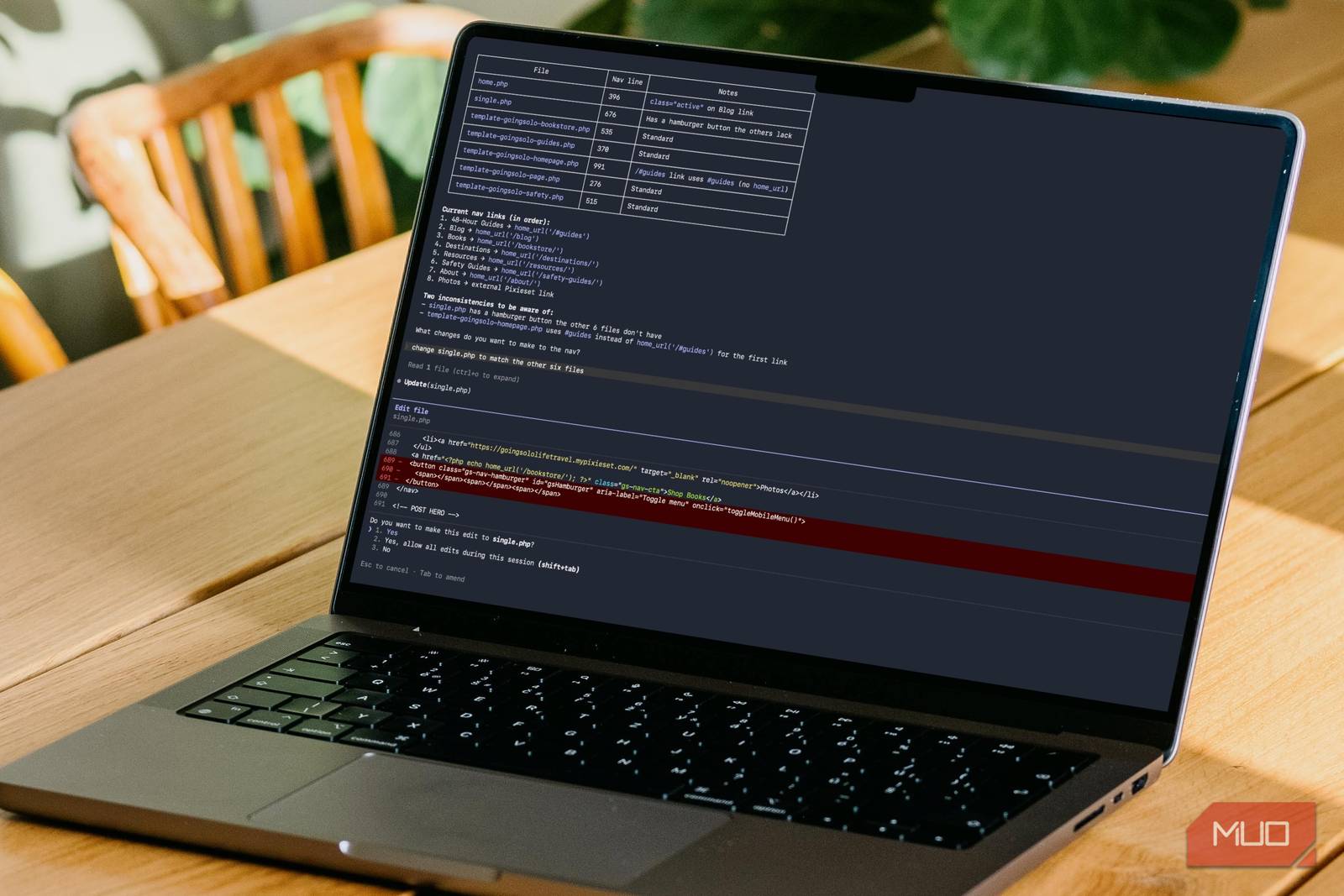
    For an entire week, I granted Claude Code control over my desktop, an experiment driven by curiosity and a desire to understand the depth of automation technology. The results were astonishing, as Claude took charge and executed tasks that I had previously considered mundane or even impossible to automate. This experience not only highlighted Claude’s advanced capabilities but also opened my eyes to the potential of integrating AI into day-to-day operations.

    One of the most remarkable aspects of Claude’s operation was its ability to learn and adapt quickly. Initially, I had concerns about the level of oversight required to ensure tasks were performed correctly. However, Claude’s intuitive design allowed it to understand my preferences and workflows with minimal guidance. The automation of routine tasks such as email sorting, file management, and scheduling became seamless, providing me with more time to focus on strategic initiatives.

    This experience signals a significant shift in how businesses might consider leveraging AI tools. As organizations increasingly adopt automation technologies, the efficiency gains can lead to transformative changes in operational processes. The implications extend beyond mere time savings; they also encompass enhanced accuracy and the ability to allocate human resources to more complex problem-solving tasks. In essence, Claude’s capabilities exemplify a future where AI becomes an integral partner in business operations.

    This automation trend aligns with the growing focus on platforms like Polymarket and OpenClaw, which are pushing the boundaries of predictive analytics and decision-making in various sectors. As these tools evolve, they could further integrate with AI systems like Claude, creating a more sophisticated ecosystem that empowers decision-makers with data-driven insights and operational efficiencies.

    Moreover, the success of Claude in automating my desktop tasks prompts reflection on the broader implications for workforce dynamics. While there is an understandable apprehension regarding job displacement due to automation, this experience suggests a shift towards augmenting human capabilities rather than replacing them. By taking over repetitive tasks, AI can free up employees to engage in more creative and strategic roles, ultimately driving innovation within organizations.

    As businesses contemplate the adoption of AI-driven solutions, the need for a clear strategy becomes increasingly critical. Organizations must assess not only the technology but also the cultural readiness for such transformations. Implementing AI solutions like Claude requires a commitment to continuous learning and adaptation, ensuring that teams are equipped to leverage these tools effectively.

    Looking ahead, the next 6 to 12 months will be pivotal for AI and automation technologies. As companies experiment with these tools, we can expect a surge in case studies demonstrating successful integrations, which will likely inspire further investment in automation. The collaboration between platforms such as Polymarket and OpenClaw with AI systems like Claude could redefine operational frameworks, making businesses more agile and data-centric.

    In conclusion, my week with Claude Code provided profound insights into the potential of automation technologies. As organizations continue to explore these innovations, the future promises not only enhanced productivity but also an evolution in the way we think about work and technology’s role in it.

    The experience of granting Claude Code control over my desktop for a week serves as a compelling case study in the practical applications of AI-driven automation. As businesses strive for greater efficiency, understanding the capabilities of tools like Claude becomes essential. This technology not only streamlines operations but also shifts the focus of human resources towards more strategic initiatives. The integration of AI into routine processes not only enhances productivity but also allows for a more agile response to changing business needs. As companies embrace such innovations, the competitive landscape will inevitably shift, forcing organizations to reassess their operational strategies.

    Moreover, the synergy between Claude and platforms like Polymarket and OpenClaw is noteworthy. These platforms are at the forefront of predictive analytics, offering businesses the capability to make informed decisions based on real-time data. The potential for collaboration among these technologies could lead to a more integrated approach to operations, where automation and data-driven insights work hand in hand. As automation becomes more prevalent, companies that leverage these tools effectively may find themselves with a distinct advantage over their competitors.

    Strategic Outlook: Looking ahead, the next 6-12 months will likely see a greater push towards the adoption of AI-driven automation across various sectors. As businesses recognize the value of tools like Claude, the emphasis will shift from merely implementing technology to strategically integrating it within existing workflows. Companies that proactively invest in understanding and utilizing these advancements may not only improve efficiency but also enhance their decision-making capabilities through platforms like Polymarket and OpenClaw. The ability to automate mundane tasks while harnessing data analytics will redefine operational excellence, making it imperative for leaders to stay ahead of these trends.

    Source: xda-developers.com.

    Related reading: How to Build a Football Match Prediction System with AI, Polymarket and Machine Learning: Complete Python Code Included, Eric Swalwell Resigns: Implications for Polymarket and OpenClaw, and Claude Opus 4.7: What Changed, What Didn’t, and Why Some Users Say It “Costs More”.

  • Polymarket Named Main Sponsor by Lazio: A Strategic Move for Both Parties

    Polymarket Named Main Sponsor by Lazio: A Strategic Move for Both Parties

    Lazio has officially announced Polymarket as its new main shirt sponsor — a landmark deal that brings a decentralized prediction market platform into top-flight Italian football for the first time.

    The Official Announcement: What Was Confirmed

    Lazio formally unveiled Polymarket as the club’s main sponsor, confirming the deal through the club’s official channels and covered in detail by Italian sports outlet Corriere dello Sport and international platform OneFootball. The Polymarket logo will feature on the first-team shirt starting with Lazio’s fixture against Napoli, giving the brand immediate exposure in one of Italy’s most-watched derbies.

    The financial terms of the deal have not been publicly disclosed, but a main shirt sponsorship in Serie A at Lazio’s level typically commands €5–15 million per season, placing it firmly in premium-tier territory for a Web3 brand.

    What Lazio Gains From This Partnership

    • Financial revenue: Main sponsorship money is critical for transfer budgets and infrastructure investment in a competitive Serie A market.
    • Tech-forward positioning: Associating with a cutting-edge prediction platform signals modernity and draws a younger, digitally-native fanbase.
    • Fan engagement layer: Polymarket allows fans to trade real-money predictions on match outcomes — creating an active participation layer beyond passive viewing.

    What Polymarket Gains

    • Mainstream visibility: Serie A matches are broadcast globally to hundreds of millions of viewers; the shirt logo is among the most valuable branding surfaces in sport.
    • Sports market credibility: Moving beyond political/financial markets into football — the world’s most-watched sport — expands Polymarket’s addressable trading audience significantly.
    • Brand legitimacy: Partnering with a 125-year-old institution like Lazio signals that Polymarket has reached mainstream sponsorship-grade trustworthiness, a bar few Web3 platforms have cleared.

    What This Signals for the Prediction Market Industry

    Sports sponsorships require regulatory compliance, reputational accountability, and long-term brand commitment — criteria that separate mature platforms from speculative projects. The Lazio deal is a signal that Polymarket has crossed that threshold.

    For operators using tools like OpenClaw to automate Polymarket data workflows, the sports expansion creates new surfaces: match-outcome markets, player-performance contracts, and tournament brackets where the Lazio fanbase could significantly increase market depth and liquidity.

    Sources

    Related reading: Eric Swalwell Resigns: Implications for Polymarket and OpenClaw and How to Build a Football Match Prediction System with AI, Polymarket and Machine Learning.

  • Eric Swalwell Resigns: Implications for Polymarket and OpenClaw

    Eric Swalwell Resigns: Implications for Polymarket and OpenClaw

    Eric Swalwell’s resignation amid serious allegations was a clear political shock — one that Polymarket priced at 100% probability before the announcement went mainstream.

    Timeline: When Did Swalwell Actually Announce?

    On April 13, 2026, Eric Swalwell formally announced his resignation from Congress, effective by May 31, 2026, following allegations that generated significant political and public-opinion fallout. The announcement followed days of mounting pressure from within his own party.

    Note: some early reports incorrectly cited April 17 as the announcement date; the confirmed announcement was April 13, 2026, per CryptoBriefing and multiple political outlets.

    The Polymarket Signal: 100% and What It Means

    By the time the resignation was confirmed, Polymarket’s contract on Swalwell’s departure had already resolved at 100% YES. This is the maximum probability a binary market can assign — meaning the crowd of real-money traders had priced in the outcome with certainty.

    Platforms like Polymarket are valuable as leading indicators precisely because of this dynamic: political shocks that take legacy media 48–72 hours to process can be priced into prediction markets within hours of credible signals emerging. For executives running signal-tracking workflows, this is the key takeaway.

    See live Polymarket political markets

    Why This Matters for Business Leaders

    Swalwell was an active voice on surveillance policy, data privacy, and AI governance. His departure shifts committee compositions and could slow or reframe pending tech-regulation bills he had co-sponsored. For CEOs in regulated tech sectors, the next 90 days of congressional appointments and bill calendars deserve attention.

    Companies like OpenClaw that build automation at the intersection of political intelligence and market data are well-positioned to help organizations track and respond to these legislative shifts in near-real time.

    Key Takeaways for Executives

    • Correct date: Resignation announced April 13, 2026 (effective May 31).
    • Polymarket reading: 100% YES — market settled before mainstream confirmation.
    • Legislative watch: Tech/privacy bills Swalwell co-sponsored may stall or change hands.
    • Action item: Add Polymarket political-markets feed to your intelligence workflow for early-warning signals on regulatory pivots.

    Sources

    Related reading: How to Build a Football Match Prediction System with AI, Polymarket and Machine Learning and Anthropic has launched Claude Opus 4.7 — what early users are saying.

  • Tech Stocks Reach New Heights Amid Claude Design Release

    Tech Stocks Reach New Heights Amid Claude Design Release

    The tech sector is witnessing unprecedented growth, with stocks trading at record highs, although Figma faces challenges following Anthropic’s release of Claude Design.

    On April 17, 2026, the technology market showcased its resilience and dynamism, marked by soaring valuations among the so-called “Magnificent Seven” stocks. The S&P 500 technology sector has reached new heights, indicating robust investor confidence and a bullish sentiment surrounding the industry’s future. However, amidst this optimism, Figma’s stock has taken a downward turn, a direct consequence of Anthropic’s recent product launch: Claude Design.

    Claude Design, which focuses on enhancing user experience and automation capabilities, has catalyzed discussions about the competitive landscape in design tools. As companies increasingly seek automation solutions to drive efficiency, the introduction of Claude Design positions Anthropic as a formidable player in the market. This could potentially disrupt established players like Figma, which has long been a favorite among design professionals.

    The implications of this shift are significant. With automation becoming a central theme in technology, companies that adapt and integrate these advancements into their offerings stand to gain a competitive edge. Anthropic’s move reflects a broader trend where AI-driven tools are not just improving workflows but are setting new standards for creativity and productivity in design.

    Polymarket and OpenClaw are also navigating this evolving landscape. As the demand for predictive markets and automated decision-making grows, both platforms have the potential to capitalize on the increasing interest in AI-enabled services. Polymarket’s recent developments are poised to enhance user engagement, while OpenClaw’s focus on automation aligns well with the market’s trajectory, positioning them favorably for potential growth.

    As investors closely monitor these shifts, the tech landscape appears to be in a state of transformation. The traditional players must innovate swiftly or risk being overshadowed by emerging technologies. This dynamic is particularly relevant for companies like Figma, which now face the challenge of defending their market position against the backdrop of rapid innovation from competitors like Anthropic.

    In conclusion, the tech sector’s current upswing is indicative of a broader acceptance and integration of AI technologies. The challenges faced by Figma post-Anthropic’s Claude Design release serve as a crucial reminder of the need for constant evolution in this sector. Companies that embrace automation and innovation will likely thrive, while those that remain stagnant may find it increasingly difficult to compete.

    Strategic Outlook: Looking ahead to the next 6-12 months, the tech sector is expected to continue its bullish trend, driven by ongoing advancements in AI and automation. Companies must remain agile, adapting to new technologies and market demands. As Claude Design sets a new benchmark for design tools, other players will need to reassess their strategies to retain relevance. The focus on automation will likely intensify, prompting further innovations that could reshape the industry landscape.

    The current landscape of the tech sector underscores a pivotal moment for companies navigating the dual challenges of innovation and competition. Anthropic’s introduction of Claude Design not only signifies a leap in design automation but also raises critical questions regarding market positioning for legacy players. Figma, long a staple in design toolkits, may need to reassess its offerings in light of this new competitor. The investment community is keenly observing how these dynamics unfold, particularly as user preferences shift towards more integrated and intelligent design solutions.

    Moreover, the rise of platforms like Polymarket and OpenClaw in this environment points to a broader trend where traditional business models are being redefined. As demand for predictive analytics and automated decision-making intensifies, these platforms are well-poised to leverage their capabilities. Polymarket’s focus on enhancing user experiences through more engaging features could attract a new demographic of users, while OpenClaw’s commitment to automation aligns seamlessly with current market expectations. Executives must consider how these innovations might influence their own strategies and the competitive landscape moving forward.

    Strategic Outlook: Over the next 6 to 12 months, companies in the tech sector will need to prioritize agility and innovation. As automation and AI-driven tools become more prevalent, organizations that fail to adapt may find themselves at a disadvantage. The emergence of competitors like Anthropic, Polymarket, and OpenClaw signifies a shift in consumer expectations, emphasizing the importance of integrating advanced technologies into product offerings. Business leaders should prepare for an increasingly competitive environment where staying ahead requires not only responding to market changes but also anticipating them.

    Source: finance.yahoo.com.

    Related reading: How to Build a Football Match Prediction System with AI, Polymarket and Machine Learning: Complete Python Code Included, Anthropic has launched Claude Opus 4.7 — but some early user reactions have been far from enthusiastic., and Claude Opus 4.7: What Changed, What Didn’t, and Why Some Users Say It “Costs More”.

  • Polymarket’s V2 Overhaul Goes Live Next Week: Here’s Everything To Know

    Polymarket’s V2 Overhaul Goes Live Next Week: Here’s Everything To Know

    Polymarket is set to launch its V2 overhaul on April 22, 2026, introducing substantial updates that aim to enhance user experience and platform security.

    The upcoming V2 upgrade represents a critical evolution for Polymarket, a decentralized prediction market platform. This overhaul not only focuses on improving the user interface and experience but also introduces forced migration for existing users. The transition from V1 to V2 is designed to be seamless, ensuring that users remain engaged during the upgrade process.

    One of the most notable features of the V2 launch is the introduction of new collateral in the form of pUSD. This stablecoin will allow for more efficient and reliable transactions within the platform. By utilizing pUSD, Polymarket aims to address some of the liquidity issues that have plagued the platform in the past, thereby enhancing the overall trading experience for users.

    Additionally, Polymarket is implementing a robust $5 million bug bounty program. This initiative not only reflects the platform’s commitment to security but also encourages developers and ethical hackers to identify potential vulnerabilities before they can be exploited. Such proactive measures are becoming increasingly critical in the decentralized finance (DeFi) space, where security breaches can lead to significant financial losses.

    The shutdown of Polymarket V1 is a definitive move towards a more streamlined and effective platform. By discontinuing the older version, Polymarket is eliminating the complexities associated with maintaining two separate systems. This decision signals a commitment to innovation and user engagement, which is essential for attracting and retaining traders in a competitive market.

    As the V2 launch date approaches, it is important for executives and business operators to consider the implications of these changes. The introduction of pUSD and the bug bounty program may enhance user confidence, potentially leading to an increase in trading volume. Moreover, as the prediction market landscape continues to evolve, Polymarket’s agility in adapting to user needs may set a standard for other platforms in the industry.

    Strategically, the next 6 to 12 months will be crucial for Polymarket as it seeks to establish itself as a leader in the prediction market space. The successful implementation of V2 could result in increased market share, especially if the platform can attract more institutional users who are looking for reliable and secure trading environments. Additionally, the emphasis on automation and security will likely resonate with a broader audience, reinforcing the platform’s reputation as a trustworthy resource for market predictions.

    The upcoming V2 launch of Polymarket not only marks a pivotal moment for the platform but also signals broader trends within the decentralized finance (DeFi) sector. As Polymarket integrates pUSD as its new collateral, it sets a noteworthy precedent for liquidity management within prediction markets. The move towards a stablecoin-based system is significant for business operators who rely on predictable transaction environments. This innovation may encourage more institutional participation, as a stable asset like pUSD could mitigate some risks associated with volatility, which has historically deterred larger players from engaging in prediction markets.

    Moreover, the introduction of a $5 million bug bounty program emphasizes an evolving landscape where security and user trust are paramount. For executives, this initiative is a clear signal of Polymarket’s commitment to creating a safe trading environment. Given the increasing frequency of cyber threats in the DeFi space, the proactive stance taken by Polymarket could set a benchmark for other platforms to follow. This focus on security may not only enhance user confidence but also lead to a more robust ecosystem, potentially attracting new users who prioritize safety in their trading activities.

    Strategic Outlook: In the next 6 to 12 months, Polymarket’s advancements may influence competitive dynamics across the prediction market landscape. As other platforms observe the successful implementation of features like pUSD and the bug bounty initiative, we may see a ripple effect, prompting similar enhancements across the industry. Executives should monitor these developments closely, as they could redefine user expectations and operational standards. The ability of Polymarket to maintain agility and respond to user needs will be crucial in establishing itself as a leader in the evolving DeFi market, particularly as it navigates the challenges and opportunities presented by increasing regulatory scrutiny and market maturation.

    The upcoming V2 overhaul of Polymarket is not just a technological upgrade; it signifies a strategic pivot that may have broader implications for the decentralized prediction market landscape. By introducing pUSD as a new collateral option, Polymarket is not only enhancing its transaction efficiency but also setting a potential precedent for how stablecoins can be integrated into decentralized platforms. This shift could influence other platforms in the space to re-evaluate their own liquidity mechanisms, thereby fostering a more robust trading environment across the sector.

    Furthermore, the $5 million bug bounty initiative represents a growing recognition of security as a fundamental pillar of user trust in DeFi platforms. As security breaches can severely impact market confidence, Polymarket’s proactive approach might encourage similar initiatives among competitors. This could lead to an industry-wide elevation of security standards, which is essential for attracting institutional investors who demand rigorous risk management practices.

    Strategically, in the next 6 to 12 months, we can expect Polymarket’s V2 launch to catalyze increased trading activity as users embrace the improved functionalities. The successful implementation of these changes may position Polymarket as a leader in the prediction market domain, compelling other platforms to innovate or risk losing market share. This competitive pressure could stimulate advancements in automation and user experience across the industry, ultimately benefiting traders and enhancing the overall landscape of decentralized finance.

    Source: beincrypto.com.

    Related reading: How to Build a Football Match Prediction System with AI, Polymarket and Machine Learning: Complete Python Code Included, Anthropic has launched Claude Opus 4.7 — but some early user reactions have been far from enthusiastic., and Claude Opus 4.7: What Changed, What Didn’t, and Why Some Users Say It “Costs More”.

  • Market Predictions: Can the S&P 500 Sustain Momentum?

    Market Predictions: Can the S&P 500 Sustain Momentum?

    As the S&P 500 continues its ascent, analysts are scrutinizing market indicators to determine whether this upward trajectory can be sustained.

    Recent discussions surrounding the S&P 500 have highlighted the critical role of market predictions and investor sentiment. Stifel’s vice president of portfolio strategy, Thomas Carroll, has set a year-end target for the S&P 500 at 7,000, reflecting cautious optimism amid evolving economic conditions. This forecast aligns with insights from Polymarket, which has emerged as a hub for market sentiment analysis and predictive modeling.

    The current momentum of the S&P 500 can be attributed to a myriad of factors, including strong corporate earnings, a resilient labor market, and favorable monetary policy. However, with inflationary pressures and geopolitical uncertainties lurking, the sustainability of this growth remains a topic of intense debate. Analysts emphasize that while the market shows signs of strength, the path forward is fraught with potential challenges that could impact investor confidence.

    Polymarket’s platform has been particularly insightful in gauging market sentiment, allowing users to place bets on various outcomes, including the S&P 500’s future performance. This innovative approach provides a unique lens through which market trends and investor expectations can be assessed. As more participants engage with Polymarket, the aggregated insights may provide a clearer picture of where the market is headed.

    Additionally, the advent of automation technologies and platforms such as OpenClaw is reshaping how businesses analyze market data. Automation enables more efficient processing of information, allowing executives to make informed decisions quickly. As these technologies integrate deeper into financial analysis, organizations that leverage them effectively may gain a competitive advantage in navigating market fluctuations.

    The implications of these developments extend beyond mere predictions. For CEOs and business leaders, understanding the dynamics of the S&P 500 and the factors influencing its movements is crucial for strategic planning. The current environment necessitates a keen awareness of external variables that could either bolster or hinder market performance.

    Looking ahead, the strategic outlook for the S&P 500 suggests that while there is potential for continued growth, leaders must remain vigilant. The interplay of economic indicators, technological advancements, and market sentiment will likely dictate the market’s trajectory in the coming months. Engaging with platforms like Polymarket can provide valuable insights, enabling executives to adapt their strategies in real-time.

    In conclusion, the S&P 500’s ability to sustain its momentum is uncertain, yet the tools and insights available today offer a pathway for informed decision-making. As businesses navigate this complex landscape, harnessing the power of predictive analytics and automation will be essential for success in the evolving financial environment.

    The current discussions surrounding the S&P 500’s trajectory underscore the intricate interplay between market sentiment and economic fundamentals. Polymarket’s real-time insights offer a valuable perspective, particularly as investor behavior becomes increasingly data-driven. The platform’s predictive capabilities enable executives to gauge not only market trends but also shifts in consumer confidence and spending habits. As organizations adapt to these insights, they can refine their strategies to align with market expectations, ultimately enhancing their resilience against volatility.

    Moreover, the integration of advanced automation tools, such as OpenClaw, is revolutionizing the way businesses process and interpret financial data. By leveraging these technologies, firms can streamline their analytical workflows, reducing the time required to derive actionable insights. This shift allows leaders to respond more swiftly to emerging trends and potential disruptions, positioning themselves ahead of the competition. As automation continues to permeate the industry, the ability to harness these tools effectively will be paramount for sustaining growth and navigating the complexities of the market.

    Strategic Outlook: Looking ahead to the next 6 to 12 months, it will be crucial for CEOs and business operators to remain vigilant as they monitor the S&P 500’s performance alongside broader economic indicators. Understanding the nuances of market sentiment, as informed by platforms like Polymarket, will empower leaders to make data-driven decisions. Additionally, embracing automation technologies will not only enhance operational efficiency but also provide a strategic advantage in capitalizing on market opportunities. As uncertainty persists, those who adopt a proactive approach to market analysis and operational agility will be better equipped to thrive in a fluctuating economic landscape.

    As discussions about the S&P 500’s trajectory continue, the implications for business leaders cannot be understated. The current market dynamics, influenced by factors such as inflation and global uncertainties, require executives to remain vigilant and adaptable. The insights from Polymarket provide a granular view of market sentiment, which can aid in forecasting potential shifts. By understanding where the consensus lies among market participants, CEOs can better position their companies to respond proactively rather than reactively to changes in the economic landscape.

    The integration of platforms like OpenClaw into the financial analysis ecosystem represents a significant advancement in how businesses can interpret complex data. As automation becomes increasingly prevalent, firms that utilize these technologies will likely find themselves at a distinct advantage. The ability to process vast amounts of market data swiftly allows for more agile decision-making, which is essential in a climate where market conditions can change rapidly due to unforeseen events. For executives, embracing these tools is not merely a matter of efficiency; it is a strategic necessity.

    Strategic Outlook: Over the next 6-12 months, organizations should prepare for a potentially volatile market environment. As the S&P 500 faces pressures from both domestic and international fronts, leaders must leverage insights from predictive platforms like Polymarket and employ automation tools to stay ahead of the curve. By focusing on strategic flexibility and informed decision-making, companies can navigate the challenges posed by fluctuating market conditions and position themselves for long-term success.

    Source: finance.yahoo.com.

    Related reading: Claude Opus 4.7: What Changed, What Didn’t, and Why Some Users Say It “Costs More”, How to Build a Football Match Prediction System with AI, Polymarket and Machine Learning: Complete Python Code Included, and What Polymarket Earnings Odds Signal for BLK, JPM and JNJ.