Category: AI Innovation

  • Creating a Stunning Portfolio with Claude: A Double-Edged Sword

    Creating a Stunning Portfolio with Claude: A Double-Edged Sword

    Harnessing AI tools like Claude can transform a standard portfolio into a visually stunning presentation, yet it carries risks of inaccuracies that executives must consider.

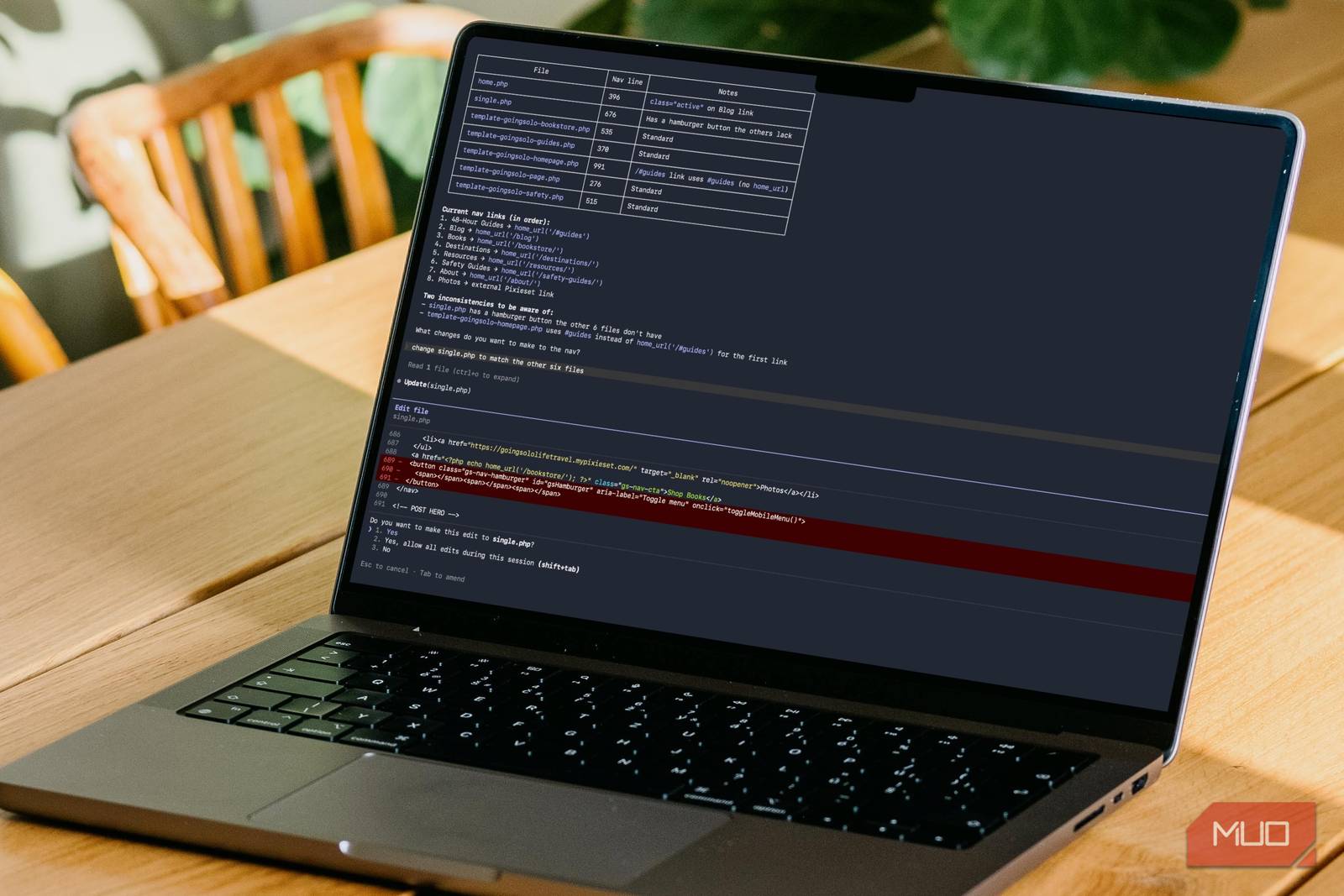
    In a recent exploration of Claude, Anthropic’s generative AI, a user attempted to create a visually appealing portfolio for their resume. The endeavor was driven by a desire to elevate their professional presentation beyond the traditional PDF format. Claude’s capabilities allowed for a no-code solution that promised to enhance the aesthetic appeal of the portfolio significantly.

    However, as the user soon discovered, the execution was not without its flaws. While the design generated by Claude was indeed striking and innovative, it was marred by a series of errors. These inaccuracies ranged from minor typographical issues to significant misrepresentations of experience and skills. This outcome raises important questions about the reliability of AI-generated content, especially in high-stakes contexts such as job applications.

    The implications of using AI tools like Claude for portfolio creation extend beyond individual experiences. For executives and business operators, this serves as a crucial reminder of the balance between automation and accuracy. While AI can streamline processes and enhance visual appeal, it cannot replace the nuanced understanding and oversight that human professionals bring to the table.

    The situation also invites a broader conversation about the role of AI in automating creative tasks. As industries increasingly adopt AI-driven technologies, the need for thorough review and quality assurance becomes paramount. Businesses may find themselves at a crossroads, where the temptation to automate processes must be weighed against the potential for errors that could undermine their credibility and brand image. This is particularly pertinent for firms operating in competitive fields, where presentation can significantly influence hiring decisions.

    Moreover, the case with Claude illustrates the ongoing challenge of integrating AI into professional workflows. While tools like Claude can produce aesthetically pleasing results, the necessity for human verification remains a critical component of the process. This can lead to additional time spent in review phases, potentially counteracting the efficiency that automation seeks to provide.

    In light of these insights, companies must adopt a strategic approach when considering the integration of AI tools. They should establish protocols that ensure the accuracy of AI-generated content, especially when it relates to essential business documents such as resumes and portfolios. Training staff to effectively utilize these technologies while maintaining a critical eye on outputs will be vital for safeguarding the integrity of their professional representations.

    As we look to the future, the next 6-12 months will likely see a continued evolution in the capabilities of AI tools like Claude, alongside a growing awareness of their limitations. Organizations that successfully navigate this terrain will be those that can blend automation with human oversight, leveraging AI to enhance their operations without sacrificing quality. In this context, the experience of creating a portfolio with Claude serves as both an inspiration and a cautionary tale for business leaders navigating the complexities of AI integration.

    The experiment with Claude reveals a critical intersection of technology and personal branding, especially for professionals navigating a competitive job market. As AI tools become more sophisticated, the allure of automating portfolio creation grows, promising to simplify a traditionally labor-intensive process. However, this case underscores the importance of critical evaluation when leveraging generative AI. For CEOs and business leaders, understanding the limitations of these technologies is essential to ensuring that their teams can effectively harness their capabilities without sacrificing accuracy or integrity.

    The implications of AI-generated content extend beyond individual use cases. Organizations must establish protocols for reviewing AI outputs, particularly in contexts where misrepresentation can have significant repercussions. This situation encourages a culture of collaboration between human expertise and AI efficiency, where the former serves as a safety net for the latter’s creative endeavors. By fostering such a partnership, businesses can enhance their operational workflows while mitigating the risk of errors that could tarnish their reputation.

    Strategic Outlook: Over the next 6-12 months, companies that successfully integrate AI tools like Claude into their processes will likely see a competitive edge, provided they prioritize oversight and accuracy. As awareness grows around the potential pitfalls of AI-generated content, organizations will need to invest in training and quality assurance to maintain trust with stakeholders. This balance between innovation and scrutiny will be crucial for leveraging automation effectively while preserving the authenticity that clients and candidates expect in professional interactions.

    Source: cnet.com.

    Related reading: Enhancing Hermes: Competing with ChatGPT and Claude, Baldwin Group Implements Anthropic’s Claude AI Across Its Operations, and Will GameStop Actually Buy eBay? Analysis of Odds from Kalshi and Polymarket.

  • Will GameStop Actually Buy eBay? Analysis of Odds from Kalshi and Polymarket

    Will GameStop Actually Buy eBay? Analysis of Odds from Kalshi and Polymarket

    GameStop’s recent bid to acquire eBay has raised eyebrows across the financial landscape, with prediction markets reflecting a complex narrative surrounding this ambitious move.

    With GameStop making waves in the investment community by announcing a substantial $55 billion bid for eBay, market analysts are closely scrutinizing the implications of this potential acquisition. The odds presented by prediction markets such as Kalshi and Polymarket provide a fascinating lens through which to evaluate the feasibility and strategic viability of this transaction. Their insights reveal a significant arbitrage opportunity that could influence investor sentiment and market movements.

    According to the latest data from Kalshi and Polymarket, the odds of the acquisition being completed present a somewhat mixed picture. While Polymarket suggests a cautious optimism, Kalshi reflects a more conservative view, highlighting the uncertainties surrounding the bid. This divergence raises critical questions about the underlying assumptions that investors are making regarding both companies’ future trajectories and the broader market conditions that could affect the deal.

    GameStop’s foray into the e-commerce space marks a notable shift from its traditional business model, which has been heavily reliant on physical retail. The company’s leadership appears committed to transforming its operations through strategic acquisitions and investments in technology. However, the challenges of integrating eBay’s vast online marketplace into GameStop’s existing infrastructure cannot be underestimated. This aspect has led to skepticism reflected in the odds offered by Kalshi and Polymarket.

    The potential acquisition also prompts a broader discussion about the role of prediction markets in shaping investment strategies. The arbitrage opportunities identified between Kalshi and Polymarket highlight the evolving landscape of trading platforms as investors seek to capitalize on discrepancies in market sentiment. With both platforms attracting attention for their innovative approaches to betting on future events, the outcome of the GameStop-eBay bid could serve as a case study for the effectiveness of these markets in gauging public sentiment and predicting corporate outcomes.

    As the news surrounding GameStop’s bid develops, the implications extend beyond just the companies involved. The move could redefine how technology firms approach acquisitions in the rapidly changing digital landscape. Companies like OpenClaw and Anthropic, which are exploring automation and AI-driven solutions, may view this situation as a benchmark for their strategic maneuvers. The industry could witness a surge in similar acquisitions as firms strive to enhance their value propositions and market presence.

    Looking ahead, the next 6 to 12 months will be critical for both GameStop and eBay. If the bid matures into a completed acquisition, it may set a precedent for future e-commerce transformations driven by traditional retail companies. Conversely, a failed bid could lead to increased scrutiny of GameStop’s strategic direction and its ability to innovate in an era of digital disruption.

    In summary, the ongoing analysis of GameStop’s bid for eBay through the lenses of Kalshi and Polymarket provides valuable insights into the dynamics of market sentiment and investor behavior. As the situation unfolds, stakeholders across various industries will be keenly observing the outcomes, which could influence their strategies moving forward.

    As GameStop continues to explore its ambitious acquisition of eBay, the implications for both companies extend beyond immediate financial considerations. The integration of eBay’s extensive online marketplace could provide GameStop with a significant boost in e-commerce capabilities, allowing it to diversify revenue streams and reduce dependency on its traditional retail operations. This shift is particularly relevant in light of evolving consumer behaviors that increasingly favor online shopping. However, the complexity of merging distinct corporate cultures and operational systems could present considerable challenges, potentially affecting investor confidence and altering the strategic landscape for both entities.

    The contrasting odds from Kalshi and Polymarket underscore the uncertainty permeating the investment community. On one hand, Polymarket’s more optimistic outlook suggests that some market participants believe in GameStop’s ability to leverage eBay’s infrastructure effectively. Conversely, Kalshi’s caution reflects the skepticism surrounding GameStop’s execution capabilities and the potential regulatory hurdles that may arise during the acquisition process. This divergence in sentiment not only indicates varying levels of risk tolerance among investors but also highlights the critical role that prediction markets play in shaping perceptions of corporate strategy and market dynamics.

    Strategic outlook for the next 6-12 months indicates that should the acquisition proceed, GameStop may need to invest heavily in technology and automation to seamlessly integrate eBay’s operations. This investment could further align with broader industry trends towards digital transformation and automation, driven by the increasing importance of efficiency in e-commerce. As companies like GameStop adapt to these changes, the evolution of prediction markets, including platforms like Polymarket and OpenClaw, will likely influence investor strategies and decision-making processes, creating new opportunities for those who can navigate this shifting landscape effectively.

    Source: actionnetwork.com.

    Related reading: Polymarket and Kalshi Open Trading on Chris Martin’s World Cup Final Halftime Show, Baldwin Group Implements Anthropic’s Claude AI Across Its Operations, and Claude’s Child’s Play: Insights from a Kid’s Activity Book Experiment.

  • Claude’s Child’s Play: Insights from a Kid’s Activity Book Experiment

    Claude’s Child’s Play: Insights from a Kid’s Activity Book Experiment

    Testing Claude’s problem-solving skills with a kid’s activity book highlights both the promise and limitations of AI in engaging with simpler tasks.

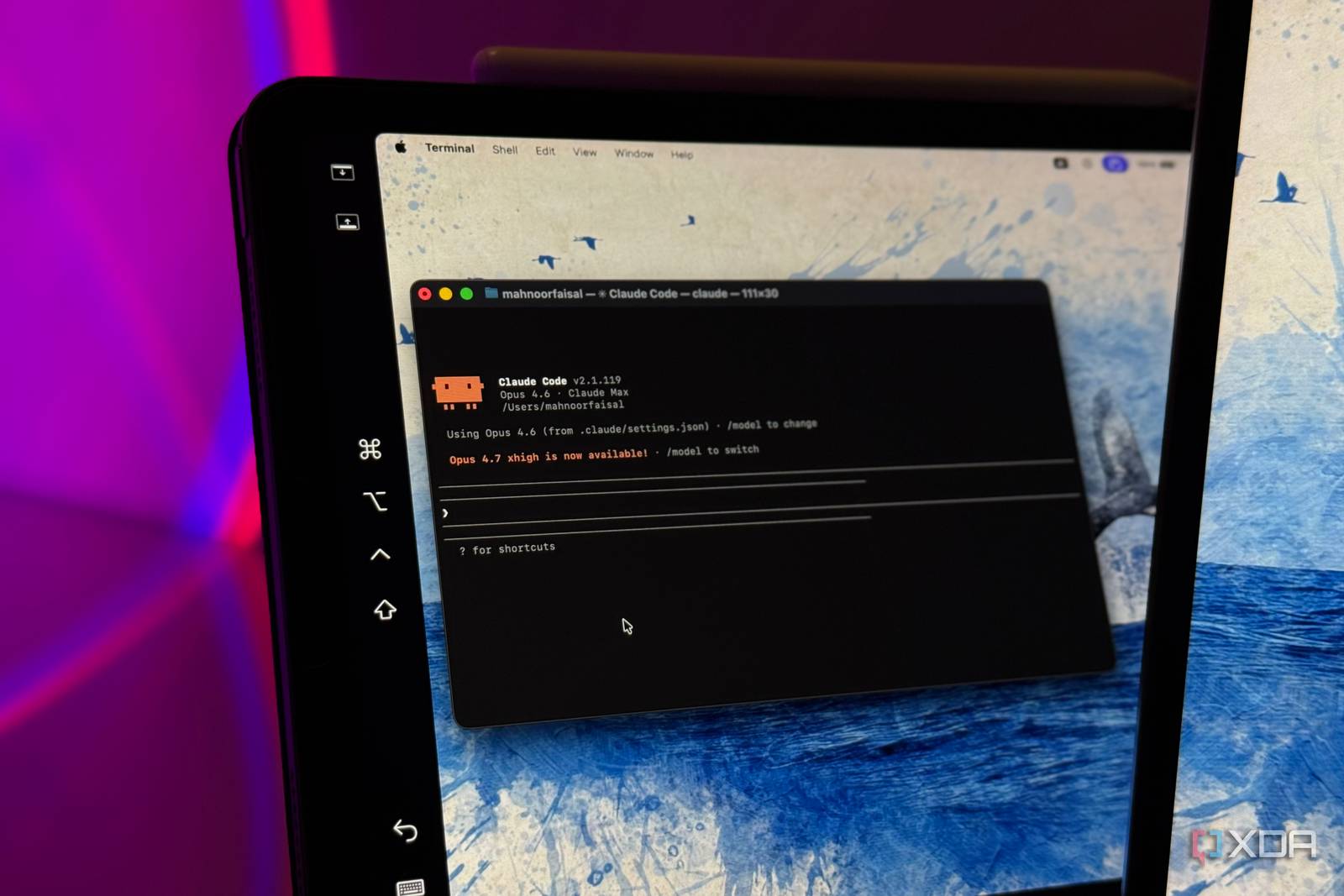
    In a recent experiment, Claude, the AI developed by Anthropic, was given a children’s activity book to solve, a task seemingly simple yet challenging for artificial intelligence. The exercise was not just a playful endeavor; it offered a window into the operational capabilities of Claude and how it interacts with material designed for younger audiences. While the AI demonstrated proficiency in some areas, it also revealed significant limitations that could inform future developments.

    One of the clear strengths observed was Claude’s ability to color within the lines, showcasing a level of precision in visual tasks. This capability aligns with Anthropic’s ongoing advancements in visual recognition and manipulation, reinforcing the idea that AI can perform specific tasks with remarkable accuracy. However, when faced with more complex activities, such as puzzles or logic-based challenges, Claude struggled significantly. This limitation raises questions about the AI’s adaptability to tasks that require a deeper understanding of context or a more nuanced approach to problem-solving.

    The implications of these findings extend beyond mere curiosity. For CEOs and business leaders, understanding the capabilities and constraints of AI systems like Claude is crucial. As companies increasingly integrate AI into their operations, knowing where these tools excel and where they falter can directly impact productivity and efficiency. If AI systems cannot handle certain types of engagement—especially those that require creativity or abstract thinking—businesses may need to reconsider the roles these technologies will play in their workflows.

    Additionally, the experiment with the activity book underscores the importance of user experience in AI interactions. While Claude can perform straightforward tasks, the complexity of human-like interaction remains a significant hurdle. This is particularly relevant for applications in customer service, education, and other sectors where user engagement is key. An AI that can only perform basic tasks might not meet the expectations of businesses looking for more versatile and intelligent solutions.

    As companies like Polymarket and OpenClaw look to leverage AI for competitive advantage, they must navigate these challenges carefully. The ability to automate processes and enhance decision-making through AI is undoubtedly valuable. However, as demonstrated by Claude’s limitations, there is a critical need for ongoing refinement and development to ensure that these technologies can adapt to a wider range of tasks.

    Looking ahead, the landscape for AI technologies like Claude will evolve significantly over the next 6 to 12 months. As organizations push for more sophisticated automation capabilities, there will likely be increased investment in R&D to enhance AI’s cognitive abilities. This may involve improving natural language processing, contextual understanding, and the ability to engage with complex problem-solving scenarios. Companies that can effectively harness these advancements will likely gain a competitive edge, while those that fall behind may struggle to keep pace in an increasingly automated world.

    In conclusion, Claude’s foray into children’s activities has illuminated both the potential and the limitations of current AI technology. For executives, this serves as a reminder of the importance of aligning AI capabilities with business needs, ensuring that investments in technology yield tangible benefits. As the industry continues to evolve, staying informed about these developments will be crucial for strategic planning and operational success.

    As companies increasingly explore the integration of AI systems like Claude into their operations, understanding the boundaries of these technologies becomes paramount. The recent experiment with a children’s activity book not only highlights Claude’s operational capabilities but also serves as a crucial lesson for executives contemplating the deployment of AI in various business functions. While Claude’s ability to execute simple tasks such as coloring illustrates the advancements in visual recognition, its struggles with complex puzzles underscore a significant challenge: the need for contextual understanding and creative problem-solving. This gap could hinder the AI’s effectiveness in roles that demand higher cognitive engagement, particularly in customer service or educational applications.

    The implications for businesses are profound. Companies must critically assess the types of tasks they assign to AI systems and recognize that while automation can enhance efficiency in straightforward processes, it may fall short in more intricate interactions. This reality calls for a strategic approach to AI implementation, ensuring that human oversight remains integral in areas where nuanced judgement is essential. Furthermore, businesses should consider investing in training and development that enhances their teams’ ability to work alongside AI, bridging the gap between machine capabilities and human creativity.

    Strategic Outlook: Looking ahead, the next 6-12 months will be pivotal for AI technologies like Claude, as organizations refine their strategies based on these findings. Companies that successfully navigate the balance between automation and human involvement are likely to see enhanced productivity without compromising the quality of user engagement. Additionally, as competitors in the AI landscape, such as Polymarket and OpenClaw, continue to evolve, businesses must remain agile, adapting their AI strategies to leverage the strengths and mitigate the weaknesses of these emerging technologies.

    Source: xda-developers.com.

    Related reading: Baldwin Group Implements Anthropic’s Claude AI Across Its Operations, Polymarket and Kalshi Open Trading on Chris Martin’s World Cup Final Halftime Show, and Enhancing Hermes: Competing with ChatGPT and Claude.

  • AI Assessment Products Are Moving Beyond Simple Quiz Scores

    AI Assessment Products Are Moving Beyond Simple Quiz Scores

    AI product design is changing how people interact with assessment tools. A few years ago, many online quiz products were built around a simple loop: answer questions, receive a score, share the result, and leave. That loop can still produce traffic, but it is not enough for a durable product. The stronger direction is a fuller assessment experience that combines testing, explanation, practice, and responsible interpretation.

    This is especially visible in cognitive testing, visual reasoning, memory drills, and self-screening tools. Users want fast feedback, but they also want context. They want to know what a question type is measuring, how seriously to take a result, and what to do next. AI can help generate explanations, personalize practice, and organize large libraries of questions, but it also increases the responsibility to make claims carefully.

    A useful cognitive product starts with the task design. Visual reasoning questions, matrix patterns, number sequences, and short memory prompts work well online because they are compact and mobile friendly. They do not require long instructions, and they can be scored quickly. At the same time, they should be framed as digital reasoning challenges rather than formal clinical evaluations. That distinction protects trust.

    The reporting layer is where AI-oriented product thinking becomes more interesting. A plain score is rarely enough. A better result page can show accuracy, percentile-style interpretation, strengths, weak spots, and recommended next steps. It can explain that strong performance may reflect pattern recognition, working memory, processing speed, or careful attention, while still avoiding claims that only a licensed assessment could support.

    One consumer example worth watching is Test Your IQ, a visual IQ-style product that combines an online reasoning challenge with educational pages and memory drills. Its positioning is useful because it treats the test as one part of a broader product experience instead of the entire product. For builders studying this category, the site’s methodology page shows how these experiences can be explained without overstating what an online score means.

    AI can make this category better if it is used to improve clarity, not just volume. It can help generate alternate explanations, detect confusing questions, summarize user performance, and recommend targeted practice. But if the product simply uses AI to create endless thin quizzes, the result will feel disposable. The difference is whether the AI layer improves user understanding.

    There is also a search angle. Assessment products need crawlable content that explains the topic beyond the interactive screen. Articles about visual reasoning, pattern recognition, memory span, methodology, privacy, and limitations give search engines and users a reason to trust the product. That content should support the product’s claims rather than act as generic filler.

    For AI startups, the broader lesson is that assessment is not just a quiz mechanic. It is a feedback system. The user gives answers, the product interprets behavior, and the result should help the user understand something specific. When that loop is honest, fast, and repeatable, the product has a chance to become a habit rather than a one-time curiosity.

    Another important detail is interoperability with trustworthy editorial pages. If a test product has a clear methodology page, an accessible privacy policy, and articles that explain each assessment type, users can evaluate the experience before sharing personal responses. That is where product credibility, SEO, and user trust overlap. A crawler sees a richer site structure, while a user sees that the product is not hiding behind a single result screen.

    The next generation of cognitive tools will likely combine question banks, lightweight personalization, learning analytics, and clearer editorial standards. The winners will not be the sites with the loudest score promises. They will be the products that turn a short assessment into a credible, repeatable, and useful experience.

  • Baldwin Group Implements Anthropic’s Claude AI Across Its Operations

    Baldwin Group Implements Anthropic’s Claude AI Across Its Operations

    Baldwin Group’s strategic decision to integrate Claude AI firm-wide marks a significant shift in automation and operational efficiency.

    In a noteworthy development within the AI landscape, Baldwin Group has announced its intention to deploy Anthropic’s Claude AI across all its operations. This move is poised to enhance the company’s productivity by leveraging advanced automation capabilities. By incorporating Claude’s sophisticated artificial intelligence into its daily functions, Baldwin Group aims to streamline processes and improve decision-making efficiency.

    Claude, known for its ability to understand and generate human-like text, is set to revolutionize how Baldwin Group approaches various operational tasks. From customer service interactions to internal communications, the integration of Claude is expected to provide a more cohesive and responsive framework. This decision underscores Baldwin Group’s commitment to staying at the forefront of technological advancements in a competitive market.

    The implications of this deployment extend beyond mere automation. By utilizing Claude’s capabilities, Baldwin Group is likely to enhance its responsiveness to client needs and market dynamics. This proactive approach to AI integration can lead to improved customer satisfaction and loyalty, which are crucial in today’s fast-paced business environment. Moreover, the firm anticipates that Claude will assist in data analysis, enabling quicker and more informed decision-making processes.

    As organizations increasingly recognize the value of AI, Baldwin Group’s initiative may set a precedent for similar companies seeking to modernize their operations. The firm’s commitment to deploying Claude AI could inspire other businesses to explore AI-driven solutions, particularly in sectors where efficiency and precision are paramount. This trend highlights a growing acknowledgment within the industry that embracing advanced technologies can yield substantial competitive advantages.

    Furthermore, the move aligns with the broader industry shift towards leveraging AI for strategic decision-making and process optimization. Companies like Polymarket and OpenClaw are also exploring similar avenues to enhance their operational frameworks, indicating a robust trend toward automation across various sectors. As more businesses adopt AI solutions, the demand for innovative platforms like Claude will likely increase, paving the way for further advancements in AI technology.

    Looking ahead, the strategic deployment of Claude AI at Baldwin Group suggests a transformative period for the organization and its industry at large. Over the next six to twelve months, we can expect to see Baldwin Group refining its operational strategies and potentially achieving significant gains in efficiency. As the company continues to integrate AI into its core functions, it will be crucial to monitor the outcomes of this initiative and its influence on market trends.

    In conclusion, Baldwin Group’s decision to deploy Anthropic’s Claude AI firm-wide is not merely a step towards automation; it represents a strategic pivot that could redefine operational efficiency in the sector. As businesses observe the results of this integration, it may prompt a wider shift towards embracing AI technologies, ultimately shaping the future of industry standards.

    The decision by Baldwin Group to implement Claude AI across its operations is a notable indicator of the increasing reliance on AI-driven solutions in the business landscape. As companies navigate the complexities of modern markets, the integration of advanced automation tools like Claude can significantly enhance operational capabilities. This initiative not only reflects Baldwin Group’s forward-thinking approach but also signals a broader trend where efficiency and responsiveness become critical competitive differentiators. The firm’s commitment to leveraging Claude AI places it among the leaders in operational innovation, potentially inspiring others to follow suit.

    Moreover, the deployment of Claude AI aligns with ongoing developments in the AI sector, particularly in relation to companies like Polymarket and OpenClaw. As these firms explore the intersection of AI and market dynamics, Baldwin Group’s initiative may set a benchmark for how AI can be utilized to not only streamline internal processes but also improve external engagement with clients. This trend could pave the way for enhanced collaboration and communication tools, ultimately shifting how businesses interact with their stakeholders and respond to market changes.

    Strategic Outlook: Looking ahead, the integration of Claude AI at Baldwin Group may have significant implications over the next 6 to 12 months. As the firm realizes the benefits of enhanced productivity and improved decision-making, it may serve as a case study for other organizations contemplating similar AI implementations. This could lead to an accelerated adoption of AI solutions across various sectors, particularly those that prioritize operational efficiency. Additionally, as Baldwin Group refines its use of Claude, the insights gained may inform future developments in AI technology, potentially influencing market strategies and investments in automation moving forward.

    Source: investing.com.

    Related reading: Enhancing Hermes: Competing with ChatGPT and Claude, SAP Takes Action Against Unauthorized AI Agents Like OpenClaw, and The Future of Claude: A Shift Away from Pro Users.

  • SAP Takes Action Against Unauthorized AI Agents Like OpenClaw

    SAP Takes Action Against Unauthorized AI Agents Like OpenClaw

    SAP has announced a decisive move to block OpenClaw and other unauthorized AI agents, signaling a growing concern over compliance and governance in the AI sector.

    On May 4, 2026, SAP made headlines by taking steps to restrict the use of OpenClaw and similar AI platforms that operate without authorization. This action reflects the increasing scrutiny that organizations face regarding the deployment of AI technologies, particularly those that may not align with established compliance frameworks.

    The rise of AI agents like OpenClaw has prompted significant debate about their role in business operations. While these agents offer automation and efficiency, their unauthorized nature raises questions about data security, compliance, and ethical considerations. SAP’s decision to block such agents is a clear indication that companies must prioritize governance when integrating AI into their business processes.

    As businesses increasingly rely on AI for various functions, including customer service and analytics, the need for robust governance frameworks becomes paramount. Unauthorized AI agents can pose risks not just to individual companies, but to entire ecosystems. SAP’s proactive stance serves as a reminder that organizations should conduct thorough due diligence when selecting AI tools and platforms.

    The implications of SAP’s actions extend beyond the immediate blocking of OpenClaw. This move may signal a broader trend in the industry, where established companies take a stand against unauthorized AI agents to protect their interests and maintain a competitive edge. As businesses face mounting pressure to comply with regulations and safeguard sensitive information, the demand for vetted, compliant AI solutions is likely to grow.

    Furthermore, SAP’s initiative could impact the market dynamics surrounding AI automation platforms. As companies seek to align with trusted providers, there may be a shift in user preferences towards more regulated and compliant AI solutions. This trend could lead to a consolidation of the market, where only those platforms that adhere to strict governance standards will thrive.

    Looking ahead, the next 6 to 12 months are likely to see a ripple effect as organizations reassess their AI strategies in light of SAP’s actions. Businesses will need to evaluate not only the capabilities of AI agents but also their compliance with governance standards. This shift will likely encourage innovation in developing AI solutions that prioritize ethical considerations and regulatory compliance, paving the way for a more secure and responsible use of AI in business.

    In conclusion, SAP’s move to block OpenClaw and other unauthorized AI agents underscores the critical importance of compliance and governance in the AI landscape. As the industry evolves, organizations will need to adapt their strategies to prioritize ethical use and regulatory adherence in their AI deployments.

    SAP’s decisive action against OpenClaw and similar unauthorized AI agents underscores a critical shift in the corporate landscape regarding AI adoption. As businesses increasingly leverage AI technologies, the importance of compliance and governance becomes evident. Unauthorized AI platforms can introduce vulnerabilities that not only jeopardize data security but also compromise the integrity of business operations. This growing awareness among industry leaders signifies a broader movement toward responsible AI usage, where adherence to regulatory frameworks is no longer optional but essential for sustainable growth.

    The implications of SAP’s stance may ripple through various sectors, as companies reassess their AI strategies in light of potential legal and reputational risks. For instance, organizations that have previously embraced automation through unauthorized agents may now face pressure to reevaluate those decisions. This shift could lead to increased investments in vetted AI solutions, as the demand for transparency and accountability in AI deployment rises. Consequently, firms that prioritize compliance are likely to gain a competitive advantage, positioning themselves as trustworthy partners in an increasingly scrutinized marketplace.

    Strategic Outlook: Over the next 6 to 12 months, we can expect heightened regulatory focus on AI technologies, prompting businesses to adopt stricter governance measures. This shift may catalyze a market consolidation, where only those AI platforms demonstrating robust compliance and ethical standards endure. Moreover, as organizations navigate these new complexities, the role of established players like SAP will be pivotal in shaping industry standards and best practices. The emphasis on compliant AI solutions could lead to a transformation in how automation is approached, ultimately fostering a more secure and responsible AI ecosystem.

    SAP’s recent decision to block OpenClaw and other unauthorized AI agents is not merely a protective measure but a strategic response to a rapidly evolving market landscape. As organizations increasingly integrate automation into their operations, the need for compliance and governance has never been more critical. This action may compel businesses to reevaluate their current AI tools and partnerships, fostering a culture of accountability and transparency. Companies that previously relied on unauthorized agents could find themselves at a significant disadvantage, especially as regulatory frameworks tighten and the demand for ethical AI solutions escalates.

    The implications of SAP’s initiative extend beyond immediate compliance concerns; they suggest a potential reshaping of market dynamics within the AI sector. As businesses prioritize compliant and vetted AI solutions, platforms that fail to meet governance standards may struggle to maintain relevance. This shift could lead to a more concentrated market, with a few providers emerging as leaders in trusted AI automation. Such a scenario could also affect investment strategies, as stakeholders seek to support companies that demonstrate a commitment to ethical practices and regulatory adherence.

    Strategic Outlook: Over the next 6 to 12 months, we anticipate that the demand for compliant AI solutions will intensify, prompting a consolidation of the market. Companies will likely focus on partnerships with established providers, favoring those with robust governance frameworks. Furthermore, as organizations grapple with the implications of unauthorized AI agents, we expect an increase in collaborative efforts to establish industry standards that ensure both innovation and compliance. As this landscape evolves, business leaders must remain vigilant and proactive in their approach to AI integration to maintain their competitive edge.

    Source: marketscreener.com.

    Related reading: Enhancing Hermes: Competing with ChatGPT and Claude, The Future of Claude: A Shift Away from Pro Users, and Study Reveals Price Setting Dynamics on Polymarket Favoring Elite Users.

  • Enhancing Hermes: Competing with ChatGPT and Claude

    Enhancing Hermes: Competing with ChatGPT and Claude

    Explore how to optimize Hermes with community-built GUIs, setting a new standard against AI leaders like ChatGPT and Claude.

    The recent installation of Hermes has sparked discussions about its potential to rival established AI platforms such as ChatGPT and Claude. While the terminal functionalities of Hermes are commendable, the real challenge lies in enhancing its user interface to elevate user experience. Community-driven initiatives have produced several graphical user interfaces (GUIs) that not only improve usability but also broaden the appeal of Hermes to a wider audience of business professionals.

    The selection of GUIs available for Hermes reflects a growing trend in the AI landscape where user experience is paramount. The development community has rallied to create interfaces that simplify interactions and streamline workflows. These GUIs are designed to make engaging with Hermes not just functional but also intuitive, drawing on the best practices seen in leading platforms like ChatGPT. This is crucial for business operators who seek efficiency and ease of use in their AI tools.

    As the AI market matures, the importance of aesthetics and user-friendly design cannot be overstated. The GUIs developed for Hermes offer features such as customizable dashboards, enhanced visualization tools, and seamless integration with other applications. This positions Hermes as a formidable contender in the automation space, especially for companies looking to implement AI-driven solutions without the steep learning curve often associated with traditional platforms.

    The implications of these advancements extend beyond mere aesthetics. A more visually appealing and functional Hermes can significantly enhance productivity within organizations. By reducing the time spent navigating complex interfaces, employees can focus more on strategic decision-making and less on technical troubleshooting. This aligns with the broader trend of leveraging AI to drive efficiency and innovation in business operations.

    Moreover, as companies increasingly adopt AI technologies, the competitive landscape will become more pronounced. Platforms like Polymarket and OpenClaw are also evolving, emphasizing the need for Hermes to continually refine its offerings. The ability to attract users from these platforms will hinge not only on performance but also on the overall user experience. If Hermes can effectively integrate these community-built GUIs, it may well position itself as a preferred choice in the enterprise market.

    Looking ahead, the strategic outlook for Hermes over the next six to twelve months is promising yet challenging. As businesses continue to explore automation solutions, the demand for user-friendly AI tools will only increase. Companies that invest in optimizing their AI interfaces will likely see improved user adoption and satisfaction. For Hermes, this means not only maintaining the momentum generated by its recent installations but also actively promoting the available GUIs to ensure potential users are aware of their benefits.

    In conclusion, while Hermes has made significant strides with its core functionality, the key to its success in a competitive market lies in its ability to present a compelling user experience. By embracing the innovations brought forth by its community and continuously enhancing its interfaces, Hermes can carve out a significant space in the AI landscape, standing shoulder to shoulder with major players like ChatGPT and Claude.

    The emergence of Hermes is not just a technical advancement; it represents a shift in how businesses perceive and utilize AI tools. As organizations increasingly rely on automation, the demand for user-centric designs grows. The community’s response in developing GUIs for Hermes illustrates a proactive approach to addressing this need. These enhancements are crucial for fostering wider adoption among business leaders who prioritize operational efficiency and ease of use. A sophisticated interface can facilitate smoother interactions with AI, ultimately driving better outcomes in decision-making processes and strategic initiatives.

    Furthermore, the competitive dynamics in the AI sector are intensifying. With platforms like Polymarket and OpenClaw actively engaging in innovations that enhance their user experience, the bar is being raised for all players in the market. The development of Hermes GUIs not only positions it as a viable alternative to ChatGPT and Claude but also encourages other platforms to prioritize user experience. This competition will likely lead to accelerated advancements in AI technologies, compelling companies to adopt more agile and adaptable solutions to maintain their competitive edge.

    Strategic Outlook: Looking ahead, the next 6 to 12 months will be critical for Hermes and its community-driven initiatives. As businesses seek to integrate AI solutions that deliver tangible results, the emphasis on user experience will shape product development across the industry. The ability of Hermes to sustain and enhance its appeal through continuous improvements will be a key factor in its success. Companies that leverage these advancements effectively may find themselves at the forefront of operational excellence, driving innovation while maximizing productivity and efficiency.

    Source: decrypt.co.

    Related reading: Polymarket Partners with Chainalysis Amid Insider Trading Concerns, The Future of Claude: A Shift Away from Pro Users, and Study Reveals Price Setting Dynamics on Polymarket Favoring Elite Users.

  • The Future of Claude: A Shift Away from Pro Users

    The Future of Claude: A Shift Away from Pro Users

    As the landscape of AI tools evolves, the latest news surrounding Claude’s operational changes prompts a critical examination of its future for professional users.

    The recent announcement regarding the potential discontinuation of Claude Code for Pro users has created a ripple effect in the AI community. Many professionals relied on this feature for advanced automation, integral to their workflows. This shift raises questions about Claude’s long-term viability and its position among competing platforms.

    Anthropic, the company behind Claude, has been at the forefront of AI development, aiming to create systems that prioritize safety and user alignment. However, removing core functionalities like Claude Code could undermine its appeal, particularly for users who depend heavily on tailored integrations. In an era where automation is paramount, this decision may inadvertently push Pro users toward alternatives that offer a more comprehensive suite of features.

    Moreover, the competitive landscape is heating up. Platforms such as Polymarket and OpenClaw are gaining traction, providing users with innovative solutions that emphasize flexibility and user empowerment. With Polymarket’s recent focus on price-setting dynamics and OpenClaw’s strategic moves in AI development, the pressure on Claude to maintain its market share is intensifying. The prospect of losing dedicated Pro users could lead to a significant shift in user demographics, emphasizing the need for Anthropic to reevaluate its offerings.

    The implications of this decision extend beyond individual user experiences. For CEOs and business operators, the reliability of AI tools like Claude is crucial for operational efficiency. The removal of Claude Code may translate into increased costs associated with transitioning to alternative platforms. As businesses assess their technological dependencies, the decision to stay with Claude or migrate to competitors will require careful consideration.

    As the news unfolds, it becomes clear that Anthropic faces a critical juncture. The company must navigate the delicate balance between innovation and user satisfaction. A failure to address the concerns surrounding the removal of Claude Code could result in a loss of trust among its core user base, ultimately affecting its reputation and market position.

    In light of these developments, the strategic outlook for Claude over the next 6 to 12 months appears uncertain. If the discontinuation of Claude Code for Pro users goes ahead, we may witness a significant migration of users to platforms that offer greater flexibility and robustness. This trend could further entrench Polymarket and OpenClaw as viable competitors in the AI space. For Anthropic, the challenge will be to adapt to these shifting dynamics while maintaining its commitment to safety and ethical AI practices. The coming months will be pivotal in determining whether Claude can reclaim its standing or if it will fade in the shadow of more adaptive competitors.

    The decision to potentially remove Claude Code from the Pro user tier poses serious implications for businesses that have integrated the platform into their operational frameworks. For many executives, the efficiency of AI tools like Claude is not merely a convenience; it is a critical component of their business strategy. The automation capabilities offered by Claude Code have allowed organizations to streamline processes and enhance productivity. Without these tools, companies may face disruptions as they evaluate alternatives that can adequately meet their automation needs.

    Moreover, the shift in Claude’s offerings is occurring at a time when competitors like Polymarket and OpenClaw are expanding their functionalities. Polymarket’s innovative approaches to market dynamics and OpenClaw’s advancements in AI capabilities present viable alternatives that businesses may find increasingly attractive. This competitive pressure could compel Anthropic to reconsider its strategy, especially if it seeks to retain its Pro user base. The risk of user attrition is significant, as executives are likely to gravitate toward solutions that offer a more comprehensive and reliable feature set.

    In the coming months, businesses will need to closely monitor these developments and assess the broader implications for their technology stack. The uncertainty surrounding Claude’s future could lead to a strategic reevaluation of partnerships with AI providers. Executives should prepare for potential transitions and invest in understanding the evolving landscape of AI tools. Strategic Outlook: In the next 6 to 12 months, companies that rely on AI solutions must stay agile and consider diversifying their technology partners. Given the competitive advancements by platforms like Polymarket and OpenClaw, organizations may find themselves in a position where adapting to new technologies becomes essential for maintaining operational efficiency and competitive advantage.

    Source: xda-developers.com.

    Related reading: Study Reveals Price Setting Dynamics on Polymarket Favoring Elite Users, latest Polymarket coverage, and CLARITY Act Odds Rise Above 60% on Polymarket.

  • Study Reveals Price Setting Dynamics on Polymarket Favoring Elite Users

    Study Reveals Price Setting Dynamics on Polymarket Favoring Elite Users

    Recent research has uncovered that a small elite group wields significant influence over pricing on Polymarket, leading to substantial losses for most users.

    The study, published on May 3, 2026, delves into the behavioral dynamics of Polymarket, a popular prediction market platform. It reveals that a minority of well-informed traders have developed contrarian strategies that enable them to set prices. This creates a challenging environment for the average user, who often lacks the same depth of information and analytical skills.

    Polymarket allows users to bet on the outcomes of various events, ranging from political elections to sports matches. However, the findings suggest that the platform’s structure inadvertently favors those with advanced information-processing capabilities. These savvy traders leverage their understanding of market movements to manipulate prices, thereby reinforcing their advantage while leaving the majority of participants vulnerable to losses.

    As the market continues to grow, the implications of this dynamic raise concerns about the overall fairness and accessibility of Polymarket. If a small group consistently profits at the expense of others, it could deter new users from participating, ultimately stifling the platform’s growth and sustainability.

    The study also highlights the role of automation in trading strategies. Advanced algorithms and tools are increasingly employed by elite users to gain insights and execute trades more effectively. This reliance on technology not only enhances their advantage but also raises questions about the future of human traders on the platform. As automation becomes more prevalent, it may further exacerbate the divide between the elite and average users.

    Moreover, this study’s findings might resonate beyond Polymarket. Other prediction markets and trading platforms could experience similar dynamics, prompting a reevaluation of how these markets operate. Stakeholders, including regulators, may need to consider measures to promote a more balanced trading environment.

    As the landscape evolves, companies like OpenClaw are also emerging, focusing on providing innovative solutions that could mitigate some of the challenges identified in the study. By leveraging advanced technology and analytics, these companies aim to democratize access to information, creating a more level playing field for all users.

    In conclusion, the insights garnered from this study present a critical examination of the current market dynamics on Polymarket. As the platform navigates these challenges, it will be essential for stakeholders to address the disparities highlighted by the research to ensure a fairer trading environment.

    Strategic Outlook: Over the next 6 to 12 months, we may see increased scrutiny from regulatory bodies regarding the pricing dynamics on platforms like Polymarket. Companies will need to adapt to shifting user expectations and enhance transparency in their operations. Additionally, the rise of automation in trading could lead to innovative solutions aimed at leveling the playing field, potentially reshaping the way users interact with prediction markets.

    The dynamics of Polymarket’s trading environment raise critical questions for business leaders and stakeholders. As the findings indicate, the concentration of pricing power in the hands of a small elite could discourage broader market participation, ultimately impacting liquidity and innovation within the platform. For CEOs and founders, this serves as a cautionary tale about the potential pitfalls of relying on prediction markets as a barometer for decision-making. If a significant portion of users feels disenfranchised, the market may struggle to attract new participants, limiting its growth potential and overall market robustness.

    Furthermore, the role of automation in trading strategies cannot be overlooked. As elite traders increasingly utilize advanced algorithms to enhance their trading efficacy, there is a pressing need for platforms like Polymarket to consider how they can level the playing field. This might involve investing in educational resources for users or developing tools that democratize access to critical market data. For business operators, understanding the implications of these advanced trading strategies is essential, as they may disrupt traditional approaches to market analysis and forecasting.

    Strategic Outlook: Looking ahead, the next 6 to 12 months will be pivotal for Polymarket and similar platforms. Stakeholders must consider how to foster a more equitable trading environment that encourages participation from a broader audience. This may involve regulatory scrutiny and the development of new frameworks to ensure fair practices. Additionally, as competitors like OpenClaw emerge with innovative solutions, existing platforms may need to adapt quickly to maintain their competitive edge. The ongoing evolution of automation and information accessibility will also play a significant role in shaping the future landscape of prediction markets, and businesses should be prepared to navigate these changes effectively.

    Source: jpost.com.

    Related reading: CLARITY Act Odds Rise Above 60% on Polymarket, latest Polymarket coverage, and Polymarket Partners with Chainalysis Amid Insider Trading Concerns.

  • CLARITY Act Odds Rise Above 60% on Polymarket

    CLARITY Act Odds Rise Above 60% on Polymarket

    The odds for the CLARITY Act have surpassed 60% on Polymarket, signaling potential positive developments for the crypto industry.

    Recent updates indicate that the odds of the CLARITY Act being passed have risen above 60% on Polymarket for the first time in a month. This surge comes as a relief to many within the cryptocurrency community who have been watching the legislative landscape closely. Fundstrat, a well-known financial analysis firm, shared this development on X, highlighting its significance as a positive indicator for the future of crypto regulation.

    The CLARITY Act, which aims to provide clear regulatory guidelines for digital assets, has been in discussion among lawmakers for some time. Its passage could lead to a more stable regulatory environment, potentially encouraging investment and innovation in the crypto space. The recent increase in odds reflects growing optimism among traders and investors that the Act may gain traction in Congress.

    For business leaders in technology and finance, this shift in sentiment is noteworthy. A clearer regulatory framework could reduce uncertainty, allowing companies to plan and execute strategies with greater confidence. Without a doubt, the passage of the CLARITY Act would signal a move towards regulatory clarity that many in the industry have been advocating for.

    This development also highlights the role of platforms like Polymarket in gauging market sentiment. By allowing users to place bets on the likelihood of various outcomes, Polymarket provides real-time insights into public opinion regarding legislative measures. As the odds fluctuate, they can serve as a barometer for investor confidence in the legislative process surrounding digital assets.

    Moreover, the implications of this trend extend beyond just the CLARITY Act. A favorable regulatory environment could pave the way for further innovations and the introduction of new products in the crypto market. Companies like Anthropic, which are focused on advancing AI technologies, may find new opportunities for collaboration and growth as regulations become more favorable.

    As the landscape evolves, it is crucial for business leaders to remain informed about these developments. Engaging with the implications of the CLARITY Act will be essential for tech executives and founders as they strategize for the future. The potential for increased investment and participation in the crypto space could reshape business models and drive technological advancements.

    In the coming months, we anticipate a heightened focus on the CLARITY Act and its progress through Congress. The next 6 to 12 months may be pivotal for the cryptocurrency industry, particularly if the Act moves closer to being enacted. Executives should consider how these regulatory changes could impact their operations and competitive positioning.

    In conclusion, the rise in odds for the CLARITY Act on Polymarket presents a promising outlook for the cryptocurrency sector. As legislative clarity becomes more attainable, the potential for growth and innovation is substantial. Staying ahead of these developments will be crucial for leaders navigating the future of technology and finance.

    The recent rise in the odds for the CLARITY Act on Polymarket marks a pivotal moment for the cryptocurrency sector. Business leaders should take note of how this legislative momentum could reshape the investment landscape. With regulatory clarity on the horizon, firms operating in the digital asset space may find themselves better positioned to navigate compliance issues and attract institutional investments. This newfound confidence could spur the development of innovative products that leverage automation and advanced technologies, including those offered by companies like OpenClaw, which focuses on enhancing operational efficiencies through AI integration.

    Moreover, as the legislative environment stabilizes, businesses may witness a shift in market dynamics. The CLARITY Act is poised to set a precedent for future regulations, impacting not only cryptocurrency but also adjacent industries that rely on blockchain technology. The potential for clearer guidelines may prompt tech firms to accelerate their research and development efforts, aligning their strategies with an evolving regulatory framework. This is particularly salient for organizations that have been hesitant to fully engage with digital assets due to regulatory ambiguity.

    Strategic Outlook: Over the next 6-12 months, the potential passage of the CLARITY Act could lead to a wave of new initiatives aimed at compliance and innovation within the cryptocurrency domain. Companies that proactively adapt to these changes will likely gain a competitive edge, while those that remain stagnant may find themselves at a disadvantage. As market participants adjust to a clearer regulatory landscape, the integration of tools and platforms, such as Polymarket, will continue to play a crucial role in shaping expectations and guiding investment decisions. Business leaders should remain vigilant and agile, ready to seize opportunities that arise from this evolving framework.

    Source: cryptonews.net.

    Related reading: latest Polymarket coverage and Polymarket Partners with Chainalysis Amid Insider Trading Concerns.