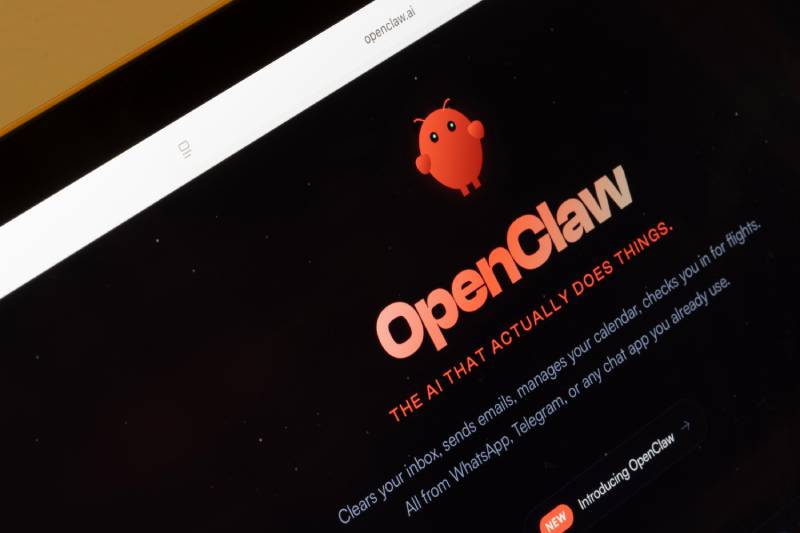
OpenClaw has shed light on the vulnerabilities inherent in agent architectures, emphasizing the need for robust security measures in AI ecosystems.
On May 11, 2026, OpenClaw unveiled significant findings regarding the security of agent architectures within AI environments. The report articulates that many existing systems are inadequately protected, turning AI ecosystems into potential attack surfaces. This revelation comes at a time when organizations increasingly rely on AI-driven automation, making security a paramount concern.
The discussion around agent security is particularly relevant as companies like Claude and Polymarket expand their offerings. As the integration of AI becomes deeper and more pervasive across industries, the implications of security vulnerabilities grow. OpenClaw’s findings indicate that the architecture of AI agents can significantly affect the overall security posture of organizations that deploy these systems.
OpenClaw’s analysis points out that traditional security measures may not suffice against the sophisticated techniques employed by modern cyber adversaries. The report highlights that when agent architectures lack robust security protocols, they can be manipulated, leading to unauthorized access and data breaches. This is especially concerning for companies that utilize AI for decision-making processes, as the integrity of their operations may be compromised.
Moreover, the implications extend beyond immediate security concerns. As vulnerabilities are exploited, trust in AI technologies may wane. Businesses must ensure that their AI systems are not only efficient but also secure to maintain stakeholder confidence. The findings from OpenClaw serve as a wake-up call for leaders in technology and business to reevaluate their security strategies in light of these risks.
In addition to immediate security concerns, the revelations from OpenClaw call into question the regulatory landscape surrounding AI technologies. As the industry evolves, policymakers may need to implement stricter guidelines and standards to protect against potential cyber threats. This could lead to a more rigorous compliance environment, impacting how companies approach AI deployment and governance.
In the coming months, the focus on agent security is likely to intensify. Companies will need to prioritize the development of secure AI architectures and invest in ongoing security assessments. This may include adopting more advanced encryption methods, implementing continuous monitoring systems, and fostering a culture of security awareness among employees.
Strategic Outlook: The next 6 to 12 months will likely see increased scrutiny on AI security measures as organizations grapple with the implications of OpenClaw’s findings. Companies that proactively address these vulnerabilities will not only enhance their security posture but also gain a competitive advantage in the AI market. Conversely, those that neglect these issues may face reputational damage and operational disruptions. As the landscape evolves, a focus on security will be essential for sustaining trust and advancing AI technology in a responsible manner.
The recent findings from OpenClaw concerning the security vulnerabilities in AI agent architectures pose significant implications for business leaders. As organizations increasingly integrate AI-driven solutions into their operations, the risks associated with inadequate security measures become more pronounced. The report underscores a critical reality: businesses that overlook these vulnerabilities may inadvertently expose themselves to cyber threats that could compromise their operational integrity and data security. The insights provided by OpenClaw serve as a crucial reminder for executives to prioritize the assessment and fortification of their AI security frameworks.
Furthermore, as companies like Claude and Polymarket expand their AI functionalities, the interconnectedness of these systems raises the stakes for security. A breach in one organization’s AI infrastructure could potentially have a ripple effect across the entire ecosystem, impacting not only the organization in question but also its partners and clients. This interconnected vulnerability highlights the necessity for a collective approach to security, where organizations collaborate to establish robust protocols and share best practices to mitigate risks associated with AI technologies.
Strategic Outlook: Over the next 6 to 12 months, it is likely that the industry will see a shift towards more stringent security measures and compliance protocols as a response to OpenClaw’s findings. Organizations may begin to invest in advanced security technologies and frameworks that align with evolving regulatory standards. Additionally, as trust in AI systems becomes increasingly fragile, businesses that prioritize security will likely gain a competitive advantage. By proactively addressing these vulnerabilities, leaders can not only protect their operations but also reinforce stakeholder confidence in their AI initiatives.
Source: scworld.com.
Related reading: Navigating the Future of Crypto with Polymarket and OpenClaw, Claude Won’t Blackmail You Anymore, Says Anthropic, and AI Video Analysis: A Comparative Test of Gemini, ChatGPT, and Claude.