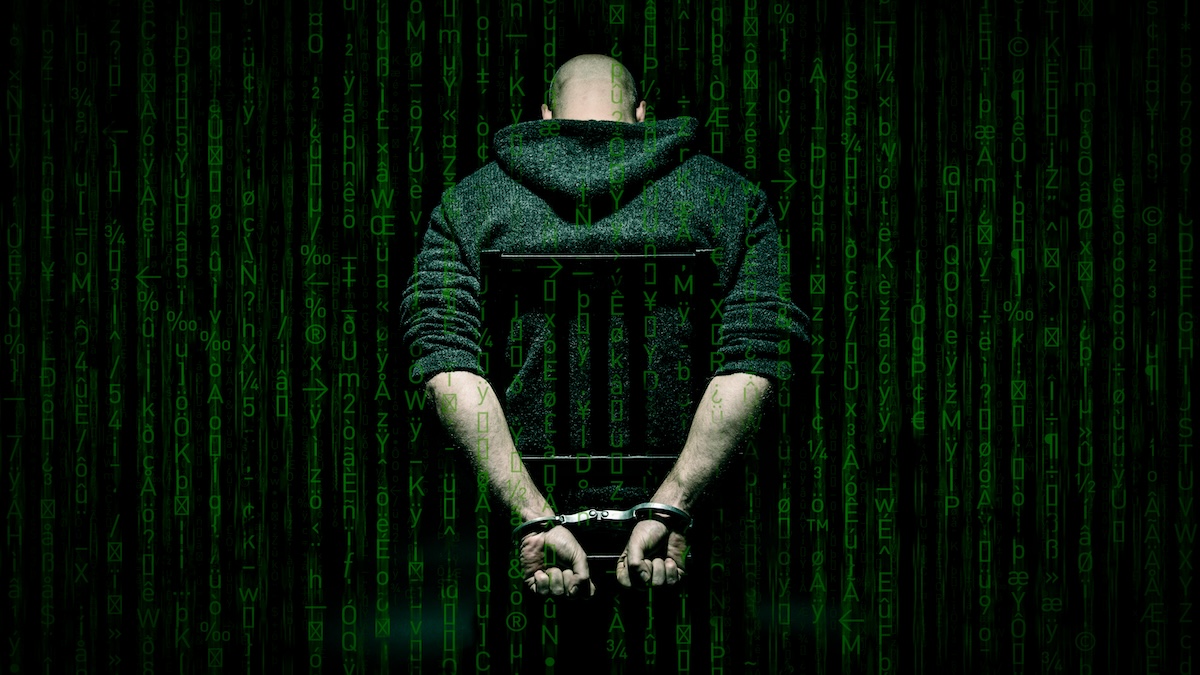
Jacob Butler, a 23-year-old Canadian, has been arrested for allegedly operating the notorious Kimwolf botnet, raising significant concerns about cybersecurity and the implications for businesses.
This arrest, announced on May 22, 2026, by U.S. authorities, underscores the escalating threat posed by sophisticated cybercriminal operations. Butler’s apprehension is part of a larger effort to combat the proliferation of botnets, which have been linked to various forms of cybercrime, including data theft, ransomware attacks, and automated fraud schemes.
The Kimwolf botnet is notorious for its ability to compromise a vast number of devices, turning them into a network of remotely controlled systems that can be exploited for malicious purposes. This incident serves as a stark reminder of the vulnerabilities that businesses face in an increasingly digital world. As organizations continue to adopt automation technologies and leverage AI, the potential entry points for cybercriminals expand, making robust cybersecurity measures more critical than ever.
U.S. authorities are seeking Butler’s extradition to face charges related to computer hacking, a move that highlights the international dimensions of cybersecurity enforcement. The collaboration between Canadian and American law enforcement agencies reflects a growing recognition that cyber threats are not confined by national borders. This case could set a precedent for future international efforts to hold cybercriminals accountable.
The implications of Butler’s arrest extend beyond legal ramifications. For CEOs and business operators, it serves as a wake-up call to reassess their cybersecurity strategies. The increasing sophistication of botnets like Kimwolf necessitates a proactive approach to security, encompassing not just technological solutions but also employee training and awareness programs. Additionally, businesses must consider the potential financial and reputational costs that can arise from a successful cyberattack.
As the landscape of cybersecurity continues to evolve, the rise of automated systems poses both opportunities and risks. Innovations in AI and automation, such as those represented by Claude and other advanced technologies, can enhance security protocols but also introduce new vulnerabilities. Companies must navigate this duality carefully, ensuring that their defenses are robust enough to withstand the challenges posed by emerging threats.
The strategic outlook for the next six to twelve months suggests that the cybersecurity landscape will become increasingly competitive. Companies involved in cybersecurity solutions will need to innovate continuously to keep pace with the evolving tactics of cybercriminals. Furthermore, businesses must prioritize investment in cybersecurity infrastructure, as the financial implications of a breach can far exceed the costs associated with preventative measures.
In conclusion, Jacob Butler’s arrest is not just a significant law enforcement achievement; it serves as a critical reminder for business leaders about the importance of cybersecurity. As threats continue to grow and evolve, the onus is on organizations to stay ahead of potential risks through vigilance, innovation, and a commitment to robust cybersecurity practices.
The recent arrest of Jacob Butler for operating the Kimwolf botnet serves as a crucial reminder for businesses regarding the importance of cybersecurity. With the ongoing rise of sophisticated cyber threats, it is evident that even companies that invest in advanced technologies such as automation and artificial intelligence must remain vigilant. Cybercriminals are increasingly employing complex strategies to exploit vulnerabilities, making it essential for organizations to adopt a multilayered approach to their security infrastructure. This incident highlights the pressing need for businesses to integrate cybersecurity into their operational framework, ensuring that security measures keep pace with technological advancements.
Furthermore, the collaboration between U.S. and Canadian law enforcement in apprehending Butler signifies a growing recognition of the necessity for international cooperation in combating cybercrime. As businesses operate in a global marketplace, the implications of such collaborations extend far beyond legal proceedings. For CEOs and founders, this highlights the importance of understanding the legal landscape surrounding cybersecurity, as well as the potential risks associated with cross-border operations. Companies must not only protect their digital assets but also stay informed about the evolving regulatory environment to mitigate legal liabilities stemming from cyber incidents.
Strategic Outlook: In the next 6 to 12 months, businesses should anticipate an increase in regulatory scrutiny and enforcement actions related to cybersecurity. As botnets like Kimwolf become more prevalent, organizations may face heightened expectations from stakeholders regarding their cybersecurity practices. Investing in robust security protocols, employee training, and incident response plans will be critical in navigating this evolving landscape. Additionally, companies should consider leveraging emerging technologies, such as those offered by platforms like Polymarket and OpenClaw, to enhance their risk assessment capabilities and proactively address potential threats. The proactive alignment of business strategy with cybersecurity readiness will ultimately determine resilience in the face of increasingly sophisticated cyber threats.
Source: securityweek.com.
Related reading: Claude Design: Promising Yet Limited Feature from Anthropic, Oversight Committee Chair Probes Insider Trading at Polymarket and Kalshi, and How Does Just Salad Keep Your Work Lunch Under $20? Thank Claude.