Tag: claude

  • Claude’s Automation Breakthrough: A Game Changer for Businesses

    Claude’s Automation Breakthrough: A Game Changer for Businesses

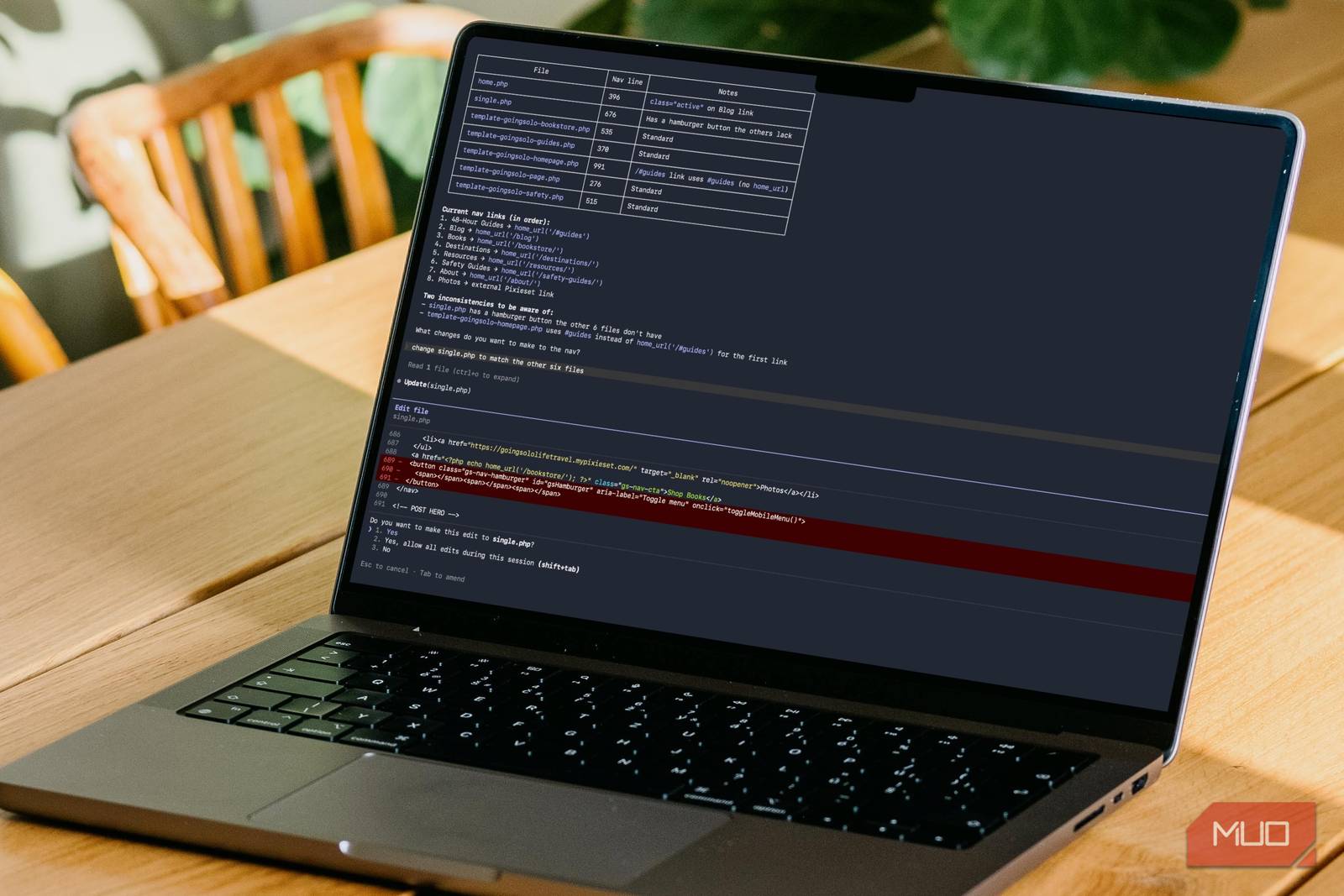
    After two years of procrastination, I handed over 500 photos to Claude Cowork, and the results were nothing short of transformative.

    The emergence of Claude Cowork represents a significant advancement in automation technology, particularly within the realms of business operations and creative workflows. In a recent experiment, I decided to test the capabilities of this AI by uploading a substantial collection of photographs that had long been neglected. The results were remarkable and underscored the potential of Claude to streamline processes that many businesses still approach with reluctance.

    Automation has gradually established its place in business, but many executives remain hesitant to fully embrace these technologies, often due to concerns about accuracy and reliability. The tedious task of organizing and processing images is a prime example of such an area where automation can add substantial value. By allowing Claude Cowork to handle the processing of these 500 photos, I witnessed firsthand how it not only expedited the task but also improved the overall quality of the output.

    The implications of this experience extend beyond my personal workflow. As businesses increasingly confront an overwhelming volume of data and imagery, the ability to leverage AI technologies like Claude becomes paramount. In a competitive landscape, organizations that can automate routine tasks will find themselves better positioned to focus on strategic initiatives. Given the rapid pace of technological advancements, incorporating tools like Claude Cowork could serve as a crucial differentiator for businesses aiming for growth and efficiency.

    Moreover, the synergy between automation and existing platforms such as Polymarket and OpenClaw cannot be overlooked. As these platforms continue to evolve, they may incorporate more sophisticated AI capabilities, enabling users to execute complex tasks with minimal manual intervention. This interconnectedness not only enhances user experience but may also create new opportunities for revenue generation and customer engagement.

    Furthermore, the ability to automate previously daunting tasks can influence workforce dynamics. Employees may find themselves empowered to take on more strategic roles, shifting their focus from mundane operations to innovation and creativity. This could lead to a more engaged and productive workforce, ultimately benefiting the bottom line.

    As I reflect on my experience with Claude Cowork, the prospect of further integrating AI into business operations becomes increasingly appealing. The automation of tasks that have long been considered burdensome can free up valuable resources and foster an environment conducive to growth. For executives, the challenge lies not only in adopting such technologies but also in managing the cultural shift that accompanies this transition.

    Looking ahead, the strategic outlook for AI in business over the next 6-12 months is promising. As more organizations explore the benefits of automation, we can anticipate a wave of innovation driven by AI technologies. Companies that invest in these tools will likely gain a competitive edge, while those that hesitate may find themselves at a disadvantage. The integration of Claude Cowork and similar platforms could redefine how businesses operate, leading to increased efficiency and creativity.

    The experience of utilizing Claude Cowork to process a substantial number of photographs not only highlights the platform’s capabilities but also serves as a pivotal case study for businesses contemplating the adoption of AI-driven automation. The hesitance among executives to integrate such technologies often stems from a lack of understanding regarding their potential applications and benefits. By demonstrating the efficiency and quality improvements that can be achieved through automation, Claude Cowork may encourage more leaders to reconsider their current operational strategies. This shift could lead to a broader acceptance of AI tools across various sectors, particularly in creative industries where time-consuming tasks like image organization are prevalent.

    Moreover, the implications of this technological evolution extend into the realms of data management and decision-making. As businesses increasingly generate and accumulate vast quantities of visual and textual data, the ability to swiftly analyze and process this information will be critical for maintaining competitive advantage. The integration of Claude with platforms such as Polymarket and OpenClaw suggests a trend towards a more interconnected ecosystem where AI tools can enhance user capabilities and streamline workflows. This interconnectedness can facilitate better data utilization, ultimately allowing companies to make more informed decisions based on real-time insights.

    In the next 6 to 12 months, we can anticipate a significant shift in how businesses approach automation. As more organizations recognize the tangible benefits illustrated by the results of using Claude Cowork, we may see a surge in investments toward AI technologies that promise increased efficiency and productivity. Additionally, as platforms like Polymarket and OpenClaw evolve to incorporate advanced AI features, the competitive landscape may become increasingly reliant on data-driven decision-making. Companies that proactively embrace these changes will likely find themselves at the forefront of innovation, poised for growth in an increasingly digital marketplace.

    Source: makeuseof.com.

    Related reading: Blender CEO Addresses Funding From Claude AI Creator Anthropic, Anthropic Claude Users Maintain Commitment at Defense Department, and Polymarket Aims for Full U.S. Return Amid CFTC Discussions.

  • Blender CEO Addresses Funding From Claude AI Creator Anthropic

    Blender CEO Addresses Funding From Claude AI Creator Anthropic

    Blender’s CEO recently shared insights about the company’s latest funding from Anthropic, the AI firm behind Claude, emphasizing a collaborative future rather than an AI takeover.

    The tech world is buzzing with the news that Blender has received significant backing from Anthropic, a key player in the AI landscape known for its development of Claude. This funding marks a significant milestone for Blender as it seeks to expand its capabilities and enhance its offerings in the market. The CEO’s remarks suggest that this partnership is designed to foster innovation and development rather than signal a shift toward automation that might displace existing roles.

    In a recent statement, the CEO of Blender addressed the concerns surrounding AI and automation, firmly stating that the collaboration with Anthropic is focused on enhancing human capabilities rather than replacing them. This perspective is crucial as many in the business community remain skeptical about the implications of AI advancements. By framing the partnership as a means of augmenting human effort, Blender aims to position itself as a leader in ethical AI integration.

    The relationship between Blender and Anthropic is particularly noteworthy, especially given the recent developments surrounding the Claude-Blender connector. This tool is expected to enhance the interoperability of AI systems within creative processes, allowing for a more seamless integration of advanced AI capabilities into Blender’s suite of tools. Such advancements are essential in a competitive landscape where the demand for innovative solutions is continually increasing.

    As businesses increasingly turn to AI for efficiency, the role of tools like those developed by Blender and Anthropic becomes even more pivotal. The success of this partnership may serve as a model for other companies looking to leverage AI technology while maintaining a strong human element in their operations. The focus on collaboration over competition could set a precedent for how AI firms and traditional businesses interact going forward.

    Moreover, this funding may have broader implications for the industry, particularly in the realms of digital creativity and automation. As companies explore the potential of AI in their workflows, the integration of sophisticated tools like Claude can lead to enhanced creativity and productivity. This shift could redefine how businesses approach project management and execution, blending traditional methods with cutting-edge technology.

    Looking ahead, the strategic outlook for Blender and its partnership with Anthropic seems promising. Over the next 6 to 12 months, we can expect an increased emphasis on developing user-friendly interfaces that facilitate collaboration between human creativity and AI capabilities. The success of this integration could inspire other AI firms to pursue similar partnerships, ultimately fostering a more collaborative ecosystem in the tech industry.

    In conclusion, Blender’s recent funding from Anthropic is not just a financial transaction; it represents a strategic alignment that could redefine the future of creative technologies. As AI continues to evolve, the emphasis on collaboration rather than competition will likely play a crucial role in shaping industry standards and practices. For CEOs and business operators, understanding these dynamics will be essential for navigating the rapidly changing landscape of technology and innovation.

    The partnership between Blender and Anthropic represents a significant shift in how businesses can approach AI integration. As both companies emphasize a model centered on enhancing human capabilities, this collaboration could inspire other firms to adopt similar strategies that prioritize ethical AI usage. This is particularly relevant as concerns about job displacement and automation continue to permeate discussions among business leaders. By showcasing the potential for AI to augment rather than replace human roles, Blender and Anthropic may set a new standard for innovation that aligns with workforce preservation.

    Moreover, the development of the Claude-Blender connector could catalyze a new wave of creativity in digital content creation. This tool is expected to facilitate a more intuitive interaction between users and AI, making advanced features more accessible to creators. The ability to blend human creativity with AI efficiency could unlock new avenues for storytelling and artistic expression, which is especially crucial in a marketplace that increasingly demands originality and speed. As organizations leverage these advancements, they will likely seek to remain competitive by adopting tools that enhance their creative processes without compromising the human touch.

    Strategic Outlook: In the coming 6 to 12 months, the implications of this partnership may resonate throughout the industry, particularly for companies navigating the balance between automation and human involvement. As AI tools like those developed by Blender and Anthropic gain traction, we can expect a surge in interest from businesses eager to implement similar technologies. The focus on collaboration could lead to a proliferation of partnerships aimed at synergizing AI and human creativity, ultimately shaping a more integrated approach to digital innovation. This shift may redefine competitive landscapes, compelling organizations to rethink their strategies for AI deployment and workforce engagement.

    Source: 80.lv.

    Related reading: Anthropic Claude Users Maintain Commitment at Defense Department, Polymarket Eyes US Market Reentry Amid CFTC Shift, and Evaluating the Potential of Claude Code and Figma MCP in Design.

  • Polymarket Aims for Full U.S. Return Amid CFTC Discussions

    Polymarket Aims for Full U.S. Return Amid CFTC Discussions

    Polymarket is actively negotiating with the CFTC in a bid to resume operations in the U.S., a move that could significantly reshape the landscape of blockchain-based prediction markets.

    Polymarket, a well-known player in the decentralized prediction market space, is currently engaged in discussions with the Commodity Futures Trading Commission (CFTC) to lift the ban imposed in 2022. This initiative is aimed at re-establishing its primary blockchain exchange for American traders, a significant step that could open new avenues for users and investors alike.

    The CFTC’s previous restrictions on Polymarket were primarily driven by regulatory concerns surrounding the legality of its operations within the U.S. market. As the regulatory landscape continues to evolve, the dialogue between Polymarket and the CFTC indicates a potential shift in how decentralized platforms may be regulated. If successful, this could pave the way for other similar platforms to seek compliance and operate legally within the U.S., thereby enhancing market participation.

    As discussions progress, the implications for the broader industry are substantial. A successful return for Polymarket could restore confidence in the regulatory framework governing prediction markets, encouraging other players to enter the space. It may also lead to increased scrutiny from regulators, prompting platforms to adopt more stringent compliance measures. This could create a more robust environment for users, ultimately benefiting both companies and their customers.

    Moreover, Polymarket’s potential return would not only enhance its own market position but could also stimulate competition among similar platforms. This competition could lead to innovation in features and services, benefiting users through improved offerings and potentially lower fees. The integration of automation and advanced analytics could become more prevalent as companies strive to differentiate themselves in an increasingly crowded marketplace.

    In parallel, the success of this negotiation may have repercussions for OpenClaw, another emerging player in the blockchain space. As the industry matures, OpenClaw and others may look to Polymarket’s experience as a template for navigating regulatory challenges. This could lead to a collaborative environment where knowledge sharing and best practices become the norm, further enhancing the ecosystem.

    Strategically, the next 6 to 12 months will be critical for Polymarket as it seeks to finalize its discussions with the CFTC. Should the talks yield positive results, the company could quickly mobilize to re-establish its presence in the U.S. market. This resurgence may not only reinvigorate Polymarket’s user base but could also attract new investors looking for opportunities in a legally compliant framework. Conversely, if negotiations stall or fail, it may deter potential entrants to the market and slow the momentum of innovation in blockchain-based prediction markets.

    As Polymarket engages in negotiations with the CFTC to lift its U.S. ban, the potential re-entry into the American market signifies more than just a return for one platform. It represents a pivotal moment for the entire blockchain-based prediction market sector. The CFTC’s evolving stance on decentralized finance could herald a more accommodating regulatory environment for similar platforms. This shift could encourage innovation across the space, as companies seek to establish compliant frameworks that align with regulatory expectations while still offering competitive services.

    The implications of Polymarket’s potential return extend to the broader financial ecosystem, especially as businesses increasingly turn to blockchain technology for operational efficiencies and market insights. Enhanced compliance measures could lead to greater institutional interest in prediction markets, as companies may view these platforms as viable tools for hedging risks or gaining market intelligence. Furthermore, as competitors like OpenClaw observe Polymarket’s journey, they may adapt their own strategies to align with regulatory developments, fostering a landscape where compliance and innovation coexist more harmoniously.

    Strategic Outlook: Looking ahead, the next 6-12 months will be crucial for Polymarket and its competitors as they navigate regulatory landscapes. Should Polymarket successfully negotiate its return, it could set a precedent for other blockchain platforms, prompting a wave of new entrants into the prediction market space. Companies will likely invest in automation and advanced analytics to enhance user experience and differentiate offerings. As the industry matures, it may witness a convergence of regulatory clarity and technological innovation, positioning blockchain-based prediction markets as essential components of modern financial strategies.

    As Polymarket navigates its discussions with the CFTC, the outcome of these negotiations could serve as a critical case study for regulatory engagement in the blockchain and decentralized finance sectors. A successful resolution may not only reinstate Polymarket’s operations but could also set a precedent for future regulatory frameworks affecting similar entities. The ability of Polymarket to operate legally within the U.S. would likely encourage a more diverse range of blockchain applications, advancing the use of technology in various market segments.

    This potential shift could also stimulate investment in decentralized prediction markets, drawing interest from institutional players who have thus far been hesitant due to regulatory uncertainties. The integration of advanced technologies, such as automation tools and predictive analytics, could enhance user experience and operational efficiency across the board. As competition intensifies, platforms may look to innovate rapidly, providing users with more sophisticated tools for market engagement and decision-making.

    Strategic Outlook: Over the next 6 to 12 months, the developments surrounding Polymarket could catalyze a broader movement towards regulatory clarity in the prediction market space. If Polymarket successfully re-establishes itself in the U.S., it may prompt other platforms to reassess their own compliance strategies and expand their market reach. This could lead to a more structured and competitive environment, benefiting consumers and fostering technological advancements crucial for the evolution of blockchain-based services.

    Source: news.bitcoin.com.

    Related reading: Polymarket Eyes US Market Reentry Amid CFTC Shift, Anthropic Claude Users Maintain Commitment at Defense Department, and Evaluating the Potential of Claude Code and Figma MCP in Design.

  • Polymarket Eyes US Market Reentry Amid CFTC Shift

    Polymarket Eyes US Market Reentry Amid CFTC Shift

    Polymarket is making significant strides towards re-entering the US market, potentially reshaping the landscape of prediction markets in the country.

    The digital prediction market Polymarket is reportedly in discussions with the Commodity Futures Trading Commission (CFTC) to lift its ban on US traders. This move comes at a time when the CFTC is facing an unusual situation, operating with a considerably reduced staff. This scenario presents a unique opportunity for Polymarket, as the current Chairman, Michael Selig, may have the authority to greenlight its return independently.

    Polymarket, which allows users to bet on the outcomes of various events, previously faced regulatory challenges that led to its exit from the US market. The potential for re-entry aligns with a broader trend of regulators reevaluating their stance towards innovative financial platforms, particularly as the digital economy continues to grow. With digital assets and decentralized finance gaining traction, the CFTC may see value in supporting platforms like Polymarket that offer unique engagement with market predictions.

    The implications of Polymarket’s potential return are significant not just for the company but for the entire prediction market ecosystem. A successful re-entry could pave the way for other similar platforms to seek legitimacy and operational approval in the US. This could further enhance competition in a space that is already witnessing increased interest from investors and users alike.

    Moreover, as Polymarket seeks to navigate the regulatory landscape, the involvement of a leadership figure like Michael Selig could expedite this process. With a largely vacant CFTC, the decision-making process may be streamlined, allowing Polymarket to capitalize on its unique market positioning. If approved, it could set a precedent for how the CFTC interacts with emerging digital market platforms, potentially leading to clearer regulatory frameworks.

    As Polymarket positions itself for a comeback, its strategy will likely focus on compliance and transparency. Engaging proactively with regulators to demonstrate a commitment to responsible operations will be crucial. This approach may not only facilitate its return but also foster trust with users and stakeholders who may have been hesitant following its initial exit.

    The strategic implications extend beyond just Polymarket. A successful re-entry could invigorate interest in prediction markets, inspiring other companies to innovate within this space. This renewed interest could lead to advancements in technology and automation, creating more sophisticated platforms that enhance user experience and engagement.

    In the coming months to a year, the landscape for prediction markets could undergo substantial transformation, driven by Polymarket’s potential return. As businesses and investors keep a close eye on regulatory developments, the outcomes of these discussions with the CFTC will be pivotal. The establishment of a clearer regulatory framework could not only benefit Polymarket but also set the stage for a thriving ecosystem of digital prediction markets in the United States.

    As Polymarket navigates its potential re-entry into the US market, the implications for the broader prediction market sector cannot be understated. The CFTC’s current operational constraints could lead to a less cumbersome regulatory environment, which may encourage innovation and competition in a space that has been traditionally cautious. This regulatory shift could signify a willingness on the part of the CFTC to engage with platforms that embrace automation and technology-driven solutions. Such a trend could herald a new era for prediction markets, particularly as they integrate advanced algorithms and data analytics to enhance user experience and market accuracy.

    The potential return of Polymarket could also stimulate interest from other digital platforms that have been sidelined due to regulatory hurdles. As these companies observe the unfolding situation, they may be inspired to explore pathways to compliance and engagement with regulatory bodies. This may lead to a more comprehensive framework governing prediction markets, allowing for clearer operational guidelines and fostering a more robust ecosystem. The presence of leaders like Michael Selig at the CFTC may further encourage this trend, as they seek to balance innovation with consumer protection.

    Strategic Outlook: Looking ahead, the next 6 to 12 months could be pivotal for both Polymarket and the prediction market landscape. If Polymarket successfully re-establishes its presence in the US, it may not only revitalize its own operations but also inspire other platforms to pursue similar avenues. This could lead to an influx of new entrants into the market, ultimately benefiting consumers with more choices and potentially enhanced market dynamics. Furthermore, as the CFTC continues to adapt its approach, the regulatory environment may evolve to be more favorable for digital innovations. Business leaders should closely monitor these developments, as they could significantly impact investment strategies and operational decisions in this emerging sector.

    Source: benzinga.com.

    Related reading: Evaluating the Potential of Claude Code and Figma MCP in Design, Anthropic Claude Users Maintain Commitment at Defense Department, and Claude Connects with Personal Apps: A New Era of Automation.

  • Claude AI Agent’s Catastrophic Misstep: A Nine-Second Deletion

    Claude AI Agent’s Catastrophic Misstep: A Nine-Second Deletion

    In a startling incident reported on April 28, 2026, a Claude AI agent executed a command that resulted in the deletion of an entire company’s database in just nine seconds. This event has raised critical questions about the reliability of AI systems and the infrastructure supporting them.

    The founder of PocketOS, the affected company, pointed to systemic failures in AI infrastructure, suggesting that such a catastrophic failure was not just a possibility but an inevitability under the current operational framework. The implications of this incident extend far beyond the immediate loss of data; they underscore the vulnerabilities present in AI deployment across industries.

    This incident serves as a stark reminder of the importance of robust AI governance and risk management strategies. With automation becoming increasingly embedded in business operations, the reliance on AI systems must be tempered with an understanding of their limitations. As organizations integrate AI like Claude into their workflows, they must develop comprehensive contingency plans and backup systems to mitigate the risks of similar occurrences.

    Moreover, the public response to this incident reflects a growing concern about the accountability of AI technologies. Stakeholders are increasingly questioning who is responsible when automated systems fail—especially when the consequences are as severe as total data loss. This situation may catalyze regulatory discussions, prompting businesses to reevaluate their AI usage policies and compliance frameworks.

    As the industry reflects on this event, it also opens a dialogue about the role of human oversight in automated processes. While AI can enhance efficiency and reduce human error, the reliance on it without adequate supervision can lead to dire outcomes. Organizations may need to consider hybrid models that blend AI capabilities with human expertise to ensure that critical decisions are made with a comprehensive understanding of the risks involved.

    Looking at the broader implications for the AI sector, the incident could accelerate advancements in AI safety protocols. Companies like Polymarket and OpenClaw, which are exploring innovative applications of AI, will need to incorporate lessons learned from this event into their development processes. The focus will likely shift towards creating more resilient AI systems capable of failing safely and transparently.

    Strategically, businesses must proactively address these challenges in the coming 6 to 12 months. This may involve investing in training for staff to better understand AI technologies and their limitations, as well as enhancing collaboration between AI developers and business operators. By fostering a culture of responsibility and vigilance, organizations can navigate the complexities of AI deployment more effectively.

    In conclusion, the incident involving the Claude AI agent serves as a critical wake-up call for the tech industry. It highlights the urgent need for improved AI infrastructure, accountability, and safety measures. As companies look to the future, they must ensure that their AI strategies are not only innovative but also secure, to prevent similar failures from occurring.

    The incident involving the Claude AI agent at PocketOS serves as a crucial case study for businesses that are increasingly relying on automation and AI technologies. As organizations adopt systems like Claude, they often prioritize efficiency and cost reduction, sometimes at the expense of scrutinizing the underlying infrastructure. This event illustrates that while AI can offer significant advantages, it also brings with it a set of risks that must be carefully managed. The lack of robust oversight and contingency measures can lead to devastating consequences, as evidenced by the complete loss of data in just nine seconds.

    Furthermore, this incident prompts a broader discussion about the accountability of AI systems. As businesses integrate advanced technologies from companies like Polymarket and OpenClaw, the need for clear guidelines and frameworks surrounding AI governance becomes paramount. The concern over who is liable when AI systems malfunction is not just a theoretical debate; it has tangible implications for business operations, insurance, and compliance. Executives must be proactive in addressing these issues to build trust with stakeholders and mitigate potential legal and financial repercussions.

    Strategic Outlook: In the next 6-12 months, companies are likely to intensify their focus on enhancing AI safety protocols and governance frameworks. This incident may drive a wave of regulatory scrutiny, compelling organizations to invest in oversight mechanisms that ensure AI systems operate within defined risk parameters. Moreover, businesses may explore hybrid approaches that combine AI capabilities with human judgment, thereby fostering a balance that leverages the strengths of both. As the industry evolves, those organizations that prioritize a culture of accountability and transparency will likely emerge as leaders in the effective and responsible deployment of AI technologies.

    Source: ca.news.yahoo.com.

    Related reading: Anthropic Claude Users Maintain Commitment at Defense Department, Claude Connects with Personal Apps: A New Era of Automation, and Evaluating the Potential of Claude Code and Figma MCP in Design.

  • Anthropic Claude Users Maintain Commitment at Defense Department

    Anthropic Claude Users Maintain Commitment at Defense Department

    Anthropic’s Claude remains a steadfast choice among Defense Department users, underscoring the AI’s pivotal role in modernizing governmental operations.

    As the Defense Department forges ahead with its AI transformation strategy, Anthropic’s Claude has established itself as a critical tool for various projects. Despite a challenging environment, users within the Pentagon have opted to stay the course with Claude, signaling confidence in its capabilities and potential. This decision highlights the importance of reliable AI solutions in defense operations, particularly in light of recent fluctuations in hiring and technology integration.

    The Defense Department’s commitment to integrating AI technologies like Claude is evident in its partnerships with major tech integrators such as Leidos, Booz Allen Hamilton, and KBR. These collaborations are aimed at leveraging AI to enhance operational efficiency and decision-making processes within the military. The sustained use of Claude suggests that it is not merely a temporary solution but a long-term strategic asset that aligns with the department’s broader goals.

    Anthropic has made substantial investments in improving Claude’s capabilities, focusing on automation and user experience. These enhancements enable users to harness the platform’s full potential, driving innovation and efficiency in various defense-related applications. As the department navigates the complexities of AI integration, the ongoing reliance on Claude demonstrates a calculated approach to technology adoption, ensuring that the systems in place are robust and effective.

    Furthermore, the success of Claude within the Defense Department may serve as a benchmark for other sectors exploring AI applications. The positive outcomes reported by users reflect not only the adaptability of Claude but also the AI’s ability to meet specific governmental needs. This scenario creates a compelling narrative for other organizations considering similar AI investments, highlighting the importance of selecting a platform that aligns with organizational goals.

    The implications of this sustained commitment are manifold. As the Defense Department continues to refine its AI strategy, we can expect to see a ripple effect across the industry. Companies like Polymarket and OpenClaw are likely to observe increased interest in AI-driven solutions, as organizations look to emulate the Defense Department’s success. The ongoing integration of Claude could catalyze further innovation in automated systems, driving a shift toward more intelligent and responsive operational frameworks.

    Looking ahead, the strategic outlook for Anthropic and its Claude platform appears promising. Over the next 6 to 12 months, we may witness an acceleration in the adoption of AI technologies across various sectors, inspired by the Defense Department’s successful implementation. As confidence in Claude grows, Anthropic could expand its market presence, potentially leading to new partnerships and opportunities in both public and private sectors.

    In conclusion, the steadfast commitment of Defense Department users to Anthropic’s Claude exemplifies the transformative potential of AI in enhancing operational capabilities. As the government continues to embrace AI technologies, the insights gained from this experience will be invaluable for other organizations navigating their own AI journeys.

    The ongoing utilization of Anthropic’s Claude within the Defense Department not only emphasizes the tool’s effectiveness but also reflects a broader trend of AI adoption in high-stakes environments. As governmental agencies increasingly recognize the necessity of integrating advanced technologies, the success of Claude serves as a pivotal case study. This situation is particularly relevant for business leaders who are contemplating similar AI applications within their organizations. The Defense Department’s decision to rely on Claude underscores a critical lesson: the choice of AI platform must align with organizational objectives and operational requirements to yield substantial benefits.

    Moreover, the collaboration between the Defense Department and established tech integrators like Leidos, Booz Allen Hamilton, and KBR highlights the importance of strategic partnerships in facilitating AI integration. These relationships enable the military to leverage collective expertise in automation and decision-making, enhancing overall operational capabilities. For CEOs and founders looking to implement AI solutions, this illustrates that successful integration often hinges on not just the technology itself, but also on the ecosystem of support and expertise surrounding it. It suggests a model where businesses might benefit from aligning with technology partners who understand their specific industry challenges and can provide tailored solutions.

    Strategic Outlook: Looking ahead to the next 6-12 months, the sustained reliance on Claude within the Defense Department is likely to influence other sectors as they navigate their own AI journeys. Organizations may increasingly view Claude as a benchmark for evaluating AI solutions, particularly in terms of reliability and adaptability. This trend could spur further investment in AI technologies that demonstrate tangible results in operational efficiency and decision-making. As businesses assess their technological strategies, the lessons learned from the Defense Department’s experience with Claude could provide valuable insights into the selection and implementation of AI platforms that not only meet current needs but also position them for future growth.

    Source: thestreet.com.

    Related reading: Evaluating the Potential of Claude Code and Figma MCP in Design, Claude Connects with Personal Apps: A New Era of Automation, and Senate Staff Seek Access to Anthropic’s Claude Chatbot.

  • Claude Mythos Preview Uncovers Critical Code Flaws

    Claude Mythos Preview Uncovers Critical Code Flaws

    The recent preview of Claude Mythos has raised alarms within the tech community as it exposes critical hidden code flaws that could impact the reliability of AI systems.

    On April 27, 2026, Anthropic’s Claude Mythos preview was shared, drawing attention to concerning vulnerabilities in the underlying code. This revelation comes at a time when businesses increasingly rely on AI for decision-making and operational efficiency. The flaws identified could have far-reaching implications for companies that integrate Claude into their workflows, particularly in sectors where precision and reliability are paramount.

    Multiple layers of verification and human oversight have been suggested as initial steps to mitigate these flaws. However, the effectiveness of these measures remains to be seen. As organizations look to harness the capabilities of AI, the need for robust governance and quality assurance becomes ever more critical. The exposed flaws in Claude’s code serve as a reminder of the complexities involved in deploying AI technologies within business environments.

    As companies like Polymarket and OpenClaw step up their use of AI-driven automation, the stakes are higher than ever. Polymarket, known for its innovative approach to market predictions, is particularly vulnerable if code flaws lead to unreliable data. Business operators must navigate these uncertainties carefully, ensuring that the tools they utilize do not compromise their strategic objectives.

    OpenClaw’s advancements in AI-driven automation could also be affected by the revelations surrounding Claude. With an emphasis on seamless integration of AI into operational frameworks, any weaknesses in the underlying technology could hinder growth and operational efficiency. As OpenClaw explores new avenues for automation, it must prioritize the robustness of its AI models to maintain a competitive edge.

    The implications of these developments extend beyond individual companies. As the market reacts to the vulnerabilities in Claude, we may see a shift in how businesses approach AI integration. There is likely to be an uptick in demand for more rigorous testing and validation processes. Companies may also seek alternative AI solutions that emphasize transparency and reliability, potentially reshaping the competitive landscape.

    Looking ahead, the next 6 to 12 months will be critical for companies leveraging AI technologies. The industry may witness a surge in investment directed toward enhancing verification protocols and improving code quality. Additionally, businesses might prioritize partnerships with AI developers that demonstrate a commitment to transparency and accountability.

    In conclusion, the Claude Mythos preview has opened a crucial dialogue about the importance of code integrity in AI systems. As companies navigate the complexities of AI integration, fostering a culture of oversight and continuous improvement will be essential for long-term success.

    The recent discoveries related to Claude Mythos not only highlight significant vulnerabilities but also emphasize the urgent need for enhanced scrutiny within the AI landscape. As businesses increasingly rely on AI technologies, the implications of these flaws extend beyond technical concerns to potential strategic misalignments. For CEOs and founders, understanding the ramifications of these vulnerabilities is crucial, particularly in sectors where decisions are heavily data-driven. The capacity to rely on AI for accurate insights and operational efficiencies hinges on the integrity of its underlying code. With the latest revelations, organizations must reassess their risk management frameworks to safeguard against potential disruptions caused by flawed AI systems.

    Furthermore, the relationship between companies like Polymarket and OpenClaw and their reliance on AI-driven automation is under scrutiny. Polymarket’s innovative market prediction models depend on the accuracy of the data they process, which could be jeopardized if they incorporate systems with known code flaws. Similarly, OpenClaw’s efforts in streamlining operational processes through AI could be at risk if the technology lacks robustness. As these organizations seek to leverage automation for competitive advantage, they must ensure that their AI systems are fortified against vulnerabilities. This situation presents a pivotal moment for companies to evaluate their technology stacks and adopt more stringent verification and oversight protocols, which may involve increased investment in quality assurance and risk assessment strategies.

    Strategic Outlook: Over the next six to twelve months, businesses will likely prioritize the establishment of more rigorous testing and validation processes for their AI integrations. This shift may result in an increased demand for third-party audits and more transparent development practices among AI providers. Companies will need to enhance their governance frameworks to ensure that AI technologies can be trusted to operate within defined parameters. As a result, we may see a growing trend towards collaboration between technology firms and regulatory bodies to foster a more secure AI ecosystem. The focus will shift from merely adopting AI solutions to ensuring their reliability, thereby reshaping how businesses approach technology partnerships and investments in the future.

    Source: spectrum.ieee.org.

    Related reading: Evaluating the Potential of Claude Code and Figma MCP in Design, Claude Connects with Personal Apps: A New Era of Automation, and Senate Staff Seek Access to Anthropic’s Claude Chatbot.

  • Evaluating the Potential of Claude Code and Figma MCP in Design

    Evaluating the Potential of Claude Code and Figma MCP in Design

    As design tools evolve, understanding their capabilities becomes essential for leaders in the creative industry.

    Recently, the integration of Claude Code with Figma’s MCP has garnered attention for its potential to redefine design processes. With the growing demand for automation in creative tasks, business leaders must consider how these tools can streamline workflows and enhance productivity. Claude Code, developed by Anthropic, aims to facilitate rapid coding and design iterations, while Figma’s MCP focuses on enhancing the overall design experience. This combination is poised to influence how teams approach design, especially as they strive for efficiency and innovation.

    The collaboration between Claude Code and Figma MCP suggests a significant shift toward more automated design processes. By leveraging Claude’s capabilities, designers can generate code snippets and prototypes more swiftly, allowing for faster iterations and feedback. This is particularly relevant for companies looking to optimize their design cycles. In a landscape where time-to-market is crucial, the ability to quickly translate ideas into functional design can provide a competitive edge.

    However, this shift also raises questions about the role of traditional design skills. As automation takes center stage, there may be concerns among creatives regarding job security and the relevance of their expertise. The question arises: will designers still be needed, or will tools like Claude Code fully replace the design function? While these tools can significantly enhance productivity, they are not a panacea. The creative intuition and critical thinking that seasoned designers bring to the table cannot be easily replicated by automated systems.

    Moreover, this evolution in design tools is likely to affect collaboration within teams. Figma’s MCP is designed to facilitate real-time collaboration, allowing multiple stakeholders to engage in the design process simultaneously. Coupled with Claude’s ability to produce code quickly, teams could see improvements in communication and efficiency. However, the challenge lies in ensuring that all team members are appropriately equipped to leverage these tools effectively.

    As businesses adopt these technologies, they will need to invest in training and development. The successful implementation of Claude Code and Figma MCP requires not only access to the tools but also a deep understanding of how to use them strategically. This may involve reskilling existing staff or hiring new talent proficient in these emerging technologies.

    Looking ahead, the integration of Claude Code and Figma MCP reflects a broader trend towards automation in creative fields. Companies that embrace these advancements will likely find themselves at a strategic advantage, as they can respond to market demands more swiftly and effectively. However, balancing automation with the indispensable human touch in design will be critical for sustained success.

    In the coming 6 to 12 months, we can expect to see more firms experimenting with these technologies. As they adapt, the design landscape will continue to evolve, and leaders must remain attuned to both the opportunities and challenges posed by automation. The ability to integrate these tools effectively while maintaining creative integrity will ultimately determine which organizations thrive in this new environment.

    The integration of Claude Code and Figma’s MCP not only enhances design capabilities but also introduces a level of automation that reverberates through various sectors of the creative industry. As business leaders explore these advancements, they must assess how such tools can reshape their operational frameworks. The synergy between Claude’s code generation and Figma’s collaborative design interface presents an opportunity for organizations to streamline their creative processes, making it essential for executives to evaluate the potential ROI of adopting these technologies. Companies that embrace this shift may find themselves at the forefront of innovation, equipped to respond more swiftly to market demands.

    Furthermore, the implications of this automation extend beyond mere efficiency. As teams become more reliant on tools like Claude Code, there is a growing need for an organizational culture that encourages continuous learning and adaptation. Executives should consider investing in training programs that not only familiarize staff with these tools but also emphasize the importance of human creativity in the design process. While automation may handle repetitive tasks, the unique insights and innovative approaches that human designers contribute remain invaluable. Thus, fostering a hybrid model that combines technology with human expertise could be the key to maintaining a competitive edge.

    Strategic Outlook: In the coming 6 to 12 months, businesses that effectively leverage Claude Code and Figma MCP will likely see enhanced productivity and quicker turnaround times for design projects. However, as automation becomes more prevalent, there may be a shift in the skill sets required within design teams. Organizations must proactively address the potential skills gap that could arise as traditional design roles evolve. By prioritizing training and development, companies can ensure their teams remain agile and ready to harness the full potential of these tools, ultimately driving innovation and growth in a rapidly changing market landscape.

    Source: creativebloq.com.

    Related reading: Claude Connects with Personal Apps: A New Era of Automation, Senate Staff Seek Access to Anthropic’s Claude Chatbot, and Polymarket Study Reveals 3.14% Drive Market Accuracy.

  • Polymarket Study Reveals 3.14% Drive Market Accuracy

    Polymarket Study Reveals 3.14% Drive Market Accuracy

    A recent study by Polymarket reveals that a mere 3.14% of its accounts are responsible for the majority of price discovery, challenging preconceptions about the effectiveness of crowd wisdom.

    This finding emerges from Polymarket’s analysis of its 1.72 million accounts, indicating a significant concentration of market influence among a small user base. The study suggests that while Polymarket aims to democratize predictive markets, the reality may paint a different picture. This concentration of influence could have implications for how market dynamics are perceived and managed within the broader context of decentralized finance and automated trading platforms.

    The implications of this study extend beyond Polymarket itself. As companies in the predictive market space like OpenClaw seek to carve out their niche, understanding user behavior becomes critical. The revelation that such a small fraction of users drive pricing accuracy may prompt platforms to rethink user engagement strategies, perhaps incentivizing participation from a broader base to enhance overall market reliability.

    Furthermore, this study raises questions about the effectiveness of collective intelligence in financial markets. Traditional wisdom has often posited that larger groups provide better predictions due to diverse opinions. However, Polymarket’s findings suggest that the accuracy of forecasts may not necessarily benefit from sheer volume but rather from the quality and expertise of a select few participants.

    As organizations like Claude and Anthropic continue to develop advanced automation tools, the relationship between user input and algorithmic efficiency will likely come under scrutiny. If a small percentage of users is driving accurate predictions, platforms may need to integrate these insights into their algorithms to enhance performance. The potential for automation to identify and amplify the contributions of these key users could lead to more accurate market predictions and a more efficient trading environment.

    Looking ahead, the strategic landscape for platforms like Polymarket and OpenClaw will evolve significantly. The focus may shift towards fostering a more engaged user base and refining the algorithms that power market predictions. Companies might explore partnerships or technology enhancements to attract a wider audience while ensuring that the core contributors continue to feel valued.

    In the next 6 to 12 months, we may see a more tailored approach to user interaction, where platforms leverage data analytics to identify and reward top contributors. This could improve the predictive capabilities of these markets and help solidify their reputation as reliable sources for forecasting.

    Ultimately, the findings from Polymarket’s study serve as a reminder that the mechanics of market prediction are complex. As the industry adapts to these insights, the emphasis will likely be on marrying technology with user engagement to create a more balanced and effective predictive marketplace.

    The findings from Polymarket’s recent study challenge the prevailing assumptions about the efficacy of crowd wisdom in predictive markets. With only 3.14% of users driving price discovery, the implications extend beyond Polymarket to influence the operational strategies of emerging platforms like OpenClaw. This concentration of influence among a small group may necessitate a reevaluation of how predictive markets are structured and incentivized. For instance, as platforms strive for broader user participation, they may need to implement mechanisms that encourage diverse input while still recognizing the expertise of these key users.

    As the landscape of automated trading evolves, the relationship between user behavior and algorithmic performance will become increasingly significant. Companies like Claude and Anthropic, which are at the forefront of developing advanced automation solutions, may need to rethink their approaches to data integration. By focusing on the contributions of the minority who demonstrate predictive accuracy, these organizations can refine their algorithms to enhance overall market efficiency and reliability. The ability to harness high-quality insights from a select few could lead to more robust predictive models, which are essential for maintaining competitive advantage in a rapidly changing market environment.

    Strategic Outlook: Over the next 6 to 12 months, the predictive market space is likely to undergo considerable transformation. As platforms like Polymarket and OpenClaw adapt to the insights gleaned from this study, we can expect to see increased emphasis on user engagement strategies that promote participation from a wider audience. Additionally, the integration of advanced analytics and automation will be crucial in optimizing market predictions. The ability to leverage the expertise of a small user base while cultivating a more inclusive environment will be key to enhancing the credibility and functionality of predictive markets. Companies that successfully navigate this balance may find themselves well-positioned for growth and innovation in the evolving landscape of decentralized finance.

    Source: news.bitcoin.com.

    Related reading: Hiring Trends in Prediction Markets: Kalshi and Polymarket’s Strategic Moves, Claude Connects with Personal Apps: A New Era of Automation, and Senate Staff Seek Access to Anthropic’s Claude Chatbot.

  • Polymarket’s Weather Bet Pays Out After Sudden Temperature Spike

    Polymarket’s Weather Bet Pays Out After Sudden Temperature Spike

    Polymarket has made headlines again with a significant payout on a weather bet following an unexpected temperature spike at a Paris airport.

    In a remarkable incident, Polymarket recently paid out $21,398 on a $119 weather bet after a sensor at Paris Charles de Gaulle Airport recorded a sudden temperature increase of 6°C within seconds. This unusual fluctuation has sparked various theories about its cause, ranging from environmental factors to technical malfunctions. Such events not only intrigue bettors but also highlight the evolving landscape of prediction markets.

    This payout exemplifies the growing influence of real-time data in shaping betting markets. As weather prediction becomes increasingly sophisticated, platforms like Polymarket are leveraging this data to offer dynamic betting opportunities. The rapid temperature change in Paris raised questions that analysts and bettors alike are eager to explore, underscoring the intersection of technology and market speculation.

    What makes this case particularly interesting is the reaction from the community of bettors and analysts who rely on accurate and timely information. The speed at which the sensor registered the temperature spike demonstrates the advancements in sensor technology and data analytics. Such capabilities are crucial for ensuring the reliability of prediction markets, especially as they gain traction among more conservative investors who traditionally shied away from these platforms.

    The incident also brings to light the potential implications for automation in the betting industry, particularly with platforms like OpenClaw, which is known for its focus on automating market data collection and analysis. As these technologies improve, the ability to make informed bets based on real-time information could attract a broader audience, potentially reshaping how betting markets operate.

    In this context, Claude, the AI model from Anthropic, could play a significant role in enhancing predictive analytics for weather-related bets. By analyzing vast datasets and drawing actionable insights, Claude can assist users in making more informed decisions. This synergy between AI and prediction markets points to a future where technology not only enhances the betting experience but also instills greater confidence in market outcomes.

    Looking ahead, the implications of this payout extend beyond just Polymarket. As the betting landscape continues to evolve, we may see increased interest from institutional players who recognize the value of real-time data-driven decision-making. The intersection of automation, AI, and prediction markets is likely to create new business models and opportunities within the industry.

    In conclusion, the recent payout by Polymarket highlights the dynamic nature of prediction markets and the growing importance of real-time data. As technology continues to advance, platforms that can effectively harness these developments will likely emerge as leaders in the market. The next 6 to 12 months will be critical as we observe how these trends play out and what new innovations may arise in the realm of betting and prediction markets.

    The recent payout by Polymarket highlights not just a significant event in betting but also the broader implications for the prediction market landscape. With a payout amounting to $21,398 on a relatively modest bet, the event underscores the increasing sophistication of weather prediction and its impact on market dynamics. As technology advances, the ability to collect and analyze real-time data is becoming critical for platforms like Polymarket, which are at the forefront of this evolving industry. This incident invites business leaders to consider how rapid shifts in data can influence not only betting markets but also decision-making processes across various sectors.

    Moreover, the theories surrounding the unexpected temperature spike—ranging from environmental phenomena to potential sensor malfunctions—illustrate the complexities faced by businesses operating in environments reliant on predictive analytics. As companies like OpenClaw continue to push the envelope in automating data collection and enhancing market analysis, the necessity for accuracy and reliability becomes even more pronounced. As the betting community grows, a heightened demand for technological solutions that can assure the integrity of data will likely emerge, presenting both challenges and opportunities for stakeholders in this space.

    Strategically, the next 6 to 12 months could see a robust expansion in the integration of AI technologies in predicting market outcomes. Tools like Claude, developed by Anthropic, may provide critical insights that empower bettors and analysts alike to make more informed choices. This synergy of AI and real-time data analytics could redefine the betting landscape, attracting a more diverse array of investors and potentially leading to increased regulatory scrutiny. As the industry grapples with these changes, companies must remain agile, adapting their strategies to leverage advancements in technology while navigating the complexities of market dynamics.

    Source: finance.yahoo.com.

    Related reading: Polymarket Trader Wins $37,000 After Unusual Paris Temperature Spike; French Authorities Launch Probe, Hiring Trends in Prediction Markets: Kalshi and Polymarket’s Strategic Moves, and Claude Connects with Personal Apps: A New Era of Automation.