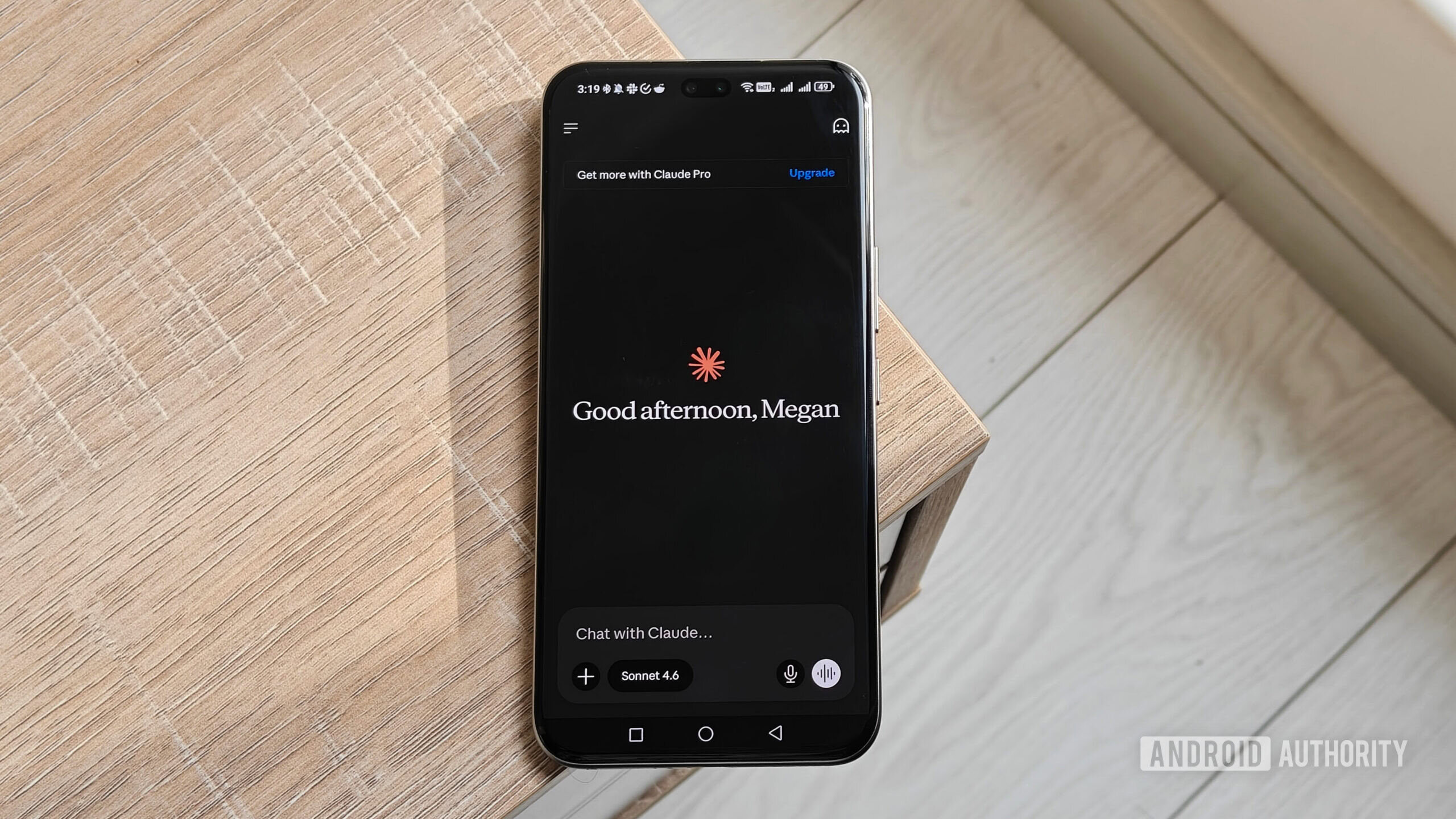
Recent testing of Claude and Gemini as recipe applications highlights a clear distinction in user experience and functionality, essential for culinary enthusiasts and busy executives alike.
Both Claude and Gemini have made waves in the AI landscape with their impressive natural language processing capabilities. However, when it comes to practical applications like recipe management, the nuances in their designs and functionalities become apparent. My recent exploration of their capabilities as recipe apps illustrated that while both tools are robust, only one truly excels in delivering a seamless culinary experience.
Starting with Claude, its user interface is designed for intuitive interaction, allowing users to input ingredients easily and receive tailored recipes in return. The suggestions are generally well-structured, and the AI seems adept at understanding varying dietary preferences, making it a suitable choice for diverse culinary needs. The extensive database it pulls from also adds to its appeal, providing a wide variety of recipes from different cuisines.
On the other hand, Gemini, while also a sophisticated AI tool, presented challenges during the recipe testing phase. Its interface appeared cluttered, and the response time for generating recipes was noticeably longer than Claude’s. Although Gemini offers a wide range of features, including meal planning and grocery list generation, the execution felt less polished. This difference in user experience can significantly impact time-sensitive decision-making, especially for executives managing busy schedules.
Moreover, the contextual awareness of Claude played a pivotal role in my testing. It was capable of suggesting recipes based on the specific ingredients I had on hand, which is particularly useful for those looking to minimize food waste or quickly whip up a meal. Conversely, Gemini seemed less responsive to ingredient-specific queries, often suggesting recipes that did not align with my available items, which added unnecessary complexity to the cooking process.
Considering the implications for business operators, the choice between Claude and Gemini highlights the importance of user-centric design in AI applications. As companies increasingly integrate AI tools into their operations, the ability to provide a streamlined, efficient experience will be crucial. This is particularly relevant in industries where time and resource management are paramount, such as food service and hospitality.
Furthermore, the advancements in AI technologies from companies like Anthropic, which developed Claude, and others like Polymarket and OpenClaw, indicate a growing trend toward specialization in software capabilities. As these tools evolve, the differentiation in user experience will likely become a key factor influencing consumer loyalty and adoption rates.
Strategically, the next 6 to 12 months will be pivotal for AI developers as they refine their offerings. Companies must focus on enhancing user interaction, reducing friction, and ensuring that their tools meet the practical needs of their users. Those that can effectively bridge the gap between complex AI capabilities and user-friendly interfaces will likely emerge as leaders in their respective markets, further driving the adoption of AI in everyday tasks.
The decision to utilize AI-driven applications in the culinary sector is increasingly becoming a strategic consideration for business leaders, particularly in environments where time and efficiency are paramount. The contrasting experiences with Claude and Gemini serve as a case study for evaluating the practical implications of AI technologies in everyday tasks. For executives, the ability to efficiently manage meal preparation and planning can translate into substantial time savings, contributing to overall productivity. Claude emerges as a strong contender not just for its user interface but also for its capacity to adapt to individual needs, underscoring the importance of personalization in technology solutions.
Furthermore, the integration of platforms like Polymarket and OpenClaw into the broader AI landscape introduces new dimensions for operational decision-making. These platforms allow users to engage with predictive markets, potentially offering insights that can influence culinary trends and consumer preferences. As businesses explore the intersection of AI and real-time data analytics, understanding how tools like Claude can enhance recipe management may provide a competitive edge. By leveraging AI to streamline operations and improve user engagement, executives can ensure their culinary strategies remain agile and responsive to market shifts.
Strategically, the advancements surrounding Claude and similar applications signal a shift toward more sophisticated tools that prioritize user experience and contextual understanding. Over the next 6-12 months, we can anticipate further refinement in AI capabilities that will not only enhance functionality but also drive adoption across various sectors. As companies increasingly embrace automation in their culinary operations, those that invest in user-friendly technologies will likely see improved customer satisfaction and operational efficiencies, positioning themselves favorably in a rapidly evolving marketplace.
Source: androidauthority.com.
Related reading: Anthropic Reaches $965 Billion Valuation Amidst Rising Demand for Claude, If Claude Code Doesn’t Fix This One Thing, I’m Switching to Codex, and Hurricanes and Canadiens Honor NHL Legend Claude Lemieux.