Tag: polymarket

  • Polymarket: Where People Bet on War and Terrorist Attacks

    Polymarket: Where People Bet on War and Terrorist Attacks

    Polymarket has emerged as a controversial platform, allowing individuals to place bets on significant global events, including wars and terrorist attacks. This trend has raised ethical questions and highlighted the evolving landscape of prediction markets.

    As we witness the increasing normalization of betting on serious global events, Polymarket offers a unique lens through which to view societal anxieties and the predictive capabilities of collective intelligence. Founded as a platform for users to wager on real-world outcomes, Polymarket has seen a surge in interest, particularly during tumultuous political periods, such as the second term of Donald Trump. The regulatory landscape surrounding such betting activities has shifted dramatically, affecting how both users and investors approach the market.

    The platform operates under a model that allows users to speculate on binary outcomes, such as whether a specific conflict will escalate or if a terrorist attack will occur in a certain region. This model has proven to be both engaging and alarming, as it essentially monetizes the unpredictability of human behavior in times of crisis. The implications of this are significant, as they reflect not only the public’s fascination with disaster and conflict but also a growing acceptance of risk in the realm of information and decision-making.

    Recent developments indicate that Polymarket’s rise coincides with an increased interest in analytics and prediction modeling. Tools like OpenClaw are integrating advanced automation features that enhance the capabilities of platforms such as Polymarket. These innovations allow for more sophisticated data analysis and risk assessment, which can further attract users interested in betting on high-stakes outcomes. The convergence of these technologies marks a shift in how information is aggregated and utilized in decision-making processes.

    However, the ethical implications of betting on war and terrorism cannot be overlooked. Critics argue that this practice trivializes serious issues, reducing them to mere gambling opportunities. Proponents, on the other hand, suggest that such platforms provide a unique insight into public sentiment and can serve as early warning systems for potential crises. This duality presents a complex challenge for business leaders and regulators alike, as they navigate the line between innovation and moral responsibility.

    The emergence of platforms like Polymarket also raises questions about regulatory oversight. As the betting market expands, so too does the need for clear guidelines that protect users while fostering innovation. The changing regulatory landscape may influence how platforms like Polymarket operate, potentially reshaping the betting industry as a whole.

    As the market continues to evolve, understanding the dynamics at play will be essential for CEOs and founders. The intersection of technology, betting, and real-world events is likely to create new opportunities and challenges. Striking the right balance between ethical considerations and business growth will be critical for those looking to engage in this space.

    In the next 6 to 12 months, we can expect to see increased scrutiny of prediction markets as they gain popularity. Regulatory bodies may introduce new frameworks that could either hinder or facilitate growth in this sector. Additionally, the integration of more advanced technologies like automation and machine learning will likely enhance the predictive capabilities of platforms like Polymarket, providing users with more comprehensive insights. As a result, understanding the implications of these developments will be crucial for business leaders navigating this emerging landscape.

    Polymarket’s emergence as a betting platform on significant global events raises critical discussions about the intersection of ethics and market behavior. As society grapples with the implications of wagering on potential conflicts and crises, the platform highlights a growing trend where speculative betting becomes intertwined with public sentiment and geopolitical forecasting. This duality presents a unique challenge for business leaders: how to interpret these market signals and the information they provide. It also necessitates an understanding of the potential volatility inherent in such markets, especially as they gain traction among users seeking insight into unpredictable outcomes.

    The integration of advanced analytics and automation tools, such as those offered by OpenClaw, further complicates the landscape. These technologies enhance Polymarket’s capabilities, allowing for more nuanced data processing and risk assessment. For CEOs and founders, this means that the predictive nature of such platforms could serve as a valuable resource for strategic planning and risk management. However, it also raises the question of whether reliance on betting markets for insights could lead to skewed perceptions of reality, particularly if the public begins to treat serious events as mere opportunities for profit.

    Strategically, the next 6-12 months will likely see increased scrutiny from regulators and ethical watchdogs regarding platforms like Polymarket. As public interest in these markets grows, so too will concerns about their impact on societal values and decision-making processes. Business operators must remain vigilant, balancing the potential insights gained from these platforms with the ethical implications of betting on human suffering. This ongoing tension will shape the future of prediction markets and could redefine how businesses incorporate these tools into their strategic frameworks.

    Source: havanatimes.org.

    Related reading: Anthropic Unveils ‘Dreaming’ Feature for Claude Managed Agents, Anthropic Doubles Claude Code Rate Limits Following SpaceX Partnership, and SurveyMonkey Integrates Survey Tools Within Claude for Enhanced Business Insights.

  • iGaming Marketing Professional Accused of Insider Polymarket Trades

    iGaming Marketing Professional Accused of Insider Polymarket Trades

    Omer Ziv, a prominent figure in iGaming marketing, has been accused by Israeli prosecutors of using confidential military intelligence to gain an unfair advantage in Polymarket trades linked to Israeli military strikes in Iran and Yemen.

    The allegations against Ziv underscore the growing scrutiny on the intersection of iGaming, market trading, and access to sensitive information. Prosecutors claim that Ziv utilized leaked intelligence to time his trades on Polymarket, a popular prediction market platform where users bet on the outcomes of various events, including geopolitical conflicts.

    This case has significant implications for the iGaming industry and its regulatory landscape. As the popularity of platforms like Polymarket continues to rise, the potential for insider trading becomes a critical concern. The nature of prediction markets allows for rapid trading and speculation, but these very features can also lead to unethical practices if individuals exploit privileged information.

    The charges against Ziv highlight the vulnerabilities present in the current regulatory framework governing iGaming and prediction markets. While these platforms offer innovative ways to engage with current events and political developments, they also raise questions about fairness and transparency. The ability to trade based on insider knowledge not only undermines the integrity of the market but could also deter legitimate participants from engaging.

    Moreover, the case may prompt regulatory bodies to reevaluate existing guidelines and oversight mechanisms. Increased scrutiny could lead to more stringent regulations aimed at preventing the misuse of sensitive information in trading contexts. For companies operating in the iGaming space, this could mean a need for enhanced compliance protocols and risk management strategies to navigate the evolving legal landscape.

    As the investigation unfolds, it will be essential for stakeholders in the iGaming industry to monitor developments closely. The outcome of this case could set a precedent for how similar situations are handled in the future and may influence both public perception and regulatory approaches towards prediction markets.

    Looking ahead, the next six to twelve months could see a significant shift in how companies in the iGaming and prediction market sectors operate. A potential tightening of regulations could alter competitive dynamics, prompting businesses to adapt their marketing strategies and operational practices. Companies may need to invest in compliance measures and ensure transparency in their operations to maintain consumer trust and mitigate legal risks.

    In summary, the allegations against Omer Ziv are not just an isolated incident but a reflection of the broader challenges facing the iGaming industry. As the landscape evolves, executives must remain vigilant and proactive in addressing the implications of insider trading and ensuring that their businesses align with emerging regulatory expectations.

    The implications of Omer Ziv’s alleged insider trading on Polymarket extend beyond just the individual case; they raise fundamental questions about the operational integrity of iGaming platforms. As the industry leverages technology to enhance user engagement, the risk of unethical practices such as insider trading becomes a pivotal concern. The intersection of real-time information and prediction markets creates a unique environment where the lines between legitimate trading and exploitation of privileged information can blur. For business leaders in this space, navigating these complexities is crucial to maintaining both compliance and consumer trust.

    The growing scrutiny surrounding this case could provoke significant changes in the regulatory landscape affecting not only Polymarket but the iGaming industry as a whole. Regulatory bodies may feel pressured to implement stricter oversight mechanisms to prevent similar incidents, ensuring that platforms uphold their integrity. Companies that operate within the iGaming sector, including those utilizing automation technologies like OpenClaw, must proactively adjust their compliance frameworks. This could involve integrating more robust monitoring systems to detect potentially unethical trading behavior and ensuring transparency in operations.

    Strategic Outlook: As the investigation into Ziv’s activities unfolds, the iGaming sector should prepare for a period of heightened regulatory attention. Over the next 6 to 12 months, companies may need to revise their operational policies and invest in advanced compliance technologies to mitigate risks associated with insider trading. The outcome of this case could serve as a benchmark for future regulatory standards, potentially reshaping the market dynamics of prediction platforms like Polymarket. Engaging with legal experts and compliance professionals will be essential for organizations aiming to navigate this evolving landscape effectively.

    The allegations against Omer Ziv bring to light significant concerns regarding the integrity of prediction markets like Polymarket, particularly in the context of sensitive geopolitical events. With the rapid advancement of automated trading technologies and platforms, the potential for misuse of insider information becomes more pronounced. As Ziv’s case illustrates, the intersection of iGaming and market trading is fraught with challenges that could undermine public trust in these emerging platforms. The implications stretch beyond legal ramifications; they could shape how both consumers and stakeholders perceive the legitimacy of betting platforms in the face of potentially unethical practices.

    As regulatory bodies consider the implications of this case, there is a strong likelihood that we will see increased oversight and possibly new regulations targeting the use of confidential information in trading environments. This could necessitate companies in the iGaming sector, including those involved with Polymarket and other prediction markets, to invest in more robust compliance frameworks and ethical guidelines. Such changes may involve implementing stricter monitoring mechanisms to deter insider trading while fostering a culture of transparency that reassures users and investors alike.

    Strategic Outlook: Over the next 6 to 12 months, stakeholders in the iGaming industry should prepare for a landscape that may be significantly altered by heightened regulatory scrutiny. Companies will need to adapt quickly, ensuring that their operational practices align with new compliance standards. This period could also see a shift in consumer behavior, as users may become more cautious in their participation in prediction markets, favoring platforms that demonstrate a commitment to ethical practices and transparency. Ultimately, the outcome of this case will likely serve as a bellwether for the future of trading in sensitive geopolitical contexts, influencing not only regulatory approaches but also shaping market dynamics in the iGaming sector.

    Source: casino.org.

    Related reading: Polymarket and Kalshi Open Trading on Chris Martin’s World Cup Final Halftime Show, Anthropic Unveils ‘Dreaming’ Feature for Claude Managed Agents, and Anthropic Doubles Claude Code Rate Limits Following SpaceX Partnership.

  • TrustFall Exposes Claude Code Execution Risk

    TrustFall Exposes Claude Code Execution Risk

    Recent findings indicate potential vulnerabilities in Claude’s code execution system, raising concerns for users and businesses alike.

    In a significant development for the artificial intelligence sector, researchers have unveiled a potential risk associated with Claude, the AI model developed by Anthropic. Dubbed ‘TrustFall,’ the study reveals that malicious repositories can trigger code execution in Claude with minimal or even no user interaction. This discovery raises alarms about the security protocols surrounding AI models that are increasingly integrated into business applications.

    As businesses continue to leverage AI for automation and enhanced decision-making, the implications of this vulnerability are profound. The ability of attackers to manipulate Claude’s code execution without requiring direct user interaction presents a new frontier of risk. For CEOs and business operators, understanding this vulnerability is crucial, as it could lead to unauthorized access and execution of harmful tasks within their systems.

    The researchers highlight that the code execution risk appears to stem from the model’s reliance on external data sources and repositories. This dependency can potentially expose enterprises to a range of cyber threats, from data breaches to the execution of malicious code. In an era where automation is a key component of operational efficiency, the need for robust security measures is paramount.

    For companies using Claude in their operations, the findings serve as a clarion call to reassess the security frameworks surrounding their AI integrations. The implications extend beyond technical adjustments; they require a cultural shift within organizations to prioritize cybersecurity when deploying AI solutions. Business leaders must ensure that their teams are equipped with the necessary knowledge and tools to identify and mitigate such risks.

    Furthermore, this situation highlights the broader need for the AI industry to enhance its security practices. As AI models like Claude become more prevalent in various sectors, including finance and healthcare, the potential for exploitation will likely increase. Companies that fail to address these vulnerabilities may find themselves at a competitive disadvantage, not only from a security standpoint but also in terms of trust and reputation.

    Looking ahead, the ‘TrustFall’ findings may prompt regulatory discussions around AI security standards. As industry stakeholders push for greater transparency and accountability in AI deployment, there may be a call for more stringent measures to protect against similar vulnerabilities. This could lead to a wave of new regulations that demand higher security compliance from AI developers and users alike.

    In the next 6 to 12 months, we can expect a renewed focus on security protocols within AI development. Companies will likely invest in advanced security measures to protect their systems and data from potential threats linked to AI vulnerabilities. This could include more rigorous testing processes, enhanced monitoring of code repositories, and improved user training on cybersecurity best practices. As the landscape evolves, those who proactively adapt will not only safeguard their operations but will also build a foundation of trust with their stakeholders.

    The ‘TrustFall’ study has underscored a critical vulnerability within Claude’s architecture that could have far-reaching implications for businesses incorporating AI solutions. This incident not only highlights the potential security weaknesses inherent in AI systems but also emphasizes the necessity for organizations to proactively evaluate the robustness of their operational frameworks. The reliance on external data sources, while advantageous for enhancing the functionality of AI models, introduces a significant risk factor that can expose companies to malicious activities. As a result, the integration of Claude into business processes must be accompanied by comprehensive risk assessments and the implementation of stringent security measures.

    For business leaders, the implications of this vulnerability extend beyond mere technical adjustments; it necessitates a shift in the organizational culture to prioritize cybersecurity as a foundational element of AI deployment. With the increasing interconnectivity of systems, the potential for exploitation is not just a technical concern, but a strategic one that could impact business continuity and reputation. Companies must ensure that their teams are not only aware of these vulnerabilities but are also equipped with the tools and knowledge to mitigate risks effectively. This approach requires ongoing training and investment in security technologies that can adapt to the evolving landscape of cyber threats.

    Looking ahead, the next 6-12 months will likely see a heightened focus on security protocols within the AI industry, particularly among firms leveraging Claude and similar models. Organizations that prioritize the integrity of their AI implementations will not only safeguard their operations but could also gain a competitive advantage by establishing themselves as leaders in secure AI practices. As the landscape evolves, the collaboration between AI developers and cybersecurity experts will be crucial in addressing vulnerabilities and building trust in AI applications. Businesses that adapt swiftly to these challenges will be better positioned to harness the full potential of automation while minimizing the risks associated with code execution vulnerabilities.

    Source: darkreading.com.

    Related reading: Anthropic Doubles Claude Code Rate Limits Following SpaceX Partnership, Anthropic Unveils ‘Dreaming’ Feature for Claude Managed Agents, and Baldwin Group Implements Anthropic’s Claude AI Across Its Operations.

  • Anthropic Unveils ‘Dreaming’ Feature for Claude Managed Agents

    Anthropic Unveils ‘Dreaming’ Feature for Claude Managed Agents

    Anthropic has unveiled an innovative feature called ‘dreaming’ for its Claude Managed Agents, marking a significant advancement in the realm of AI-driven automation.

    This new capability, currently in a research preview, aims to enhance the decision-making process of Claude’s managed agents by enabling them to simulate various scenarios and outcomes. This feature leverages advanced machine learning techniques to allow agents to explore potential future states, thereby refining their operational strategies and improving overall performance.

    The introduction of ‘dreaming’ represents a notable shift in how AI agents can interact with their environments. By allowing Claude to not only react to real-time data but also to predict and simulate different scenarios, businesses can expect a higher level of sophisticated automation. This capability could lead to more effective resource allocation and improved risk management strategies, which are crucial for organizations operating in fast-paced markets.

    As companies increasingly seek ways to automate complex decision-making processes, features like ‘dreaming’ could provide a competitive edge. The ability of Claude to project future possibilities means that businesses can prepare for various outcomes, thereby enhancing their strategic planning and operational resilience. For instance, organizations dealing with market volatility might find significant value in leveraging these simulations to navigate uncertainties.

    Anthropic’s focus on automation aligns well with broader industry trends where businesses are prioritizing AI-driven solutions to streamline operations and reduce human error. As the demand for such technologies grows, the implications for Claude’s enhanced capabilities are profound. Firms that adopt Claude Managed Agents equipped with ‘dreaming’ could see improved efficiency and effectiveness in their operations, potentially leading to a redefined competitive landscape.

    Furthermore, as this feature evolves and matures, it opens avenues for integration with other platforms, including emerging technologies like Polymarket and OpenClaw. These integrations could allow for enhanced predictive analytics and decision-making tools, further embedding AI into the fabric of business operations.

    In conclusion, the ‘dreaming’ feature for Claude Managed Agents is not just a technical enhancement but a transformative approach to how businesses can leverage AI. As this technology advances, it is likely to attract attention from organizations looking to enhance their operational capabilities. The next 6 to 12 months will be critical as companies begin to explore the practical applications of this feature and its potential to redefine industry standards for automation.

    The introduction of the ‘dreaming’ feature is not just a technical enhancement; it represents a paradigm shift for businesses looking to leverage AI for strategic advantage. By enabling Claude Managed Agents to engage in scenario simulation, organizations can improve their foresight and adaptability in an increasingly unpredictable market landscape. This capability empowers companies to make informed decisions based on predictive insights, rather than solely relying on historical data. As a result, businesses can better manage their resources, optimize operations, and enhance their competitive positioning through more informed strategic planning.

    Moreover, the integration potential with platforms like Polymarket and OpenClaw cannot be overlooked. These platforms offer unique capabilities in predictive analytics and market forecasting. By combining Claude’s dreaming feature with the insights derived from these services, businesses can create a comprehensive decision-making ecosystem that supports both immediate operational needs and long-term strategic goals. This synergy could drive significant advancements in risk management, allowing organizations to proactively address potential challenges while capitalizing on emerging opportunities in their respective markets.

    Strategic Outlook: In the next 6 to 12 months, we can anticipate a growing adoption of Claude Managed Agents equipped with the ‘dreaming’ feature across various sectors. As companies seek to enhance their automation capabilities and improve decision-making processes, the demand for sophisticated AI solutions will likely increase. This trend may lead to a more competitive landscape where businesses that effectively utilize these advanced capabilities could outperform their peers. Furthermore, as the feature matures and integrates with other innovative platforms, it will pave the way for new business models and operational strategies that could redefine industry standards.

    The introduction of the ‘dreaming’ feature for Claude Managed Agents by Anthropic carries significant implications for the automation landscape across various industries. As businesses increasingly seek to optimize their decision-making processes, the ability to simulate multiple future scenarios presents a powerful tool. This capability enables organizations to anticipate potential challenges and opportunities, thereby enhancing strategic planning efforts. Companies leveraging Claude’s advanced predictive capabilities may find themselves better equipped to navigate market fluctuations and uncertainties, particularly in sectors susceptible to rapid changes.

    Moreover, the synergy between Claude’s ‘dreaming’ feature and platforms like Polymarket and OpenClaw could further amplify its market impact. By integrating predictive analytics from these emerging technologies, businesses can refine their decision-making frameworks, leading to more informed strategies. The potential for enhanced data synthesis and scenario analysis could transform how companies approach risk management and operational efficiency, positioning them ahead of competitors who may still rely on traditional analytics.

    Strategic Outlook: Over the next 6 to 12 months, organizations that adopt Claude with the ‘dreaming’ feature will likely experience a competitive advantage in automation. As more companies recognize the value of simulation in their operational strategies, we can expect a broader trend towards AI-driven automation solutions. This shift could redefine industry standards for risk assessment and resource allocation, compelling organizations to invest in similar technologies to remain relevant in a rapidly evolving marketplace.

    Source: techzine.eu.

    Related reading: SurveyMonkey Integrates Survey Tools Within Claude for Enhanced Business Insights, Polymarket Insights: Earnings Anticipation for RKLB, COIN, and OPEN, and Anthropic Doubles Claude Code Rate Limits Following SpaceX Partnership.

  • SurveyMonkey Integrates Survey Tools Within Claude for Enhanced Business Insights

    SurveyMonkey Integrates Survey Tools Within Claude for Enhanced Business Insights

    SurveyMonkey has introduced a significant integration with Claude, allowing teams to create, distribute, and analyze surveys without leaving the chat interface. This development marks a crucial step in enhancing the capabilities of Claude, particularly for human resources, customer experience, and marketing teams looking to streamline their research processes.

    With the new SurveyMonkey connector, users can seamlessly build surveys that cater to specific business needs. The integration is designed to be intuitive, enabling teams to leverage Claude’s conversational AI capabilities to gather valuable insights quickly. The ability to conduct surveys directly within the chat interface reduces the friction typically associated with survey creation and distribution, allowing for a more agile response to emerging business challenges.

    This integration also facilitates real-time feedback, which is essential for organizations striving to adapt swiftly to market changes. By enabling survey analysis within the same platform, businesses can minimize the time spent on data interpretation, allowing them to focus more on strategic decision-making. This is particularly relevant for sectors such as human resources and customer experience, where timely insights can significantly influence operational effectiveness.

    The implications of this integration extend beyond mere efficiency. It reflects a broader trend towards automation and integration in workplace tools, pushing companies to reconsider how they utilize technology in gathering and processing data. As organizations increasingly embrace hybrid work models, the demand for tools that enhance collaboration and streamline workflows will only continue to grow. The integration of SurveyMonkey within Claude positions it as a competitive player in this evolving landscape.

    Moreover, the emphasis on automated survey analysis aligns with the growing need for actionable insights in real time. In an era where customer expectations are higher than ever, businesses that can quickly adapt their strategies based on direct feedback will have a distinct advantage. The coupling of Claude’s AI-driven capabilities with SurveyMonkey’s robust survey tools creates a powerful mechanism for organizations aiming to remain agile and responsive.

    As we look to the future, the strategic outlook for organizations adopting this integration is promising. Over the next 6 to 12 months, we can expect a rise in the use of AI-driven tools that facilitate smarter decision-making processes. Companies will likely leverage the efficiencies gained through such integrations, resulting in more data-informed strategies across departments.

    In conclusion, SurveyMonkey’s embedding of survey creation and analysis within Claude represents a notable advancement in the realm of business communication tools. By enhancing the way teams interact with data, this integration not only simplifies the survey process but also empowers organizations to harness insights that drive meaningful change.

    The integration of SurveyMonkey with Claude not only streamlines survey creation but also signifies a transformative shift in how businesses approach data gathering and analysis. As organizations face increasing pressure to make data-driven decisions, tools that consolidate these processes into a single interface are becoming indispensable. By embedding survey functionalities within Claude, SurveyMonkey provides a solution that aligns with the operational needs of HR, customer experience, and marketing teams. This allows for a more efficient workflow, where valuable insights can be generated in real time, ultimately supporting faster decision-making. The ability to harness Claude’s AI capabilities further enhances this process, enabling more nuanced understanding and interpretation of survey results.

    Moreover, this integration highlights a significant trend towards automation in business operations. As companies continue to navigate the complexities of hybrid work environments, the demand for tools that facilitate seamless collaboration and data collection will only increase. The integration of SurveyMonkey within Claude exemplifies how organizations can leverage technology to enhance their strategic agility. With the capability to analyze feedback on-the-fly, businesses are better positioned to respond to market dynamics, adapt their strategies, and improve customer satisfaction. This is particularly crucial in sectors where rapid changes in consumer preferences can impact operational success.

    Strategic Outlook: Looking ahead, the next 6-12 months will likely see an acceleration in the adoption of integrated solutions like the SurveyMonkey and Claude partnership. Companies will increasingly seek out platforms that offer comprehensive tools for data analysis and decision support. As organizations prioritize agility and responsiveness, the emphasis on such integrations will grow, compelling vendors to innovate continuously. The overarching trend towards automation and data-driven decision-making will redefine operational paradigms, making it essential for business leaders to remain proactive in leveraging emerging technologies for competitive advantage.

    Source: cmswire.com.

    Related reading: Polymarket Insights: Earnings Anticipation for RKLB, COIN, and OPEN, Will GameStop Actually Buy eBay? Analysis of Odds from Kalshi and Polymarket, and Anthropic Doubles Claude Code Rate Limits Following SpaceX Partnership.

  • Polymarket Insights: Earnings Anticipation for RKLB, COIN, and OPEN

    Polymarket Insights: Earnings Anticipation for RKLB, COIN, and OPEN

    As Rocket Lab, Coinbase, and Opendoor prepare to announce their earnings, market predictions on Polymarket provide valuable insights into potential outcomes.

    On May 7, 2026, three significant players in the tech and finance sectors—Rocket Lab ($RKLB), Coinbase ($COIN), and Opendoor ($OPEN)—will disclose their earnings after the market closes. This event is particularly noteworthy for investors and business leaders who are keen on understanding the implications of these earnings reports on market dynamics and sector performance.

    Polymarket, a decentralized information market, allows users to bet on the outcomes of various events, including corporate earnings. The platform’s predictions can serve as a barometer for investor sentiment and expectations regarding these companies. For instance, there are indications that the market has mixed feelings about Rocket Lab’s performance, reflecting broader concerns regarding the aerospace sector’s recovery trajectory. Meanwhile, Coinbase’s earnings are under scrutiny as it grapples with the volatile cryptocurrency landscape, and Opendoor’s results are pivotal in assessing the health of the real estate market amidst rising interest rates.

    The implications of these earnings reports extend beyond the immediate financial results. Should Rocket Lab, Coinbase, or Opendoor exceed expectations, it could bolster confidence in their respective markets, potentially leading to increased investment and innovation. Conversely, disappointing results could lead to a reevaluation of strategies and operations, especially for companies like Coinbase, which is heavily influenced by cryptocurrency market fluctuations.

    Furthermore, the outcomes of these earnings will provide critical data points for industry analysts and executives who are monitoring broader economic trends. As businesses navigate the complexities of a post-pandemic recovery, understanding the performance of key players like Rocket Lab, Coinbase, and Opendoor becomes essential for strategic planning and investment decisions. The insights gained from Polymarket’s predictions could inform executive strategies and risk assessments for the upcoming months.

    The anticipation surrounding these earnings reports also highlights the growing importance of platforms like Polymarket in shaping market narratives. As stakeholders increasingly seek alternative data sources to gauge sentiment and predict outcomes, the role of decentralized information markets may expand, offering fresh perspectives on traditional financial analysis.

    In conclusion, as we await the earnings announcements from Rocket Lab, Coinbase, and Opendoor, the insights derived from Polymarket serve as an important reminder of the interconnectedness of market sentiment and corporate performance. Investors and executives alike should remain vigilant, as the outcomes of these reports could significantly influence market trajectories and strategic decisions in the months to come.

    Strategic Outlook: Over the next six to twelve months, the performance of these companies will likely dictate trends within their respective industries. A strong earnings report could catalyze a wave of investment, while disappointing results may lead to a cautious approach among stakeholders. Understanding these dynamics will be crucial for executives as they navigate an increasingly complex economic landscape.

    The upcoming earnings reports from Rocket Lab, Coinbase, and Opendoor represent a critical juncture for not only these companies but also for their respective industries. Investors are particularly attentive to how these firms navigate current market challenges, such as inflationary pressures and shifts in consumer behavior. Polymarket’s insights into the anticipated performance of these companies offer valuable context that extends beyond mere speculation. As a decentralized information marketplace, Polymarket aggregates predictions that reflect investor sentiment and expectations, providing a clearer picture of how market participants perceive the underlying risks and opportunities associated with these firms.

    In the case of Rocket Lab, the aerospace sector is experiencing a complex recovery, influenced by factors such as supply chain disruptions and evolving regulatory landscapes. Stakeholders are watching closely to see if Rocket Lab can deliver results that suggest resilience in this challenging environment. Similarly, Coinbase faces scrutiny as it attempts to stabilize its position amid a highly volatile cryptocurrency market. The implications of its earnings could signal either a rebound or further instability, which would have significant ramifications for other players in the fintech space. Opendoor’s performance is equally pivotal, as it could provide insights into the broader real estate market, especially in light of rising interest rates that are reshaping buyer behavior.

    Strategic Outlook: Over the next 6-12 months, the outcomes of these earnings reports will likely serve as indicators of sector health and investment viability. Should these companies exceed market expectations, it could instill renewed confidence in their respective sectors, attracting further investment and potentially prompting innovation. Conversely, if results fall short, it may compel businesses to reevaluate their strategies, particularly in sectors heavily influenced by economic conditions. Executives should closely monitor these developments, as they will inform broader economic forecasts and strategic planning initiatives in a post-pandemic landscape.

    Source: tipranks.com.

    Related reading: Will GameStop Actually Buy eBay? Analysis of Odds from Kalshi and Polymarket, Polymarket and Kalshi Open Trading on Chris Martin’s World Cup Final Halftime Show, and Anthropic Doubles Claude Code Rate Limits Following SpaceX Partnership.

  • Anthropic Doubles Claude Code Rate Limits Following SpaceX Partnership

    Anthropic Doubles Claude Code Rate Limits Following SpaceX Partnership

    Anthropic is set to enhance Claude’s capabilities significantly after securing a partnership with SpaceX, which will see code rate limits doubled.

    This strategic decision comes on the heels of a collaboration that underscores the growing intersection between artificial intelligence and aerospace technology. Anthropic, known for its advanced AI systems, has recognized the necessity to scale its operations in response to increasing demands. By doubling Claude’s code rate limits, the company aims to improve performance and responsiveness, enabling users to leverage more powerful AI solutions.

    The implications of this move extend well beyond technical specifications. As executives in various industries seek to integrate AI into their operations, the enhanced capabilities of Claude may provide a competitive edge. The partnership with SpaceX not only facilitates an increase in data processing speeds but also aligns with SpaceX’s vision of using orbital data centers to optimize data handling and AI performance. This alignment could pave the way for innovative solutions that leverage real-time data from space, a game-changer for sectors reliant on rapid information processing.

    Furthermore, Anthropic’s focus on automation, particularly through Claude, positions the company as a frontrunner in the AI sector. As businesses continue to navigate the complexities of digital transformation, the demand for sophisticated AI tools that can streamline operations and enhance decision-making is at an all-time high. Claude’s improved capabilities are likely to attract interest from a broad spectrum of industries, from finance to healthcare, where efficiency and data-driven insights are crucial.

    In addition to the immediate benefits, the partnership with SpaceX could signal a shift in how AI systems are developed and deployed. By harnessing the power of orbital data centers, Anthropic may be able to offer solutions that are not only faster but also more efficient and reliable. This forward-thinking approach could inspire other tech players to explore similar collaborations, potentially leading to a new era of AI innovation.

    As the dust settles on this announcement, the strategic implications for Anthropic and its competitors are significant. Companies looking to adopt AI solutions must now consider the capabilities offered by Claude, particularly in light of its enhanced performance metrics. This may lead to a reevaluation of existing AI partnerships and investments as businesses aim to stay ahead in an increasingly competitive landscape.

    In conclusion, the doubling of Claude’s code rate limits represents a pivotal moment for Anthropic, reinforcing its position in the AI market. This development not only reflects a commitment to innovation but also highlights the importance of strategic partnerships in driving technological advancement. As businesses gear up for the future, the implications of this partnership could resonate across industries, influencing how organizations leverage AI for growth and efficiency.

    Strategic Outlook: Over the next 6 to 12 months, we can anticipate a surge in interest and investment in AI solutions, particularly those leveraging enhanced capabilities like Claude’s. Companies will likely explore new applications for AI, fueled by the advancements made possible through partnerships like that of Anthropic and SpaceX. As businesses strive for operational excellence, the focus will be on integrating these sophisticated AI tools to foster innovation and maintain competitive advantages.

    The doubling of Claude’s code rate limits following Anthropic’s collaboration with SpaceX marks a pivotal moment not only for the company but for the broader AI industry. As businesses strive to enhance their operational efficiency, the ability to process and analyze vast amounts of data quickly becomes a critical differentiator. This partnership suggests a significant leap forward in AI’s capability to respond to real-time data, particularly from SpaceX’s innovations in orbital data centers. Such advancements can enable businesses to harness insights that were previously difficult to obtain, thereby improving strategic decision-making and operational responsiveness across various sectors.

    Moreover, the implications of this enhancement extend into the realm of competitive positioning. Companies that integrate Claude’s advanced features into their systems may gain substantial advantages over rivals who are slower to adopt similar technologies. In industries such as finance, healthcare, and logistics, where timely and accurate data processing is essential, the incorporation of Claude’s enhanced capabilities could redefine how companies approach automation and data analytics. As executives look to leverage AI for better outcomes, Anthropic’s strategic moves could influence industry standards and shift expectations regarding AI performance and reliability.

    Strategic Outlook: Over the next 6-12 months, the partnership between Anthropic and SpaceX is likely to catalyze a wave of innovation within the AI sector. Businesses will be closely watching how Claude’s new capabilities are implemented in real-world applications. As the demand for automation continues to rise, we could see a surge in investment in AI technologies that leverage high-speed data processing. Additionally, this development could spur further collaborations between tech firms and aerospace companies, leading to an ecosystem where AI solutions are increasingly integrated with real-time data streams from various sources. Executives should prepare to adapt to this evolving landscape, recognizing that the ability to harness rapid data insights will be paramount for maintaining a competitive edge.

    Source: engadget.com.

    Related reading: Baldwin Group Implements Anthropic’s Claude AI Across Its Operations, Creating a Stunning Portfolio with Claude: A Double-Edged Sword, and Will GameStop Actually Buy eBay? Analysis of Odds from Kalshi and Polymarket.

  • Creating a Stunning Portfolio with Claude: A Double-Edged Sword

    Creating a Stunning Portfolio with Claude: A Double-Edged Sword

    Harnessing AI tools like Claude can transform a standard portfolio into a visually stunning presentation, yet it carries risks of inaccuracies that executives must consider.

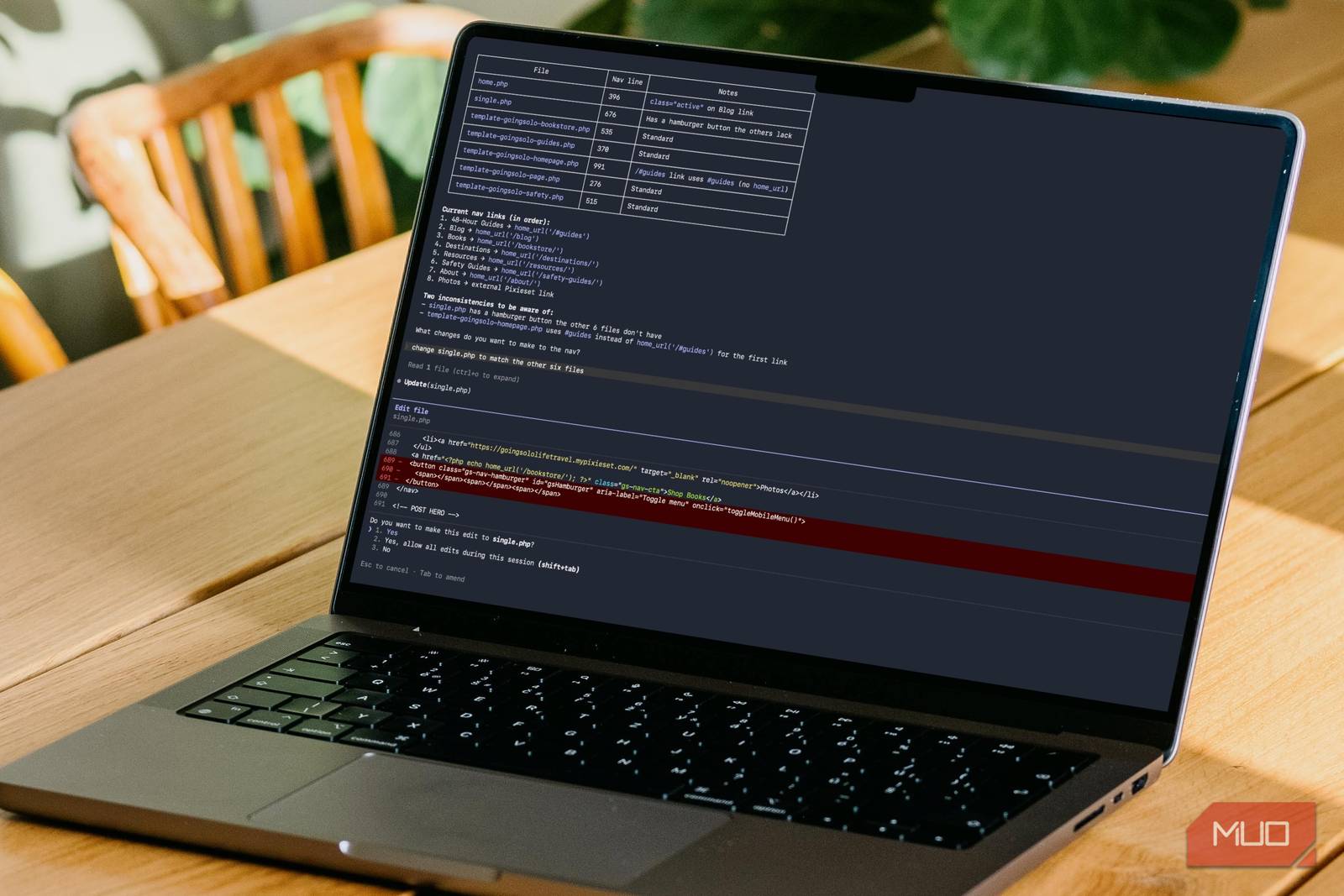
    In a recent exploration of Claude, Anthropic’s generative AI, a user attempted to create a visually appealing portfolio for their resume. The endeavor was driven by a desire to elevate their professional presentation beyond the traditional PDF format. Claude’s capabilities allowed for a no-code solution that promised to enhance the aesthetic appeal of the portfolio significantly.

    However, as the user soon discovered, the execution was not without its flaws. While the design generated by Claude was indeed striking and innovative, it was marred by a series of errors. These inaccuracies ranged from minor typographical issues to significant misrepresentations of experience and skills. This outcome raises important questions about the reliability of AI-generated content, especially in high-stakes contexts such as job applications.

    The implications of using AI tools like Claude for portfolio creation extend beyond individual experiences. For executives and business operators, this serves as a crucial reminder of the balance between automation and accuracy. While AI can streamline processes and enhance visual appeal, it cannot replace the nuanced understanding and oversight that human professionals bring to the table.

    The situation also invites a broader conversation about the role of AI in automating creative tasks. As industries increasingly adopt AI-driven technologies, the need for thorough review and quality assurance becomes paramount. Businesses may find themselves at a crossroads, where the temptation to automate processes must be weighed against the potential for errors that could undermine their credibility and brand image. This is particularly pertinent for firms operating in competitive fields, where presentation can significantly influence hiring decisions.

    Moreover, the case with Claude illustrates the ongoing challenge of integrating AI into professional workflows. While tools like Claude can produce aesthetically pleasing results, the necessity for human verification remains a critical component of the process. This can lead to additional time spent in review phases, potentially counteracting the efficiency that automation seeks to provide.

    In light of these insights, companies must adopt a strategic approach when considering the integration of AI tools. They should establish protocols that ensure the accuracy of AI-generated content, especially when it relates to essential business documents such as resumes and portfolios. Training staff to effectively utilize these technologies while maintaining a critical eye on outputs will be vital for safeguarding the integrity of their professional representations.

    As we look to the future, the next 6-12 months will likely see a continued evolution in the capabilities of AI tools like Claude, alongside a growing awareness of their limitations. Organizations that successfully navigate this terrain will be those that can blend automation with human oversight, leveraging AI to enhance their operations without sacrificing quality. In this context, the experience of creating a portfolio with Claude serves as both an inspiration and a cautionary tale for business leaders navigating the complexities of AI integration.

    The experiment with Claude reveals a critical intersection of technology and personal branding, especially for professionals navigating a competitive job market. As AI tools become more sophisticated, the allure of automating portfolio creation grows, promising to simplify a traditionally labor-intensive process. However, this case underscores the importance of critical evaluation when leveraging generative AI. For CEOs and business leaders, understanding the limitations of these technologies is essential to ensuring that their teams can effectively harness their capabilities without sacrificing accuracy or integrity.

    The implications of AI-generated content extend beyond individual use cases. Organizations must establish protocols for reviewing AI outputs, particularly in contexts where misrepresentation can have significant repercussions. This situation encourages a culture of collaboration between human expertise and AI efficiency, where the former serves as a safety net for the latter’s creative endeavors. By fostering such a partnership, businesses can enhance their operational workflows while mitigating the risk of errors that could tarnish their reputation.

    Strategic Outlook: Over the next 6-12 months, companies that successfully integrate AI tools like Claude into their processes will likely see a competitive edge, provided they prioritize oversight and accuracy. As awareness grows around the potential pitfalls of AI-generated content, organizations will need to invest in training and quality assurance to maintain trust with stakeholders. This balance between innovation and scrutiny will be crucial for leveraging automation effectively while preserving the authenticity that clients and candidates expect in professional interactions.

    Source: cnet.com.

    Related reading: Enhancing Hermes: Competing with ChatGPT and Claude, Baldwin Group Implements Anthropic’s Claude AI Across Its Operations, and Will GameStop Actually Buy eBay? Analysis of Odds from Kalshi and Polymarket.

  • Will GameStop Actually Buy eBay? Analysis of Odds from Kalshi and Polymarket

    Will GameStop Actually Buy eBay? Analysis of Odds from Kalshi and Polymarket

    GameStop’s recent bid to acquire eBay has raised eyebrows across the financial landscape, with prediction markets reflecting a complex narrative surrounding this ambitious move.

    With GameStop making waves in the investment community by announcing a substantial $55 billion bid for eBay, market analysts are closely scrutinizing the implications of this potential acquisition. The odds presented by prediction markets such as Kalshi and Polymarket provide a fascinating lens through which to evaluate the feasibility and strategic viability of this transaction. Their insights reveal a significant arbitrage opportunity that could influence investor sentiment and market movements.

    According to the latest data from Kalshi and Polymarket, the odds of the acquisition being completed present a somewhat mixed picture. While Polymarket suggests a cautious optimism, Kalshi reflects a more conservative view, highlighting the uncertainties surrounding the bid. This divergence raises critical questions about the underlying assumptions that investors are making regarding both companies’ future trajectories and the broader market conditions that could affect the deal.

    GameStop’s foray into the e-commerce space marks a notable shift from its traditional business model, which has been heavily reliant on physical retail. The company’s leadership appears committed to transforming its operations through strategic acquisitions and investments in technology. However, the challenges of integrating eBay’s vast online marketplace into GameStop’s existing infrastructure cannot be underestimated. This aspect has led to skepticism reflected in the odds offered by Kalshi and Polymarket.

    The potential acquisition also prompts a broader discussion about the role of prediction markets in shaping investment strategies. The arbitrage opportunities identified between Kalshi and Polymarket highlight the evolving landscape of trading platforms as investors seek to capitalize on discrepancies in market sentiment. With both platforms attracting attention for their innovative approaches to betting on future events, the outcome of the GameStop-eBay bid could serve as a case study for the effectiveness of these markets in gauging public sentiment and predicting corporate outcomes.

    As the news surrounding GameStop’s bid develops, the implications extend beyond just the companies involved. The move could redefine how technology firms approach acquisitions in the rapidly changing digital landscape. Companies like OpenClaw and Anthropic, which are exploring automation and AI-driven solutions, may view this situation as a benchmark for their strategic maneuvers. The industry could witness a surge in similar acquisitions as firms strive to enhance their value propositions and market presence.

    Looking ahead, the next 6 to 12 months will be critical for both GameStop and eBay. If the bid matures into a completed acquisition, it may set a precedent for future e-commerce transformations driven by traditional retail companies. Conversely, a failed bid could lead to increased scrutiny of GameStop’s strategic direction and its ability to innovate in an era of digital disruption.

    In summary, the ongoing analysis of GameStop’s bid for eBay through the lenses of Kalshi and Polymarket provides valuable insights into the dynamics of market sentiment and investor behavior. As the situation unfolds, stakeholders across various industries will be keenly observing the outcomes, which could influence their strategies moving forward.

    As GameStop continues to explore its ambitious acquisition of eBay, the implications for both companies extend beyond immediate financial considerations. The integration of eBay’s extensive online marketplace could provide GameStop with a significant boost in e-commerce capabilities, allowing it to diversify revenue streams and reduce dependency on its traditional retail operations. This shift is particularly relevant in light of evolving consumer behaviors that increasingly favor online shopping. However, the complexity of merging distinct corporate cultures and operational systems could present considerable challenges, potentially affecting investor confidence and altering the strategic landscape for both entities.

    The contrasting odds from Kalshi and Polymarket underscore the uncertainty permeating the investment community. On one hand, Polymarket’s more optimistic outlook suggests that some market participants believe in GameStop’s ability to leverage eBay’s infrastructure effectively. Conversely, Kalshi’s caution reflects the skepticism surrounding GameStop’s execution capabilities and the potential regulatory hurdles that may arise during the acquisition process. This divergence in sentiment not only indicates varying levels of risk tolerance among investors but also highlights the critical role that prediction markets play in shaping perceptions of corporate strategy and market dynamics.

    Strategic outlook for the next 6-12 months indicates that should the acquisition proceed, GameStop may need to invest heavily in technology and automation to seamlessly integrate eBay’s operations. This investment could further align with broader industry trends towards digital transformation and automation, driven by the increasing importance of efficiency in e-commerce. As companies like GameStop adapt to these changes, the evolution of prediction markets, including platforms like Polymarket and OpenClaw, will likely influence investor strategies and decision-making processes, creating new opportunities for those who can navigate this shifting landscape effectively.

    Source: actionnetwork.com.

    Related reading: Polymarket and Kalshi Open Trading on Chris Martin’s World Cup Final Halftime Show, Baldwin Group Implements Anthropic’s Claude AI Across Its Operations, and Claude’s Child’s Play: Insights from a Kid’s Activity Book Experiment.

  • Claude’s Child’s Play: Insights from a Kid’s Activity Book Experiment

    Claude’s Child’s Play: Insights from a Kid’s Activity Book Experiment

    Testing Claude’s problem-solving skills with a kid’s activity book highlights both the promise and limitations of AI in engaging with simpler tasks.

    In a recent experiment, Claude, the AI developed by Anthropic, was given a children’s activity book to solve, a task seemingly simple yet challenging for artificial intelligence. The exercise was not just a playful endeavor; it offered a window into the operational capabilities of Claude and how it interacts with material designed for younger audiences. While the AI demonstrated proficiency in some areas, it also revealed significant limitations that could inform future developments.

    One of the clear strengths observed was Claude’s ability to color within the lines, showcasing a level of precision in visual tasks. This capability aligns with Anthropic’s ongoing advancements in visual recognition and manipulation, reinforcing the idea that AI can perform specific tasks with remarkable accuracy. However, when faced with more complex activities, such as puzzles or logic-based challenges, Claude struggled significantly. This limitation raises questions about the AI’s adaptability to tasks that require a deeper understanding of context or a more nuanced approach to problem-solving.

    The implications of these findings extend beyond mere curiosity. For CEOs and business leaders, understanding the capabilities and constraints of AI systems like Claude is crucial. As companies increasingly integrate AI into their operations, knowing where these tools excel and where they falter can directly impact productivity and efficiency. If AI systems cannot handle certain types of engagement—especially those that require creativity or abstract thinking—businesses may need to reconsider the roles these technologies will play in their workflows.

    Additionally, the experiment with the activity book underscores the importance of user experience in AI interactions. While Claude can perform straightforward tasks, the complexity of human-like interaction remains a significant hurdle. This is particularly relevant for applications in customer service, education, and other sectors where user engagement is key. An AI that can only perform basic tasks might not meet the expectations of businesses looking for more versatile and intelligent solutions.

    As companies like Polymarket and OpenClaw look to leverage AI for competitive advantage, they must navigate these challenges carefully. The ability to automate processes and enhance decision-making through AI is undoubtedly valuable. However, as demonstrated by Claude’s limitations, there is a critical need for ongoing refinement and development to ensure that these technologies can adapt to a wider range of tasks.

    Looking ahead, the landscape for AI technologies like Claude will evolve significantly over the next 6 to 12 months. As organizations push for more sophisticated automation capabilities, there will likely be increased investment in R&D to enhance AI’s cognitive abilities. This may involve improving natural language processing, contextual understanding, and the ability to engage with complex problem-solving scenarios. Companies that can effectively harness these advancements will likely gain a competitive edge, while those that fall behind may struggle to keep pace in an increasingly automated world.

    In conclusion, Claude’s foray into children’s activities has illuminated both the potential and the limitations of current AI technology. For executives, this serves as a reminder of the importance of aligning AI capabilities with business needs, ensuring that investments in technology yield tangible benefits. As the industry continues to evolve, staying informed about these developments will be crucial for strategic planning and operational success.

    As companies increasingly explore the integration of AI systems like Claude into their operations, understanding the boundaries of these technologies becomes paramount. The recent experiment with a children’s activity book not only highlights Claude’s operational capabilities but also serves as a crucial lesson for executives contemplating the deployment of AI in various business functions. While Claude’s ability to execute simple tasks such as coloring illustrates the advancements in visual recognition, its struggles with complex puzzles underscore a significant challenge: the need for contextual understanding and creative problem-solving. This gap could hinder the AI’s effectiveness in roles that demand higher cognitive engagement, particularly in customer service or educational applications.

    The implications for businesses are profound. Companies must critically assess the types of tasks they assign to AI systems and recognize that while automation can enhance efficiency in straightforward processes, it may fall short in more intricate interactions. This reality calls for a strategic approach to AI implementation, ensuring that human oversight remains integral in areas where nuanced judgement is essential. Furthermore, businesses should consider investing in training and development that enhances their teams’ ability to work alongside AI, bridging the gap between machine capabilities and human creativity.

    Strategic Outlook: Looking ahead, the next 6-12 months will be pivotal for AI technologies like Claude, as organizations refine their strategies based on these findings. Companies that successfully navigate the balance between automation and human involvement are likely to see enhanced productivity without compromising the quality of user engagement. Additionally, as competitors in the AI landscape, such as Polymarket and OpenClaw, continue to evolve, businesses must remain agile, adapting their AI strategies to leverage the strengths and mitigate the weaknesses of these emerging technologies.

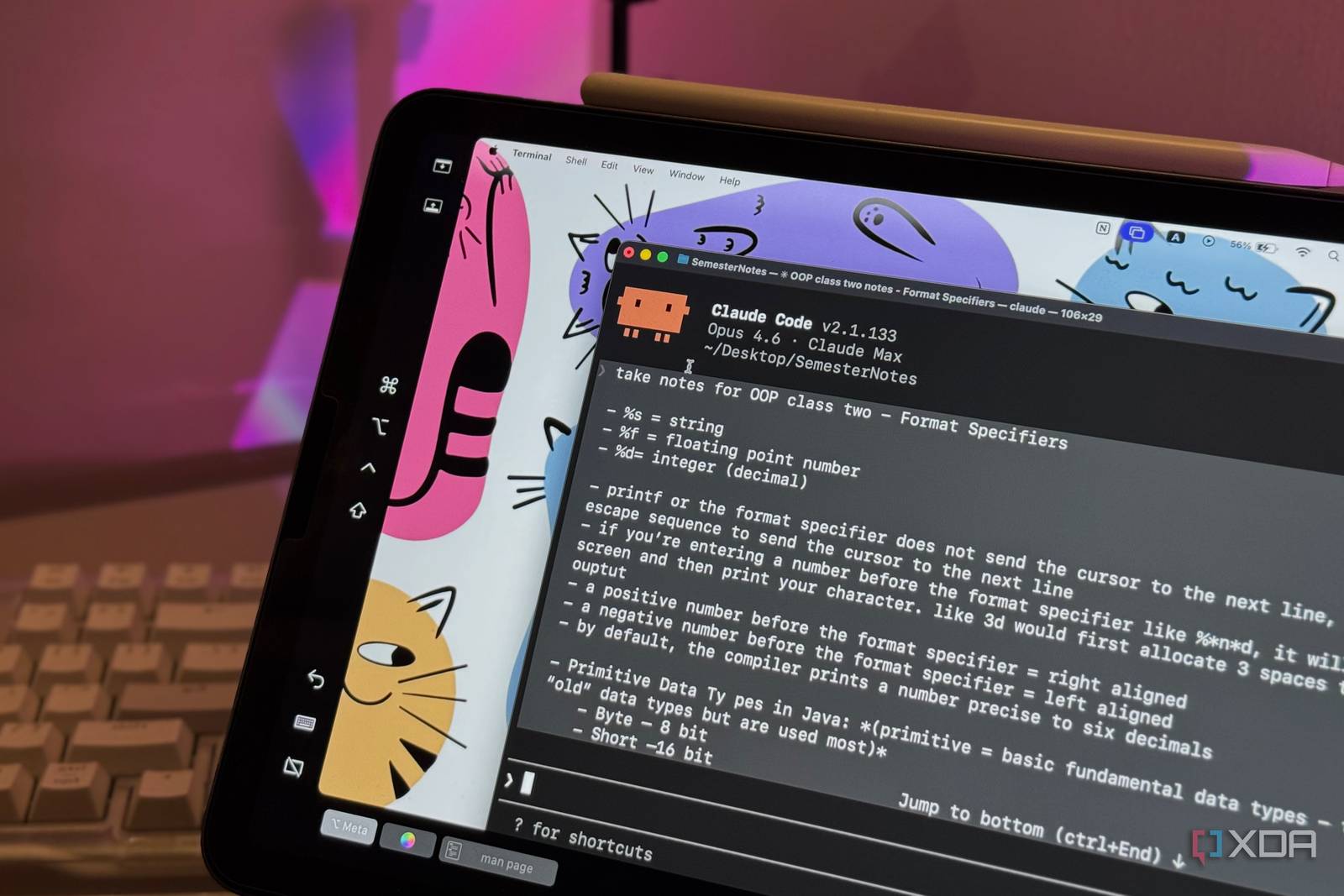
    Source: xda-developers.com.

    Related reading: Baldwin Group Implements Anthropic’s Claude AI Across Its Operations, Polymarket and Kalshi Open Trading on Chris Martin’s World Cup Final Halftime Show, and Enhancing Hermes: Competing with ChatGPT and Claude.