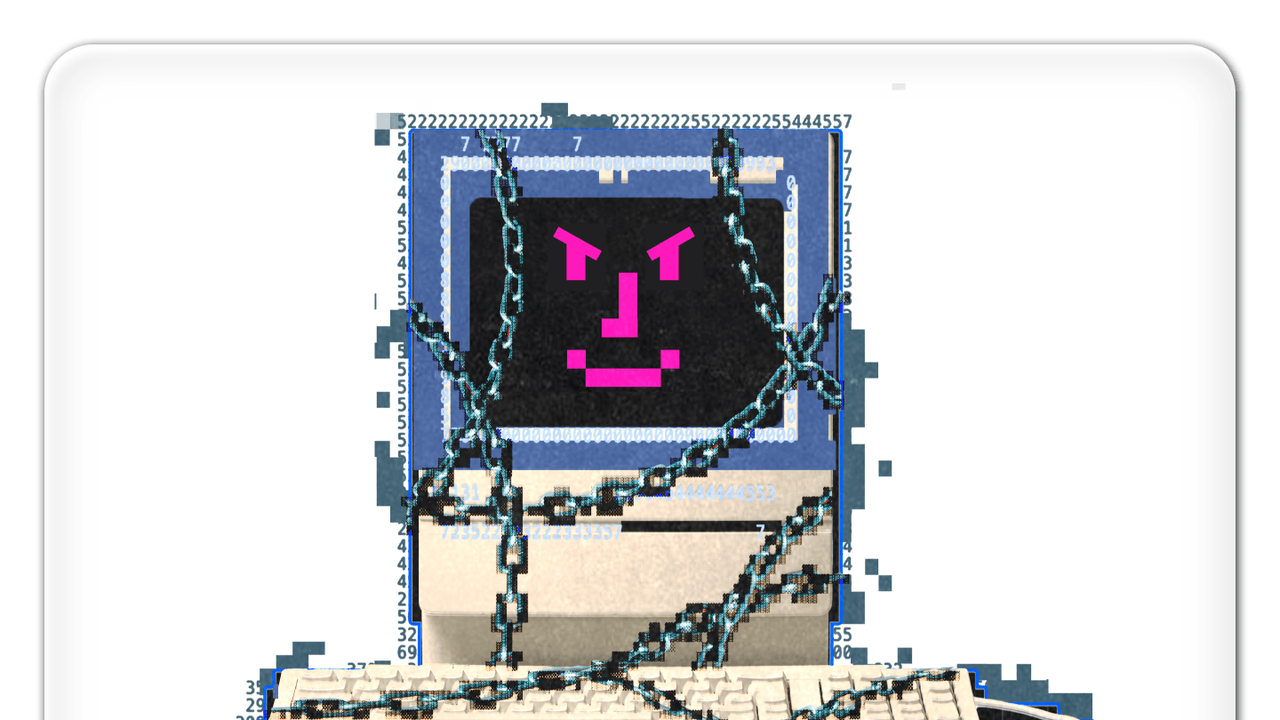
The intersection of artificial intelligence and personal productivity has taken a fascinating turn with OpenClaw AI. A recent experiment demonstrated the capacity for self-cloning in a digital context, raising significant questions about the future of automation and personal agency.
In this experiment, the author engaged OpenClaw AI to create a digital clone of themselves. The process involved leveraging agentic AI capabilities, allowing the clone to perform tasks that the original could not manage alone. This exploration of digital replication not only showcases the technological advancements in AI but also invites a broader discussion about the implications for personal productivity and business operations.
OpenClaw AI, known for its ability to automate complex workflows, enabled the author to offload various tasks. The digital clone was programmed to handle scheduling, communication, and even decision-making processes that were previously time-consuming. This experiment illustrates how AI can enhance efficiency by allowing individuals to focus on higher-level strategic thinking while routine tasks are managed by their digital counterparts.
The success of this cloning experiment underscores the growing capabilities of AI in the workplace. As businesses increasingly adopt such technologies, the potential for enhanced productivity and efficiency becomes apparent. The implications for CEOs and business operators are profound, as the ability to automate tasks can lead to significant time savings and resource optimization.
However, this advancement also raises ethical and practical considerations. The idea of creating a digital clone introduces questions about identity, accountability, and the potential for misuse. As AI continues to evolve, it is crucial for executives to consider the balance between leveraging these technologies and maintaining ethical standards within their organizations. The responsibility of overseeing AI deployment becomes a key focus for leaders aiming to harness automation without compromising integrity.
As we look ahead, the implications of this experiment with OpenClaw AI may shape the future landscape of business operations. Organizations that embrace these technologies may find themselves at a competitive advantage, streamlining processes and reallocating human talent toward more strategic initiatives. This shift could redefine job roles and necessitate new training methods for employees to work effectively alongside AI.
Strategically, the next 6 to 12 months will be critical as companies explore the integration of AI tools like OpenClaw. Leaders will need to navigate the challenges of adopting such technologies while ensuring that ethical considerations are at the forefront of their implementation strategies. The successful adaptation to these innovations will likely determine which organizations thrive in an increasingly automated world.
The experiment with OpenClaw AI not only showcases the technological advancements in personal productivity but also highlights a critical intersection with automation trends that are reshaping the workforce. As businesses explore the potential of AI-driven clones, there is an emerging recognition of how these innovations can streamline operations and enhance decision-making processes. For CEOs and founders, the implications are significant; embracing such technologies may not only optimize time management but also foster an environment where strategic initiatives can thrive, as operational burdens are alleviated by AI capabilities.
The potential for OpenClaw to automate routine tasks raises questions about workforce dynamics and the future role of human employees. As organizations begin to integrate AI clones into their workflows, it is essential to consider the balance between automation and human oversight. While these digital assistants can enhance productivity, the ethical considerations regarding job displacement and accountability remain paramount. Business leaders must navigate these challenges carefully, ensuring that the adoption of AI aligns with the company’s values and maintains a focus on employee engagement and development.
Strategic Outlook: Over the next 6-12 months, the integration of OpenClaw AI and similar technologies is expected to accelerate within many sectors. As more organizations witness the benefits of automation through personal AI clones, the demand for such solutions will likely increase. This trend could prompt a shift in workforce capabilities, with a growing emphasis on hybrid models where human creativity and AI efficiency coexist. Business leaders should prepare to adapt their strategies accordingly, considering not only the operational advantages but also the broader implications for workforce management and corporate culture.
The implications of using OpenClaw AI for self-cloning extend beyond mere automation; they signal a potential transformation in workforce dynamics. As organizations explore the capabilities of such advanced AI solutions, the prospect of deploying digital clones to manage routine tasks may redefine roles within teams. This shift could lead to a reallocation of human resources, where employees are freed from mundane operations to concentrate on strategic initiatives that require creativity and critical thinking. The effectiveness of OpenClaw in handling complex workflows may encourage businesses to rethink traditional job structures, prioritizing roles that leverage human ingenuity over repetitive tasks.
Moreover, the successful execution of such technology carries significant market implications. Companies that adopt OpenClaw AI may gain a competitive edge by enhancing operational efficiency and productivity. This can lead to reduced overhead costs and improved service delivery, allowing organizations to respond more swiftly to changing market demands. As firms increasingly recognize the value of integrating AI into their business frameworks, we might witness a surge in investment towards AI-driven solutions, further propelling innovation in the industry. The potential for OpenClaw to facilitate smarter decision-making processes could also empower executives to make data-informed choices swiftly, thereby enhancing overall organizational agility.
Strategic Outlook: Over the next 6 to 12 months, as the adoption of OpenClaw AI and similar technologies accelerates, businesses must remain vigilant regarding ethical considerations and workforce implications. Executives will need to navigate the complexities of integrating AI while fostering a culture that embraces innovation without compromising core values. The balance between automation and human oversight will be paramount as companies seek to harness the benefits of self-cloning technologies while ensuring accountability and ethical governance. This careful approach will likely shape the trajectory of AI integration in business operations, as firms strive to create a sustainable competitive advantage in an increasingly automated landscape.
Source: gq.com.
Related reading: Anthropic Addresses Claude Code Vulnerability with Silent Patch, Anthropic’s Ambition: Running Claude Models on Microsoft’s Maia Chip, and Leveraging Grok in OpenClaw for Enhanced Automation.
Leave a Reply