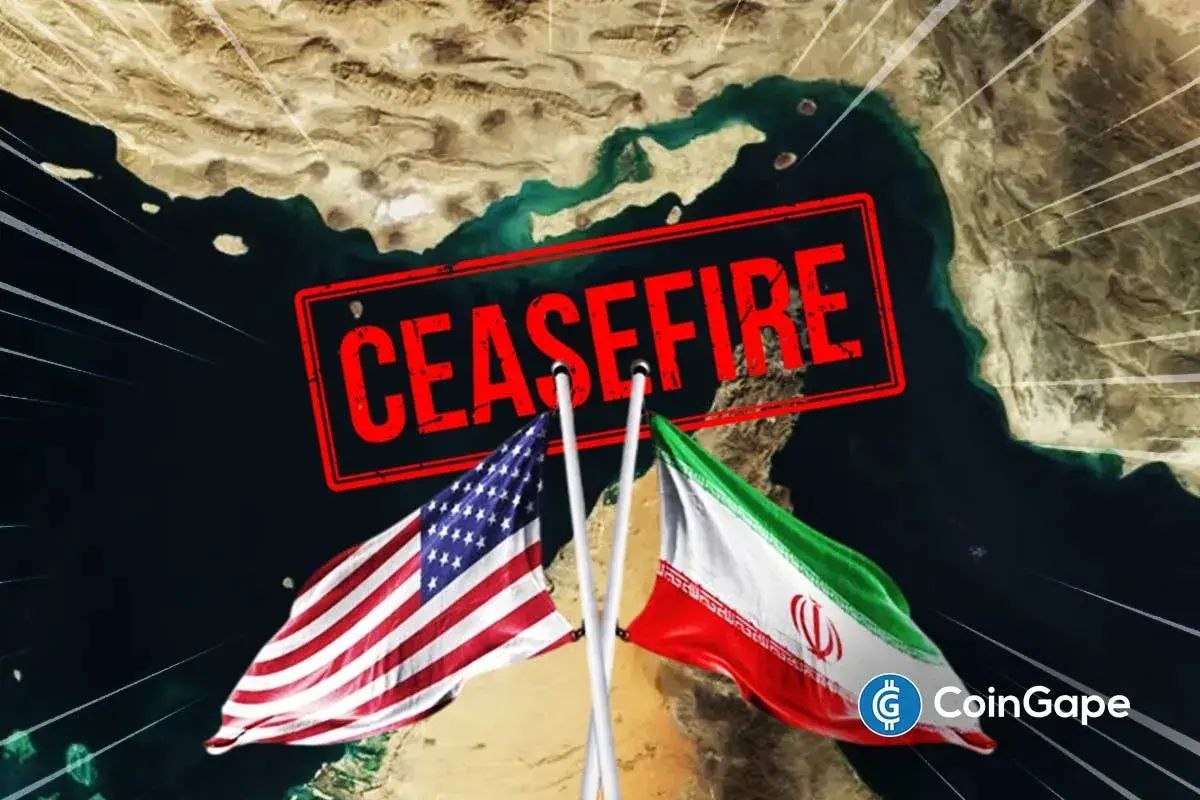
Recent reports indicate that nine accounts on Polymarket have made a combined total of $2.4 million from bets related to war predictions, underscoring the growing interest in prediction markets as tools for gauging future events.
This remarkable figure showcases the potential of platforms like Polymarket, where users can bet on the outcomes of various events, including geopolitical conflicts. The ability to monetize insights into global issues represents a burgeoning market that blends finance with real-time analytics.
As the political landscape becomes increasingly complex, the strategies employed by these bettors reveal a nuanced understanding of international relations and conflict dynamics. With war bets becoming a focal point, participants are leveraging data, trends, and expert opinions to inform their decisions, making this a significant moment for the prediction market sector.
The implications of these developments extend beyond individual earnings. The emergence of such substantial returns on war-related bets indicates a growing acceptance of prediction markets within broader financial ecosystems. Traditional investors and analysts are starting to pay attention, recognizing that these platforms can serve as barometers for public sentiment and decision-making processes in volatile environments.
This trend also intersects with advancements in artificial intelligence and automation. Tools like Claude, developed by Anthropic, are increasingly being utilized to analyze vast amounts of data, enabling users to make more informed bets. The integration of AI into decision-making processes can enhance predictive accuracy, allowing bettors to formulate strategies based on comprehensive data analysis.
Moreover, the role of platforms like OpenClaw cannot be overlooked. As automation becomes more prevalent in prediction markets, the efficiency with which information can be processed and acted upon will likely increase. This development may encourage more participants to engage with prediction markets, potentially leading to even greater financial flows into platforms like Polymarket.
Looking ahead, the next six to twelve months will be critical for the evolution of prediction markets. As more individuals and organizations recognize the strategic advantages of engaging with these platforms, we may see an expansion in the types of events that are bet upon, as well as an increase in the sophistication of the tools utilized to analyze these bets.
In conclusion, the substantial earnings reported by Polymarket accounts signal a transformative moment for prediction markets, driven by both human insight and technological advancements. As interest in this sector grows, it is essential for business operators to stay informed about the implications of these trends for future investment strategies.
The recent success of nine Polymarket accounts, generating $2.4 million through war-related bets, reflects a notable trend wherein prediction markets are becoming increasingly integrated into the financial landscape. This convergence of finance and real-time analytics allows individuals not only to speculate on geopolitical events but also to leverage their insights and knowledge for tangible financial gains. As more executives and investors recognize the value of these platforms, the potential for explosive growth within the prediction market sector becomes evident.
The implications of this trend extend to the broader financial ecosystem, where traditional investment strategies are evolving in response to the increasing sophistication of prediction markets. Investors are beginning to view these markets as alternative indicators, capable of revealing public sentiment and strategic forecasting. This shift signifies a critical moment for decision-makers, as they can harness these insights to inform their strategies in a rapidly changing global environment. Coupled with advancements in AI technologies, such as Claude from Anthropic, these platforms are set to enhance predictive capabilities through improved data analysis.
Looking ahead, the next six to twelve months will be pivotal for both Polymarket and its competitors. As automation becomes more ingrained in prediction markets, driven by tools like OpenClaw, we may witness a surge in participation fueled by the efficiency of information processing and decision-making. The intersection of automation and market prediction not only promises enhanced profitability for bettors but also presents a unique opportunity for businesses to gauge public sentiment and make informed strategic decisions. As these trends develop, industry leaders must remain vigilant and adaptable to leverage the potential of prediction markets effectively.
The success of nine Polymarket accounts in generating $2.4 million through war-related bets illustrates a significant shift towards the integration of prediction markets within traditional financial frameworks. This trend is not merely anecdotal; it signals a growing recognition among business leaders and investors that platforms like Polymarket can provide critical insights into geopolitical risks and public sentiment. As the world grapples with increasingly complex international conflicts, the ability to leverage real-time data and predictive analytics becomes a strategic advantage.
Furthermore, the rise of automation tools, particularly those developed by companies like Anthropic, is enhancing the analytical capabilities available to market participants. The application of AI models, such as Claude, allows users to dissect vast amounts of information quickly, leading to more informed decision-making in uncertain environments. This capability could redefine how organizations approach risk management and investment strategies, emphasizing the importance of data-driven insights in navigating turbulent markets.
Strategic Outlook: Looking ahead, the next six to twelve months will be pivotal as more businesses adopt prediction markets to inform their strategies. The interplay between advanced AI technologies and these markets may attract a broader spectrum of participants, including institutional investors. As confidence in the predictive power of platforms like Polymarket grows, we may witness an influx of capital and a more structured approach to betting on geopolitical events, fundamentally altering the landscape of risk assessment and market engagement.
Source: thehill.com.
Related reading: Anthropic’s Ambition: Running Claude Models on Microsoft’s Maia Chip, Leveraging Grok in OpenClaw for Enhanced Automation, and Anthropic Addresses Claude Code Vulnerability with Silent Patch.
Leave a Reply