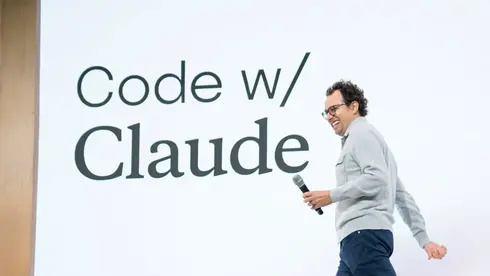
Anthropic’s latest AI model, Claude, has ignited serious discussions about cybersecurity risks, with notable experts urging businesses to take proactive measures.
The introduction of Anthropic’s Claude model marks a pivotal moment in the AI landscape, as it showcases unprecedented capabilities in identifying software vulnerabilities. KPMG cyber expert Omer Or has emphasized that Claude can not only detect these vulnerabilities but also transform them into actionable attack paths at remarkable speeds. This capability poses a considerable threat, compelling organizations to reconsider their cybersecurity defenses.
As AI continues to evolve, the potential for models like Claude to be utilized maliciously is a growing concern for CEOs and business leaders. The ability to automate the identification and exploitation of weaknesses in software could lead to a new wave of cyberattacks, particularly if such technologies fall into the wrong hands. The implications of this advancement are profound, as companies may find themselves unprepared for the rapid pace at which threats could materialize.
The ramifications extend beyond individual organizations to the broader landscape of cybersecurity. If hostile entities acquire similar tools, the result could be a significant escalation in cyber warfare, where the speed and sophistication of attacks outstrip current defense mechanisms. This possibility is prompting many leaders to rethink their cybersecurity strategies, focusing on enhancing their defenses to cope with potential threats from advanced AI models.
Additionally, this development comes at a time when platforms like Polymarket and OpenClaw are gaining attention for their innovative approaches to market predictions. As these platforms harness AI for data analysis and forecasting, the intersection of AI and cybersecurity becomes increasingly critical. Leaders must understand how emerging AI capabilities can impact not only their internal operations but also their market positioning.
As businesses grapple with the implications of Claude’s capabilities, the conversation is shifting towards the need for collaboration between tech companies and cybersecurity experts. By fostering dialogue and sharing insights, organizations can better prepare against the sophisticated threats posed by advanced AI models. The urgency for this collaboration is underscored by the rapid advancements in AI technology and the evolving nature of cyber threats.
In the next 6 to 12 months, we can expect to see a heightened focus on cybersecurity investments as businesses strive to bolster their defenses. Companies may increasingly seek partnerships with cybersecurity firms to develop tailored solutions that address the specific risks associated with AI-driven vulnerabilities. This strategic shift will be crucial in establishing a resilient posture against potential cyber threats.
In conclusion, Anthropic’s Claude model serves as a wake-up call for organizations across industries. The ability of such AI systems to identify and exploit vulnerabilities at speed requires immediate attention from CEOs and business operators. As the landscape evolves, maintaining a proactive approach to cybersecurity will be essential for safeguarding business operations and ensuring long-term success.
The rapid advancement of AI, exemplified by Anthropic’s Claude model, is compelling business leaders to reassess their cybersecurity protocols. With the model’s ability to swiftly identify and exploit software vulnerabilities, companies are urged to adopt a more proactive stance in their security strategies. This shift is particularly necessary as adversaries may soon have access to similar technologies, potentially leading to an unprecedented surge in cyber threats. The challenge lies not only in defending against these attacks but also in recognizing the potential for automation to affect various sectors, including those utilizing platforms like Polymarket and OpenClaw, which leverage AI for market prediction and analysis.
Furthermore, the integration of advanced AI models into the cybersecurity landscape is creating a ripple effect across industries. As organizations begin to understand the implications of tools like Claude, there is a growing need for collaboration between AI developers and cybersecurity experts. This partnership could help mitigate risks and develop frameworks that can withstand the evolving threat landscape. The potential for automation to streamline both attack and defense strategies emphasizes the need for a dynamic approach to cybersecurity, ensuring that defenses are not only reactive but also predictive in nature.
Strategic Outlook: Over the next 6 to 12 months, organizations must prioritize the enhancement of their cybersecurity measures. This involves investing in advanced threat detection systems and fostering partnerships with AI firms to stay ahead of emerging threats. As the landscape becomes increasingly complex with tools like Claude, business leaders should also consider the regulatory aspects and ethical implications of AI deployment in their operations. By doing so, they can better position themselves to navigate the challenges and opportunities posed by this rapidly evolving technological environment.
Source: ynetnews.com.
Related reading: Anthropic’s Diminishing Features: A Challenge for Claude Pro Users, Spain’s Ban on Polymarket and Kalshi: A Wake-Up Call for Regulatory Compliance, and DGOJ Blocks Polymarket and Kalshi: Implications for the Industry.
Leave a Reply