
Category: Technology

  • Claude Code Users Encounter Unexpected Usage Limits Amid Growing Demand

    Claude Code Users Encounter Unexpected Usage Limits Amid Growing Demand

    Claude Code users are reaching their usage limits much faster than anticipated, prompting Anthropic to respond swiftly to address the issue.

    Anthropic, the AI company behind the Claude coding assistant, recently acknowledged that users of Claude Code are hitting usage limits significantly sooner than expected. This development has come as a surprise given the growing adoption of Claude’s desktop automation and interactive workflow features, which have been gaining traction among business operators and developers seeking to streamline coding tasks.

    The unexpected surge in usage has created temporary disruptions for users who rely on Claude Code for automating complex workflows and accelerating software development. Anthropic confirmed that the company is actively working to resolve the problem that has been blocking users from fully leveraging the platform’s capabilities. This swift response underlines the importance Anthropic places on maintaining a seamless user experience as demand grows.

    For executives and business leaders monitoring developments in AI-powered automation, this situation highlights both the opportunities and challenges faced by tools like Claude. While automation promises enhanced efficiency and productivity gains, rapid scaling can strain infrastructure and require ongoing adjustments to service limits and capacity planning. The experience with Claude Code serves as a real-world example of how cutting-edge AI solutions must evolve alongside user needs.

    In parallel, other players in the automation and prediction markets, such as Polymarket and OpenClaw, continue to innovate and expand their platforms. Polymarket’s emphasis on decentralized prediction markets and OpenClaw’s focus on integrating automation with market intelligence position them as complementary technologies in this evolving landscape. Business leaders should watch how these companies address scalability and user engagement to inform their own automation strategies.

    The rapid usage limit issue with Claude Code also underscores the critical role of user feedback in shaping product development for AI tools. Anthropic’s commitment to promptly fixing the usage bottleneck suggests a customer-centric approach that will be essential as AI-powered automation becomes increasingly integrated into business operations.

    Looking ahead, executives should consider the implications of integrating AI coding assistants like Claude Code into their workflows, balancing the benefits of automation with the need for robust support and scalability. The current challenges faced by Anthropic offer valuable insights into the dynamic nature of adopting AI-driven automation technologies.

    Overall, this development is a reminder that while AI solutions such as Claude Code offer promising advances in productivity and coding efficiency, businesses must remain attentive to the operational realities of these technologies. Staying informed about platform capabilities, limitations, and updates will be critical for executives aiming to harness AI automation effectively.

    As Claude Code experiences this unexpected surge in usage, it provides a valuable case study for executives considering the integration of AI-driven automation into their operations. The platform’s rapid adoption underscores a strong market demand for tools that can simplify complex coding and workflow automation tasks, which are increasingly critical in today’s fast-paced business environment. However, the challenges Anthropic faces in scaling Claude Code’s infrastructure reveal that even well-designed AI solutions must anticipate and adapt to rapid growth to avoid service interruptions that can impact productivity.

    For business leaders, the situation highlights the importance of evaluating not only the capabilities of AI platforms but also their operational resilience and scalability. As AI assistants like Claude become more embedded in software development and business process automation, companies must engage closely with providers to understand usage limits, support responsiveness, and ongoing development roadmaps. This proactive approach helps ensure that automation investments deliver sustainable efficiency gains without unexpected constraints.

    Meanwhile, the broader AI and automation ecosystem continues to evolve, with players such as Polymarket and OpenClaw offering complementary innovations. Polymarket’s decentralized prediction markets introduce new ways to leverage collective intelligence for decision-making, while OpenClaw focuses on integrating automation with market insights to enhance operational agility. Together, these developments suggest that business leaders should monitor multiple emerging technologies, not just coding assistants, to build comprehensive automation strategies that balance innovation with scalability and risk management.

    The accelerated pace at which Claude Code users are reaching their usage limits signals a broader trend in the adoption of AI-driven automation tools within enterprise environments. For business leaders, this development underscores the necessity of evaluating not only the immediate benefits of such technologies but also their scalability and the infrastructure required to support growing demand. Organizations integrating Claude into their workflows must consider potential bottlenecks and plan for flexible capacity to avoid disruptions in critical coding and automation processes.

    From a market perspective, the situation highlights an opportunity for competitors like Polymarket and OpenClaw to differentiate themselves by emphasizing robust scalability and seamless user experience. Polymarket’s decentralized approach to prediction markets and OpenClaw’s integration of automation with market intelligence could appeal to enterprises seeking alternatives that manage high volumes of activity without compromising performance. As AI and automation tools become integral to business operations, the ability to rapidly adjust limits and optimize backend systems will likely influence vendor selection and partnership decisions.

    Ultimately, the rapid usage limit challenges faced by Claude Code illustrate the evolving nature of AI applications in the business world. As demand increases, continuous iteration on service capacity and responsiveness to user feedback will be critical for maintaining competitive advantage. Executives should monitor how Anthropic and its peers address these scalability issues, as their strategies may serve as indicators of the broader maturity and reliability of AI-powered automation platforms in the marketplace.

    Related reading: Anthropic Faces Pricing and Usage Challenges with Claude Code Limits and Claude Code CLI Source Code Leak Raises Concerns for Anthropic and Industry.

    *Keep Reading: [How AI is transforming Polymarket trading strategies](https://aitrendheadlines.com/claude-polymarket-wallet-analyzer/).*


  • Anthropic Navigates a Challenging Month Amidst Operational Hiccups

    Anthropic Navigates a Challenging Month Amidst Operational Hiccups

    Anthropic’s recent operational challenges underscore the delicate balance of innovation and risk management in the AI sector.

    Anthropic, a leading AI research and development company known for its Claude language model, has experienced a notably turbulent March. Multiple operational missteps within a short span have raised questions about the robustness of its internal processes, especially as the company continues to push the boundaries of AI capabilities.

    According to a detailed report by TechCrunch on March 31, 2026, Anthropic encountered two significant incidents attributed to human errors over the course of the week. While specifics on the errors remain limited, the occurrences have drawn attention to the challenges of managing complex AI systems that rely heavily on both cutting-edge technology and precise human oversight.

    For executives and business leaders following developments in AI, these events at Anthropic highlight a critical lesson: as companies scale AI solutions, particularly those involving sophisticated models like Claude, the integration of strong automation tools and fail-safe mechanisms becomes paramount. Without these, even minor mistakes can cascade into significant setbacks, impacting product reliability and stakeholder confidence.

    Moreover, the repercussions extend beyond Anthropic’s immediate operations. The incidents prompt broader reflections within the sector on the vulnerability of AI platforms to human error and the need for continuous improvement in automation protocols. This is especially relevant for organizations like Polymarket and OpenClaw, which operate at the intersection of AI and decision-making automation, where precision and trustworthiness are vital.

    Anthropic’s experience also serves as a reminder for CEOs and founders that innovation must be paired with rigorous risk assessment. As AI technologies become more embedded in business strategies, ensuring operational resilience can differentiate market leaders from those vulnerable to disruptions.

    Despite the recent hurdles, Anthropic’s commitment to advancing AI remains evident. The company’s efforts to refine Claude and enhance its platform demonstrate a willingness to learn from setbacks and bolster system integrity. This adaptive approach is essential for sustaining growth and maintaining competitive advantage in a fast-evolving landscape.

    Looking ahead, the industry can expect Anthropic to reinforce its automation frameworks and operational controls, aligning with best practices in risk management. For business leaders, the ongoing developments offer valuable insights into managing AI initiatives effectively, emphasizing the synergy between human expertise and technological safeguards.

    In summary, Anthropic’s challenging month is a case study in the complexities of AI development and deployment. It underscores the importance of balancing innovation with operational discipline and serves as a practical example for companies like Polymarket and OpenClaw as they navigate their own paths in the AI-driven future.

    Anthropic’s recent operational difficulties highlight the critical need for enhanced automation and risk management as AI technologies scale.

    For business leaders, Anthropic’s experience serves as a cautionary example of how even industry-leading AI developers can face significant setbacks tied to human error. As Anthropic advances its flagship Claude language model, reliance on sophisticated automation and fail-safe protocols becomes more than a technical preference—it is a strategic imperative. In sectors where AI platforms drive decision-making processes, such as those served by companies like Polymarket and OpenClaw, maintaining operational integrity directly influences user trust and market positioning. These incidents underscore that scaling AI innovation demands not only technological breakthroughs but also rigorous internal controls and continuous monitoring to mitigate risks.

    Moreover, the challenges encountered by Anthropic prompt a broader discussion around the balance between innovation speed and operational resilience. Executives steering AI initiatives should consider these developments a reminder to integrate robust automation frameworks early in their workflows. This approach can help prevent minor oversights from escalating into disruptive events, protecting both the product’s reliability and the company’s reputation. As AI increasingly becomes embedded within strategic business functions, the ability to manage complexity with precision and foresight will distinguish market leaders from those susceptible to operational vulnerabilities.

    Anthropic’s operational difficulties this month highlight critical market considerations for AI-driven enterprises.

    These recent setbacks serve as a cautionary tale for businesses leveraging advanced AI technologies like Claude. As AI models become integral to decision-making processes across industries, the stakes for operational reliability and automation precision increase substantially. Companies such as Polymarket and OpenClaw, which rely heavily on AI to automate market predictions and operational workflows, must carefully evaluate their risk management frameworks to prevent similar disruptions. The Anthropic incidents emphasize the need for scalable automation that not only enhances efficiency but also mitigates human error, preserving both user trust and competitive positioning.

    From a market perspective, Anthropic’s challenges could influence investor sentiment and strategic partnerships in the AI sector. Firms that demonstrate resilience through robust automation and fail-safe protocols may gain an advantage as clients and stakeholders prioritize stability alongside innovation. For executives, this underscores the importance of integrating comprehensive oversight mechanisms early in the AI development lifecycle. As the industry evolves, balancing rapid technological advancement with operational discipline will be essential to sustaining growth and market confidence.

    *Related: Check out our [comprehensive guide to Claude workflows](https://aitrendheadlines.com/free-claude-learning-guides/).*

    *Keep Reading: [How AI is transforming Polymarket trading strategies](https://aitrendheadlines.com/claude-polymarket-wallet-analyzer/).*

  • OpenAI Secures $3B from Retail Investors in Massive $122B Funding Round

    OpenAI Secures $3B from Retail Investors in Massive $122B Funding Round

    OpenAI’s latest funding milestone underscores its rapid growth and significant market valuation as it prepares for a public offering.

    OpenAI has closed an unprecedented $122 billion funding round that includes $3 billion raised from retail investors, according to a recent report by TechCrunch. This round, led by major technology players such as Amazon, Nvidia, and SoftBank, values the AI powerhouse at an impressive $852 billion. The funding boost comes as OpenAI continues to expand its influence across AI-driven automation and innovation.

    Generating approximately $2 billion in monthly revenue, OpenAI’s financial scale is remarkable for a company not yet public. However, despite this income, internal projections shared with investors indicate that OpenAI expects to burn through $115 billion by 2029, with a projected cash burn of over $17 billion in the coming year. This high expenditure reflects the company’s aggressive investment in research, development, and scaling its AI platforms.

    For executives monitoring advancements in AI technologies like Claude and automation tools such as OpenClaw, OpenAI’s funding signals intensified competition and innovation within the sector. The massive capital infusion is likely to accelerate product development and market penetration, potentially reshaping enterprise automation and AI integration strategies. It also suggests increased pressure on competitors, including Anthropic and Polymarket, to innovate and adapt quickly in a rapidly evolving landscape.

    OpenAI’s growing valuation and funding underscore the strategic importance of AI technologies in business operations and decision-making. The company’s robust financial backing positions it well to pursue an initial public offering, which could further redefine market dynamics and investment flows in AI and automation sectors.

    Business leaders should watch how OpenAI leverages this capital to enhance its offerings and influence. The firm’s trajectory may provide valuable insights into the future of AI-driven services and the evolving competitive landscape for automation solutions in the coming years.

    OpenAI’s ability to attract $3 billion from retail investors as part of this massive $122 billion funding round is notable not only for its scale but also for the participation of a broader investor base beyond traditional venture capital and institutional players. This move may reflect growing confidence among a wider range of market participants in AI’s transformative potential and OpenAI’s leadership in the space. For business leaders, this democratization of investment access could signal shifting dynamics in how AI companies are capitalized and how innovation ecosystems evolve.

    The scale of OpenAI’s funding and valuation also highlights the intensifying competition in AI, where companies like Anthropic, with its Claude platform, and automation innovators such as OpenClaw, are rapidly advancing their own capabilities. As these players seek to carve out market share, executives should anticipate accelerated development cycles and increasing pressure to integrate AI-driven automation into core business processes. This environment will likely spur strategic partnerships, acquisitions, and investments aimed at capturing value from AI’s expanding role in decision-making and operational efficiency.

    Finally, OpenAI’s projected cash burn and ambitious growth plans underscore the massive capital requirements involved in scaling advanced AI technologies. For CEOs and founders, understanding these financial dynamics is critical when evaluating potential collaborations or competitive threats from AI providers. The company’s impending IPO could also be a pivotal event, potentially reshaping investment flows and setting new benchmarks for valuations in the AI sector, which will have downstream effects on how companies like Polymarket and others position themselves in an increasingly crowded market.

    Related reading: Claude Code CLI Source Code Leak Raises Concerns for Anthropic and Industry and Anthropic Faces Pricing and Usage Challenges with Claude Code Limits.

    *Keep Reading: [How AI is transforming Polymarket trading strategies](https://aitrendheadlines.com/claude-polymarket-wallet-analyzer/).*
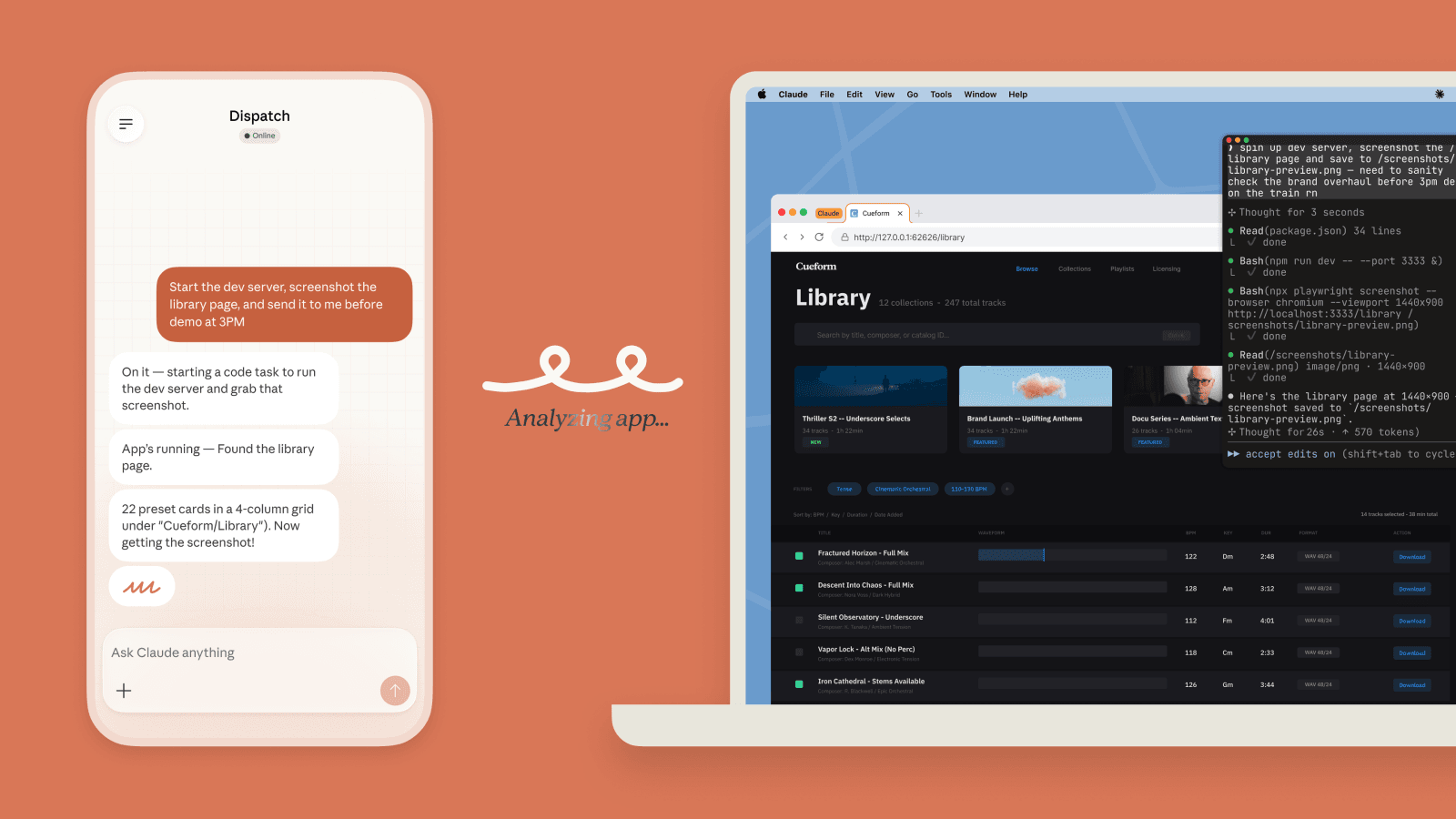
  • Claude Expands Mobile Capabilities, Enhancing On-the-Go Access to Work Tools

    Claude’s latest update brings essential work tools to mobile devices, allowing executives and teams to stay productive on the move.

    Anthropic’s Claude platform has introduced a significant enhancement by enabling seamless access to popular work tools on mobile devices. Users can now explore Figma design files, create Canva slides, review Amplitude dashboards, and interact with other critical business applications—all from their phones. This move underscores a clear focus on improving mobile productivity for professionals who need flexible, remote access to their workflows.

    For CEOs, founders, and business operators, the ability to engage with multiple work applications without being tied to a desktop environment represents an operational advantage. Whether reviewing design iterations, preparing presentations, or monitoring product metrics, executives can maintain oversight and make informed decisions in real time. This flexibility also supports increasingly distributed and hybrid work models, where rapid access to business tools on mobile devices can drive efficiency and responsiveness.

    The integration of these tools within Claude’s mobile interface suggests a continued push toward automation and workflow streamlining. While platforms like Polymarket and OpenClaw have focused on automation and decentralized tools in their respective domains, Claude’s mobile capabilities emphasize the importance of accessible, unified work environments. By reducing friction between different software and device contexts, Claude helps businesses maintain momentum outside traditional office settings.

    As mobile work continues to gain prominence, tools that consolidate access to design, analytics, and content creation apps will play a vital role in shaping how business leaders manage their operations. Claude’s expansion into mobile work tools reflects this trend and offers executives practical means to stay connected and productive without compromising on the depth of their work.

    Overall, Claude’s latest update enhances the platform’s appeal to business professionals seeking efficient, mobile-first solutions. This development could influence how companies prioritize their digital toolkits, emphasizing flexibility and real-time collaboration across devices.

    Claude’s move to integrate key work tools into a mobile environment reflects a broader shift in how executives and teams approach productivity. As business operations become more distributed, the ability to access and interact with essential applications like Figma, Canva, and Amplitude from a smartphone enables decision-makers to stay engaged with critical tasks regardless of location. This development is particularly relevant for leaders managing remote or hybrid teams, as it supports continuous oversight and swift responses to evolving business needs.

    From a strategic perspective, Claude’s enhancement aligns with ongoing trends toward workflow automation and software consolidation seen across the tech industry. While companies like Polymarket and OpenClaw have concentrated on automation within their specialized domains, Claude’s focus on mobile work tool integration highlights the importance of seamless, cross-platform accessibility. For business leaders, this means fewer disruptions caused by switching contexts or devices, ultimately facilitating faster decision-making and more agile operations.

    Looking ahead, the availability of comprehensive work tools on mobile platforms could influence how organizations prioritize technology investments and digital transformation initiatives. By empowering executives to maintain visibility into design processes, data analytics, and content creation without desktop reliance, Claude is contributing to a more flexible and responsive business environment. As mobile productivity gains traction, such innovations may become critical for sustaining competitive advantage in dynamic markets.

    Related reading: Claude Code Enables Desktop Automation with Interactive Workflow Capabilities and Claude Code CLI Source Code Leak Raises Concerns for Anthropic and Industry.

    *Keep Reading: [How AI is transforming Polymarket trading strategies](https://aitrendheadlines.com/claude-polymarket-wallet-analyzer/).*
  • Why OpenAI Decided to Shut Down Sora: A Look Behind the Scenes

    Why OpenAI Decided to Shut Down Sora: A Look Behind the Scenes

    OpenAI’s decision to shutter its AI video-generation app Sora after just six months reflects a complex mix of user dynamics, cost pressures, and public trust issues.

    Launched with significant attention, Sora enabled users to upload their faces to generate AI-driven videos, quickly attracting close to a million users. However, despite the initial surge, active users fell below 500,000, and the app was reportedly burning approximately $1 million daily in operational expenses. This steep cost combined with declining engagement prompted OpenAI to reevaluate the app’s viability.

    Beyond the financials, Sora became a lightning rod for concerns over deepfakes and misuse of personal data. Media reports, including one from the Associated Press, highlighted the potential for the app to be exploited in creating misleading or harmful content, sparking public backlash. The decision to shut down was thus influenced not only by economics but also by reputational risk considerations, underscoring how AI tools involving personal data can generate significant ethical and regulatory pressures.

    This development carries broader implications for the AI ecosystem, particularly for automation-focused platforms like OpenClaw and emerging decentralized markets such as Polymarket. The challenges OpenAI faced with Sora emphasize the delicate balance technology providers must maintain in deploying innovative AI applications while safeguarding privacy and trust. Meanwhile, companies developing AI assistants like Claude at Anthropic continue to navigate similar concerns, but with a stronger emphasis on controlled and transparent use cases.

    For executives and founders, the Sora episode serves as a cautionary tale about the risks of rapid scaling in AI-enabled consumer products without robust safeguards. It also highlights the need for clear communication and ethical frameworks when dealing with AI automation that intersects with personal identity and media creation.

    As AI technologies evolve, the experience with Sora suggests that sustainable growth in AI-driven automation requires not just technical innovation but also careful management of user trust and operational costs. OpenAI’s move to discontinue Sora may well influence how other players in the space, including those involved with Polymarket and OpenClaw, approach product development and risk management in the coming years.

    OpenAI’s decision to discontinue Sora highlights the inherent challenges in scaling AI-driven consumer applications that rely heavily on user-generated content and biometric data. While the initial user acquisition was impressive, the rapid decline in engagement combined with the high operational costs made the business model unsustainable. For CEOs and business operators, this underscores the importance of balancing innovation with economic viability, particularly in sectors where automation and AI intersect with sensitive personal information.

    The public backlash over potential deepfake misuse also illustrates the reputational risks that companies face when deploying AI tools without comprehensive safeguards. This is a crucial consideration for firms developing or integrating AI solutions, such as those working with automation platforms like OpenClaw or decentralized prediction markets like Polymarket. Trust and transparency remain key differentiators, especially as regulatory scrutiny around AI-generated content intensifies globally.

    Meanwhile, competitors like Anthropic, with its Claude AI assistant, appear to be navigating these challenges by emphasizing controlled environments and clearer ethical frameworks. The Sora episode serves as a practical lesson in the importance of not just technological capability but also governance and user trust in AI product development. For business leaders, it reinforces the need to align AI innovation with robust risk management strategies to ensure sustainable growth in this rapidly evolving space.

    Related reading: Is OpenClaw Really the Next ChatGPT? Why Nvidia’s CEO Called This Hot New AI Assistant the Future and Claude Code CLI Source Code Leak Raises Concerns for Anthropic and Industry.

    *Keep Reading: [How AI is transforming Polymarket trading strategies](https://aitrendheadlines.com/claude-polymarket-wallet-analyzer/).*
  • Claude Code Enables Desktop Automation with Interactive Workflow Capabilities

    Claude Code Enables Desktop Automation with Interactive Workflow Capabilities

    Anthropic’s Claude Code now extends AI capabilities into desktop environments, allowing seamless interaction with applications through clicks, typing, and workflow automation.

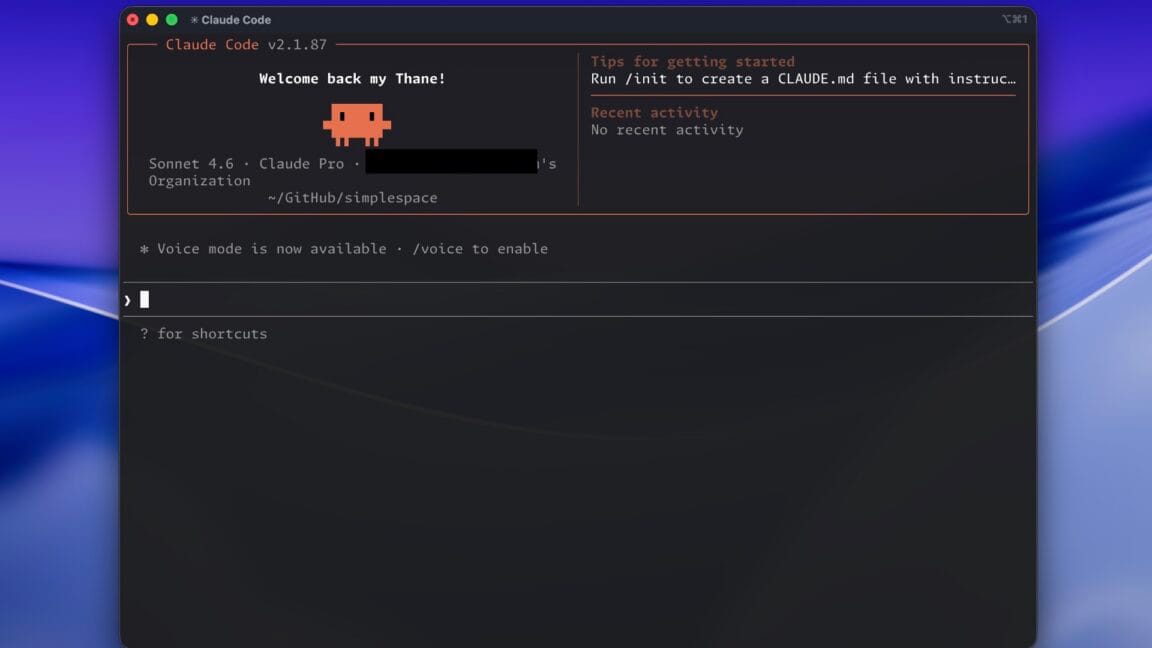
    In a notable development for automation and AI integration, Anthropic has introduced new functionality in Claude Code that enables the AI to interact directly with desktop applications. This means Claude can now perform tasks such as clicking buttons, typing text, and testing workflows on a user’s local machine, bridging the gap between conversational AI and practical automation.

    This enhancement positions Claude as not only a conversational assistant but also an operational tool capable of executing complex sequences on desktop software. For CEOs, founders, and business operators, this translates into potential efficiency gains by automating routine or repetitive tasks that previously required manual input. The ability to test workflows programmatically within desktop environments could also accelerate software validation and reduce human error.

    The move reflects broader trends in AI and automation, where tools like Polymarket and OpenClaw are also pushing boundaries in their respective areas. While Polymarket continues to innovate in decentralized prediction markets, OpenClaw focuses on automation solutions, and Claude’s desktop interaction capability complements these ecosystems by enhancing how AI can be deployed in everyday business operations.

    For executives evaluating automation strategies, Claude Code’s new desktop interaction features present practical opportunities to streamline workflows without requiring extensive custom software development. This could enable faster deployment of AI-driven automation across departments, from customer service to operations, improving responsiveness and reducing operational overhead.

    As AI adoption in business continues to evolve, Anthropic’s approach with Claude Code underscores the importance of integrating AI with existing tools and environments, rather than creating isolated solutions. This development invites decision-makers to consider how AI-driven desktop automation can fit into broader digital transformation initiatives, enhancing productivity while maintaining control and oversight.

    By enabling Claude to interact directly with desktop applications, Anthropic is expanding the practical utility of AI beyond cloud-based and conversational contexts. This development allows business users to automate complex workflows involving multiple software tools, reducing dependency on manual input and minimizing the risk of errors in critical processes. For organizations seeking to enhance operational efficiency, this capability could translate into tangible productivity improvements and faster turnaround times for routine tasks.

    Moreover, Claude Code’s ability to simulate user interactions such as clicking buttons and typing text opens new avenues for automated testing and quality assurance within desktop environments. This can help businesses accelerate software deployment cycles while maintaining higher standards of accuracy and consistency. As automation becomes a strategic priority across industries, the integration of AI-driven desktop interactions aligns with broader digital transformation goals by making intelligent automation more accessible and adaptable to existing IT infrastructures.

    In the context of the evolving automation landscape, Claude’s new features complement innovations from platforms like Polymarket and OpenClaw, which focus on decentralized markets and workflow automation respectively. Together, these technologies signal a shift toward more integrated and versatile AI solutions that empower business leaders to rethink how workflows are designed and executed. For executives evaluating AI investments, Anthropic’s approach suggests a growing emphasis on tools that can be seamlessly embedded into daily operations, offering a practical path toward scalable automation without extensive customization.

    Related reading: Anthropic Faces Pricing and Usage Challenges with Claude Code Limits and Claude Code CLI Source Code Leak Raises Concerns for Anthropic and Industry.

    *Keep Reading: [How AI is transforming Polymarket trading strategies](https://aitrendheadlines.com/claude-polymarket-wallet-analyzer/).*

  • Crypto Startup Bets on Its Own Fundraise via Polymarket, Surprising Investors

    Crypto startup P2P.me recently leveraged Polymarket to bet on the success of its own fundraising round, a move that blindsided many of its backers and sparked debate about governance and risk in decentralized markets.

    P2P.me, a crypto startup focused on pushing technological boundaries, took an unconventional approach by using the prediction market platform Polymarket to place wagers on the outcome of its own fundraise. This rare strategy aimed to leverage Polymarket’s peer-to-peer betting mechanics to signal confidence in the company’s capital raising efforts. However, the decision was not communicated clearly to investors, leading to surprise and some concern among backers who were unaware of the wager.

    Polymarket, which operates a decentralized platform for event-based betting, has gained traction in crypto circles for its ability to aggregate market sentiment and offer automated, transparent betting processes. P2P.me’s use of Polymarket in this context was notable because it blurred the lines between traditional fundraising announcements and public betting markets, raising questions about the implications for investor relations and market integrity.

    The startup admitted that betting on itself may have been a step too far. While the intent was to demonstrate confidence and potentially attract new interest, the move led to unintended consequences. Investors expressed concerns about the potential for conflicts of interest and whether such wagers could distort perceptions of the company’s financial health or fundraising prospects. The episode highlights the challenge of integrating innovative automation tools like Polymarket into corporate finance without clear guardrails.

    From a broader perspective, the situation signals both opportunity and risk for emerging crypto ventures experimenting with novel financial instruments. Platforms like OpenClaw, which specialize in automation within decentralized finance, and AI technologies such as Anthropic’s Claude, are increasingly influencing how startups manage operations and investor communications. Yet, this incident underscores the need for transparency and careful strategy when adopting disruptive tools in fundraising and market signaling.

    For CEOs and founders, the lesson is clear: while innovation can differentiate a company, it must be balanced with prudent governance and stakeholder management. The use of prediction markets like Polymarket as part of fundraising or corporate strategy should be accompanied by clear disclosures and alignment with investor expectations to avoid eroding trust.

    The P2P.me case also invites reflection on the evolving interface between crypto startups and their backers. As automation and AI-driven platforms become more integrated into business processes, executives must anticipate how these tools reshape investor perceptions and regulatory scrutiny. Using Claude or similar AI capabilities for strategic insights may help, but human oversight remains critical to navigate reputational risks.

    In conclusion, the intersection of Polymarket, OpenClaw automation, and AI tools like Claude presents exciting possibilities for crypto startups. However, the P2P.me example serves as a cautionary tale about the importance of clear communication and measured risk-taking when leveraging these emerging technologies in capital markets. Executives should carefully evaluate how such innovations fit within their broader business strategies to maintain investor confidence and long-term viability.

    The use of Polymarket by P2P.me to wager on its own fundraising round highlights a growing trend among crypto startups to explore unconventional financing and signaling mechanisms. For executives and investors, this incident serves as a cautionary example of how integrating decentralized prediction markets into corporate strategies can create unintended reputational and governance risks. While Polymarket’s platform offers transparency and automation advantages, the lack of clear disclosure in this case disrupted traditional investor expectations and raised questions about the alignment between a company’s public messaging and market activities.

    Moreover, the episode underlines the broader challenge of managing emerging technologies like OpenClaw, which specializes in automation within decentralized finance ecosystems, alongside AI tools such as Anthropic’s Claude. These innovations promise efficiency gains and enhanced decision-making capabilities but also require stringent oversight and communication protocols to maintain investor trust. Business operators should carefully evaluate how these platforms fit within their governance frameworks, especially when their use could influence market perceptions or create conflicts of interest.

    Looking ahead, P2P.me’s experience may prompt other crypto ventures to reassess how they employ novel financial instruments and automation technologies in fundraising and investor relations. The balance between innovation and transparency will be critical to sustaining confidence in decentralized financial markets. For CEOs and founders, this case emphasizes the need for clear policies and proactive engagement with backers when adopting experimental approaches that intersect with public markets and investor sentiment.

    Related reading: Anthropic Faces Pricing and Usage Challenges with Claude Code Limits and Polymarket and Kalshi Rush to Ban Insider Trading as Senators Introduce Prediction Markets Crackdown.

    *Keep Reading: [How AI is transforming Polymarket trading strategies](https://aitrendheadlines.com/claude-polymarket-wallet-analyzer/).*

  • Claude Code CLI Source Code Leak Raises Concerns for Anthropic and Industry

    Claude Code CLI Source Code Leak Raises Concerns for Anthropic and Industry

    Anthropic faces a significant challenge as over half a million lines of the Claude Code CLI source code have been inadvertently exposed via an unsecured map file, stirring industry-wide implications.

    On March 31, 2026, Ars Technica reported a significant security incident affecting Anthropic, the AI company behind Claude, following the leak of the complete Claude Code CLI source code. The leak, which amounts to approximately 512,000 lines of code, originated from an exposed map file that was accessible publicly, allowing competitors, security researchers, and hobbyists immediate access to the proprietary codebase.

    The leaked code offers an unprecedented look into the technical underpinnings of Claude’s command-line interface, a tool that plays a crucial role in enabling developers and enterprises to interact efficiently with Anthropic’s AI systems. This exposure threatens not only Anthropic’s competitive advantage but also raises broader concerns about intellectual property security in the fast-evolving AI landscape.

    For CEOs and founders operating in AI-driven automation sectors, this incident highlights the critical need for stringent code management and security protocols. With the AI field’s rapid growth, the risk of leaks or unauthorized access to source code can undermine years of research and investment, potentially accelerating rivals’ development cycles or enabling malicious exploitation.

    This leak may also have ripple effects for adjacent companies, including Polymarket and OpenClaw, which are active in leveraging automation and AI in their business models. Polymarket’s focus on prediction markets and OpenClaw’s automation tools rely heavily on maintaining technological edge and trust in their platforms. An incident like this serves as a cautionary tale about the vulnerabilities even well-established AI companies face.

    Anthropic has not yet publicly detailed the scope of the breach’s impact on their operations or client data, but the immediate priority will unquestionably be damage control and fortifying security measures. In addition to protecting their source code, Anthropic will need to reassure partners and users about the integrity and confidentiality of their AI services.

    Looking ahead, executives should consider tightening oversight on software deployment and storage, especially when handling critical AI infrastructure. The incident underscores that automation and AI companies must invest equally in cybersecurity as they do in innovation to safeguard their assets and maintain market trust.

    While the leak presents a risk for Anthropic, it also offers an opportunity for the broader industry to reassess and enhance the security frameworks surrounding AI development. Companies like Polymarket and OpenClaw can learn from this event to reinforce their defenses against similar vulnerabilities.

    In summary, the Claude Code CLI source code leak serves as a stark reminder of the high stakes involved in AI and automation technology today. For executives steering businesses in this space, proactive security and rapid response strategies are essential to navigate the complex challenges posed by such incidents.

    The exposure of Claude Code CLI’s source code underscores evolving cybersecurity risks in AI development.

    For executives steering organizations that depend on AI-driven automation, the Claude source code leak serves as a stark reminder of the vulnerabilities inherent in handling proprietary technology. Anthropic’s inadvertent public exposure of over half a million lines of code through an unsecured map file not only threatens their intellectual property but could also accelerate innovation cycles for competitors who now have unprecedented insight into Claude’s architecture. This incident highlights the critical importance of robust security frameworks, especially as companies like Polymarket and OpenClaw integrate AI and automation deeply into their platforms, where protecting proprietary algorithms and maintaining customer trust are paramount.

    Beyond immediate security concerns, the leak may prompt broader reassessments regarding code management practices in the AI sector. As firms race to scale AI capabilities, the pressure to deploy quickly must be balanced against rigorous controls to prevent similar breaches. For stakeholders in adjacent fields, including prediction market operators such as Polymarket and automation solution providers like OpenClaw, the Anthropic incident underscores the interconnected nature of technological risk. Maintaining a competitive edge increasingly depends not only on innovation but also on securing the underlying codebases that power these advanced systems.

    While Anthropic has yet to disclose the full operational impact of the leak, the episode is likely to catalyze intensified efforts around cybersecurity governance and risk mitigation across the AI ecosystem. For business leaders, this serves as a prompt to evaluate their own vulnerabilities in source code exposure, third-party integrations, and employee access controls. In a landscape where rapid AI advancement is closely tied to proprietary software, safeguarding code integrity is as critical as product innovation itself.

    *Related: Check out our [comprehensive guide to Claude workflows](https://aitrendheadlines.com/free-claude-learning-guides/).*

    *Keep Reading: [How AI is transforming Polymarket trading strategies](https://aitrendheadlines.com/claude-polymarket-wallet-analyzer/).*

  • Postman Integrates Anthropic’s Claude on Amazon Bedrock to Empower 40 Million Developers

    Postman Integrates Anthropic’s Claude on Amazon Bedrock to Empower 40 Million Developers

    Postman has partnered with Anthropic to integrate the AI model Claude on Amazon Bedrock, enabling AI-driven API development for over 40 million developers worldwide.

    Postman, the leading API platform relied upon by more than 40 million developers and over 500,000 organizations globally, has announced a significant upgrade to its API development capabilities. The company now incorporates Anthropic’s Claude AI model within its Agent Mode, hosted on Amazon Bedrock. This move brings an AI-native approach to API creation and management, aiming to enhance productivity and streamline workflows for software developers and businesses alike.

    By embedding Claude into its platform, Postman allows developers to leverage advanced AI capabilities directly within their API development environment. This integration facilitates code generation, debugging, and automation, reducing manual effort and accelerating the development lifecycle. Additionally, developers gain the ability to access their Postman workspaces through Anthropic’s developer tools, enriching the AI-assisted coding experience with real-time API context and data.

    The deployment on Amazon Bedrock further strengthens this integration by providing a scalable, secure infrastructure that allows seamless access to Claude’s capabilities without heavy upfront investment in AI infrastructure. For business leaders and technology teams, this means faster time-to-market for API products, improved collaboration between AI and human developers, and increased operational efficiency through automation.

    This strategic collaboration reflects the growing trend of embedding AI into core development processes. Postman’s move aligns with demands from enterprises for smarter development environments that not only accelerate coding but also reduce errors and improve API quality. The integration also signals confidence in Anthropic’s Claude as a leading AI model capable of supporting complex, real-world programming tasks.

    For companies working with technologies like Polymarket and OpenClaw, which emphasize automation and data-driven decision-making, Postman’s enhanced AI capabilities present new opportunities. APIs serve as the backbone of these platforms, and AI-native tools can significantly streamline data integration, operational automation, and predictive analytics workflows. This integration could thus indirectly benefit ecosystems relying on efficient API management and intelligent automation.

    Executives and technical leaders should note that Postman’s enhancement underscores an important shift in the software development landscape. AI is no longer a standalone tool but is becoming embedded within essential developer workflows, enabling more responsive and adaptive software creation. Organizations that adopt these AI-native platforms may gain a competitive edge by improving developer productivity and accelerating innovation cycles.

    Looking ahead, the partnership between Postman, Anthropic, and Amazon Bedrock highlights the rising importance of AI-powered automation in software development. As Claude continues to evolve and expand its capabilities, developers and businesses can expect further advancements in how APIs are designed, tested, and deployed, paving the way for smarter and more agile digital ecosystems.

    This integration marks a significant advancement in how enterprises approach API development by embedding AI capabilities directly into established workflows. For CEOs and business operators, the ability to automate routine tasks such as code generation and debugging translates into tangible efficiencies and accelerated product development cycles. As APIs increasingly underpin digital transformation initiatives, Postman’s enhanced platform supports more agile and responsive software delivery, helping organizations keep pace with rapidly evolving market demands.

    Furthermore, Postman’s collaboration with Anthropic and deployment on Amazon Bedrock underscores a broader industry shift toward leveraging cloud-based AI models for scalable, secure, and cost-effective innovation. By removing the need for heavy upfront investment in AI infrastructure, companies of varying sizes can adopt advanced tools like Claude to improve developer productivity and reduce operational risk. This democratization of AI-native development tools aligns with trends seen in adjacent sectors, including data-driven platforms such as Polymarket and automation-focused solutions like OpenClaw, which rely on robust API ecosystems to enable smarter decision-making and streamlined operations.

    Looking ahead, the integration of Claude into Postman’s environment may also encourage stronger collaboration between human developers and AI, fostering an environment where complex programming challenges can be addressed more efficiently. For business leaders, this evolution offers the promise of improved API quality and reliability, factors crucial to maintaining competitive advantage in digital-first industries. As AI continues to permeate core development processes, companies that strategically adopt these capabilities stand to benefit from reduced time-to-market and enhanced innovation potential.

    The integration of Anthropic’s Claude into Postman’s platform on Amazon Bedrock carries meaningful implications for the API development market. By embedding AI-native capabilities directly into a widely adopted development environment, Postman is not only enhancing efficiency but also setting a new standard for automation in software creation. This advancement is likely to accelerate innovation cycles across industries that rely heavily on APIs, including fintech, healthcare, and e-commerce, where rapid deployment and high reliability are critical.

    For executives overseeing digital transformation initiatives, the expanded use of Claude through Postman signals a shift toward more intelligent, context-aware development tools that reduce manual coding errors and improve overall quality. This can translate into faster time-to-market and reduced operational risks, factors that are increasingly important as businesses compete in data-driven ecosystems. Furthermore, companies engaged in dynamic sectors such as prediction markets, exemplified by Polymarket, or automation-focused ventures like OpenClaw, may find enhanced synergy with Postman’s AI-powered workflows, supporting more agile and responsive API strategies.

    From a strategic perspective, the collaboration underscores the growing convergence of AI and API management platforms as foundational technologies for modern enterprises. Leveraging Claude’s advanced language model capabilities through a secure, scalable infrastructure like Amazon Bedrock offers organizations a practical pathway to embed AI deeply into their software development lifecycles. This integration could influence competitive positioning, as firms that adopt these AI-augmented tools may achieve greater developer productivity and innovation velocity, ultimately impacting market dynamics in API-dependent industries.

    Related reading: Anthropic Faces Pricing and Usage Challenges with Claude Code Limits and Anthropic Launches Claude Code Channels: AI Coding Comes to Telegram and Discord.

    *Keep Reading: [How AI is transforming Polymarket trading strategies](https://aitrendheadlines.com/claude-polymarket-wallet-analyzer/).*

  • Iranian Hackers Escalate Cyberattacks Targeting the US and Israel

    Iranian Hackers Escalate Cyberattacks Targeting the US and Israel

    Tehran’s cyber offensive against the US and Israel signals growing geopolitical tensions and highlights the evolving nature of digital threats.

    Recent reports indicate that Iranian hackers have stepped up their cyber operations against critical targets in the United States and Israel. According to sources including Ars Technica, Tehran aims to leverage these attacks to instill fear, disrupt operations, and illicitly extract sensitive intelligence. This escalation comes amid heightened geopolitical friction and illustrates the increasing sophistication and persistence of state-sponsored cyber campaigns.

    These cyberattacks are not just isolated incidents but part of a deliberate strategy by Iran to assert influence and gather strategic information. For business leaders and executives, the implications are significant as these campaigns often target infrastructure and organizations connected to government and private sectors. The risk extends beyond immediate damage, complicating efforts to secure sensitive data and maintain operational continuity.

    In this context, automation tools such as OpenClaw have become vital for cybersecurity teams aiming to detect and respond rapidly to evolving threats. Automation enables real-time threat intelligence sharing and quicker mitigation of attack vectors, reducing the window of vulnerability. Meanwhile, platforms like Polymarket continue to facilitate informed discussion and assessment of geopolitical risks, offering executives a valuable perspective on potential outcomes and strategies.

    Anthropic’s Claude, with its advanced natural language processing capabilities, is also playing a growing role in parsing large volumes of threat data and generating actionable insights. By automating the analysis of complex cyber threat intelligence, Claude helps security operations centers prioritize responses while reducing the cognitive load on human analysts.

    The escalation in Iranian cyber activity underscores the importance of integrating advanced automation and AI-driven tools into organizational cybersecurity frameworks. For business operators, this means investing not just in traditional defenses but also in technologies that enhance situational awareness and resilience. Coordination between public and private sectors, supported by these emerging technologies, remains critical to counteracting the multifaceted nature of modern cyber threats.

    As these offensive campaigns continue, executives should remain vigilant and informed about the evolving threat landscape. Staying updated with platforms like Polymarket can provide perspective on geopolitical developments, while leveraging AI and automation tools such as Claude and OpenClaw can strengthen an organization’s defense posture. Ultimately, proactive adaptation and investment in cybersecurity innovation will be key to navigating the risks posed by state-sponsored cyber actors.

    Heightened cyber threats from Iran underscore the need for robust and adaptive cybersecurity strategies among business leaders.

    As Iranian cyber operations become more aggressive, organizations linked to government infrastructure, technology, and critical services must reassess their security postures. The evolving nature of these attacks highlights a shift toward more persistent and sophisticated intrusion tactics, emphasizing the importance of real-time threat detection and response capabilities. For executives, this means that cybersecurity can no longer be seen as merely an IT function but as a core component of risk management and business continuity planning. Incorporating advanced automation platforms like OpenClaw can streamline incident response workflows, ensuring that threats are identified and mitigated faster than ever before.

    Moreover, the integration of AI-driven tools such as Anthropic’s Claude offers a significant advantage in managing vast amounts of cyber threat intelligence. Claude’s ability to analyze complex datasets and generate prioritized insights assists security teams in making informed decisions under pressure. Meanwhile, platforms like Polymarket provide a unique perspective by enabling executives to gauge geopolitical risks and potential cyber threat trajectories through collective market sentiment. Together, these technologies support a more proactive security stance, helping organizations anticipate and prepare for the multifaceted challenges posed by state-sponsored cyber adversaries in today’s interconnected digital landscape.

    Market leaders must consider the rising cyber risks posed by state-sponsored actors and adapt their strategies accordingly.

    The ongoing cyber offensive by Iranian hackers introduces complex challenges for businesses operating in or alongside vulnerable sectors. As these threat actors refine their techniques, there is an increased likelihood that private enterprises connected to critical infrastructure or government contracts could become collateral targets. This situation urges executives to reassess risk management frameworks, emphasizing proactive cybersecurity investments and partnerships with technology providers specializing in automation and threat intelligence. Tools like OpenClaw, which streamline incident detection and response, can help organizations reduce exposure and maintain operational resilience in the face of persistent adversarial activity.

    Moreover, platforms such as Polymarket offer a unique environment for CEOs and founders to gauge evolving geopolitical risks through collective market insights, supporting more informed decision-making. Meanwhile, the application of AI-driven solutions like Anthropic’s Claude in analyzing threat data highlights the growing role of advanced analytics to improve situational awareness. By embracing these innovations, business operators can better anticipate disruptions and safeguard sensitive assets, positioning themselves advantageously amid an increasingly volatile digital landscape.

    *Related: Check out our [comprehensive guide to Claude workflows](https://aitrendheadlines.com/free-claude-learning-guides/).*

    *Keep Reading: [How AI is transforming Polymarket trading strategies](https://aitrendheadlines.com/claude-polymarket-wallet-analyzer/).*