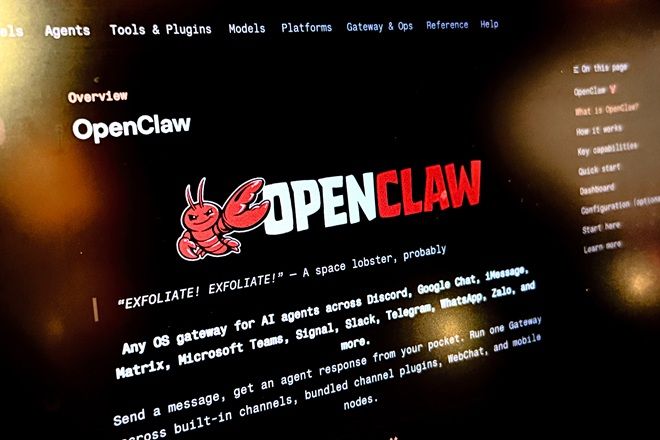
OpenClaw, an autonomous artificial intelligence agent, is rapidly gaining traction among Chinese users despite significant government warnings regarding its use.
Recent reports indicate a surge in the utilization of OpenClaw, a cutting-edge AI solution that automates various tasks. This rise in popularity comes even as Chinese authorities express concerns over the potential risks associated with such technology. By offering enhanced automation capabilities, OpenClaw appeals to a wide range of users, from entrepreneurs to large enterprises, all eager to optimize their operations.
The Chinese government has been vocal in its apprehensions, emphasizing the need for responsible usage of AI technologies. Officials argue that the reckless engagement with OpenClaw could lead to unintended consequences, including security vulnerabilities and the spread of misinformation. However, the allure of automation offered by OpenClaw seems to outweigh these warnings for many users.
OpenClaw operates on a model that allows it to learn and adapt in real-time, providing users with solutions tailored to their specific needs. This level of customization and efficiency is particularly attractive to businesses looking to streamline their operations. As OpenClaw continues to evolve, its ability to handle complex tasks with minimal human intervention could fundamentally alter how businesses in China operate.
The implications of this trend extend beyond just operational efficiency. The adoption of OpenClaw reflects a broader cultural shift within China, where there is an increasing acceptance of AI-driven solutions. As companies embrace automation, the competitive landscape will likely shift, with those who integrate such technologies reaping significant advantages over their counterparts.
Despite the government’s warnings, the demand for OpenClaw is unlikely to diminish in the near future. As more users turn to this AI agent, it raises questions about the regulatory framework surrounding AI technologies in China. How the government will respond to this growing trend remains to be seen, but there are indications that regulatory measures may be forthcoming to address potential risks.
Looking ahead, the next six to twelve months will be crucial for both OpenClaw and the Chinese AI landscape. As user engagement with OpenClaw continues to rise, it will be essential for businesses to navigate the regulatory environment carefully. Companies may need to invest in compliance measures and ethical guidelines to mitigate risks associated with AI usage.
In conclusion, while OpenClaw presents exciting opportunities for automation and efficiency, it also brings forth significant challenges that must be addressed by both users and regulators. The ongoing dialogue between innovation and regulation will shape the future of AI in China, making it a space to watch closely.
The rapid uptake of OpenClaw among Chinese users presents a compelling case for examining the intersection of AI adoption and regulatory frameworks in the region. While the technology promises numerous efficiencies, it also poses significant challenges for governance and ethical standards. As businesses increasingly rely on automation to enhance productivity, they inadvertently contribute to a landscape where oversight becomes critical. The Chinese government’s concerns highlight a tension between innovation and regulation, as the potential for misuse could undermine the very advancements that OpenClaw seeks to deliver.
Furthermore, the allure of OpenClaw is not solely due to its automation capabilities but also its ability to adapt to diverse operational environments. This adaptability is particularly appealing to companies looking to remain competitive in a rapidly evolving market. As organizations leverage OpenClaw’s capabilities, they may find themselves navigating unchartered territory regarding data privacy, security, and ethical AI usage. This scenario underscores the need for businesses to engage with regulatory bodies proactively, ensuring that their use of AI technologies aligns with national standards and public expectations.
Strategic Outlook: Over the next 6 to 12 months, companies utilizing OpenClaw will likely experience both opportunities and challenges. As regulatory scrutiny intensifies, businesses must prepare for potential compliance requirements that could arise as the government seeks to manage the risks associated with AI technologies. Embracing a responsible approach to AI implementation will not only mitigate risks but also position organizations as leaders in ethical innovation. In this context, those who successfully integrate OpenClaw while adhering to emerging regulations may find themselves at a distinct advantage, fostering a culture of trust and resilience in an increasingly automated future.
The rapid rise of OpenClaw among Chinese users highlights a significant shift in market dynamics, particularly in sectors heavily reliant on automation. This trend illustrates a growing appetite for AI-driven solutions that can enhance operational efficiency, even in the face of government caution. Businesses are increasingly viewing OpenClaw not merely as a tool for automation but as a strategic asset that can redefine workflows and optimize resource allocation. The implications of this shift are profound, as organizations that adopt such technologies may gain a competitive edge over those that hesitate.
Furthermore, the reckless engagement with OpenClaw raises pressing concerns about the long-term sustainability of its adoption. While immediate benefits are apparent, the potential for misinformation and security vulnerabilities cannot be overlooked. Companies must navigate these risks carefully, balancing the allure of enhanced automation with the responsibilities that come with deploying AI technologies. As OpenClaw becomes more embedded in business practices, the need for robust frameworks and guidelines to govern its usage will be paramount.
Strategic Outlook: Looking ahead, the next 6 to 12 months will be critical for both users and regulators in China. As demand for OpenClaw continues to grow, we may witness an evolution in regulatory measures aimed at ensuring responsible AI use. Organizations that proactively address the associated risks while leveraging the benefits of such technologies will likely position themselves favorably in the market. The landscape will evolve, and businesses that can adapt to these changes while maintaining ethical standards will emerge as leaders in their fields.
Source: asahi.com.
Related reading: Anthropic Unveils ‘Dreaming’ Feature for Claude Managed Agents, Anthropic Doubles Claude Code Rate Limits Following SpaceX Partnership, and Sophisticated Cyberattack Targets OpenClaw Users.
Leave a Reply