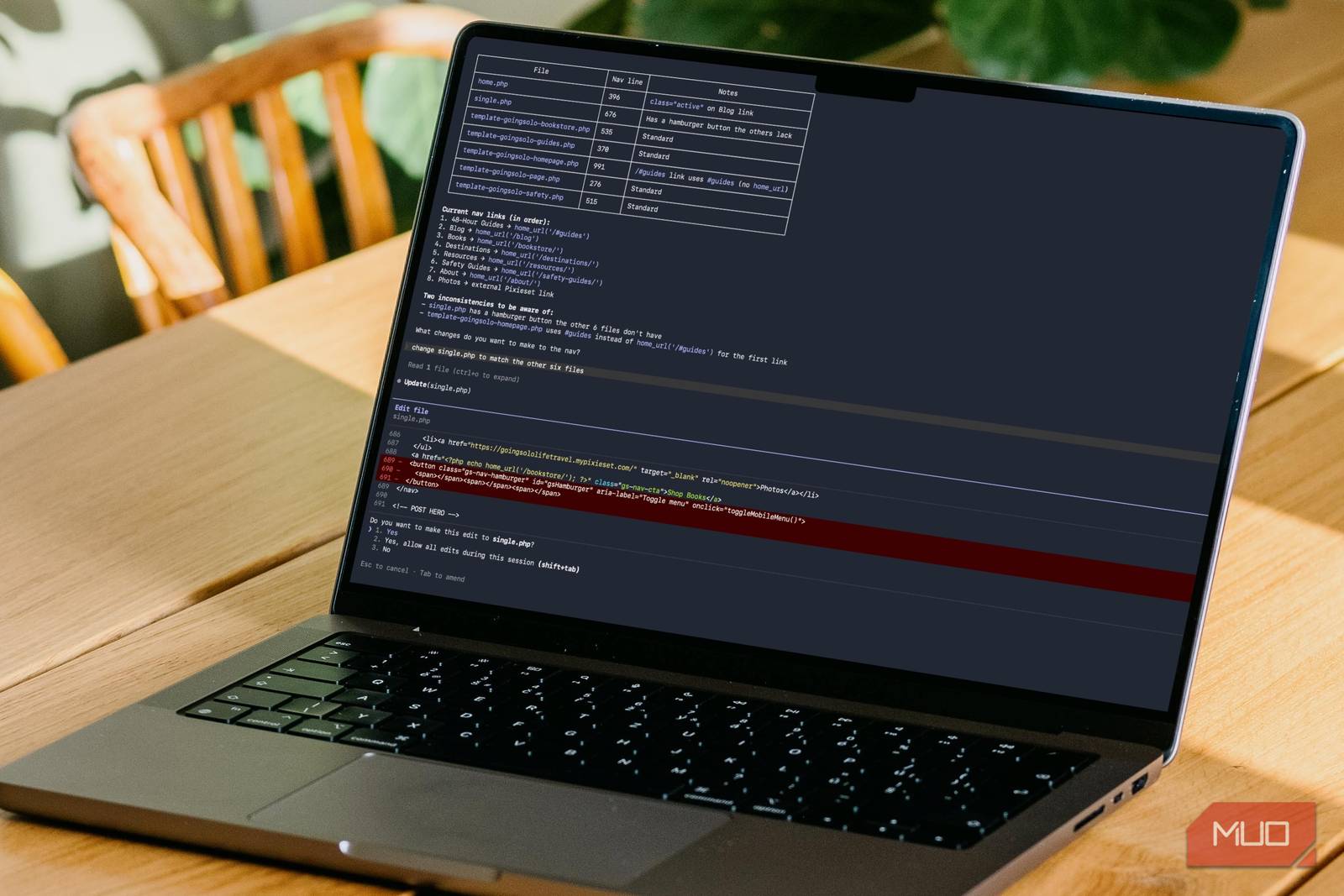
Claude Opus 4.8 has arrived with notable enhancements, showcasing its strengths in areas of proficiency but also revealing some drawbacks in less familiar tasks.
Anthropic’s latest iteration of its flagship AI, Claude, offers intriguing improvements that are essential for businesses leveraging automation in their operations. The model demonstrated exceptional performance in mathematical problem-solving, successfully addressing complex equations that are often challenging for other systems. This capability positions Claude as a valuable asset for organizations that require precise calculations and data analysis.
However, while Claude Opus 4.8 shines in specific areas, it also exhibits limitations that warrant attention. During testing, the system quickly exhausted its token quota with extensive prompts, indicating that users may need to carefully manage interactions to avoid unexpected usage spikes. This aspect could present operational challenges, particularly for companies relying on continuous processing or those utilizing Claude in high-demand environments.
The review conducted by Decrypt raised important questions regarding Claude’s adaptability, suggesting that while it excels at tasks it is specifically designed to handle, its performance may falter in more generalized scenarios. For businesses considering the integration of Claude into their workflows, understanding these nuances is crucial for maximizing the model’s potential while mitigating its weaknesses.
Furthermore, the implications of these findings extend beyond mere functionality. As the landscape of AI tools evolves, organizations must balance the strengths of models like Claude with their inherent limitations. The ability to effectively utilize AI for automation hinges not only on the technology itself but also on how well it aligns with a company’s specific operational requirements.
In the competitive arena of AI development, Anthropic’s focus on refining Claude’s capabilities illustrates a broader trend towards specialization in artificial intelligence. As companies increasingly seek tailored solutions, understanding the distinctions between various AI offerings will become paramount for executives making technology investments.
Strategically, the next 6 to 12 months will likely see a growing emphasis on fine-tuning AI applications to meet specific business needs. Organizations may explore hybrid approaches that combine Claude’s strengths with supplementary technologies to create more robust systems. The challenge will be to ensure that the overall AI architecture remains efficient and cost-effective while addressing the trade-offs that come with reliance on specialized models.
In conclusion, Claude Opus 4.8 presents a promising advancement in AI technology, with notable improvements that can enhance productivity. However, the model’s limitations in certain contexts underscore the importance of a strategic approach when integrating AI into business operations. As companies navigate this evolving landscape, informed decision-making will be essential to harnessing the full potential of AI while minimizing associated risks.
The release of Claude Opus 4.8 brings to the forefront a critical conversation about the role of specialized AI technologies in business operations. As organizations increasingly integrate AI into their workflows, the clear delineation of strengths and weaknesses in systems like Claude becomes essential for decision-makers. The model’s impressive capabilities in mathematical problem-solving underscore its potential for enhancing operational efficiency, particularly in sectors that depend on accurate data processing and analytics. However, the significant token consumption observed during testing raises concerns that executives must consider when evaluating Claude’s fit within their AI strategies.
Moreover, the findings from the review highlight a broader industry trend towards niche AI solutions that can effectively address specific business challenges. Companies are facing mounting pressure to optimize their processes through automation, and while Claude’s advancements signal progress, they also necessitate a thoughtful approach to implementation. Understanding how Claude’s performance varies across different tasks can inform leaders about the potential return on investment and the operational adjustments required to maximize its utility, particularly when high-demand scenarios are involved.
Strategic Outlook: Over the next 6-12 months, organizations will need to refine their AI adoption strategies by aligning the capabilities of tools like Claude with their unique operational needs. As competition intensifies in the AI landscape, the ability to leverage automation effectively will be a key differentiator for businesses. Executives should remain vigilant about monitoring AI developments and preparing their teams for the nuanced demands of integrating such technologies. This proactive approach will be essential for harnessing AI’s full potential while navigating its limitations, ultimately driving better business outcomes in an increasingly automated future.
The introduction of Claude Opus 4.8 could have significant implications for businesses looking to enhance their operational efficiency through automation. With its refined capabilities in specific tasks, organizations may find it an advantageous tool for data-driven decision-making. However, the noted limitations in broader applications suggest that executives must critically assess how Claude fits within their existing workflows. This discerning approach is essential, particularly as companies increasingly invest in AI to streamline processes and increase productivity.
Moreover, the challenges associated with token management raise important considerations for firms relying on continuous AI interactions. As businesses integrate Claude into their systems, they may need to develop strategies to monitor and optimize usage effectively. This aspect is particularly vital for industries where high-demand environments are the norm, as unexpected spikes in token consumption could hinder operational efficiency. Therefore, a comprehensive understanding of Claude’s performance characteristics will be crucial for maximizing its utility while minimizing potential disruptions.
Strategic Outlook: In the coming 6 to 12 months, organizations should anticipate a shift towards more tailored AI solutions as they navigate the complexities of integration. The market may increasingly favor models that not only excel in specialized tasks but also offer flexibility across various applications. As companies engage in a trial-and-error process to identify the most suitable AI tools for their needs, the importance of adaptability and efficiency will become central to their strategic planning. This trend could lead to heightened competition among AI providers, spurring innovation and refinement in product offerings.
Source: decrypt.co.
Related reading: Anthropic Raises Alarm Over Rapid Development of Claude AI, Polymarket Accuses Kalshi of Spying and Idea Theft, and Neurometric AI and LumaDock Join Forces to Revolutionize OpenClaw Inference Costs.
Leave a Reply