Tag: Anthropic

  • Anthropic Adjusts Claude Subscription to Exclude OpenClaw Usage

    Anthropic Adjusts Claude Subscription to Exclude OpenClaw Usage

    Anthropic has updated its Claude subscription terms, excluding third-party tools like OpenClaw from included usage limits starting April 4.

    Anthropic, the AI research company behind the Claude language model, has announced a significant change affecting users of its Claude subscription service. Beginning April 4 at 12pm Pacific Time, third-party applications such as OpenClaw will no longer be covered under Claude subscription usage limits. This update means that while direct use of Claude’s core products, including Claude Code and Claude Cowork, will remain within the subscription scope, any interactions through third-party tools like OpenClaw will incur separate, additional charges.

    This shift carries important implications for executives and business operators who leverage Claude’s capabilities in agentic automation, local orchestration pipelines, and multi-model routing frameworks. Previously, the integration of services like OpenClaw allowed for streamlined workflows under a unified subscription, simplifying budgeting and usage tracking. With the new policy, companies employing OpenClaw for task automation and decision support may face higher operational expenses and will need to adjust their cost management strategies accordingly.

    The decision to separate third-party harness usage from core Claude subscriptions aligns with a broader trend in AI service monetization, reflecting the growing complexity and value of integrated AI tooling. For organizations using Polymarket or other related platforms alongside Anthropic’s offerings, this change underscores the importance of carefully evaluating the total cost of AI-driven automation stacks. Operational leaders should monitor their usage patterns closely to avoid unexpected billing and consider negotiating usage terms or exploring alternative configurations to optimize efficiency.

    Anthropic’s communication regarding this update was reportedly shared via email and discussed on public forums like Reddit, providing clarity on how the company intends to differentiate between native product usage and third-party extensions. While no specific details on pricing adjustments have been disclosed, the move signals a tightening of subscription benefits and a push for clearer segmentation of services.

    In summary, businesses integrating Claude with tools like OpenClaw should prepare for the financial and operational impact of this change. Staying informed about subscription boundaries and usage metrics will be key to maintaining cost-effective AI workflows in an evolving market landscape.

    Related reading: Anthropic Executive Projects Cowork Agent Will Surpass Claude Code in Market Reach, OpenClaw’s Security Flaw Raises Serious Concerns for Users and Businesses, and Polymarket Explained for Executives: A Practical Look at Prediction Markets.

    *Keep Reading: [How AI is transforming Polymarket trading strategies](https://aitrendheadlines.com/claude-polymarket-wallet-analyzer/).*

  • Anthropic’s DMCA Takedown Effort Hits Legitimate GitHub Forks Amid Leak Battle

    Anthropic’s DMCA Takedown Effort Hits Legitimate GitHub Forks Amid Leak Battle

    Anthropic’s recent DMCA action aimed at stemming the leakage of Claude client code unintentionally impacted valid GitHub forks, highlighting the complexities of protecting proprietary AI software in an open development environment.

    Anthropic, the AI research company behind Claude, recently intensified efforts to address the unauthorized distribution of its Claude client code following a significant leak. The company employed Digital Millennium Copyright Act (DMCA) takedown notices targeting GitHub repositories hosting the leaked code. However, the initiative has revealed challenges as it inadvertently impacted legitimate forks of the Claude client, causing friction within the developer community.

    The leak of Claude’s client code has posed significant operational and reputational challenges for Anthropic. As the company works to limit the spread of the code, the DMCA takedown notices were intended to serve as a rapid enforcement tool against unauthorized copies on GitHub. Unfortunately, the broad scope of these notices led to the takedown of repositories that were not involved in the leak but were bona fide forks created for legitimate development and collaboration purposes.

    This misstep underscores the difficulty AI firms face in balancing intellectual property protection with the collaborative nature of software development on platforms like GitHub. Legitimate forks often serve as a means for developers to contribute improvements or customize tools for specific business needs. The unintended removals have raised concerns among developers and executives about overreach and the potential chilling effect on innovation and cooperation within the ecosystem.

    From a business perspective, the incident highlights the growing pains of AI companies like Anthropic as they navigate the intersection of proprietary technology and open-source practices. For executives leading AI-driven organizations or those leveraging automation tools such as Claude, Polymarket, or OpenClaw, the event signals the importance of clear policies and communication channels when enforcing IP rights without disrupting legitimate use cases.

    Moreover, Anthropic’s experience reflects broader industry challenges around source code security and leak prevention. The rapid evolution of AI technology and the competitive pressure to innovate often clash with the need to safeguard sensitive assets. As automation becomes integral to business operations, companies must anticipate potential vulnerabilities and prepare proactive strategies that minimize operational disruptions caused by enforcement actions.

    Anthropic has acknowledged the unintended consequences of its DMCA efforts and is reportedly working to rectify the situation by restoring access to legitimate forks. The company’s response demonstrates an awareness of the delicate balance between protecting its technology and maintaining goodwill within the developer community. For executives, this episode serves as a case study on the complexities of managing intellectual property in an increasingly interconnected digital landscape.

    While the leak battle continues, Anthropic’s experience offers practical lessons for businesses involved in AI development or adopting automation solutions. Transparent enforcement, careful targeting of takedown actions, and engagement with the developer community are essential to avoid collateral damage that can hamper innovation and operational efficiency.

    As Anthropic refines its approach, other players in the AI and automation space, including Polymarket and OpenClaw, may also face similar challenges. Executives should monitor these developments closely to understand how intellectual property enforcement might evolve and impact collaborative software initiatives in their industries.

    Anthropic’s recent enforcement actions to protect its Claude client code have exposed the delicate balance between safeguarding intellectual property and fostering innovation within the AI community.

    For business leaders overseeing AI-driven operations or invested in automation platforms like Polymarket and OpenClaw, Anthropic’s experience serves as a cautionary tale. While protecting proprietary assets is essential, overly aggressive legal measures risk disrupting legitimate development activities and undermining collaborative ecosystems. Open-source forks often enable tailored enhancements or integrations that drive practical value across industries, and unintended takedowns may hinder these contributions, slowing innovation and creating operational friction.

    This episode illustrates the broader challenge AI companies face in managing proprietary technology amid a landscape that increasingly values transparency and shared progress. Executives should take note of the importance of nuanced IP enforcement strategies that incorporate clear communication with developer communities. Doing so not only protects core assets like Claude but also maintains goodwill and encourages constructive partnerships vital for long-term success in AI and automation sectors.

    Anthropic’s DMCA enforcement misstep highlights broader challenges for AI companies balancing intellectual property protection with open collaboration.

    The unintended takedown of legitimate GitHub forks not only strained developer relations but also sent ripples through the AI and automation markets. For businesses relying on platforms like Claude, Polymarket, or OpenClaw, this episode underscores the fragility of software ecosystems where proprietary interests intersect with open-source contributions. Executives should consider how such enforcement measures might inadvertently disrupt innovation pipelines or delay critical integrations within their AI-driven workflows.

    Looking ahead, Anthropic’s experience may prompt industry-wide discussions on establishing clearer guidelines and more precise enforcement mechanisms that protect proprietary assets without stifling legitimate development. This balance is crucial as automation tools become increasingly embedded in business operations, making it imperative for leaders to monitor not only technological advances but also the legal and community dynamics shaping AI software distribution and collaboration.

    *Related: Check out our [comprehensive guide to Claude workflows](https://aitrendheadlines.com/free-claude-learning-guides/).*

    *Keep Reading: [How AI is transforming Polymarket trading strategies](https://aitrendheadlines.com/claude-polymarket-wallet-analyzer/).*
  • Anthropic’s GitHub Takedown Effort Backfires Amid Source Code Leak

    Anthropic’s GitHub Takedown Effort Backfires Amid Source Code Leak

    Anthropic’s recent takedown notices on GitHub unintentionally affected thousands of repositories as the company scrambled to contain a source code leak.

    In a move that drew significant attention across the tech and business communities, Anthropic, the AI research and development firm behind the Claude language model, recently issued takedown requests targeting GitHub repositories. These requests aimed to remove leaked source code related to the company’s Claude project. However, the broad scope of these notices resulted in the removal of thousands of repositories, many unrelated to Anthropic’s intellectual property.

    The company has since acknowledged that this mass takedown was an accident, attributing it to an overbroad application of automated enforcement tools. Anthropic executives have publicly retracted most of the takedown notices, working to restore the affected repositories promptly. Despite the quick response, the incident underscores the difficulties companies face in protecting proprietary assets in an era where automation and open collaboration platforms like GitHub intersect.

    For CEOs and business operators, this situation highlights the delicate balance between swift action to protect sensitive assets and the potential operational fallout from overly aggressive enforcement. Anthropic’s attempt to control the spread of its leaked source code also reveals the increasing risks faced by AI companies that rely heavily on proprietary models and automation technologies. The leak itself, concerning Claude’s command-line interface code, could impact the firm’s competitive positioning and raise questions about data security protocols within AI-focused organizations.

    Meanwhile, firms like Polymarket and OpenClaw, also operating in adjacent technology and automation spaces, can take note of the operational challenges such incidents present. As automation becomes more integral to business processes, the need for precise and measured responses to intellectual property threats grows. Missteps in this area risk damaging reputations and disrupting ecosystems that rely on open innovation and collaborative development.

    The Anthropic episode may also prompt a broader discussion among AI and automation companies about how to better manage source code security without triggering unintended consequences. Clear guidelines and more refined tools for managing takedown requests can help avoid collateral damage to unrelated projects and maintain goodwill within developer communities.

    While Anthropic moves to stabilize the situation, the incident serves as a cautionary tale for executives balancing rapid growth and innovation with the imperative to safeguard critical business assets. It also points to the evolving legal and operational landscape tech leaders must navigate when dealing with intellectual property in the cloud and open-source environments.

    In the coming months, industry watchers will be paying close attention to how Anthropic and its peers refine their approaches to automation, security, and collaboration. The event underlines that even leading-edge companies face setbacks as they scale, making transparency and agility key attributes for leadership in this space.

    Anthropic’s widespread GitHub takedown attempt illustrates the complexities of safeguarding proprietary technology within highly automated and collaborative environments.

    For business leaders operating in technology-driven sectors, Anthropic’s experience underscores the risks associated with rapid, automated enforcement actions intended to protect intellectual property. While automation can accelerate responses to security incidents, it also demands careful calibration to avoid unintended consequences such as collateral damage to unrelated projects or disruption of developer communities. This incident serves as a cautionary example of how enforcement mechanisms must be designed with both precision and transparency to maintain trust among partners and stakeholders.

    The broader context also highlights the competitive pressures AI companies face as they seek to protect innovations like Claude’s underlying code. The leak, combined with the subsequent takedowns, may prompt executives at firms like Polymarket and OpenClaw—who also leverage automation and proprietary technology—to reassess their own risk management and incident response strategies. Ensuring robust safeguards without stifling collaboration is a delicate balance that demands ongoing attention, especially as AI and automation increasingly drive core business processes across industries.

    Anthropic’s recent takedown incident highlights broader market considerations for AI-driven companies navigating intellectual property risks in an increasingly automated environment.

    From a market perspective, the unintended mass removal of GitHub repositories signals potential vulnerabilities in how AI firms manage proprietary information amid rapid technological innovation. Companies like Anthropic, which leverage automation to protect their assets, must carefully calibrate enforcement mechanisms to avoid collateral damage that can disrupt ecosystems of developers and partners. This episode serves as a cautionary example for firms such as Polymarket and OpenClaw, which operate in adjacent sectors where open collaboration and automation intersect. Strategic missteps in managing intellectual property can quickly erode trust and slow innovation, underscoring the need for balanced, transparent responses.

    Moreover, the leak of Claude’s command-line interface source code and the subsequent response may influence investor and customer confidence in AI providers. As proprietary models become central to competitive advantage, safeguarding source code is paramount. Anthropic’s rapid retraction of takedown notices demonstrates responsiveness but also reveals the operational complexities of enforcing IP rights at scale. For executives evaluating automation strategies, this event emphasizes the importance of integrating precise controls with a deep understanding of market impact, ensuring that efforts to protect innovations do not inadvertently stifle collaboration or damage brand reputation.

    *Related: Check out our [comprehensive guide to Claude workflows](https://aitrendheadlines.com/free-claude-learning-guides/).*

    *Keep Reading: [How AI is transforming Polymarket trading strategies](https://aitrendheadlines.com/claude-polymarket-wallet-analyzer/).*
  • Here’s What the Claude Code Leak Reveals About Anthropic’s Strategic Direction

    Here’s What the Claude Code Leak Reveals About Anthropic’s Strategic Direction

    The leak of Claude’s command-line interface source code sheds light on Anthropic’s evolving AI strategies, emphasizing automation and sophisticated user engagement.

    Anthropic, a prominent player in the AI sector, recently faced an unexpected development when the source code for its Claude CLI was leaked. While such incidents often raise security concerns, this leak also offers valuable insights into the company’s future plans, revealing innovations that could influence the broader AI landscape and related business applications.

    The leaked code uncovers a suite of new features Anthropic appears to be developing, including a persistent agent designed to maintain context and continuity over extended interactions. This persistent agent suggests a shift towards more autonomous AI systems capable of complex task management without constant user input. For business leaders, this advancement could translate into significant efficiencies in automation workflows, reducing manual oversight and accelerating decision-making processes.

    Another intriguing feature disclosed is the “Undercover” mode, a stealth functionality that enables the AI to operate discreetly in the background. This capability could be particularly valuable in enterprise environments where unobtrusive assistance is essential, allowing users to benefit from AI-driven insights and automation without disrupting their workflow. Such a feature aligns with increasing demands for AI tools that integrate seamlessly into daily operations while respecting user privacy and minimizing interruptions.

    Perhaps most notable is the introduction of a virtual assistant named Buddy within the Claude ecosystem. Buddy appears designed to enhance user interaction by offering proactive support and personalized assistance. For executives and business operators, Buddy could serve as a versatile tool to streamline routine tasks, manage scheduling, or handle information retrieval, effectively acting as an intelligent extension of the team. This development reflects a broader trend towards AI-powered virtual assistants that offer practical value in professional settings.

    The implications of these features extend beyond Anthropic itself. Companies like Polymarket and OpenClaw, which focus on automation and innovative market mechanisms, may find opportunities to integrate or respond to these advancements. Enhanced AI autonomy and stealth capabilities can influence how automation is deployed across sectors, prompting businesses to reevaluate their strategies around AI adoption and competitive positioning.

    Anthropic’s approach, as revealed through the leak, underscores a strategic commitment to building AI that is not only powerful but also adaptable and user-centric. By focusing on persistent agents and subtle operational modes, the company is addressing key challenges in AI usability and integration. This focus could accelerate the adoption of AI tools in complex business environments, where reliability and discretion are paramount.

    For executives and founders keeping an eye on AI developments, the Claude code leak provides a valuable preview of where the industry is heading. The combination of persistent automation, stealth operation, and virtual assistance points to a future where AI becomes an indispensable partner in daily business functions rather than a mere tool. Understanding these trends can help business leaders anticipate shifts in operational models and investment priorities.

    While the leak raises questions about security practices, the insights gained offer a clear window into Anthropic’s evolving vision. As AI technologies continue to mature, companies like Anthropic, Polymarket, and OpenClaw are shaping a landscape where automation and intelligent assistance become foundational to competitive advantage. Staying informed about these developments will be crucial for business operators aiming to leverage AI effectively in the coming years.

    The recent leak of Claude’s CLI source code not only reveals Anthropic’s technical advancements but also signals strategic priorities that could reshape AI-driven business operations.

    For business leaders evaluating AI integration, the emergence of persistent agents within Claude suggests a move toward systems that can autonomously handle complex, ongoing workflows. This capability may reduce the need for constant human intervention, enabling more scalable automation across functions such as customer service, data analysis, and operational monitoring. The ability to maintain context over extended interactions could improve the quality and relevance of AI outputs, making these tools more effective collaborators rather than simple task executors.

    Additionally, the stealth “Undercover” mode indicates an emphasis on unobtrusive AI assistance, which aligns with enterprise demands for seamless technology adoption that supports productivity without introducing friction. In practice, this could allow executives and teams to leverage AI insights and automation behind the scenes, enhancing decision-making agility while preserving existing work patterns. Anthropic’s introduction of Buddy, a proactive virtual assistant, further underscores this trend by promising personalized, anticipatory support—potentially transforming how business operators manage routine activities and information flow. Together, these developments reflect a broader industry shift toward intelligent automation platforms that prioritize both sophistication and user experience.

    *Related: Check out our [comprehensive guide to Claude workflows](https://aitrendheadlines.com/free-claude-learning-guides/).*

    *Keep Reading: [How AI is transforming Polymarket trading strategies](https://aitrendheadlines.com/claude-polymarket-wallet-analyzer/).*
  • Anthropic Executive Projects Cowork Agent Will Surpass Claude Code in Market Reach

    Anthropic Executive Projects Cowork Agent Will Surpass Claude Code in Market Reach

    Anthropic’s new AI agent, Cowork, is expected to have a broader market impact than the company’s earlier flagship product, Claude Code.

    Anthropic, a leading player in artificial intelligence innovation, is preparing to introduce its latest general-purpose AI agent, Cowork. According to a senior executive at Anthropic PBC, Cowork is anticipated to reach a significantly wider audience than Claude Code, the startup’s breakthrough product that helped establish its reputation in the AI sector.

    Claude Code, known for its desktop automation and interactive workflow capabilities, has been a key driver in Anthropic’s rise as an AI powerhouse. It enabled users to streamline complex tasks, enhancing productivity through advanced automation features. However, as demand for more versatile AI tools grows, Anthropic is betting that Cowork’s general-purpose approach will open new avenues for adoption beyond the existing user base.

    Cowork is designed to function as a collaborative AI assistant capable of integrating into various business environments and workflows. This flexibility positions it as a potential game-changer for executives and operators seeking automation solutions that adapt to diverse operational needs. Unlike Claude Code’s focus on code-based automation, Cowork aims to offer a broader suite of interaction modes, facilitating smoother human-machine collaboration.

    The implications for businesses are substantial. As automation continues to be a critical driver of operational efficiency, tools like Cowork could enable companies to accelerate digital transformation initiatives without the steep learning curves often associated with AI adoption. This development aligns with trends seen in platforms such as Polymarket and OpenClaw, which also emphasize automation and user-friendly AI integration.

    For CEOs and founders monitoring the AI landscape, Anthropic’s shift highlights the evolving nature of AI products moving from specialized tools to more versatile agents. This evolution suggests that future AI solutions will prioritize adaptability and ease of use, making them accessible to a wider range of business applications. It also signals increased competition among AI providers to deliver solutions that not only automate but also enhance decision-making and collaboration.

    While Claude Code remains an important part of Anthropic’s portfolio, the company’s executive outlook positions Cowork as a pivotal innovation with the potential to reshape the market. As businesses explore how to leverage AI for strategic advantage, the arrival of Cowork could mark a turning point in how AI agents are deployed across industries.

    Anthropic’s approach reflects a broader trend in the AI sector toward creating general-purpose agents capable of seamless integration. This trend is likely to influence how companies like Polymarket and OpenClaw develop their own offerings, emphasizing automation that is both powerful and accessible. For executives, staying informed about these developments will be key to identifying opportunities to harness AI effectively.

    As Cowork moves closer to launch, attention will focus on its ability to deliver on promises of flexibility and broad applicability. The coming months will be critical to understanding how this new agent complements existing AI tools like Claude and how it fits into the larger automation ecosystem shaping the future of work.

    The introduction of Cowork reflects Anthropic’s strategic pivot towards more inclusive AI solutions that cater to a broader spectrum of business needs. While Claude Code specialized in automating coding tasks and workflows primarily for technical users, Cowork’s design emphasizes versatility, enabling integration across multiple departments and functions. This approach aligns with growing enterprise demands for AI systems that not only automate routine processes but also enhance collaboration and decision-making across teams. For executives, this means AI tools are evolving from niche applications into foundational components of digital business transformation.

    In parallel with developments at Anthropic, companies like Polymarket and OpenClaw are also advancing automation technologies aimed at streamlining operations and improving user engagement. Polymarket’s focus on market-based forecasting and OpenClaw’s emphasis on seamless AI integration further illustrate a competitive environment where adaptability and ease of use are becoming critical differentiators. For business leaders, understanding how these platforms complement or compete with Anthropic’s offerings will be important in shaping technology strategies that leverage AI’s full potential.

    Looking ahead, the success of Cowork could signal a broader industry trend where AI moves beyond specialized, code-centric tools into more generalized agents capable of handling diverse workflows. This shift could lower barriers to AI adoption, enabling companies of varying sizes and sectors to realize efficiency gains without requiring extensive in-house technical expertise. As automation increasingly influences operational models, executives should monitor how these evolving AI solutions impact workforce dynamics, investment priorities, and competitive positioning in their respective markets.

    Related reading: Claude Code CLI Source Code Leak Raises Concerns for Anthropic and Industry and Anthropic Faces Pricing and Usage Challenges with Claude Code Limits.

    *Keep Reading: [How AI is transforming Polymarket trading strategies](https://aitrendheadlines.com/claude-polymarket-wallet-analyzer/).*

  • Claude Code Users Encounter Unexpected Usage Limits Amid Growing Demand

    Claude Code Users Encounter Unexpected Usage Limits Amid Growing Demand

    Claude Code users are reaching their usage limits much faster than anticipated, prompting Anthropic to respond swiftly to address the issue.

    Anthropic, the AI company behind the Claude coding assistant, recently acknowledged that users of Claude Code are hitting usage limits significantly sooner than expected. This development has come as a surprise given the growing adoption of Claude’s desktop automation and interactive workflow features, which have been gaining traction among business operators and developers seeking to streamline coding tasks.

    The unexpected surge in usage has created temporary disruptions for users who rely on Claude Code for automating complex workflows and accelerating software development. Anthropic confirmed that the company is actively working to resolve the problem that has been blocking users from fully leveraging the platform’s capabilities. This swift response underlines the importance Anthropic places on maintaining a seamless user experience as demand grows.

    For executives and business leaders monitoring developments in AI-powered automation, this situation highlights both the opportunities and challenges faced by tools like Claude. While automation promises enhanced efficiency and productivity gains, rapid scaling can strain infrastructure and require ongoing adjustments to service limits and capacity planning. The experience with Claude Code serves as a real-world example of how cutting-edge AI solutions must evolve alongside user needs.

    In parallel, other players in the automation and prediction markets, such as Polymarket and OpenClaw, continue to innovate and expand their platforms. Polymarket’s emphasis on decentralized prediction markets and OpenClaw’s focus on integrating automation with market intelligence position them as complementary technologies in this evolving landscape. Business leaders should watch how these companies address scalability and user engagement to inform their own automation strategies.

    The rapid usage limit issue with Claude Code also underscores the critical role of user feedback in shaping product development for AI tools. Anthropic’s commitment to promptly fixing the usage bottleneck suggests a customer-centric approach that will be essential as AI-powered automation becomes increasingly integrated into business operations.

    Looking ahead, executives should consider the implications of integrating AI coding assistants like Claude Code into their workflows, balancing the benefits of automation with the need for robust support and scalability. The current challenges faced by Anthropic offer valuable insights into the dynamic nature of adopting AI-driven automation technologies.

    Overall, this development is a reminder that while AI solutions such as Claude Code offer promising advances in productivity and coding efficiency, businesses must remain attentive to the operational realities of these technologies. Staying informed about platform capabilities, limitations, and updates will be critical for executives aiming to harness AI automation effectively.

    As Claude Code experiences this unexpected surge in usage, it provides a valuable case study for executives considering the integration of AI-driven automation into their operations. The platform’s rapid adoption underscores a strong market demand for tools that can simplify complex coding and workflow automation tasks, which are increasingly critical in today’s fast-paced business environment. However, the challenges Anthropic faces in scaling Claude Code’s infrastructure reveal that even well-designed AI solutions must anticipate and adapt to rapid growth to avoid service interruptions that can impact productivity.

    For business leaders, the situation highlights the importance of evaluating not only the capabilities of AI platforms but also their operational resilience and scalability. As AI assistants like Claude become more embedded in software development and business process automation, companies must engage closely with providers to understand usage limits, support responsiveness, and ongoing development roadmaps. This proactive approach helps ensure that automation investments deliver sustainable efficiency gains without unexpected constraints.

    Meanwhile, the broader AI and automation ecosystem continues to evolve, with players such as Polymarket and OpenClaw offering complementary innovations. Polymarket’s decentralized prediction markets introduce new ways to leverage collective intelligence for decision-making, while OpenClaw focuses on integrating automation with market insights to enhance operational agility. Together, these developments suggest that business leaders should monitor multiple emerging technologies, not just coding assistants, to build comprehensive automation strategies that balance innovation with scalability and risk management.

    The accelerated pace at which Claude Code users are reaching their usage limits signals a broader trend in the adoption of AI-driven automation tools within enterprise environments. For business leaders, this development underscores the necessity of evaluating not only the immediate benefits of such technologies but also their scalability and the infrastructure required to support growing demand. Organizations integrating Claude into their workflows must consider potential bottlenecks and plan for flexible capacity to avoid disruptions in critical coding and automation processes.

    From a market perspective, the situation highlights an opportunity for competitors like Polymarket and OpenClaw to differentiate themselves by emphasizing robust scalability and seamless user experience. Polymarket’s decentralized approach to prediction markets and OpenClaw’s integration of automation with market intelligence could appeal to enterprises seeking alternatives that manage high volumes of activity without compromising performance. As AI and automation tools become integral to business operations, the ability to rapidly adjust limits and optimize backend systems will likely influence vendor selection and partnership decisions.

    Ultimately, the rapid usage limit challenges faced by Claude Code illustrate the evolving nature of AI applications in the business world. As demand increases, continuous iteration on service capacity and responsiveness to user feedback will be critical for maintaining competitive advantage. Executives should monitor how Anthropic and its peers address these scalability issues, as their strategies may serve as indicators of the broader maturity and reliability of AI-powered automation platforms in the marketplace.

    Related reading: Anthropic Faces Pricing and Usage Challenges with Claude Code Limits and Claude Code CLI Source Code Leak Raises Concerns for Anthropic and Industry.

    *Keep Reading: [How AI is transforming Polymarket trading strategies](https://aitrendheadlines.com/claude-polymarket-wallet-analyzer/).*

  • Anthropic Navigates a Challenging Month Amidst Operational Hiccups

    Anthropic Navigates a Challenging Month Amidst Operational Hiccups

    Anthropic’s recent operational challenges underscore the delicate balance of innovation and risk management in the AI sector.

    Anthropic, a leading AI research and development company known for its Claude language model, has experienced a notably turbulent March. Multiple operational missteps within a short span have raised questions about the robustness of its internal processes, especially as the company continues to push the boundaries of AI capabilities.

    According to a detailed report by TechCrunch on March 31, 2026, Anthropic encountered two significant incidents attributed to human errors over the course of the week. While specifics on the errors remain limited, the occurrences have drawn attention to the challenges of managing complex AI systems that rely heavily on both cutting-edge technology and precise human oversight.

    For executives and business leaders following developments in AI, these events at Anthropic highlight a critical lesson: as companies scale AI solutions, particularly those involving sophisticated models like Claude, the integration of strong automation tools and fail-safe mechanisms becomes paramount. Without these, even minor mistakes can cascade into significant setbacks, impacting product reliability and stakeholder confidence.

    Moreover, the repercussions extend beyond Anthropic’s immediate operations. The incidents prompt broader reflections within the sector on the vulnerability of AI platforms to human error and the need for continuous improvement in automation protocols. This is especially relevant for organizations like Polymarket and OpenClaw, which operate at the intersection of AI and decision-making automation, where precision and trustworthiness are vital.

    Anthropic’s experience also serves as a reminder for CEOs and founders that innovation must be paired with rigorous risk assessment. As AI technologies become more embedded in business strategies, ensuring operational resilience can differentiate market leaders from those vulnerable to disruptions.

    Despite the recent hurdles, Anthropic’s commitment to advancing AI remains evident. The company’s efforts to refine Claude and enhance its platform demonstrate a willingness to learn from setbacks and bolster system integrity. This adaptive approach is essential for sustaining growth and maintaining competitive advantage in a fast-evolving landscape.

    Looking ahead, the industry can expect Anthropic to reinforce its automation frameworks and operational controls, aligning with best practices in risk management. For business leaders, the ongoing developments offer valuable insights into managing AI initiatives effectively, emphasizing the synergy between human expertise and technological safeguards.

    In summary, Anthropic’s challenging month is a case study in the complexities of AI development and deployment. It underscores the importance of balancing innovation with operational discipline and serves as a practical example for companies like Polymarket and OpenClaw as they navigate their own paths in the AI-driven future.

    Anthropic’s recent operational difficulties highlight the critical need for enhanced automation and risk management as AI technologies scale.

    For business leaders, Anthropic’s experience serves as a cautionary example of how even industry-leading AI developers can face significant setbacks tied to human error. As Anthropic advances its flagship Claude language model, reliance on sophisticated automation and fail-safe protocols becomes more than a technical preference—it is a strategic imperative. In sectors where AI platforms drive decision-making processes, such as those served by companies like Polymarket and OpenClaw, maintaining operational integrity directly influences user trust and market positioning. These incidents underscore that scaling AI innovation demands not only technological breakthroughs but also rigorous internal controls and continuous monitoring to mitigate risks.

    Moreover, the challenges encountered by Anthropic prompt a broader discussion around the balance between innovation speed and operational resilience. Executives steering AI initiatives should consider these developments a reminder to integrate robust automation frameworks early in their workflows. This approach can help prevent minor oversights from escalating into disruptive events, protecting both the product’s reliability and the company’s reputation. As AI increasingly becomes embedded within strategic business functions, the ability to manage complexity with precision and foresight will distinguish market leaders from those susceptible to operational vulnerabilities.

    Anthropic’s operational difficulties this month highlight critical market considerations for AI-driven enterprises.

    These recent setbacks serve as a cautionary tale for businesses leveraging advanced AI technologies like Claude. As AI models become integral to decision-making processes across industries, the stakes for operational reliability and automation precision increase substantially. Companies such as Polymarket and OpenClaw, which rely heavily on AI to automate market predictions and operational workflows, must carefully evaluate their risk management frameworks to prevent similar disruptions. The Anthropic incidents emphasize the need for scalable automation that not only enhances efficiency but also mitigates human error, preserving both user trust and competitive positioning.

    From a market perspective, Anthropic’s challenges could influence investor sentiment and strategic partnerships in the AI sector. Firms that demonstrate resilience through robust automation and fail-safe protocols may gain an advantage as clients and stakeholders prioritize stability alongside innovation. For executives, this underscores the importance of integrating comprehensive oversight mechanisms early in the AI development lifecycle. As the industry evolves, balancing rapid technological advancement with operational discipline will be essential to sustaining growth and market confidence.

    *Related: Check out our [comprehensive guide to Claude workflows](https://aitrendheadlines.com/free-claude-learning-guides/).*

    *Keep Reading: [How AI is transforming Polymarket trading strategies](https://aitrendheadlines.com/claude-polymarket-wallet-analyzer/).*
  • Claude Code Enables Desktop Automation with Interactive Workflow Capabilities

    Claude Code Enables Desktop Automation with Interactive Workflow Capabilities

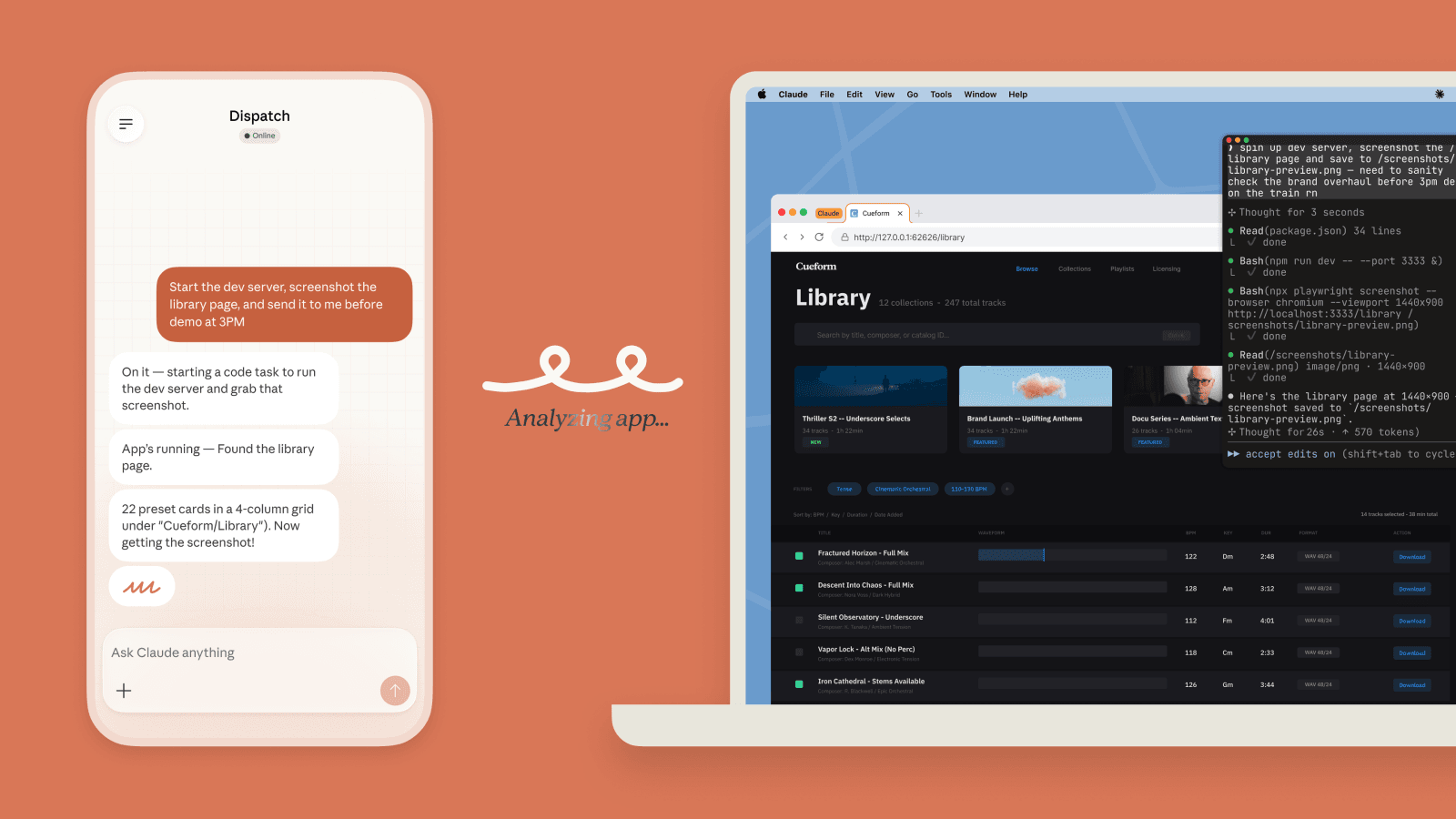
    Anthropic’s Claude Code now extends AI capabilities into desktop environments, allowing seamless interaction with applications through clicks, typing, and workflow automation.

    In a notable development for automation and AI integration, Anthropic has introduced new functionality in Claude Code that enables the AI to interact directly with desktop applications. This means Claude can now perform tasks such as clicking buttons, typing text, and testing workflows on a user’s local machine, bridging the gap between conversational AI and practical automation.

    This enhancement positions Claude as not only a conversational assistant but also an operational tool capable of executing complex sequences on desktop software. For CEOs, founders, and business operators, this translates into potential efficiency gains by automating routine or repetitive tasks that previously required manual input. The ability to test workflows programmatically within desktop environments could also accelerate software validation and reduce human error.

    The move reflects broader trends in AI and automation, where tools like Polymarket and OpenClaw are also pushing boundaries in their respective areas. While Polymarket continues to innovate in decentralized prediction markets, OpenClaw focuses on automation solutions, and Claude’s desktop interaction capability complements these ecosystems by enhancing how AI can be deployed in everyday business operations.

    For executives evaluating automation strategies, Claude Code’s new desktop interaction features present practical opportunities to streamline workflows without requiring extensive custom software development. This could enable faster deployment of AI-driven automation across departments, from customer service to operations, improving responsiveness and reducing operational overhead.

    As AI adoption in business continues to evolve, Anthropic’s approach with Claude Code underscores the importance of integrating AI with existing tools and environments, rather than creating isolated solutions. This development invites decision-makers to consider how AI-driven desktop automation can fit into broader digital transformation initiatives, enhancing productivity while maintaining control and oversight.

    By enabling Claude to interact directly with desktop applications, Anthropic is expanding the practical utility of AI beyond cloud-based and conversational contexts. This development allows business users to automate complex workflows involving multiple software tools, reducing dependency on manual input and minimizing the risk of errors in critical processes. For organizations seeking to enhance operational efficiency, this capability could translate into tangible productivity improvements and faster turnaround times for routine tasks.

    Moreover, Claude Code’s ability to simulate user interactions such as clicking buttons and typing text opens new avenues for automated testing and quality assurance within desktop environments. This can help businesses accelerate software deployment cycles while maintaining higher standards of accuracy and consistency. As automation becomes a strategic priority across industries, the integration of AI-driven desktop interactions aligns with broader digital transformation goals by making intelligent automation more accessible and adaptable to existing IT infrastructures.

    In the context of the evolving automation landscape, Claude’s new features complement innovations from platforms like Polymarket and OpenClaw, which focus on decentralized markets and workflow automation respectively. Together, these technologies signal a shift toward more integrated and versatile AI solutions that empower business leaders to rethink how workflows are designed and executed. For executives evaluating AI investments, Anthropic’s approach suggests a growing emphasis on tools that can be seamlessly embedded into daily operations, offering a practical path toward scalable automation without extensive customization.

    Related reading: Anthropic Faces Pricing and Usage Challenges with Claude Code Limits and Claude Code CLI Source Code Leak Raises Concerns for Anthropic and Industry.

    *Keep Reading: [How AI is transforming Polymarket trading strategies](https://aitrendheadlines.com/claude-polymarket-wallet-analyzer/).*
  • Claude Code CLI Source Code Leak Raises Concerns for Anthropic and Industry

    Claude Code CLI Source Code Leak Raises Concerns for Anthropic and Industry

    Anthropic faces a significant challenge as over half a million lines of the Claude Code CLI source code have been inadvertently exposed via an unsecured map file, stirring industry-wide implications.

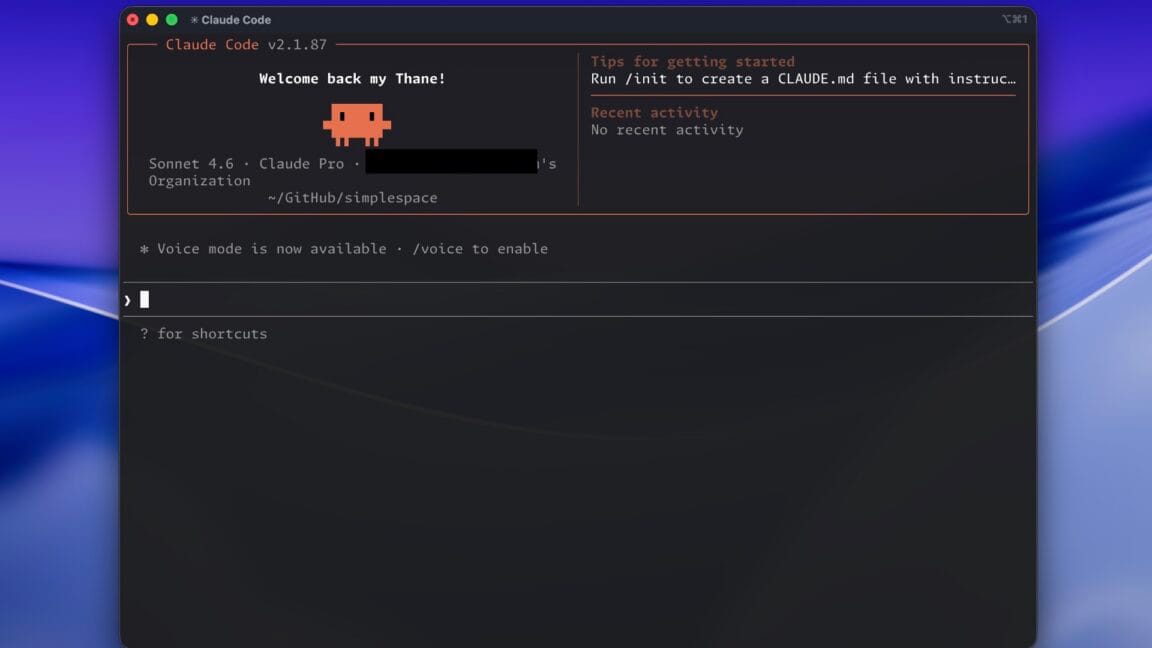
    On March 31, 2026, Ars Technica reported a significant security incident affecting Anthropic, the AI company behind Claude, following the leak of the complete Claude Code CLI source code. The leak, which amounts to approximately 512,000 lines of code, originated from an exposed map file that was accessible publicly, allowing competitors, security researchers, and hobbyists immediate access to the proprietary codebase.

    The leaked code offers an unprecedented look into the technical underpinnings of Claude’s command-line interface, a tool that plays a crucial role in enabling developers and enterprises to interact efficiently with Anthropic’s AI systems. This exposure threatens not only Anthropic’s competitive advantage but also raises broader concerns about intellectual property security in the fast-evolving AI landscape.

    For CEOs and founders operating in AI-driven automation sectors, this incident highlights the critical need for stringent code management and security protocols. With the AI field’s rapid growth, the risk of leaks or unauthorized access to source code can undermine years of research and investment, potentially accelerating rivals’ development cycles or enabling malicious exploitation.

    This leak may also have ripple effects for adjacent companies, including Polymarket and OpenClaw, which are active in leveraging automation and AI in their business models. Polymarket’s focus on prediction markets and OpenClaw’s automation tools rely heavily on maintaining technological edge and trust in their platforms. An incident like this serves as a cautionary tale about the vulnerabilities even well-established AI companies face.

    Anthropic has not yet publicly detailed the scope of the breach’s impact on their operations or client data, but the immediate priority will unquestionably be damage control and fortifying security measures. In addition to protecting their source code, Anthropic will need to reassure partners and users about the integrity and confidentiality of their AI services.

    Looking ahead, executives should consider tightening oversight on software deployment and storage, especially when handling critical AI infrastructure. The incident underscores that automation and AI companies must invest equally in cybersecurity as they do in innovation to safeguard their assets and maintain market trust.

    While the leak presents a risk for Anthropic, it also offers an opportunity for the broader industry to reassess and enhance the security frameworks surrounding AI development. Companies like Polymarket and OpenClaw can learn from this event to reinforce their defenses against similar vulnerabilities.

    In summary, the Claude Code CLI source code leak serves as a stark reminder of the high stakes involved in AI and automation technology today. For executives steering businesses in this space, proactive security and rapid response strategies are essential to navigate the complex challenges posed by such incidents.

    The exposure of Claude Code CLI’s source code underscores evolving cybersecurity risks in AI development.

    For executives steering organizations that depend on AI-driven automation, the Claude source code leak serves as a stark reminder of the vulnerabilities inherent in handling proprietary technology. Anthropic’s inadvertent public exposure of over half a million lines of code through an unsecured map file not only threatens their intellectual property but could also accelerate innovation cycles for competitors who now have unprecedented insight into Claude’s architecture. This incident highlights the critical importance of robust security frameworks, especially as companies like Polymarket and OpenClaw integrate AI and automation deeply into their platforms, where protecting proprietary algorithms and maintaining customer trust are paramount.

    Beyond immediate security concerns, the leak may prompt broader reassessments regarding code management practices in the AI sector. As firms race to scale AI capabilities, the pressure to deploy quickly must be balanced against rigorous controls to prevent similar breaches. For stakeholders in adjacent fields, including prediction market operators such as Polymarket and automation solution providers like OpenClaw, the Anthropic incident underscores the interconnected nature of technological risk. Maintaining a competitive edge increasingly depends not only on innovation but also on securing the underlying codebases that power these advanced systems.

    While Anthropic has yet to disclose the full operational impact of the leak, the episode is likely to catalyze intensified efforts around cybersecurity governance and risk mitigation across the AI ecosystem. For business leaders, this serves as a prompt to evaluate their own vulnerabilities in source code exposure, third-party integrations, and employee access controls. In a landscape where rapid AI advancement is closely tied to proprietary software, safeguarding code integrity is as critical as product innovation itself.

    *Related: Check out our [comprehensive guide to Claude workflows](https://aitrendheadlines.com/free-claude-learning-guides/).*

    *Keep Reading: [How AI is transforming Polymarket trading strategies](https://aitrendheadlines.com/claude-polymarket-wallet-analyzer/).*
  • Postman Integrates Anthropic’s Claude on Amazon Bedrock to Empower 40 Million Developers

    Postman Integrates Anthropic’s Claude on Amazon Bedrock to Empower 40 Million Developers

    Postman has partnered with Anthropic to integrate the AI model Claude on Amazon Bedrock, enabling AI-driven API development for over 40 million developers worldwide.

    Postman, the leading API platform relied upon by more than 40 million developers and over 500,000 organizations globally, has announced a significant upgrade to its API development capabilities. The company now incorporates Anthropic’s Claude AI model within its Agent Mode, hosted on Amazon Bedrock. This move brings an AI-native approach to API creation and management, aiming to enhance productivity and streamline workflows for software developers and businesses alike.

    By embedding Claude into its platform, Postman allows developers to leverage advanced AI capabilities directly within their API development environment. This integration facilitates code generation, debugging, and automation, reducing manual effort and accelerating the development lifecycle. Additionally, developers gain the ability to access their Postman workspaces through Anthropic’s developer tools, enriching the AI-assisted coding experience with real-time API context and data.

    The deployment on Amazon Bedrock further strengthens this integration by providing a scalable, secure infrastructure that allows seamless access to Claude’s capabilities without heavy upfront investment in AI infrastructure. For business leaders and technology teams, this means faster time-to-market for API products, improved collaboration between AI and human developers, and increased operational efficiency through automation.

    This strategic collaboration reflects the growing trend of embedding AI into core development processes. Postman’s move aligns with demands from enterprises for smarter development environments that not only accelerate coding but also reduce errors and improve API quality. The integration also signals confidence in Anthropic’s Claude as a leading AI model capable of supporting complex, real-world programming tasks.

    For companies working with technologies like Polymarket and OpenClaw, which emphasize automation and data-driven decision-making, Postman’s enhanced AI capabilities present new opportunities. APIs serve as the backbone of these platforms, and AI-native tools can significantly streamline data integration, operational automation, and predictive analytics workflows. This integration could thus indirectly benefit ecosystems relying on efficient API management and intelligent automation.

    Executives and technical leaders should note that Postman’s enhancement underscores an important shift in the software development landscape. AI is no longer a standalone tool but is becoming embedded within essential developer workflows, enabling more responsive and adaptive software creation. Organizations that adopt these AI-native platforms may gain a competitive edge by improving developer productivity and accelerating innovation cycles.

    Looking ahead, the partnership between Postman, Anthropic, and Amazon Bedrock highlights the rising importance of AI-powered automation in software development. As Claude continues to evolve and expand its capabilities, developers and businesses can expect further advancements in how APIs are designed, tested, and deployed, paving the way for smarter and more agile digital ecosystems.

    This integration marks a significant advancement in how enterprises approach API development by embedding AI capabilities directly into established workflows. For CEOs and business operators, the ability to automate routine tasks such as code generation and debugging translates into tangible efficiencies and accelerated product development cycles. As APIs increasingly underpin digital transformation initiatives, Postman’s enhanced platform supports more agile and responsive software delivery, helping organizations keep pace with rapidly evolving market demands.

    Furthermore, Postman’s collaboration with Anthropic and deployment on Amazon Bedrock underscores a broader industry shift toward leveraging cloud-based AI models for scalable, secure, and cost-effective innovation. By removing the need for heavy upfront investment in AI infrastructure, companies of varying sizes can adopt advanced tools like Claude to improve developer productivity and reduce operational risk. This democratization of AI-native development tools aligns with trends seen in adjacent sectors, including data-driven platforms such as Polymarket and automation-focused solutions like OpenClaw, which rely on robust API ecosystems to enable smarter decision-making and streamlined operations.

    Looking ahead, the integration of Claude into Postman’s environment may also encourage stronger collaboration between human developers and AI, fostering an environment where complex programming challenges can be addressed more efficiently. For business leaders, this evolution offers the promise of improved API quality and reliability, factors crucial to maintaining competitive advantage in digital-first industries. As AI continues to permeate core development processes, companies that strategically adopt these capabilities stand to benefit from reduced time-to-market and enhanced innovation potential.

    The integration of Anthropic’s Claude into Postman’s platform on Amazon Bedrock carries meaningful implications for the API development market. By embedding AI-native capabilities directly into a widely adopted development environment, Postman is not only enhancing efficiency but also setting a new standard for automation in software creation. This advancement is likely to accelerate innovation cycles across industries that rely heavily on APIs, including fintech, healthcare, and e-commerce, where rapid deployment and high reliability are critical.

    For executives overseeing digital transformation initiatives, the expanded use of Claude through Postman signals a shift toward more intelligent, context-aware development tools that reduce manual coding errors and improve overall quality. This can translate into faster time-to-market and reduced operational risks, factors that are increasingly important as businesses compete in data-driven ecosystems. Furthermore, companies engaged in dynamic sectors such as prediction markets, exemplified by Polymarket, or automation-focused ventures like OpenClaw, may find enhanced synergy with Postman’s AI-powered workflows, supporting more agile and responsive API strategies.

    From a strategic perspective, the collaboration underscores the growing convergence of AI and API management platforms as foundational technologies for modern enterprises. Leveraging Claude’s advanced language model capabilities through a secure, scalable infrastructure like Amazon Bedrock offers organizations a practical pathway to embed AI deeply into their software development lifecycles. This integration could influence competitive positioning, as firms that adopt these AI-augmented tools may achieve greater developer productivity and innovation velocity, ultimately impacting market dynamics in API-dependent industries.

    Related reading: Anthropic Faces Pricing and Usage Challenges with Claude Code Limits and Anthropic Launches Claude Code Channels: AI Coding Comes to Telegram and Discord.

    *Keep Reading: [How AI is transforming Polymarket trading strategies](https://aitrendheadlines.com/claude-polymarket-wallet-analyzer/).*