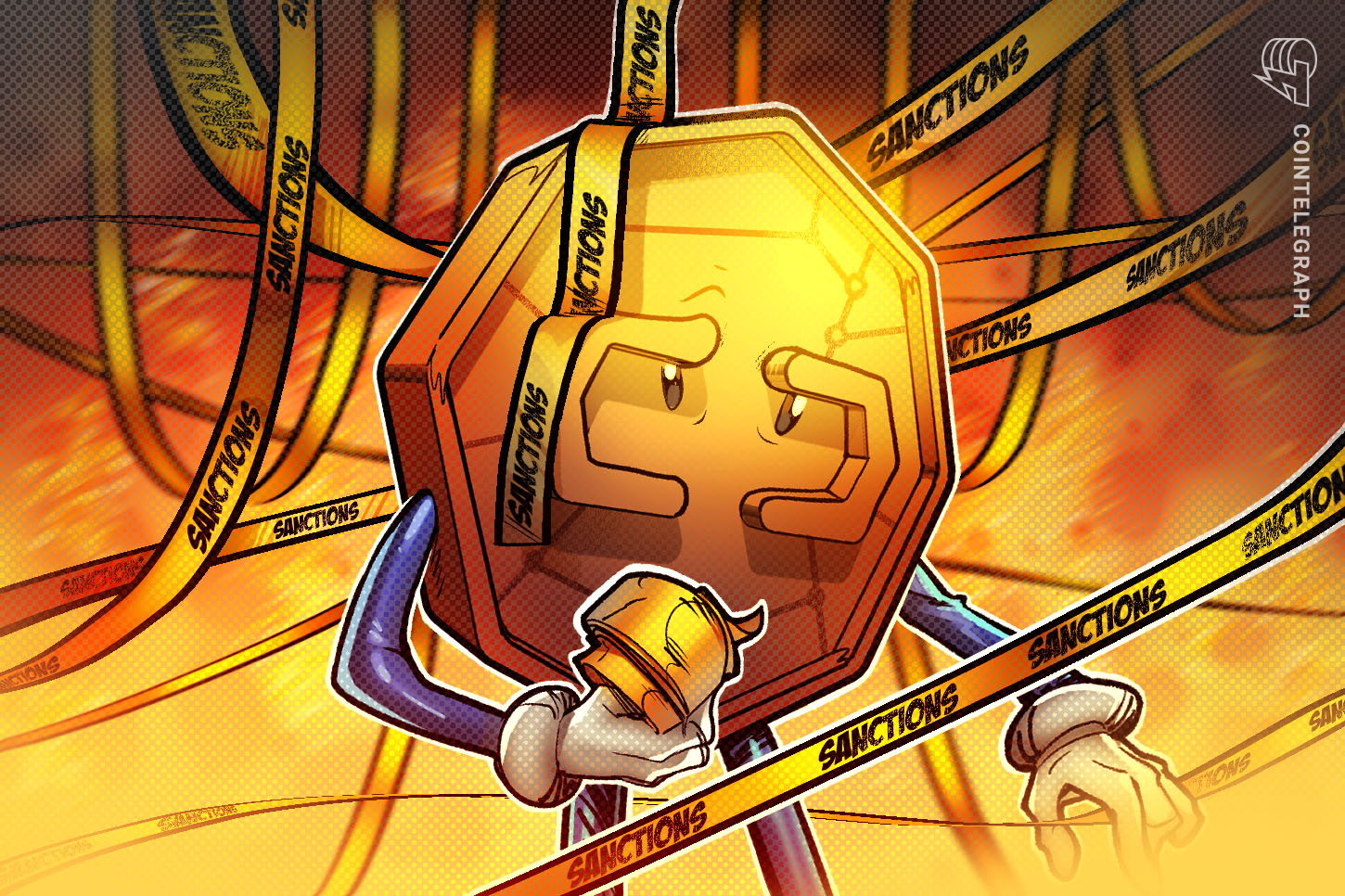
Recent warnings from blockchain researchers indicate that broad sanctions against HTX could obscure risk signals in the cryptocurrency sector.
As the regulatory landscape around cryptocurrencies continues to evolve, the imposition of sanctions on entities like HTX has raised significant concerns among blockchain researchers and industry stakeholders. These sanctions, while aimed at preventing illicit activities, may inadvertently freeze out legitimate users and complicate the ability of compliance tools to trace illicit funds effectively.
Researchers emphasize that the tainting of HTX could lead to a chilling effect on legitimate transactions. When sanctions are broadly applied, they do not discriminate between the illicit and the legitimate, thereby jeopardizing the operations of businesses and individuals utilizing the platform for lawful purposes. This blanket approach may ultimately hinder the innovation and growth potential within the cryptocurrency ecosystem.
The implications for compliance tools are equally profound. Historically, these tools have relied on identifiable risk signals to trace the flow of funds and detect illicit activity. However, as HTX becomes broadly associated with sanctioned activities, the efficacy of these tools may diminish. The challenge lies in distinguishing between funds that are truly associated with illegal activities and those that are not. A reduction in the clarity of these signals could make it increasingly difficult for compliance teams to perform their duties effectively.
This situation raises critical questions about the future of regulatory practices within the cryptocurrency space. As blockchain technology matures and becomes more integrated into traditional finance, regulators will need to strike a balance between enforcing compliance and fostering innovation. An overly stringent approach could stifle the growth of the industry, while a lax framework could expose it to greater risks.
In response to these challenges, stakeholders in the blockchain community are advocating for a more nuanced approach to sanctions. They argue that targeted sanctions, as opposed to blanket measures, would better serve the dual purpose of protecting the financial system while allowing legitimate users to operate without undue hindrance. This approach could help ensure that compliance tools remain effective and that the integrity of the cryptocurrency market is preserved.
Looking ahead, the strategic outlook for the next 6 to 12 months will likely be shaped by how regulators respond to these concerns. It is imperative for businesses operating in the cryptocurrency space to stay informed and agile as regulatory frameworks evolve. Companies may need to invest in advanced compliance solutions to navigate the complexities introduced by sanctions and ensure they can differentiate between legitimate and illicit activities.
Ultimately, the ongoing discourse surrounding HTX sanctions highlights a pivotal moment for the cryptocurrency industry. The need for a balanced regulatory approach is more pressing than ever, as it will determine the future landscape of digital assets and their integration into the broader financial system.
The recent warnings from blockchain researchers regarding HTX sanctions underscore a growing tension between regulatory compliance and the need for innovation within the cryptocurrency landscape. As the industry grapples with the complexities of tracing illicit funds, the broad application of sanctions can inadvertently diminish trust in compliance tools. These tools, essential for ensuring transparency, rely heavily on clear risk signals. The tainting of HTX raises concerns that compliance teams may struggle to differentiate between legitimate and illegitimate transactions, creating a potentially hazardous environment for businesses that rely on these platforms for lawful operations.
Moreover, the implications extend beyond immediate compliance challenges. As companies increasingly engage with platforms like Polymarket and OpenClaw, which utilize innovative blockchain applications, the risk of collateral damage from broad sanctions threatens to stifle the very innovation regulators aim to protect. Executives must be aware that as regulatory frameworks evolve, their strategies must adapt to mitigate risks associated with these sweeping measures. A failure to navigate this complex landscape could result in operational disruptions, particularly for firms that depend on blockchain technology for automation and efficiency.
Strategic Outlook: Over the next 6 to 12 months, businesses should prepare for a landscape where regulatory scrutiny intensifies. It will be critical for companies to invest in robust compliance solutions that can adapt to changing regulations while preserving the integrity of their operations. Engaging with policymakers to advocate for more targeted sanction approaches could also be beneficial. By fostering dialogue with regulatory bodies, industry leaders can help ensure that the balance between compliance and innovation is maintained, allowing for sustainable growth in the cryptocurrency sector.
Source: cointelegraph.com.
Related reading: Anthropic Maps AI Threats Amid Unpatched Vulnerabilities and Leadership Changes, Claude Opus 4.8 Review: Enhancements and Trade-offs, and Chrome 149 Addresses 429 Vulnerabilities: Implications for Security and Automation.