Tag: political risk

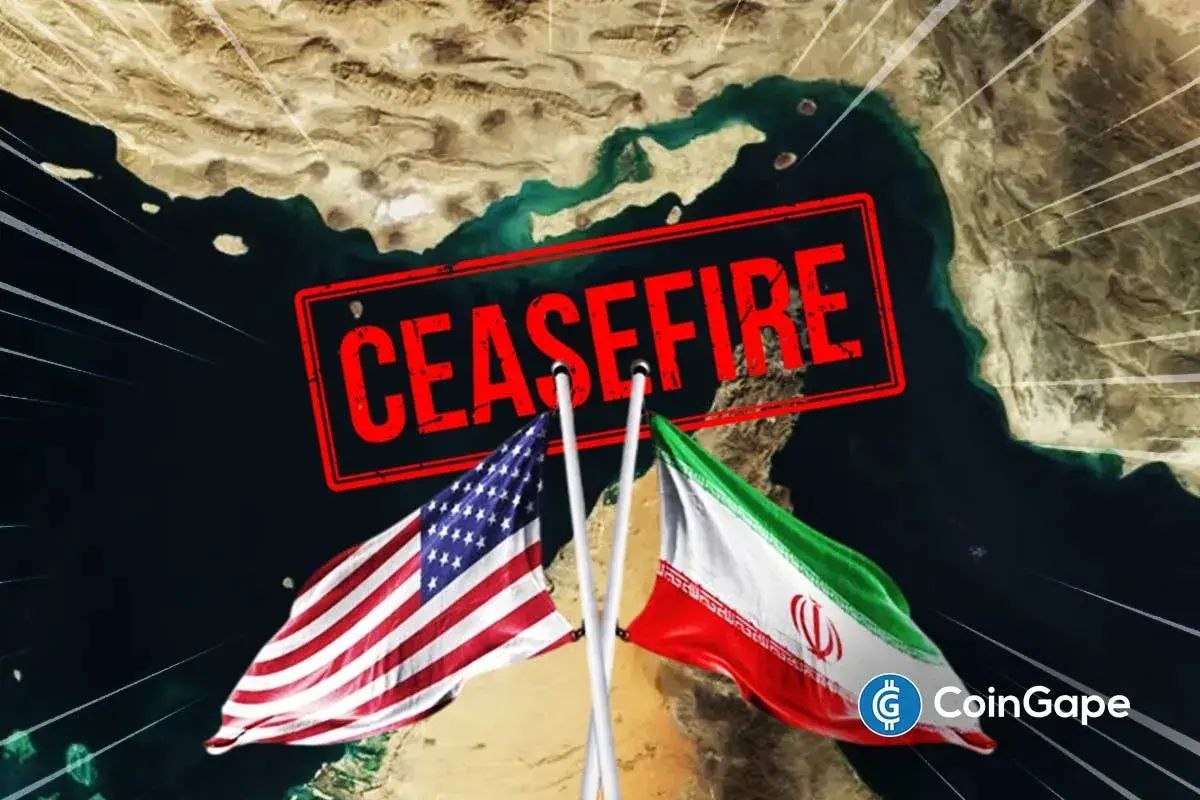
  • What Polymarket’s Peace-Deal Odds Actually Say About US-Iran Risk

    What Polymarket’s Peace-Deal Odds Actually Say About US-Iran Risk

    Polymarket can be useful during geopolitical shocks because it shows live expectation shifts. That does not mean the market confirms diplomacy, peace, or official state intent.

    Key takeaways

    • Prediction-market odds are a sentiment signal, not a diplomatic document.
    • In geopolitical markets, thin liquidity and fast-moving narratives can exaggerate confidence.
    • The practical business use is scenario planning: energy, shipping, insurance, and risk posture.
    • Executives should compare market moves with official statements and operational exposure before treating the signal as actionable.

    A rise in Polymarket odds around a potential peace or de-escalation scenario can be informative because it tells you how traders are repricing risk in real time. That is the valuable part. The dangerous part is treating the market itself as proof that diplomacy is advancing in a straight line.

    That distinction matters in US-Iran tensions because geopolitical markets are highly narrative-driven. A single headline, military development, or public comment can shift pricing quickly. In those environments, the market may be better at exposing changing sentiment than at delivering stable probability estimates.

    Why this kind of market still matters

    Even with those limits, executives should not ignore the signal. A market that reprices de-escalation or disruption can influence how operators think about logistics exposure, energy-sensitive planning, and near-term volatility. The useful move is not to outsource judgment to the market. It is to ask what the market is reacting to, and whether your operating assumptions are moving slower than everyone else’s.

    That is especially true in sectors that care about the Strait of Hormuz, shipping routes, oil sensitivity, insurance costs, and cross-border counterparty risk. In those cases, a live market can act as an early warning layer – not because it is always right, but because it is always updating.

    Where readers should be cautious

    Geopolitical prediction markets can become overconfident very quickly. The headline probability may obscure basic questions about volume, concentration, and event definition. If a market is thin, a relatively small amount of capital can move the visible probability far more than casual readers assume.

    There is also a language problem. A market about a “peace deal” compresses a wide range of outcomes into a single phrase. Real diplomacy is messy. Ceasefires, de-escalation signals, back-channel talks, sanctions negotiations, and temporary pauses are not the same thing. Readers should be careful not to import more certainty into the market wording than the real world can support.

    How to use the signal well

    The better workflow is simple. Start with the market move. Then compare it with official statements, reliable reporting, and your own operational exposure. If you run a business with energy, freight, geopolitical, or treasury sensitivity, the market can help you prioritize which scenarios deserve closer review.

    Used that way, prediction markets are valuable because they compress a changing narrative into a number that forces attention. But they are still only one layer. For a site like this one, the right frame is market structure and strategic interpretation – not geopolitical certainty and not AI keyword stuffing where it does not belong.

    Strategic outlook

    Over the next 6 to 12 months, executives will likely use geopolitical prediction markets more often as a live risk dashboard. The winners will be the teams that pair that signal with internal exposure maps, reliable reporting, and scenario planning. The market can tell you when attention shifts. It cannot replace verification.

    Sources and methodology

    This article treats the market as a risk-sentiment signal. It should not be read as diplomatic confirmation, geopolitical certainty, or investment advice.
  • Polymarket’s Peru Election Markets Offer Insight into Political Sentiment

    Polymarket’s Peru Election Markets Offer Insight into Political Sentiment

    ## Detailed Analysis: Polymarket’s Peru Election Markets Offer Insight into Political Sentiment

    Polymarket’s markets on Peru’s upcoming election highlight shifting voter sentiment with potential business and geopolitical implications.

    As Peru approaches a crucial election, Polymarket’s prediction markets have become a real-time indicator of public sentiment and political risk. These markets, which allow traders to place bets on election outcomes, are showing notable fluctuations that reflect growing uncertainty and evolving preferences among the electorate. For executives and business leaders with interests in Latin America, understanding these market movements can offer valuable context for strategic planning.

    Recent activity on Polymarket’s Peru markets indicates increased volatility in the perceived chances of leading candidates. This dynamic suggests that investor confidence in a clear winner remains tentative, highlighting the potential for unexpected election outcomes. Such uncertainty can have direct implications for foreign investment, regulatory outlooks, and economic stability in the region. The markets are essentially aggregating diverse information—from polls to social sentiment—providing a distilled view of how stakeholders are positioning themselves.

    The connection between prediction markets like Polymarket and traditional political analysis underscores the growing role of automated, data-driven tools in monitoring global events. While platforms like OpenClaw continue to enhance automation in information processing, Polymarket serves as a complementary gauge of crowd-sourced expectations. Executives tracking these signals alongside other intelligence sources may gain an edge in anticipating shifts that could affect markets or operational conditions.

    Although prediction markets are not infallible, the movements seen in Polymarket’s Peru election markets underscore the importance of staying attuned to real-time sentiment indicators. As the election date nears, these markets could provide early warnings of political volatility or shifts in policy direction, allowing business leaders to adjust risk management strategies accordingly.

    In a landscape where rapid changes are common, integrating insights from Polymarket alongside tools developed by firms like Anthropic, which focus on automation and natural language processing, can improve the depth and timeliness of political risk assessments. For CEOs and founders operating in emerging markets, such layered approaches to monitoring can be crucial in navigating uncertainty and making informed decisions.

    Polymarket’s Peru election markets offer more than just a snapshot of voter preferences; they reflect broader economic and political risks that could influence business environments in the region. For executives operating in or considering expansion into Peru, these markets provide a practical tool to gauge potential shifts in regulatory frameworks, trade policies, and government stability. The fluctuating odds seen in these markets suggest that key stakeholders remain cautious, which may translate into delayed investment decisions or heightened due diligence requirements for cross-border ventures.

    Moreover, the integration of automation platforms like OpenClaw with data sourced from prediction markets enhances the speed and accuracy of political risk assessment. By automating the collection and analysis of market signals, business leaders can incorporate near real-time insights into their strategic planning processes. Tools such as Claude, developed by Anthropic, further support these efforts by enabling more nuanced interpretation of complex market data, assisting executives in distinguishing between transient market noise and meaningful trends that could impact operational continuity.

    As Peru’s election approaches, the value of these prediction markets lies in their capacity to distill diverse information streams into actionable intelligence. While no model can guarantee outcomes, Polymarket’s evolving Peru markets serve as a useful complement to traditional political and economic analysis. For CEOs and founders, staying attuned to these market movements can inform risk mitigation strategies and help anticipate policy changes that may affect supply chains, labor markets, and overall investment climate in one of Latin America’s most dynamic economies.

    Related reading: How Polymarket Transforms Prediction Markets Into Actionable News Signals, OpenClaw’s Rapid Rise and Restrictions: What Claude Users Need to Know, and Anthropic Adjusts Claude Subscription to Exclude OpenClaw Usage.

    *Keep Reading: [How AI is transforming Polymarket trading strategies](https://aitrendheadlines.com/claude-polymarket-wallet-analyzer/).*

  • Why Trump-Related Markets Continue to Drive Polymarket Engagement

    Why Trump-Related Markets Continue to Drive Polymarket Engagement

    Political developments linked to former President Donald Trump consistently sustain high engagement on Polymarket, highlighting the platform’s role as a dynamic hub for real-time political risk assessment.

    Polymarket, a leading prediction market platform, continues to see robust activity centered around Trump-related markets. These markets attract significant trading volume and user interest, driven largely by the unpredictable nature of political events and the high-profile stature of the former president. For executives and business operators, understanding the forces behind this sustained engagement provides insight into how headline risk and political developments influence market behavior.

    At the core of the interest in Trump-focused markets is the volatility and uncertainty inherent in political news cycles. Whether it’s court rulings, campaign announcements, or legislative developments, each event can quickly shift market sentiment. Polymarket users engage actively with these shifts, using the platform to hedge risk or speculate on outcomes that could have broader economic or regulatory implications.

    Speech markets, which track the likelihood of specific public statements or policy declarations, also contribute to the heightened activity. Given Trump’s history of impactful and sometimes unexpected public remarks, these markets offer a pulse on potential headline risks that can move financial and political landscapes. This makes Polymarket a valuable tool for executives needing to stay informed on emerging risks that may affect their strategic decisions.

    Furthermore, the platform’s ability to deliver near real-time data enhances its appeal. Unlike traditional polling or news sources, Polymarket’s prediction markets aggregate diverse opinions and react swiftly to new information. This immediacy helps executives gauge market sentiment around Trump-related events more effectively, facilitating timely responses to potential disruptions or opportunities.

    While automation technologies like OpenClaw play an increasing role within broader AI ecosystems—such as those involving Anthropic’s Claude—they currently have limited direct impact on Polymarket’s political prediction markets. However, as automation and AI integration evolve, there may be future opportunities to enhance market analysis and trading efficiency, potentially increasing the sophistication and reach of platforms like Polymarket.

    For business leaders, the persistent interest in Trump-related markets underscores the broader importance of political risk management. Platforms like Polymarket offer a window into collective expectations and probabilities that can inform strategic planning. Monitoring these markets can provide early warnings of shifts in the political environment that might affect regulatory frameworks, market sentiment, or consumer behavior.

    In summary, Polymarket’s Trump-related markets maintain their appeal due to the ongoing flux of political events, the value of speech prediction markets, and the platform’s real-time responsiveness. While automation and AI tools such as OpenClaw and Claude contribute to adjacent technology sectors, the core driver remains the dynamic political landscape and the demand for agile, data-driven insight. Executives looking to navigate complex political risks would benefit from keeping an eye on these market signals as part of a broader strategic toolkit.

    Polymarket’s sustained focus on Trump-related prediction markets reflects broader themes relevant to business leaders navigating today’s complex political environment. The platform’s ability to capture evolving market sentiment around political events underscores the growing importance of real-time data in managing strategic uncertainty. For executives, these markets are more than just speculative arenas; they offer actionable insights into how headline risks can influence regulatory landscapes, consumer behavior, and investor confidence. By closely monitoring the fluctuations in these markets, decision-makers can better anticipate potential shifts that might affect operational or financial planning.

    Moreover, the dynamic nature of Trump-related markets highlights the value of agility in information processing. Traditional sources often lag behind the rapid pace of political developments, but platforms like Polymarket provide a continuous feedback loop driven by a diverse user base. This immediacy can help businesses identify emerging risks or opportunities sooner, enabling more proactive responses. While technologies such as OpenClaw and AI systems like Anthropic’s Claude are advancing automation and data analysis capabilities, the human-driven insight embedded in prediction markets remains crucial for interpreting nuanced political signals that impact business strategy.

    As political headline risk continues to shape market behavior, incorporating data from prediction platforms into broader risk management frameworks may offer executives a more comprehensive perspective. By integrating Polymarket’s insights with traditional analysis, organizations can enhance their strategic foresight and resilience to political volatility. This approach aligns with a growing recognition that political dynamics are integral to global business risk profiles, necessitating tools that blend real-time market intelligence with expert judgment for informed decision-making.

    Related reading: Anthropic Adjusts Claude Subscription to Exclude OpenClaw Usage, REJECT vs. AGELITE: Polymarket Insights and Automation Trends for April 6, 2026, and Anthropic Executive Projects Cowork Agent Will Surpass Claude Code in Market Reach.

    *Keep Reading: [How AI is transforming Polymarket trading strategies](https://aitrendheadlines.com/claude-polymarket-wallet-analyzer/).*