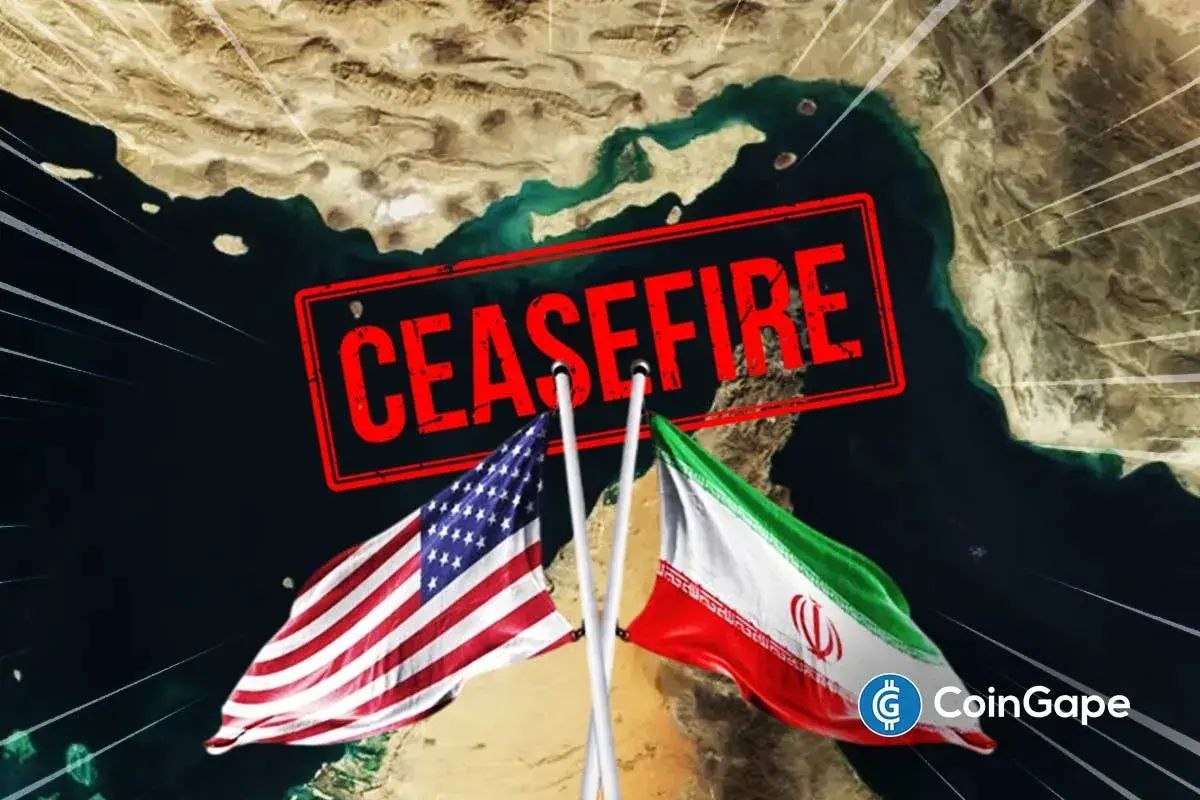
Polymarket can be useful during geopolitical shocks because it shows live expectation shifts. That does not mean the market confirms diplomacy, peace, or official state intent.
Key takeaways
- Prediction-market odds are a sentiment signal, not a diplomatic document.
- In geopolitical markets, thin liquidity and fast-moving narratives can exaggerate confidence.
- The practical business use is scenario planning: energy, shipping, insurance, and risk posture.
- Executives should compare market moves with official statements and operational exposure before treating the signal as actionable.
A rise in Polymarket odds around a potential peace or de-escalation scenario can be informative because it tells you how traders are repricing risk in real time. That is the valuable part. The dangerous part is treating the market itself as proof that diplomacy is advancing in a straight line.
That distinction matters in US-Iran tensions because geopolitical markets are highly narrative-driven. A single headline, military development, or public comment can shift pricing quickly. In those environments, the market may be better at exposing changing sentiment than at delivering stable probability estimates.
Why this kind of market still matters
Even with those limits, executives should not ignore the signal. A market that reprices de-escalation or disruption can influence how operators think about logistics exposure, energy-sensitive planning, and near-term volatility. The useful move is not to outsource judgment to the market. It is to ask what the market is reacting to, and whether your operating assumptions are moving slower than everyone else’s.
That is especially true in sectors that care about the Strait of Hormuz, shipping routes, oil sensitivity, insurance costs, and cross-border counterparty risk. In those cases, a live market can act as an early warning layer – not because it is always right, but because it is always updating.
Where readers should be cautious
Geopolitical prediction markets can become overconfident very quickly. The headline probability may obscure basic questions about volume, concentration, and event definition. If a market is thin, a relatively small amount of capital can move the visible probability far more than casual readers assume.
There is also a language problem. A market about a “peace deal” compresses a wide range of outcomes into a single phrase. Real diplomacy is messy. Ceasefires, de-escalation signals, back-channel talks, sanctions negotiations, and temporary pauses are not the same thing. Readers should be careful not to import more certainty into the market wording than the real world can support.
How to use the signal well
The better workflow is simple. Start with the market move. Then compare it with official statements, reliable reporting, and your own operational exposure. If you run a business with energy, freight, geopolitical, or treasury sensitivity, the market can help you prioritize which scenarios deserve closer review.
Used that way, prediction markets are valuable because they compress a changing narrative into a number that forces attention. But they are still only one layer. For a site like this one, the right frame is market structure and strategic interpretation – not geopolitical certainty and not AI keyword stuffing where it does not belong.
Strategic outlook
Over the next 6 to 12 months, executives will likely use geopolitical prediction markets more often as a live risk dashboard. The winners will be the teams that pair that signal with internal exposure maps, reliable reporting, and scenario planning. The market can tell you when attention shifts. It cannot replace verification.
Sources and methodology
- Coingape reporting referenced by the original article
- Claude-Built Polymarket Wallet Analyzer Shows the New Demand for AI Trading Tools
- Stop Gambling, Start Trading: The Math of the Top 13% on Polymarket
This article treats the market as a risk-sentiment signal. It should not be read as diplomatic confirmation, geopolitical certainty, or investment advice.
Leave a Reply