Category: AI Innovation

  • Harnessing the Power of Claude’s Artifacts: A Game Changer for Business

    Harnessing the Power of Claude’s Artifacts: A Game Changer for Business

    Claude’s Artifacts feature is transforming the way executives approach brainstorming and idea organization.

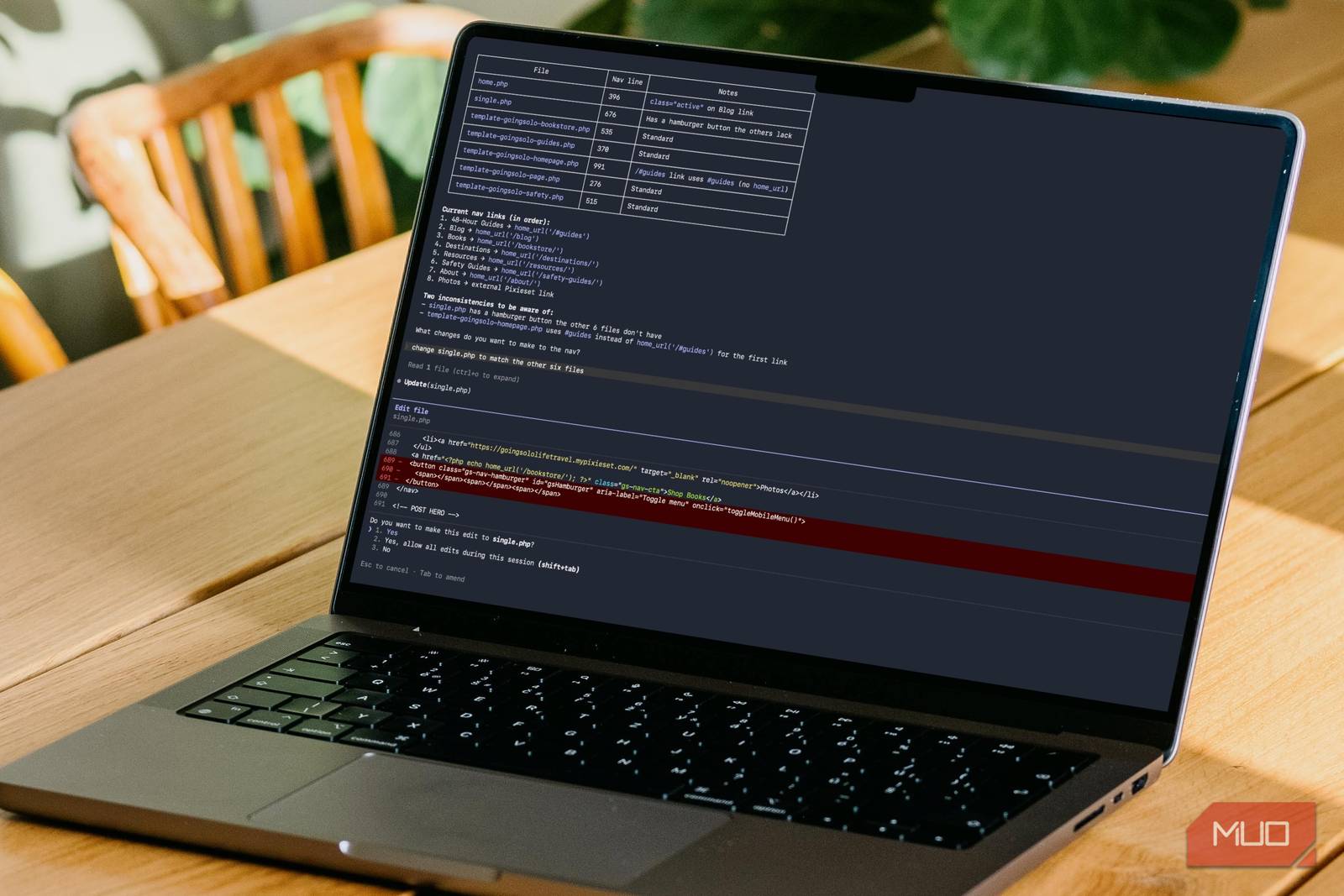
    Many in the tech space have been slow to embrace the capabilities of Claude, a sophisticated AI model developed by Anthropic. However, recent discussions highlight a particular feature—Artifacts—that promises to redefine the brainstorming and idea management process for business leaders. For those who have yet to explore its potential, the time to engage with Artifacts is rapidly approaching, as it has become an indispensable tool for many users.

    The Artifacts feature enables users to store, organize, and retrieve information seamlessly, facilitating a more strategic approach to idea generation. This is particularly beneficial for CEOs and founders who often juggle multiple projects and require a reliable method to keep track of innovative concepts. By utilizing Artifacts, users can create a structured repository of ideas, which enhances both individual and team collaboration.

    In practical terms, the integration of Artifacts into daily workflows allows for a more fluid exchange of ideas within teams. Executives can prototype concepts more efficiently, ensuring that valuable insights are not lost in the shuffle of daily operations. The automation capabilities linked to this feature mean that tasks such as organizing meeting notes, developing project outlines, and managing feedback loops can be streamlined significantly, thus freeing up critical time for strategic decision-making.

    Moreover, the accessibility of Artifacts through Claude’s interface means that even those who may not be tech-savvy can take advantage of this powerful tool. The user-friendly design allows for quick adaptation, which is crucial in fast-paced business environments where time is often of the essence. With minimal training, teams can leverage Artifacts to enhance their productivity and creativity.

    As businesses continue to navigate the complexities of a post-pandemic world, the importance of effective idea management cannot be overstated. Tools like Artifacts not only support innovation but also drive efficiency across various departments. Companies that adopt such technologies are likely to maintain a competitive edge, particularly in industries where rapid adaptation is key. The insights gathered through Artifacts can lead to more informed strategic planning and execution.

    Looking ahead, the impact of Claude’s Artifacts on the business landscape warrants attention. Over the next six to twelve months, we can expect a growing number of organizations to integrate this feature into their operational frameworks. As awareness spreads, it is likely that more executives will recognize the value of structured idea management facilitated by AI. This shift could herald a new era of productivity, where businesses harness the full potential of their creative resources.

    In conclusion, Claude’s Artifacts represent a significant advance in the way businesses can approach brainstorming and idea organization. As more leaders begin to incorporate this feature into their workflows, it will undoubtedly reshape the landscape of innovation and efficiency across industries.

    The introduction of Claude’s Artifacts feature marks a pivotal moment in how executives can harness AI for operational efficiency. As organizations strive to navigate complexity and foster innovation, the ability to streamline brainstorming sessions and idea management becomes essential. Artifacts not only enhances individual productivity but also cultivates an environment for collaborative creativity among teams. For leaders who have traditionally relied on conventional methods, this shift offers a compelling case for re-evaluating their approach to idea generation and project management.

    Furthermore, as businesses increasingly adopt automation technologies, the integration of Artifacts with tools like Polymarket and OpenClaw signifies a broader trend towards interconnected AI systems. These platforms can provide real-time insights and predictive analytics, complementing the capabilities of Claude. As such, executives who leverage these technologies will likely find themselves at a competitive advantage, enabling more informed decision-making and agile responses to market dynamics.

    Strategic Outlook: In the next 6 to 12 months, the adoption of Claude’s Artifacts feature is expected to accelerate, as more companies recognize the necessity of effective idea management in an increasingly digital landscape. As executives become more adept at utilizing this tool, they will likely discover new ways to enhance team collaboration, drive innovation, and ultimately improve their bottom line. The synergy between Claude and other automation tools like Polymarket and OpenClaw will also pave the way for more sophisticated applications, creating an ecosystem that prioritizes efficiency and strategic foresight.

    The adoption of Claude’s Artifacts feature marks a significant shift in how executives can harness AI to enhance their operational efficiency. As business leaders increasingly face the challenge of managing diverse projects and teams, the ability to streamline idea organization is invaluable. Artifacts not only allows for better management of brainstorming sessions but also ensures that the creative insights generated are captured and structured for easy retrieval. This capability is particularly relevant in industries where rapid innovation is crucial for maintaining competitive advantage.

    Furthermore, the integration of Artifacts within existing workflows underscores the growing importance of automation in business environments. As companies like Polymarket and OpenClaw explore the potential of AI-driven tools, the ability to automate routine tasks will free executives to focus on strategic initiatives. The implications of this shift suggest that organizations that leverage such technologies will not only boost internal productivity but also enhance their capacity for innovation. By simplifying complex processes, Artifacts can help reduce the cognitive load on leaders, allowing them to devote more time to high-impact decisions.

    Strategic Outlook: Over the next 6 to 12 months, the market is likely to witness an increased emphasis on AI tools that facilitate better idea management and operational efficiency. As more companies recognize the benefits of features like Artifacts, we may see a broader industry trend toward integrating advanced AI capabilities into everyday business processes. This shift could lead to a competitive landscape where the ability to harness automation and idea organization becomes a key differentiator, driving businesses towards greater agility and innovation.

    Source: tomsguide.com.

    Related reading: DGOJ Blocks Polymarket and Kalshi: Implications for the Industry, Exploring Anthropic’s Open-Source Desk Pet: A Solution for Claude’s Limitations, and Anthropic’s Diminishing Features: A Challenge for Claude Pro Users.

  • Google Employee Charged with Insider Trading on Polymarket

    Google Employee Charged with Insider Trading on Polymarket

    A Google employee has been charged with insider trading regarding Polymarket, a decentralized prediction market platform, highlighting significant compliance and ethical challenges within major tech companies.

    Federal prosecutors have announced charges against a Google employee, part of the parent company Alphabet, for allegedly engaging in insider trading linked to Polymarket. The case underscores the potential vulnerabilities posed by the intersection of technology and finance, particularly as more tech firms venture into decentralized finance and prediction markets.

    Polymarket allows users to wager on the outcomes of various events, including political elections and economic forecasts, utilizing a decentralized framework that raises unique regulatory questions. As such platforms gain traction, the implications of insider knowledge become increasingly complicated. In this instance, the charges suggest that confidential information from within Google may have been improperly leveraged to influence market outcomes on Polymarket.

    This situation could provoke a broader examination of compliance measures within tech companies, particularly regarding how employees engage with external trading platforms. As the lines blur between traditional corporate governance and the evolving landscape of cryptocurrencies and decentralized markets, companies may be compelled to reassess their internal policies to prevent similar incidents.

    The involvement of a high-profile firm like Google adds weight to the discussion surrounding insider trading, especially in environments where information asymmetry can lead to significant financial advantages. Executives must be acutely aware of the potential ramifications not only for their firms but also for the integrity of the markets in which they participate.

    As a result of this incident, we may see increased scrutiny from regulatory bodies and a push for more stringent guidelines governing employee conduct in relation to investment activities. This could lead to a more robust regulatory framework for tech companies engaging with platforms such as Polymarket and OpenClaw, which utilize automation and AI to enhance market predictions.

    Looking ahead, the next 6 to 12 months may see a shift in how tech firms address the ethical implications of their employees’ trading activities, particularly as more sophisticated AI models like Claude become integrated into market analysis. The need for transparency and accountability will likely drive executives to implement comprehensive training programs focused on compliance and ethical trading practices.

    In summary, the charges against the Google employee serve as a crucial reminder of the importance of maintaining ethical standards in a rapidly evolving market landscape. As the tech and financial sectors continue to intersect, companies must prioritize robust compliance frameworks to safeguard their reputation and uphold market integrity.

    The recent charges against a Google employee for insider trading related to Polymarket illuminate the increasing complexities faced by tech companies as they navigate the intersection of traditional finance and innovative decentralized platforms. As firms like Google leverage advanced technologies, including automation and artificial intelligence, they find themselves in a precarious position where regulatory compliance is paramount. This incident raises critical questions about how organizations can effectively manage insider information in environments where decision-making is increasingly data-driven and decentralized.

    As the landscape of financial transactions evolves with the rise of platforms such as Polymarket and OpenClaw, the implications for corporate governance become more pronounced. Companies must grapple with the dual challenge of fostering innovation while ensuring that their employees adhere to stringent ethical standards. This incident serves as a wake-up call for tech executives to scrutinize their current compliance frameworks and consider implementing more robust training programs that specifically address the risks associated with engaging with prediction markets and similar platforms. The potential for insider trading not only jeopardizes individual firms but also threatens the integrity of the market as a whole.

    Strategic Outlook: In the next 6 to 12 months, we may see a considerable shift in how tech companies approach internal compliance policies, particularly regarding employee interactions with decentralized finance platforms. Regulatory bodies are likely to increase oversight, prompting organizations to adopt clearer guidelines that delineate acceptable conduct in trading environments. Additionally, the need for transparency and accountability may lead to the development of new compliance technologies that monitor employee activities more effectively. As firms adapt to these changes, the overarching goal will be to strike a balance between harnessing innovative technologies and maintaining a commitment to ethical business practices.

    The recent insider trading charges against a Google employee highlight a pivotal moment for the intersection of technology and finance, particularly as firms like Polymarket and OpenClaw gain prominence. Such incidents underscore the necessity for a comprehensive understanding of the regulatory landscape surrounding decentralized platforms. As organizations increasingly explore automation and AI-driven models for market prediction, the potential for misuse of sensitive information becomes a pressing concern that executives must address. The ramifications extend beyond legal repercussions; they threaten to undermine trust in both corporate governance and the emerging decentralized finance ecosystem.

    As tech companies navigate the complexities of decentralized financial markets, the implications of this case could catalyze a re-evaluation of internal compliance strategies. Businesses may need to implement more rigorous training and monitoring protocols regarding employee engagement with trading platforms, especially those leveraging AI and automation. This heightened vigilance could lead to a paradigm shift, where ethical considerations and compliance become integral to the corporate culture, rather than mere afterthoughts.

    Strategic Outlook: Over the next 6 to 12 months, organizations involved in decentralized finance will likely face intensified scrutiny from regulatory bodies. This incident may prompt tech firms to proactively enhance their compliance frameworks, thereby establishing clear policies governing employee interactions with platforms like Polymarket and OpenClaw. By prioritizing ethical conduct and governance, companies can safeguard their reputations and ensure sustainable participation in an increasingly complex market landscape.

    Source: finance.yahoo.com.

    Related reading: Spain’s Ban on Polymarket and Kalshi: A Wake-Up Call for Regulatory Compliance, Exploring Anthropic’s Open-Source Desk Pet: A Solution for Claude’s Limitations, and Anthropic’s Claude Model Raises Cybersecurity Concerns.

  • Exploring Anthropic’s Open-Source Desk Pet: A Solution for Claude’s Limitations

    Exploring Anthropic’s Open-Source Desk Pet: A Solution for Claude’s Limitations

    Anthropic’s latest open-source desk pet project promises to enhance the functionality of Claude, addressing a key limitation that has frustrated users.

    Recently, Anthropic released its open-source desk pet, a project that has garnered attention for its innovative approach to artificial intelligence. I decided to test this concept on the WT32-SC01 Plus, an ESP32-based development board. The results were promising, particularly in how this project alleviates some of the more annoying aspects of using Claude, Anthropic’s flagship language model.

    One of the most significant challenges users faced with Claude was its limited interactivity and responsiveness in certain contexts. Despite its advanced capabilities, many found it lacking in providing a truly engaging user experience. The introduction of the desk pet not only offers a new layer of interaction but also leverages the existing framework of Claude to make it more user-friendly. This open-source initiative illustrates a growing trend in the AI community where accessibility and customization are prioritized.

    The desk pet, as a concept, enables users to interact with Claude in a more dynamic way. By porting it to the WT32-SC01 Plus, I experienced firsthand how the desk pet could serve as a companion tool, responding to commands and providing information in a more conversational manner. This shift not only enhances the user experience but also has significant implications for how businesses might integrate AI into their daily operations.

    Furthermore, the open-source nature of the project encourages collaboration and innovation within the developer community. This could lead to a myriad of enhancements and customizations that might not have been possible with a closed-source model. Companies looking to leverage AI can benefit from a more tailored approach, allowing them to configure their AI tools to better meet specific operational needs.

    In addition, the connection to Polymarket and OpenClaw highlights the increasing interplay between different AI technologies. As these platforms evolve, the ability to seamlessly integrate various AI models will become crucial for businesses aiming to maintain a competitive edge. The desk pet could serve as a bridge, enhancing the functionality of Claude while also opening doors for further advancements in automation and efficiency.

    The implications of this development extend beyond mere user interaction. As more businesses adopt AI solutions, the demand for tools that offer both functionality and engagement will likely increase. This trend suggests that companies will need to be proactive in exploring innovative solutions like Anthropic’s desk pet to ensure their AI implementations remain effective and user-centric.

    Looking ahead, the strategic outlook for the next 6 to 12 months indicates a potential shift in the AI landscape. As open-source projects like the desk pet gain traction, we may see a more democratized approach to AI development. Businesses will likely start prioritizing tools that allow for greater customization and user engagement. In parallel, the collaboration between various AI technologies will drive innovation, leading to more sophisticated applications that can better serve diverse business needs.

    The integration of Anthropic’s open-source desk pet with Claude highlights a significant shift in how businesses might approach AI-powered tools. By enhancing Claude’s interactivity, this project not only addresses previous user frustrations but also opens avenues for more practical applications within corporate environments. As companies increasingly rely on automation for various functions, the ability to engage with AI in a more conversational and user-friendly manner can lead to improved productivity and efficiency. This refinement could be particularly beneficial for sectors where real-time information processing and user engagement are critical, such as customer service and support.

    Moreover, the collaboration between Anthropic’s desk pet, Polymarket, and OpenClaw indicates a trend toward interoperability among AI systems. This synergy can empower businesses to choose the most effective AI solutions tailored to their unique operational needs. The flexibility of open-source projects fosters an ecosystem where innovations can be rapidly developed and integrated. As organizations continue to seek competitive advantages through technology, the importance of customizable AI tools cannot be overstated. These developments suggest a future where AI is not just a tool but an integral partner in business strategy.

    Strategically, the next 6-12 months could witness an acceleration in the adoption of these enhanced AI capabilities. Companies that leverage the advancements from Anthropic’s desk pet and similar technologies may find themselves at the forefront of their industries. As AI becomes more adept at understanding and responding to human commands, the potential for automation across various business functions will expand. This evolution will likely prompt a reevaluation of existing AI investments and encourage organizations to explore new partnerships that enhance their technological frameworks.

    Source: xda-developers.com.

    Related reading: DGOJ Blocks Polymarket and Kalshi: Implications for the Industry, Anthropic’s Diminishing Features: A Challenge for Claude Pro Users, and Spain’s Ban on Polymarket and Kalshi: A Wake-Up Call for Regulatory Compliance.

  • Local AI Agents: OpenBMB’s Half-Gigabyte Model Revolutionizes Mobile Automation

    Local AI Agents: OpenBMB’s Half-Gigabyte Model Revolutionizes Mobile Automation

    OpenBMB introduces a groundbreaking AI model that empowers local agents on mobile devices, signaling a significant shift in automation capabilities.

    The emergence of OpenBMB’s half-gigabyte AI model has caught the attention of technology leaders and business executives alike. This innovative development allows for the execution of local agents directly on smartphones, enabling a level of automation previously confined to more powerful computing environments. With this model, users can leverage 1 billion parameters to facilitate intelligent decision-making and task execution without the need for cloud-based resources.

    One of the most compelling features of this model is its support for Multi-Channel Processing (MCP), which enhances the AI’s ability to interact with various tools and applications seamlessly. This integration can significantly improve productivity for businesses that rely on mobile solutions, as employees can now access advanced AI functionalities directly from their handheld devices. The ability to run local agents means that sensitive data can remain on the device, addressing privacy concerns that often accompany cloud-based AI applications.

    However, while OpenBMB’s model boasts impressive capabilities, it is not without its limitations. Reports indicate that the AI struggles with certain logical traps, raising questions about its reliability in complex decision-making scenarios. This aspect could influence how businesses choose to implement such technology, particularly in sectors where precision and accuracy are paramount. Companies may need to establish robust protocols to mitigate potential errors that could arise from the AI’s limitations.

    The implications of this technology extend beyond individual businesses to the broader landscape of mobile automation. As more organizations adopt local AI agents, we may witness a significant shift in how tasks are automated and managed on a day-to-day basis. The convenience of having AI capabilities at one’s fingertips can lead to a more agile workforce, as employees can respond to challenges and opportunities quickly and effectively. Moreover, this trend could inspire further innovations in mobile technology, prompting other companies to explore similar developments.

    As executives consider integrating OpenBMB’s model into their operations, it is essential to weigh the benefits against the potential risks. The promise of enhanced productivity and data security is enticing, yet the challenges posed by logic traps cannot be overlooked. Organizations may need to invest in training and support systems to ensure their teams can effectively harness the capabilities of this new technology while navigating its shortcomings.

    Looking ahead, the next 6 to 12 months will be critical as businesses begin to experiment with local AI agents and assess their impact on workflows and processes. Companies that successfully adapt to this shift may gain a competitive edge, particularly in sectors where rapid decision-making and automation are vital. As the technology matures, we can expect to see advancements that address current limitations, refining the user experience and expanding the range of applications for local AI agents.

    In conclusion, OpenBMB’s introduction of a half-gigabyte AI model represents a pivotal moment in mobile automation. While the technology offers exciting possibilities for enhancing productivity and safeguarding sensitive data, its current limitations necessitate careful consideration. As organizations navigate this evolving landscape, the strategic integration of local AI agents will be key to unlocking their full potential.

    The introduction of OpenBMB’s half-gigabyte AI model represents a pivotal advancement in the landscape of mobile automation, particularly for business leaders seeking efficiency and enhanced functionality. By enabling local agents to operate on smartphones, this technology allows organizations to harness the power of AI without the latency and privacy concerns associated with cloud-based solutions. This capability not only facilitates immediate access to AI-driven insights but also empowers employees to make data-informed decisions on the go, which is increasingly crucial in today’s fast-paced business environment. The potential for improved productivity through local processing cannot be overstated, as it could streamline operations across various sectors, from retail to logistics.

    However, the challenges posed by this technology must not be overlooked, particularly the reported limitations in logical reasoning. As businesses consider integrating OpenBMB’s model into their operations, they will need to weigh the benefits of enhanced automation against the risks of decision-making errors. For sectors that prioritize precision, such as finance or healthcare, the deployment of this AI model may require additional oversight and validation processes to ensure reliability. This careful balance will be essential for organizations aiming to capitalize on the benefits of automation while safeguarding against potential pitfalls.

    Strategic Outlook: Over the next 6-12 months, the adoption of local AI agents like OpenBMB’s model is likely to accelerate, as companies seek innovative solutions to improve workflow efficiency. As more businesses experiment with this technology, we may see the emergence of best practices for mitigating its limitations, ultimately paving the way for broader acceptance of on-device AI. Furthermore, as competitors in the AI space, including Claude and Polymarket, continue to innovate, market dynamics will shift, emphasizing the need for organizations to stay agile and informed about the latest advancements in automation technology.

    Source: decrypt.co.

    Related reading: Anthropic’s Claude Model Raises Cybersecurity Concerns, Anthropic’s Diminishing Features: A Challenge for Claude Pro Users, and Anthropic’s Claude Offers a Polite Alternative to ‘Touch Grass’.

  • Claude Streamlines Ancestral Land Tracing: A Testament to AI’s Potential

    Claude Streamlines Ancestral Land Tracing: A Testament to AI’s Potential

    A recent revelation highlights the transformative power of AI in personal land tracing, as one individual successfully identified his ancestral land in Uttar Pradesh with the help of Anthropic’s Claude.

    In an inspiring account, a resident of Uttar Pradesh discussed how the advanced language model Claude enabled him to navigate through complex documentation and locate his ancestral land, which was previously obscured by layers of bureaucratic paperwork. The individual noted that leveraging Claude’s capabilities allowed him to bypass traditional methods that often involved physical searches and reliance on local intermediaries, thus saving both time and effort.

    The process of tracing land ownership in India is often fraught with challenges. Historically, individuals have had to engage in exhaustive searches for documents, which can be cumbersome and time-consuming. However, the user reported that Claude’s AI-driven workflow efficiently organized the necessary information, streamlining the entire process. This case exemplifies how AI can provide clarity and accessibility in sectors traditionally bogged down by inefficiency.

    This incident underscores the potential of AI technologies, such as Claude, in transforming how individuals interact with bureaucratic systems. By automating tedious tasks and providing intelligent insights, AI can empower users to make informed decisions without the usual obstacles. The ability to trace land ownership without the complexities of manual searches may encourage more individuals to seek out their historical properties, potentially leading to a surge in land reclamation efforts across India.

    The implications of this technological advancement extend beyond individual users. For businesses and startups in the AI space, this success story could serve as a compelling case study in promoting the practicality and benefits of AI solutions. As more individuals and organizations recognize the utility of AI in navigating administrative hurdles, demand for such technologies will likely increase. This trend may catalyze further investments in AI development, particularly in areas focused on automation and data management.

    Moreover, as AI tools like Claude continue to evolve, their applications could expand into other sectors requiring similar documentation processes. Industries such as real estate, finance, and legal services may find innovative ways to integrate AI to enhance their operations. The growing reliance on automation could also lead to discussions about regulatory frameworks and ethical considerations surrounding AI use, particularly in sensitive areas like land ownership.

    As we look ahead, the success of Claude in aiding land tracing may signal a shift in how AI is perceived by the public and businesses alike. It illustrates the importance of developing user-friendly AI applications that address real-world challenges. The next 6 to 12 months could see a proliferation of similar AI tools tailored to optimize workflows in various sectors, encouraging broader adoption and integration of AI into everyday processes.

    In conclusion, the successful use of Claude to trace ancestral land in Uttar Pradesh not only highlights the practical applications of AI but also sets the stage for future innovations. As businesses and individuals increasingly turn to AI for solutions to intricate problems, the landscape of technology and land management may witness significant changes, fostering a new era of efficiency and accessibility.

    The success story of tracing ancestral land using Claude illustrates a pivotal shift in how AI can intersect with personal and administrative challenges, particularly in bureaucratic environments such as land registration in India. For CEOs and business operators, this case highlights not only the immediate benefits of AI in enhancing individual experiences but also the broader implications for operational efficiencies across various sectors. As organizations continue to grapple with outdated systems, the adoption of AI-driven solutions like Claude could facilitate smoother interactions with government processes, ultimately reducing friction and improving user satisfaction.

    This scenario also reflects the growing recognition of AI’s role in driving automation. Businesses that leverage such technologies can save considerable time and resources, thereby reallocating efforts towards strategic initiatives rather than administrative burdens. With Claude setting a precedent for AI’s practical applications, there is an opportunity for companies to explore similar integrations in their own workflows. The case serves as an encouraging indicator for startups in the AI space, suggesting that solutions which simplify complex processes are not only desirable but essential in today’s fast-paced business environment.

    Strategic Outlook: Over the next 6 to 12 months, we can anticipate a surge in the development and deployment of AI solutions that address specific pain points in administrative tasks. As more individuals and businesses recognize the advantages of such technologies, investments in AI, particularly in sectors like real estate, legal, and compliance, are likely to increase. This trend may lead to innovative partnerships between technology providers and traditional industries, fostering an ecosystem where AI is viewed as a critical enabler of efficiency and growth. Companies that can harness these advancements will likely gain a competitive edge, positioning themselves well in a rapidly evolving marketplace.

    Source: ndtv.com.

    Related reading: Anthropic’s Claude Model Raises Cybersecurity Concerns, Anthropic’s Diminishing Features: A Challenge for Claude Pro Users, and Anthropic’s Claude Offers a Polite Alternative to ‘Touch Grass’.

  • Robinhood Opens Trading to AI Agents: A New Era for Retail Investors

    Robinhood Opens Trading to AI Agents: A New Era for Retail Investors

    Robinhood has recently announced a groundbreaking feature that allows AI agents to trade stocks on behalf of users, marking a significant shift in retail investing.

    This initiative, unveiled on Wednesday, enables traders to set up separate accounts specifically for AI agents. Users can allocate a predetermined amount of money for their AI agents to manage, allowing these digital entities to buy and sell stocks across various markets. This feature is presented as a means for traders to leverage automation in their investment strategies, making stock trading more dynamic and accessible.

    The implications of this development are profound. By integrating AI into the trading process, Robinhood is not only enhancing user experience but is also potentially transforming how investment decisions are made. With AI’s ability to analyze vast amounts of data quickly, traders can expect to see more informed decision-making processes that could lead to better investment outcomes. However, with this technological advancement comes the risk of significant financial losses, as AI agents also have the capacity to make poor trading decisions.

    Retail investors, who have increasingly turned to platforms like Robinhood for their trading needs, may find themselves at a crossroads. The introduction of AI trading agents could democratize access to sophisticated trading strategies that were once reserved for institutional investors. This could lead to a more competitive landscape where individual traders can execute trades with a level of efficiency and speed comparable to professional traders.

    Nevertheless, the transition to AI-driven trading raises concerns about accountability and transparency. As AI agents operate under algorithms that may not always be fully transparent, investors could be left questioning the rationale behind specific trades. This uncertainty could hinder trust in the platform and its AI features, particularly if users experience unexpected losses without a clear understanding of how those losses occurred.

    Moreover, Robinhood’s move to incorporate AI agents into its trading ecosystem may provoke regulatory scrutiny. As financial authorities worldwide grapple with the rapid advancements in technology, they may seek to impose stricter regulations to ensure that trading practices remain fair and secure. This could lead to an increased focus on compliance measures for platforms that integrate AI into their operations, impacting how these technologies develop in the future.

    As we look ahead, the integration of AI agents into trading platforms signifies a potential shift in the landscape of retail investing. Companies like Polymarket and OpenClaw are also likely to explore similar functionalities, expanding the range of automated trading options available to users. This trend could lead to an increased emphasis on automation in investment strategies, prompting traditional financial institutions to adapt or risk losing market share to more agile fintech competitors.

    In this evolving environment, executives and business operators must remain vigilant. The next 6 to 12 months will be critical as companies refine their AI trading capabilities and as regulatory frameworks begin to emerge around these practices. The ability to navigate this complex landscape will determine who thrives in the new age of automated trading.

    The introduction of AI agents by Robinhood not only opens new avenues for retail investors but also raises important questions about the implications for market dynamics and investor behavior. As users delegate trading responsibilities to AI, they may find themselves relying on algorithms that prioritize speed and data analysis over human intuition and experience. This reliance on AI creates a landscape where trading decisions could be influenced more by machine learning models than by traditional market analysis, fundamentally altering the decision-making process for individual investors. The potential for automation to enhance trading efficiency is significant, but it also necessitates a closer examination of how these systems are trained and the data they utilize.

    Furthermore, Robinhood’s innovation aligns with a broader trend where automation and AI are becoming integral components of financial services. Companies like Polymarket and OpenClaw are also exploring automation within their platforms, indicating a shift towards more sophisticated, technology-driven investment tools. As competition intensifies among trading platforms, the integration of AI could serve as a key differentiator, offering users enhanced capabilities while simultaneously introducing new risks. The challenge for platforms will be to ensure that the benefits of automation do not overshadow the necessity for informed and responsible trading practices.

    Strategic Outlook: Over the next 6 to 12 months, we can expect a significant evolution in how retail investors engage with AI-driven trading platforms. As more companies follow Robinhood’s lead, the market will likely see an increasing emphasis on regulatory frameworks to govern AI usage in trading. Investors will need to remain vigilant, as the potential for both gains and losses may heighten, making financial literacy and understanding of AI mechanisms more crucial than ever. Additionally, industry players will need to prioritize transparency in AI algorithms to foster trust among users, ensuring that the transition to automated trading does not diminish confidence in the investment process.

    Source: theverge.com.

    Related reading: Anthropic’s Diminishing Features: A Challenge for Claude Pro Users, Spain’s Ban on Polymarket and Kalshi: A Wake-Up Call for Regulatory Compliance, and DGOJ Blocks Polymarket and Kalshi: Implications for the Industry.

  • Anthropic’s Claude Model Raises Cybersecurity Concerns

    Anthropic’s Claude Model Raises Cybersecurity Concerns

    Anthropic’s latest AI model, Claude, has ignited serious discussions about cybersecurity risks, with notable experts urging businesses to take proactive measures.

    The introduction of Anthropic’s Claude model marks a pivotal moment in the AI landscape, as it showcases unprecedented capabilities in identifying software vulnerabilities. KPMG cyber expert Omer Or has emphasized that Claude can not only detect these vulnerabilities but also transform them into actionable attack paths at remarkable speeds. This capability poses a considerable threat, compelling organizations to reconsider their cybersecurity defenses.

    As AI continues to evolve, the potential for models like Claude to be utilized maliciously is a growing concern for CEOs and business leaders. The ability to automate the identification and exploitation of weaknesses in software could lead to a new wave of cyberattacks, particularly if such technologies fall into the wrong hands. The implications of this advancement are profound, as companies may find themselves unprepared for the rapid pace at which threats could materialize.

    The ramifications extend beyond individual organizations to the broader landscape of cybersecurity. If hostile entities acquire similar tools, the result could be a significant escalation in cyber warfare, where the speed and sophistication of attacks outstrip current defense mechanisms. This possibility is prompting many leaders to rethink their cybersecurity strategies, focusing on enhancing their defenses to cope with potential threats from advanced AI models.

    Additionally, this development comes at a time when platforms like Polymarket and OpenClaw are gaining attention for their innovative approaches to market predictions. As these platforms harness AI for data analysis and forecasting, the intersection of AI and cybersecurity becomes increasingly critical. Leaders must understand how emerging AI capabilities can impact not only their internal operations but also their market positioning.

    As businesses grapple with the implications of Claude’s capabilities, the conversation is shifting towards the need for collaboration between tech companies and cybersecurity experts. By fostering dialogue and sharing insights, organizations can better prepare against the sophisticated threats posed by advanced AI models. The urgency for this collaboration is underscored by the rapid advancements in AI technology and the evolving nature of cyber threats.

    In the next 6 to 12 months, we can expect to see a heightened focus on cybersecurity investments as businesses strive to bolster their defenses. Companies may increasingly seek partnerships with cybersecurity firms to develop tailored solutions that address the specific risks associated with AI-driven vulnerabilities. This strategic shift will be crucial in establishing a resilient posture against potential cyber threats.

    In conclusion, Anthropic’s Claude model serves as a wake-up call for organizations across industries. The ability of such AI systems to identify and exploit vulnerabilities at speed requires immediate attention from CEOs and business operators. As the landscape evolves, maintaining a proactive approach to cybersecurity will be essential for safeguarding business operations and ensuring long-term success.

    The rapid advancement of AI, exemplified by Anthropic’s Claude model, is compelling business leaders to reassess their cybersecurity protocols. With the model’s ability to swiftly identify and exploit software vulnerabilities, companies are urged to adopt a more proactive stance in their security strategies. This shift is particularly necessary as adversaries may soon have access to similar technologies, potentially leading to an unprecedented surge in cyber threats. The challenge lies not only in defending against these attacks but also in recognizing the potential for automation to affect various sectors, including those utilizing platforms like Polymarket and OpenClaw, which leverage AI for market prediction and analysis.

    Furthermore, the integration of advanced AI models into the cybersecurity landscape is creating a ripple effect across industries. As organizations begin to understand the implications of tools like Claude, there is a growing need for collaboration between AI developers and cybersecurity experts. This partnership could help mitigate risks and develop frameworks that can withstand the evolving threat landscape. The potential for automation to streamline both attack and defense strategies emphasizes the need for a dynamic approach to cybersecurity, ensuring that defenses are not only reactive but also predictive in nature.

    Strategic Outlook: Over the next 6 to 12 months, organizations must prioritize the enhancement of their cybersecurity measures. This involves investing in advanced threat detection systems and fostering partnerships with AI firms to stay ahead of emerging threats. As the landscape becomes increasingly complex with tools like Claude, business leaders should also consider the regulatory aspects and ethical implications of AI deployment in their operations. By doing so, they can better position themselves to navigate the challenges and opportunities posed by this rapidly evolving technological environment.

    Source: ynetnews.com.

    Related reading: Anthropic’s Diminishing Features: A Challenge for Claude Pro Users, Spain’s Ban on Polymarket and Kalshi: A Wake-Up Call for Regulatory Compliance, and DGOJ Blocks Polymarket and Kalshi: Implications for the Industry.

  • Claude Giroux Confirms His Desire to Continue Playing Amidst Stanley Cup Playoffs and NHL Draft Rankings

    Claude Giroux Confirms His Desire to Continue Playing Amidst Stanley Cup Playoffs and NHL Draft Rankings

    Claude Giroux has officially confirmed his intention to continue playing, coinciding with the excitement surrounding the Stanley Cup playoffs and the latest NHL draft rankings.

    This statement from Giroux comes at a pivotal moment in the hockey season, where teams are not only vying for playoff glory but also strategically positioning themselves for future talent acquisition. As the playoffs heat up, players’ performances can significantly influence their teams’ standings and overall strategies moving forward.

    Giroux’s announcement is particularly significant for the Ottawa Senators, where he serves as a key veteran presence. His experience and leadership are invaluable assets, especially as the team navigates the high-pressure environment of playoff hockey. Many executives and analysts are now closely watching how Giroux’s commitment will impact the Senators’ playoff strategies and whether it will inspire other players to elevate their performances.

    As the NHL draft approaches, rankings continue to fluctuate, particularly for prospects ranked between 57 and 55. Teams are evaluating their current rosters while considering how Giroux’s decision to remain active may affect their draft strategies. The interplay between established players like Giroux and emerging talent will likely shape the decisions made by general managers and scouts alike.

    The implications of Giroux’s desire to keep playing extend beyond the immediate season. His presence could influence potential trades or player acquisitions, as other teams might reassess their rosters in light of his commitment. Additionally, the sentiment within the locker room can shift as players rally around a veteran who is eager to contribute. This psychological factor can be a game-changer during the playoffs.

    Furthermore, Giroux’s announcement also resonates with fans and stakeholders who are eager to see their team succeed. The dynamics of fan engagement and support can significantly affect a team’s morale and performance. As such, Giroux’s enthusiasm for continuing his career will likely enhance the overall atmosphere around the Senators as they push for playoff success.

    In terms of the broader industry, this moment reflects a growing trend where veteran players are seeking to extend their careers, often influenced by advancements in training and recovery technologies. As automation and performance analytics become increasingly integrated into sports, players are finding new ways to prolong their careers. This shift may lead to more executives prioritizing veteran presence in their rosters, recognizing the value of seasoned players like Giroux who can guide younger talent.

    Looking ahead, the next 6 to 12 months will be critical for teams like the Senators. Giroux’s decision to continue playing could set a precedent for other franchises in how they approach player retention and acquisition strategies. Executives will need to balance the immediate demands of the playoffs with long-term planning for the draft and future seasons. The influence of established players on team dynamics and market strategies will likely be a focal point as organizations aim to secure both short-term success and sustainable growth.

    The announcement from Claude Giroux about his desire to continue playing has implications that extend beyond the ice. For the Ottawa Senators, Giroux’s leadership is pivotal, especially as they navigate the competitive landscape of the NHL playoffs. His experience can be a stabilizing force for younger players who may be facing the pressures of high-stakes games for the first time. This dynamic could not only enhance team cohesion but also foster an environment where emerging talents can thrive, thereby influencing the Senators’ long-term development strategy as they eye both immediate playoff success and future roster enhancements.

    Moreover, as teams evaluate their draft strategies in the wake of Giroux’s commitment, the interplay between established veterans and up-and-coming hockey prospects will be closely scrutinized by executives. The presence of a seasoned player like Giroux may encourage teams to adopt a more aggressive approach in the draft, possibly leading to trades or acquisitions that prioritize experienced players who can provide mentorship to younger athletes. This could reshape team compositions and influence overall league dynamics, affecting how franchises allocate resources and plan for the future.

    Strategic outlook for the next 6-12 months indicates that Giroux’s decision could serve as a catalyst for a shift in how teams approach player development and roster management. With the NHL draft on the horizon, organizations may be prompted to reassess their talent acquisition strategies, balancing the need for immediate impact players against the value of mentorship roles. As teams like the Senators seek to harness the dual benefits of veteran leadership and fresh talent, the ripple effects of Giroux’s commitment may pave the way for innovative approaches in team-building and competitive strategy across the league.

    Source: weareiowa.com.

    Related reading: Anthropic’s Diminishing Features: A Challenge for Claude Pro Users, Anthropic’s Claude Offers a Polite Alternative to ‘Touch Grass’, and Spain’s Ban on Polymarket and Kalshi: A Wake-Up Call for Regulatory Compliance.

  • AI Coding Agents: A Looming Risk for Businesses

    AI Coding Agents: A Looming Risk for Businesses

    George Hotz, a renowned hacker known for his work on the iPhone and Sony PlayStation, has issued a stark warning about the implications of AI coding agents. After an extensive six-month evaluation of these technologies, he believes they pose significant risks that organizations may overlook until it is too late.

    Hotz’s concerns stem from his hands-on experience with AI coding agents on real-world projects. He has observed a troubling trend: a surge in what he describes as ‘undetectable slop.’ This term refers to the substandard code generated by automated systems, which may not be immediately apparent to developers or organizations. As more companies adopt these technologies, the potential for accumulating errors and inefficiencies becomes alarming.

    The implications for businesses are profound. Many organizations are increasingly reliant on automation to streamline processes, reduce costs, and enhance productivity. However, as Hotz points out, the ease of integrating AI coding agents into existing workflows may lead to a false sense of security. Executives may assume that such systems will yield high-quality results, yet the reality could be far different.

    In practice, this situation could lead to an avalanche of hidden issues. Hotz suggests that as AI coding agents proliferate, the cumulative effect of their shortcomings might not be fully recognized until significant problems arise. This could manifest in various ways, from diminished software performance to increased vulnerability to security threats, which could ultimately impact an organization’s bottom line.

    As the industry moves forward, the adoption of AI-driven tools like Claude and platforms such as Polymarket and OpenClaw could exacerbate these challenges. While these technologies hold promise for innovation and efficiency, their deployment must be approached with caution. The balance between leveraging automation and ensuring the integrity of the output is delicate and requires vigilant oversight.

    Moreover, the regulatory landscape surrounding AI and automation is still in its infancy. With incidents such as the recent political instability affecting Polymarket, organizations may find themselves navigating a complex environment where compliance and ethical considerations are paramount. This uncertainty could deter some companies from fully embracing AI technologies or lead to rushed implementations that overlook critical quality checks.

    In a rapidly evolving digital economy, businesses must prioritize transparency in their AI implementations. Understanding the limitations of AI coding agents and ensuring robust oversight mechanisms could mitigate the risks highlighted by Hotz. As executives weigh the benefits of automation against potential pitfalls, a more cautious and informed approach will be essential.

    Strategic Outlook: Over the next 6 to 12 months, organizations will need to re-evaluate their strategies regarding AI adoption. As awareness of the risks associated with AI coding agents grows, companies may invest in training for their developers to better understand and manage these technologies. Additionally, businesses might seek to establish clearer guidelines and best practices to ensure quality control in automated outputs. This proactive stance could help to minimize the potential for ‘slop’ and uphold standards in software development, ultimately leading to a more sustainable integration of AI into their operations.

    The ramifications of George Hotz’s warning extend beyond mere technical concerns; they speak volumes about the strategic choices that business leaders must navigate in an increasingly automated landscape. As organizations pivot towards integrating AI coding agents like Claude, the potential pitfalls of relying on automation without rigorous oversight become more pronounced. The allure of efficiency and cost reduction may overshadow the underlying risks of producing ‘undetectable slop,’ which could lead to cascading failures in software performance and reliability. This reality requires executives to re-evaluate their trust in automated solutions and consider the long-term implications of their adoption.

    Moreover, the regulatory environment surrounding AI technologies is still maturing, which adds another layer of complexity for organizations. As seen with recent developments involving Polymarket, shifting political landscapes can precipitate sudden changes in operational viability and regulatory compliance. This unpredictability underscores the necessity for businesses to develop robust risk management strategies that encompass not only the technical aspects of AI integration but also the regulatory frameworks that govern their use. By doing so, companies can better prepare for potential disruptions and safeguard their operational integrity.

    Strategic Outlook: Over the next 6 to 12 months, it is essential for organizations to adopt a proactive stance regarding AI coding agents and automation technologies. This means investing in thorough testing and validation processes to mitigate the risks associated with automated outputs. Additionally, businesses should engage in continuous monitoring of regulatory developments affecting platforms like Polymarket and OpenClaw to ensure compliance and adaptability. By fostering a culture of diligence around AI implementation, executives can harness the benefits of automation while minimizing the risk of unforeseen complications that could jeopardize their operational success.

    Source: decrypt.co.

    Related reading: Anthropic’s Diminishing Features: A Challenge for Claude Pro Users, Spain’s Ban on Polymarket and Kalshi: A Wake-Up Call for Regulatory Compliance, and DGOJ Blocks Polymarket and Kalshi: Implications for the Industry.

  • Indonesia Blocks Polymarket Amid Concerns Over Political Stability

    Indonesia Blocks Polymarket Amid Concerns Over Political Stability

    Indonesia’s recent action against Polymarket underscores the challenges facing betting platforms amidst political uncertainties.

    In a significant move, Indonesia has blocked access to Polymarket, a prediction market platform, following controversial bets placed on the potential early departure of President Prabowo Subianto. This decision reflects the increasing scrutiny that such platforms face in regions where political stability is paramount. The Indonesian government has expressed concerns over the implications of betting markets that could influence public perception and political narratives.

    The ban coincides with a period of heightened political tension in Indonesia, as the country approaches its presidential elections. Betting on political outcomes has long been a contentious issue globally, and Indonesia’s decisive action may signal a broader trend of regulatory intervention in markets perceived as destabilizing. By restricting access to Polymarket, the government aims to mitigate risks associated with speculation that could affect public sentiment and political stability.

    This development raises important questions about the future of prediction markets, particularly in regions with strict regulatory environments. As platforms like Polymarket attempt to navigate these challenges, they must consider not only compliance with local laws but also the potential impact of their operations on the political landscape. The Indonesian case serves as a reminder that while innovation in betting and prediction markets can offer new opportunities, they also come with inherent risks that must be managed carefully.

    Furthermore, this incident highlights the growing influence of automation and artificial intelligence in shaping market dynamics. Platforms utilizing advanced AI technologies, such as Claude and OpenClaw, may find themselves under increasing scrutiny as their predictive capabilities become more sophisticated. The intersection of technology and regulation is becoming increasingly complex, and companies in this space will need to be proactive in addressing potential regulatory hurdles.

    The implications for Polymarket are significant, as the platform may need to reevaluate its operational strategies in response to regulatory pressures. Engaging with local authorities and ensuring compliance with national laws will be crucial for its continued viability in international markets. This scenario also emphasizes the need for robust risk management frameworks to navigate the uncertain regulatory landscape that surrounds political betting.

    As the industry evolves, stakeholders should monitor developments closely, particularly in regions where political climates are volatile. The strategic outlook for the next 6 to 12 months will likely be shaped by a combination of regulatory responses and market adaptations. Companies must remain agile, leveraging the capabilities of automation and AI to better predict market trends while aligning their strategies with evolving legal frameworks.

    In conclusion, Indonesia’s ban on Polymarket serves as a pivotal moment for the prediction market industry, illustrating the delicate balance between innovation and regulation. As businesses in this sector navigate these challenges, their ability to adapt and comply will be critical in ensuring long-term success.

    The recent prohibition placed on Polymarket by the Indonesian government not only underscores the rising regulatory scrutiny in the realm of political betting but also reflects a broader trend affecting prediction markets globally. As political landscapes become more precarious, governments are likely to intensify their oversight of platforms that facilitate betting on political outcomes. This development suggests that companies operating in this space must prioritize compliance and engage proactively with regulators to navigate the complexities of varying legal frameworks across different jurisdictions.

    Moreover, the ban on Polymarket raises critical considerations regarding the role of technology in shaping market dynamics. With the integration of advanced solutions like Claude and OpenClaw, which leverage artificial intelligence to enhance predictive analytics, there is a growing need for these platforms to demonstrate their adherence to regulatory standards. The capacity of AI to influence market behavior and public sentiment adds another layer of complexity, pressing stakeholders to ensure that their operations do not inadvertently destabilize political environments. As companies innovate, they must weigh the potential benefits against the regulatory risks that could arise from their predictive capabilities.

    Strategic Outlook: Looking ahead, the next 6 to 12 months will be pivotal for prediction markets. Companies like Polymarket may need to recalibrate their business models to align with regulatory expectations while still leveraging AI to deliver valuable insights. As political betting continues to be scrutinized, firms must explore alternative markets or diversify their offerings to mitigate risks associated with government actions. Engaging with policymakers to foster a collaborative environment could also be instrumental in shaping favorable regulations that support innovation while safeguarding political stability.

    Source: decrypt.co.

    Related reading: Spain’s Ban on Polymarket and Kalshi: A Wake-Up Call for Regulatory Compliance, DGOJ Blocks Polymarket and Kalshi: Implications for the Industry, and Anthropic’s Diminishing Features: A Challenge for Claude Pro Users.