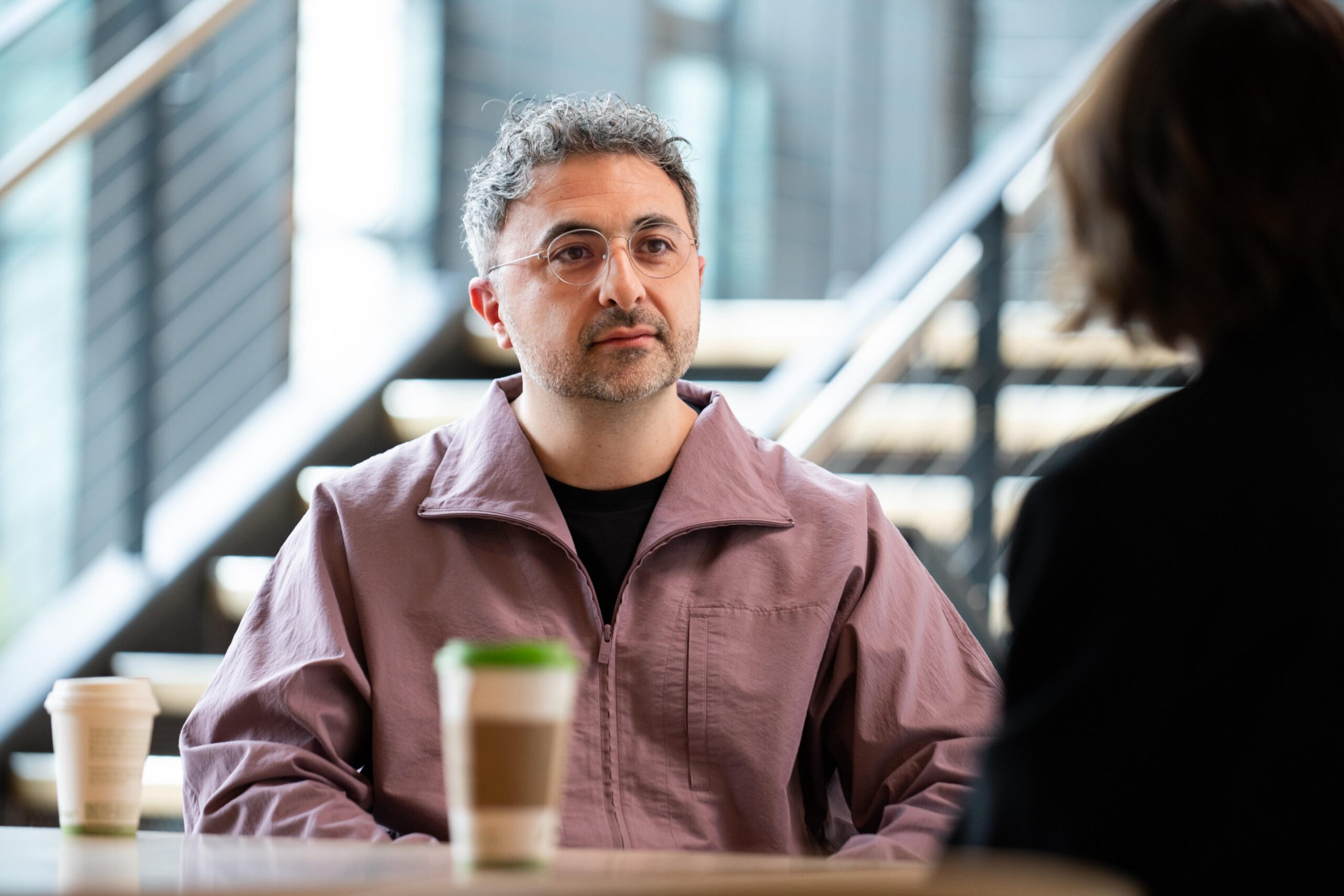
Microsoft’s AI head Mustafa Suleyman recently clarified his earlier comments regarding the potential of AI to automate white-collar jobs, asserting that the technology is intended to assist rather than replace human workers.
During a recent episode of the Decoder podcast, Suleyman sought to address concerns raised by his previous statements, which suggested that AI could lead to significant job displacement in sectors such as law, accounting, and project management. His remarks had ignited a spirited debate about the future of work, particularly the role of AI in transforming traditional job functions. However, Suleyman’s clarification paints a more collaborative picture, indicating that AI is designed to enhance the capabilities of professionals rather than eliminate them.
Suleyman explained that tools like Claude, Anthropic’s AI assistant, are meant to aid professionals in their day-to-day tasks. For instance, he suggested that AI could streamline routine functions such as sending emails or managing schedules, thereby allowing employees to focus on more strategic and creative aspects of their roles. This shift from a perspective of replacement to one of augmentation is significant, particularly for business leaders who are navigating the complexities of integrating AI into their operations.
The implications of Suleyman’s comments extend beyond immediate job security concerns. By emphasizing the supportive nature of AI, Microsoft is positioning itself as a leader in fostering innovation that enhances human productivity. This approach may alleviate fears among executives about widespread job losses and encourage them to invest in AI technologies that complement their workforce. As companies increasingly look to integrate AI capabilities into their existing frameworks, understanding how these tools can work alongside human expertise will be crucial.
Moreover, this dialogue highlights the evolving narrative around automation and its impact on various industries. As organizations explore platforms like Polymarket and OpenClaw, which leverage AI for enhanced decision-making and market predictions, the focus shifts toward how these technologies can drive efficiency and strategic advantage without displacing the human element. This balance will likely shape how businesses approach AI adoption in the coming months.
Looking ahead, the conversation surrounding AI’s role in the workplace is expected to continue evolving. As organizations experiment with AI solutions, it is crucial for them to communicate these changes effectively to their employees. Transparency about how AI will be integrated into workflows can foster a culture of collaboration rather than fear. Additionally, as more companies adopt AI tools, there may be a growing need for training and upskilling initiatives to ensure that employees can effectively leverage these technologies in their roles.
Strategically, the next six to twelve months will likely see a shift in how organizations approach AI implementation. Rather than viewing AI as a threat, executives may increasingly recognize it as an ally in enhancing productivity and innovation. This shift in mindset could lead to a more widespread acceptance of AI technologies, paving the way for advancements that prioritize human input alongside automation. As companies refine their strategies, those that embrace AI as a tool for collaboration rather than competition will likely lead the charge in the future of work.
The recent clarification by Microsoft’s Mustafa Suleyman offers critical insights into the shifting landscape of white-collar work in the age of AI. By positioning AI as a tool for enhancement rather than a force of displacement, Suleyman has reopened conversations about how automation can be strategically harnessed within organizations. This perspective is particularly relevant as CEOs and business leaders grapple with the implications of AI technologies such as Claude, which are designed to optimize efficiency and improve decision-making processes. The focus on collaboration highlights an opportunity for businesses to rethink their operational frameworks and invest in technologies that augment human capabilities rather than replace them.
As organizations increasingly adopt AI solutions, platforms like Polymarket and OpenClaw are emerging as vital resources for data-driven decision-making. These tools can provide insights that empower professional roles, facilitating better strategic choices without the fear of job losses. The integration of such AI-driven platforms can provide a competitive edge, enabling companies to adapt swiftly to market changes and enhance their predictive capabilities. By leveraging AI responsibly, organizations can not only maintain workforce stability but also drive innovation across their operations.
Strategic Outlook: In the coming 6 to 12 months, we can expect a continued emphasis on AI as a collaborative partner within the workforce. As business leaders recognize the potential of AI technologies to complement human skills, there may be a surge in investments aimed at integrating these tools into everyday operations. This shift will likely encourage a more nuanced understanding of automation, prompting organizations to reassess their workforce strategies and operational efficiencies. Ultimately, those who embrace this transformation are likely to emerge as leaders in their respective industries, setting the stage for a more balanced coexistence between AI and human talent.
Source: theverge.com.
Related reading: Anthropic Maps AI Threats Amid Unpatched Vulnerabilities and Leadership Changes, Claude Opus 4.8 Review: Enhancements and Trade-offs, and Chrome 149 Addresses 429 Vulnerabilities: Implications for Security and Automation.
Leave a Reply