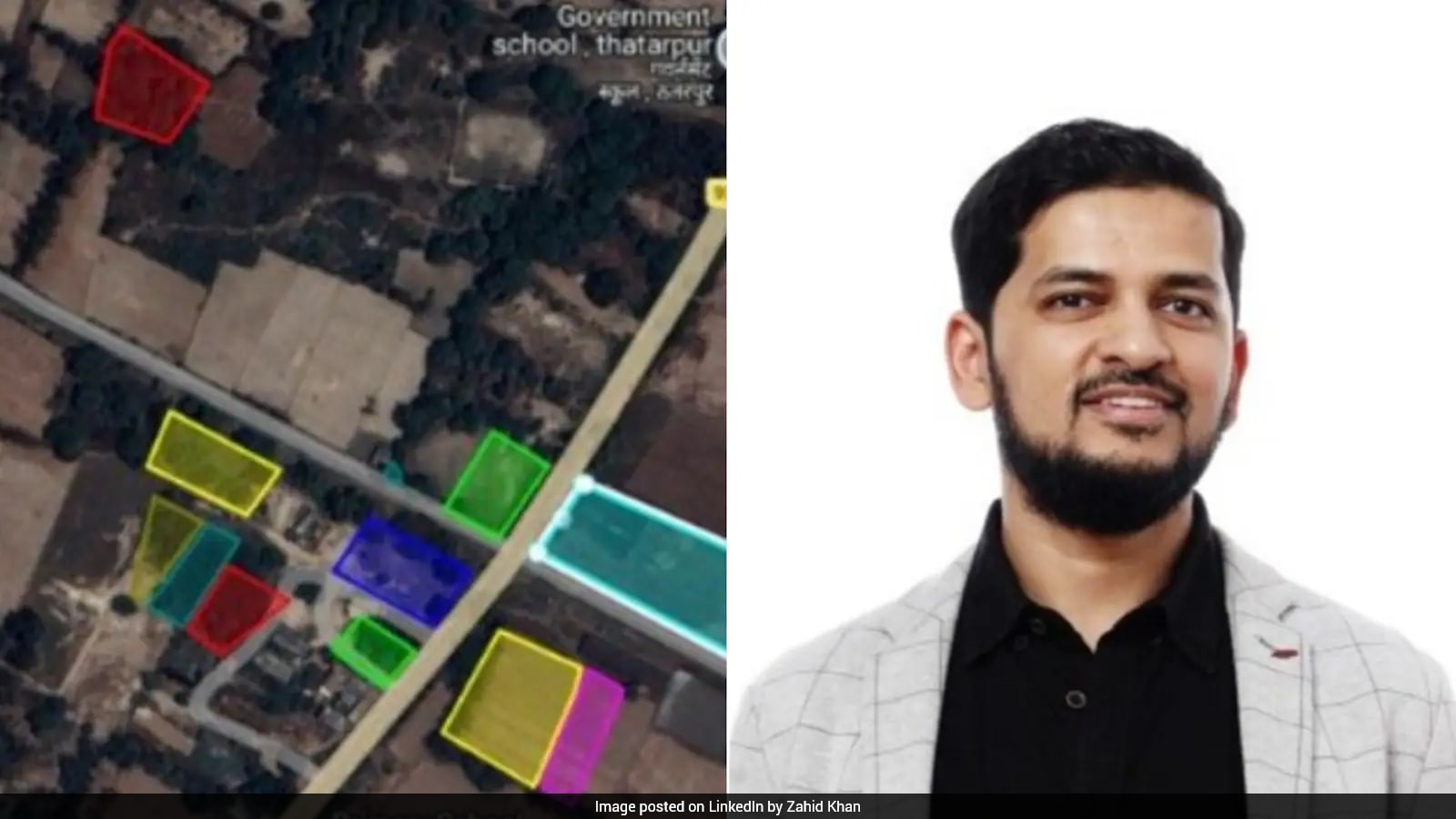
A recent revelation highlights the transformative power of AI in personal land tracing, as one individual successfully identified his ancestral land in Uttar Pradesh with the help of Anthropic’s Claude.
In an inspiring account, a resident of Uttar Pradesh discussed how the advanced language model Claude enabled him to navigate through complex documentation and locate his ancestral land, which was previously obscured by layers of bureaucratic paperwork. The individual noted that leveraging Claude’s capabilities allowed him to bypass traditional methods that often involved physical searches and reliance on local intermediaries, thus saving both time and effort.
The process of tracing land ownership in India is often fraught with challenges. Historically, individuals have had to engage in exhaustive searches for documents, which can be cumbersome and time-consuming. However, the user reported that Claude’s AI-driven workflow efficiently organized the necessary information, streamlining the entire process. This case exemplifies how AI can provide clarity and accessibility in sectors traditionally bogged down by inefficiency.
This incident underscores the potential of AI technologies, such as Claude, in transforming how individuals interact with bureaucratic systems. By automating tedious tasks and providing intelligent insights, AI can empower users to make informed decisions without the usual obstacles. The ability to trace land ownership without the complexities of manual searches may encourage more individuals to seek out their historical properties, potentially leading to a surge in land reclamation efforts across India.
The implications of this technological advancement extend beyond individual users. For businesses and startups in the AI space, this success story could serve as a compelling case study in promoting the practicality and benefits of AI solutions. As more individuals and organizations recognize the utility of AI in navigating administrative hurdles, demand for such technologies will likely increase. This trend may catalyze further investments in AI development, particularly in areas focused on automation and data management.
Moreover, as AI tools like Claude continue to evolve, their applications could expand into other sectors requiring similar documentation processes. Industries such as real estate, finance, and legal services may find innovative ways to integrate AI to enhance their operations. The growing reliance on automation could also lead to discussions about regulatory frameworks and ethical considerations surrounding AI use, particularly in sensitive areas like land ownership.
As we look ahead, the success of Claude in aiding land tracing may signal a shift in how AI is perceived by the public and businesses alike. It illustrates the importance of developing user-friendly AI applications that address real-world challenges. The next 6 to 12 months could see a proliferation of similar AI tools tailored to optimize workflows in various sectors, encouraging broader adoption and integration of AI into everyday processes.
In conclusion, the successful use of Claude to trace ancestral land in Uttar Pradesh not only highlights the practical applications of AI but also sets the stage for future innovations. As businesses and individuals increasingly turn to AI for solutions to intricate problems, the landscape of technology and land management may witness significant changes, fostering a new era of efficiency and accessibility.
The success story of tracing ancestral land using Claude illustrates a pivotal shift in how AI can intersect with personal and administrative challenges, particularly in bureaucratic environments such as land registration in India. For CEOs and business operators, this case highlights not only the immediate benefits of AI in enhancing individual experiences but also the broader implications for operational efficiencies across various sectors. As organizations continue to grapple with outdated systems, the adoption of AI-driven solutions like Claude could facilitate smoother interactions with government processes, ultimately reducing friction and improving user satisfaction.
This scenario also reflects the growing recognition of AI’s role in driving automation. Businesses that leverage such technologies can save considerable time and resources, thereby reallocating efforts towards strategic initiatives rather than administrative burdens. With Claude setting a precedent for AI’s practical applications, there is an opportunity for companies to explore similar integrations in their own workflows. The case serves as an encouraging indicator for startups in the AI space, suggesting that solutions which simplify complex processes are not only desirable but essential in today’s fast-paced business environment.
Strategic Outlook: Over the next 6 to 12 months, we can anticipate a surge in the development and deployment of AI solutions that address specific pain points in administrative tasks. As more individuals and businesses recognize the advantages of such technologies, investments in AI, particularly in sectors like real estate, legal, and compliance, are likely to increase. This trend may lead to innovative partnerships between technology providers and traditional industries, fostering an ecosystem where AI is viewed as a critical enabler of efficiency and growth. Companies that can harness these advancements will likely gain a competitive edge, positioning themselves well in a rapidly evolving marketplace.
Source: ndtv.com.
Related reading: Anthropic’s Claude Model Raises Cybersecurity Concerns, Anthropic’s Diminishing Features: A Challenge for Claude Pro Users, and Anthropic’s Claude Offers a Polite Alternative to ‘Touch Grass’.
Leave a Reply