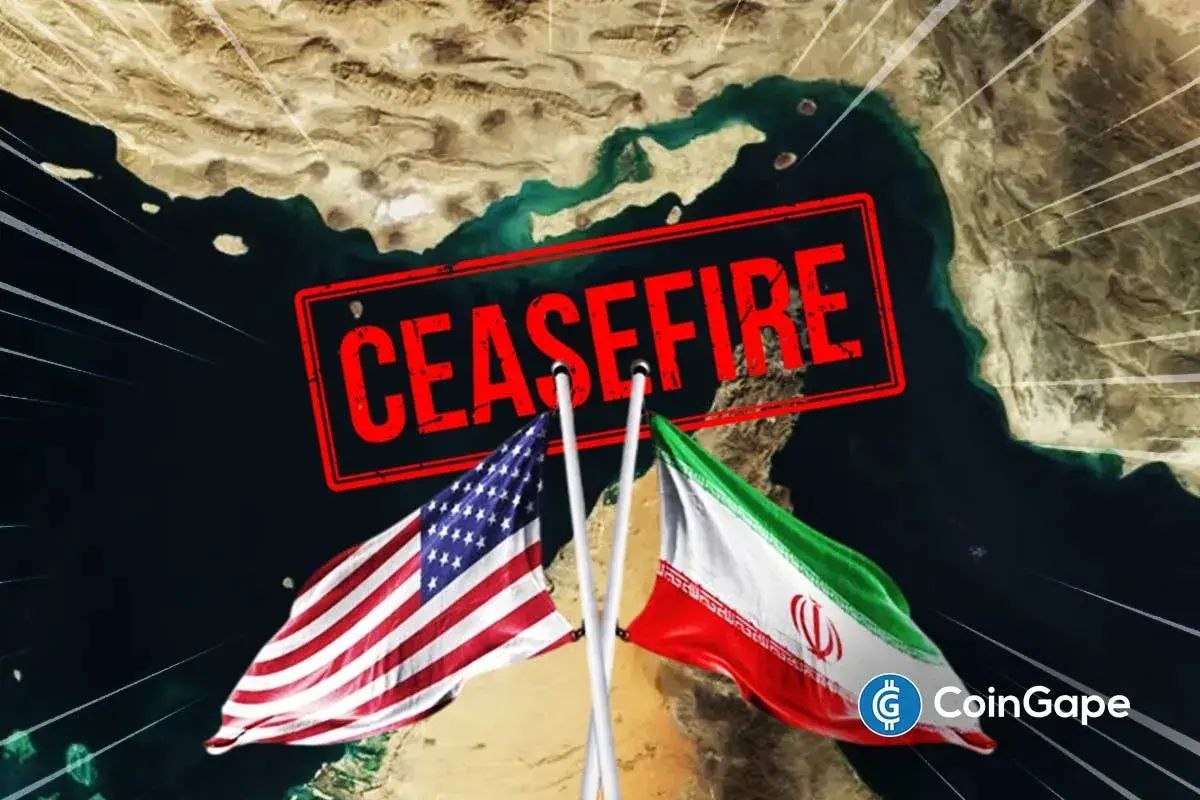
Polymarket’s latest odds suggest a significant shift regarding a possible peace deal in the ongoing US-Iran conflict, with projections indicating a 33% likelihood of an agreement by April 2026.
The odds reflect a complex interplay of geopolitical dynamics surrounding the US-Iran war, particularly the escalating tensions in the Strait of Hormuz and the ongoing efforts to clear mines in the region. As these factors evolve, so too does the optimism for a resolution. The prediction market’s rising figures could signal a more hopeful outlook among investors and analysts, suggesting that negotiations may be closer than previously anticipated.
Polymarket, a platform for predictive betting, has gained traction as a unique gauge of public sentiment and market expectations regarding global events. The surge to 33% odds for a peace deal indicates a growing belief in the possibility of diplomatic engagement that could stabilize the region. This shift comes at a time when both the United States and Iran are facing internal and external pressures to find common ground amid escalating hostilities.
Recent discussions among US lawmakers have highlighted the importance of navigating the delicate situation in the Middle East. The focus has increasingly turned to diplomatic channels and the potential for negotiations to mitigate risks in the strategically vital Strait of Hormuz. The area is crucial for global oil shipments, and any disruption could have far-reaching economic implications.
The implications of a potential peace deal extend beyond the immediate geopolitical landscape. For companies operating in sectors that rely on stability in the Middle East, such as energy and logistics, a resolution could translate into reduced volatility and enhanced operational predictability. Furthermore, the prospect of easing sanctions and fostering trade relations could present new opportunities for businesses looking to engage with Iranian markets.
In the context of automation and AI, platforms like OpenClaw and Claude are poised to play a role in facilitating data-driven decision-making for organizations navigating these complex environments. By leveraging advanced technologies, businesses can better anticipate shifts in market sentiment and adjust strategies accordingly.
While the optimism surrounding Polymarket’s odds is noteworthy, it is essential to approach these predictions with caution. The geopolitical landscape is fraught with uncertainty, and the path to peace is often non-linear. Stakeholders must remain vigilant, ready to adapt to changing circumstances that may arise in the months ahead.
Strategically, the next 6 to 12 months will be crucial for both US-Iran relations and the implications for global markets. Should the odds continue to improve, it may prompt a shift in investment strategies and risk assessment in the region. Conversely, if tensions escalate further, businesses must prepare for potential disruptions. The ability to leverage predictive insights from platforms like Polymarket, alongside technological advancements from automation and AI, will be vital for executives aiming to navigate this evolving landscape effectively.
The rise in Polymarket’s odds to 33% for a peace deal by April 2026 underscores a notable shift in market sentiment regarding the US-Iran conflict. This change reveals not only a response to immediate tensions but also a reflection of broader geopolitical calculations that can influence business operations across various sectors. Companies that depend on the Middle East for trade and energy supply must remain vigilant, as any diplomatic breakthrough could significantly alter the landscape of risk and opportunity in the region.
As discussions around a potential resolution gain traction, organizations should consider how advancements in automation and data analytics can enhance their strategic positioning. Platforms like OpenClaw and Claude are increasingly relevant in this context, offering businesses the tools to process complex data and forecast potential outcomes in uncertain environments. By integrating these AI-driven solutions, firms can better navigate the intricate dynamics at play, adapting their strategies to align with shifting geopolitical realities.
Strategic Outlook: Over the next 6 to 12 months, businesses should prepare for a range of scenarios as the likelihood of a peace deal evolves. A successful negotiation could lead to the easing of sanctions and create new market opportunities, particularly in sectors such as energy and logistics. Conversely, continued instability could necessitate heightened risk management and operational flexibility. Ultimately, the interplay of diplomacy and market expectations will require executives to stay informed and agile, leveraging technology to maintain a competitive edge in a rapidly changing environment.
Source: coingape.com.
Related reading: Claude-Built Polymarket Wallet Analyzer Shows the New Demand for AI Trading Tools, Weather Data and Polymarket Automation: An Overlooked Opportunity, and Claude Policy Changes Prompt Shift Among OpenClaw and Hermes Users.
Leave a Reply