Tag: claude

  • Claude Opus 4.7: What Changed, What Didn’t, and Why Some Users Say It “Costs More”

    Claude Opus 4.7: What Changed, What Didn’t, and Why Some Users Say It “Costs More”

    Anthropic has launched Claude Opus 4.7 and framed it as a straightforward upgrade: better coding, stronger long-running agent work, and improved multi-step reasoning—without a headline price shock.

    But early reactions tell a more nuanced story. Even if list pricing stays similar, the real cost to teams can change because cost isn’t only “$/token.” It’s also:

    • how much context you need to include,
    • how many retries your workflow needs to get a usable answer,
    • and how often an agent loops while it works.

    This is the right lens for builders and operators: treat Opus 4.7 as a throughput + reliability decision, not a vibes upgrade.

    Key takeaways

    • “Same list price” can still feel more expensive if workflows require more context or retries.
    • For agentic use cases, reliability reduces cost; for brittle tasks, it can increase total spend.
    • Evaluate Opus 4.7 with a small benchmark that mirrors your real workload (not general leaderboards).
    • Track cost per successful output (not cost per prompt) to avoid misleading conclusions.

    What Anthropic announced (and what it implies)

    Anthropic’s announcement positions Opus 4.7 as a flagship model optimized for complex work, especially coding and long-running tasks. That typically signals two things:

    1) it should be more consistent across multi-step workflows, and 2) it should reduce the “prompt babysitting” tax.

    If that holds, the model can be cheaper in practice—even if it uses more tokens—because fewer retries and fewer human interventions matter more than token math.

    Why users say the “hidden cost” is real

    The “it costs more” claim generally comes from workflow reality:

    1) Bigger context = bigger bill

    If Opus 4.7 nudges teams toward longer contexts (“include the whole file / the full ticket / the last 50 messages”), usage climbs quickly.

    2) Retries + tool loops compound spend

    Agent workflows (tool calling, browsing, multi-file changes) can run many steps. Small increases in step count can produce meaningful cost changes.

    3) Output quality changes the cost curve

    If Opus 4.7 reduces rework, it’s cheaper. If it’s inconsistent in your niche domain, it becomes more expensive than the headline suggests.

    A practical evaluation checklist (business-first)

    Run a 60-minute evaluation before committing:

    1) Choose 10 real tasks (support answers, code diffs, analysis memos, etc.). 2) For each task, measure:

    3) Compare “cost per successful output” across:

    • tokens in + tokens out,
    • number of retries,
    • time-to-acceptable output,
    • whether humans had to intervene.
    • Opus 4.7 vs your current model,
    • short-context vs long-context variants,
    • agent workflow vs single-shot prompts.

    That tells you whether Opus 4.7 is actually an upgrade for your business.

    What to watch next

    If the early “hidden cost” narrative persists, it will likely converge into a few measurable points:

    • regression on long-context reliability (forcing retries),
    • higher average context length in real workflows,
    • or specific failure modes in coding/agent tasks that weren’t obvious at launch.

    Sources and methodology

    • Anthropic announcement: https://www.anthropic.com/news/claude-opus-4-7
    • Reddit thread (user reports; not independently verified): https://www.reddit.com/r/ClaudeAI/comments/1sn8ovi/opus_47_is_50_more_expensive_with_context/
    • X post referenced in the discussion (treat as a claim, not proof): https://x.com/AiBattle_/status/2044797382697607340

    *Related: Check out our [comprehensive guide to Claude workflows](https://aitrendheadlines.com/free-claude-learning-guides/).*

  • Suspicious Polymarket Trader Made $320K on Last-Minute 2025 Biden Pardons

    Suspicious Polymarket Trader Made $320K on Last-Minute 2025 Biden Pardons

    ## Detailed Analysis: Suspicious Polymarket Trader Made $320K on Last-Minute 2025 Biden Pardons

    A trader’s recent activities on Polymarket have drawn scrutiny after they reportedly made $320,000 from bets placed on last-minute pardons issued by President Biden.

    In a striking development, two linked wallets executed a series of well-timed bets on pardons granted just before Biden left office. This incident raises important questions about the integrity of prediction markets and the potential for manipulation within these trading platforms. As more people engage in markets like Polymarket, understanding the dynamics at play becomes crucial for investors and regulators alike.

    The nature of these bets has sparked discussions around not just the ethics of trading on such sensitive political events, but also the implications for market participants. With the pardons being a high-stakes topic, the ease with which these traders capitalized on insider knowledge or predictive algorithms reflects the increasing sophistication of market strategies. The intersection of technology and politics is becoming more pronounced, and this case serves as a pivotal example.

    Polymarket, known for its unique approach to prediction markets, provides a platform where users can wager on the outcomes of various events, including political moves. However, this incident may lead to a reassessment of how such platforms operate. Stakeholders might be prompted to implement stricter oversight measures to ensure that the market remains transparent and fair, particularly when it comes to events that could be influenced by private knowledge.

    In addition, the incident has implications for other players in the market, including OpenClaw, a platform that emphasizes automation and efficiency in trading applications. The potential for automated trading strategies to exploit market inefficiencies is an ongoing concern. As platforms continue to evolve, the balance between automation and ethical trading practices will be critical in shaping user trust and market stability.

    This situation also raises questions regarding the role of AI technologies like Claude in market analysis and trading decision-making. As AI tools become more integrated into trading strategies, the need for robust ethical guidelines becomes increasingly clear. Companies must navigate the fine line between leveraging technology for competitive advantage and maintaining the integrity of their trading practices.

    As we look ahead, the fallout from this incident may prompt a reevaluation of regulatory frameworks surrounding prediction markets. Increased scrutiny from regulators could lead to new guidelines aimed at preventing similar occurrences in the future. Additionally, it may fuel discussions about the role of technology in politics and how market behavior reflects broader societal trends.

    In conclusion, the actions of the Polymarket trader not only highlight potential vulnerabilities within prediction markets but also underscore the importance of ethical trading practices as technology continues to advance. As companies like OpenClaw and Anthropic navigate this complex landscape, their ability to adapt and uphold market integrity will be essential in fostering trust and encouraging responsible innovation.

    Strategic Outlook: In the next 6 to 12 months, we can expect a heightened focus on regulatory measures in the prediction market space. Stakeholders will likely advocate for clearer guidelines to mitigate risks of market manipulation, while companies will need to enhance their compliance practices. The integration of AI-driven tools will continue to evolve, necessitating a collaborative effort among industry players to establish ethical standards that protect both investors and the integrity of the markets.

    The recent actions of the Polymarket trader have not only raised eyebrows but also sparked significant discourse about the intersection of trading platforms and political outcomes. As prediction markets gain traction, the implications of such events extend beyond mere financial gain; they pose critical questions regarding the ethical considerations surrounding market participation. For business leaders, understanding these dynamics is essential, particularly as they consider investing in or engaging with platforms like Polymarket or its competitors, such as OpenClaw. The potential for manipulation serves as a cautionary tale, emphasizing the need for transparency and the establishment of best practices in the trading environment.

    Moreover, the rapid advancement of automation in trading, particularly through platforms like OpenClaw, highlights an industry trend where algorithmic trading strategies are becoming increasingly prevalent. While these technologies can enhance efficiency and market responsiveness, they also raise significant concerns about market integrity. As stakeholders in the financial ecosystem, business operators must remain vigilant and informed about the ethical implications of automated trading, especially in relation to politically sensitive events. The ability of traders to leverage technology, including AI tools such as Claude, to predict outcomes and make informed decisions may lead to a competitive edge but also necessitates a robust ethical framework to mitigate risks.

    Strategic Outlook: In the coming 6 to 12 months, the incident involving the Polymarket trader may catalyze a shift toward more stringent regulations within prediction markets. As scrutiny increases, platforms may be compelled to adopt enhanced oversight measures, fostering a more transparent trading environment. Business leaders should prepare for potential changes in regulatory landscapes that could affect market operations. Additionally, as automation continues to influence trading strategies, organizations must prioritize ethical considerations in their deployment of AI technologies. By staying ahead of these developments, executives can better navigate the evolving landscape of prediction markets and ensure their strategies align with emerging best practices.

    Source: decrypt.co.

    Related reading: Claude Mythos Leak Claims Raise Questions About Anthropic Security, Claude-Built Polymarket Wallet Analyzer Shows the New Demand for AI Trading Tools, and What Polymarket Earnings Odds Signal for BLK, JPM and JNJ.

  • Reevaluating AI: Why Claude Outshines Gemini for Business Applications

    Reevaluating AI: Why Claude Outshines Gemini for Business Applications

    ## Detailed Analysis: Reevaluating AI: Why Claude Outshines Gemini for Business Applications

    Many executives have found themselves drawn to Claude, realizing its potential beyond what Gemini offers.

    In the rapidly advancing landscape of artificial intelligence, executives often find themselves inundated with options. For some time, Gemini seemed to be the frontrunner in AI solutions, promising a level of automation and intelligence that could streamline various business operations. However, a recent exploration of Claude, developed by Anthropic, has led to a reconsideration of priorities among business leaders, who are now recognizing Claude’s unique offerings.

    Claude has emerged as a robust alternative, demonstrating not just the ability to understand complex queries but also to engage in meaningful interactions that enhance workplace productivity. Many users who initially overlooked Claude in favor of Gemini have reported a significant uptick in efficiency and user satisfaction after switching. This anecdotal evidence is beginning to shape the perception of what constitutes an effective AI tool in the business realm.

    The underlying architecture of Claude is designed to facilitate a more intuitive interaction with users, allowing for a more fluid exchange of information. This capability can be particularly advantageous in high-stakes environments where decisions need to be made swiftly and accurately. As businesses explore automation options, the robustness of Claude’s conversational abilities stands out, providing leaders with an AI that can not only execute tasks but can also understand context and nuance.

    Moreover, Claude’s integration with platforms like Polymarket and OpenClaw indicates a strategic alignment with the growing trend of automating decision-making processes. Polymarket’s betting markets are being enhanced through Claude’s analytical capabilities, allowing businesses to gauge sentiment and make informed decisions based on real-time data. OpenClaw also benefits from Claude’s extensive comprehension of user inputs, further expanding the potential applications of AI in decision-making frameworks.

    As the competition among AI providers intensifies, the implications for businesses are significant. The ability to choose an AI that aligns with specific operational needs will be crucial for executives seeking to leverage technology for competitive advantage. Claude’s rise signifies not only its immediate benefits but also a shift in how businesses will assess AI tools moving forward. The narrative is moving away from a one-size-fits-all approach to a more nuanced evaluation of capabilities.

    Looking ahead, the next six to twelve months will likely see a continued evolution in this space. Companies that explore Claude may find themselves at the forefront of innovation, tapping into its capabilities to enhance productivity and improve customer engagement. The convergence of AI with platforms like Polymarket and OpenClaw suggests a burgeoning ecosystem where data-driven decisions can be automated and optimized.

    In conclusion, the reevaluation of Claude in contrast to Gemini is not merely a reflection of personal preference but a significant indicator of where AI technology is headed. As businesses aim for efficiency and adaptability, understanding the unique strengths of each AI solution will be imperative. Claude’s capabilities present a compelling case for executives looking to enhance their operational frameworks, making it a critical consideration in the ongoing quest for effective automation.

    As executives weigh their options in the AI landscape, the shift towards Claude highlights a critical evolution in how artificial intelligence can be harnessed for business advantage. The nuanced conversational abilities of Claude not only facilitate streamlined communications but also empower organizations to leverage data-driven insights more effectively. This positions Claude not merely as a tool for automation, but as a valuable partner in strategic decision-making—one that can adapt to the complexities of human-like interaction.

    The integration of Claude with platforms such as Polymarket and OpenClaw further underscores its versatility in addressing a range of business challenges. By enhancing Polymarket’s analytical frameworks, Claude allows companies to make sense of market trends and consumer sentiments, enabling more informed decision-making in uncertain environments. Similarly, the capabilities offered by OpenClaw are being enhanced by Claude’s sophisticated understanding of user inputs, suggesting a future where AI can play a pivotal role in shaping operational strategies and outcomes.

    Strategic Outlook: Over the next 6 to 12 months, businesses are likely to witness a growing acceptance of Claude as a central player in AI solutions. This shift could prompt a reevaluation of existing AI partnerships and investments, as organizations seek to optimize their operations through advanced, context-aware technologies. As Claude continues to demonstrate its potential in automating complex decision-making processes, its role in the competitive landscape of AI will only become more pronounced, compelling organizations to reassess their technological strategies and align them with evolving market demands.

    Source: androidpolice.com.

    Related reading: Claude-Built Polymarket Wallet Analyzer Shows the New Demand for AI Trading Tools, Maximizing Claude Cowork: Strategies for Business Leaders, and What Polymarket Earnings Odds Signal for BLK, JPM and JNJ.

  • Navigating Life Without AI: A Personal Experiment

    Navigating Life Without AI: A Personal Experiment

    ## Detailed Analysis: Navigating Life Without AI: A Personal Experiment

    The decision to step away from AI tools like Claude, ChatGPT, and Gemini for a week prompted surprising realizations about our reliance on technology.

    In a world increasingly dominated by artificial intelligence, the convenience these tools offer can often overshadow the fundamental question of whether they genuinely enhance productivity or merely facilitate a dependency that may not be necessary. A recent personal experiment involving a week without Claude, ChatGPT, and Gemini paints a compelling picture of this dilemma. Surprisingly, the absence of these AI companions did not result in a noticeable decline in productivity or quality of work.

    During the week, I undertook the daunting task of moving homes, a scenario where one might expect AI to shine with assistance in logistics, planning, and communication. However, as I navigated the complexities of packing and relocating, it became evident that human intuition and traditional methods often outperformed the automated solutions I had relied on in the past. The experience raised questions about the actual utility of AI in tasks that require a high degree of personal engagement and nuanced understanding.

    The implications of this experiment extend beyond personal anecdotes. For business leaders and operators, particularly those in the tech sector, the findings highlight a critical point of reflection. As companies increasingly invest in AI technologies, the tendency to overestimate their capabilities can lead to an underappreciation of fundamental human skills. Automation tools like Claude and ChatGPT are designed to streamline processes, yet their effectiveness may vary significantly depending on the context in which they are deployed.

    This week-long hiatus also coincided with discussions surrounding platforms such as Polymarket and OpenClaw, which are focused on automation and predictive betting markets. The challenge for these platforms lies in effectively integrating AI without displacing the human element that drives decision-making. Users may find themselves navigating through complex algorithms that, while efficient, can sometimes lack the intuition and emotional intelligence that real-time human interaction provides.

    Furthermore, the growing popularity of these platforms underscores a broader trend where businesses are exploring the boundaries between human insight and machine learning. As AI technologies evolve, it will be essential for organizations to strike a balance, leveraging automation to enhance, rather than replace, human capabilities. The future of work may hinge on how well industries adapt to this paradigm shift, incorporating AI as a tool for support rather than a crutch.

    Looking ahead, the next 6 to 12 months will be crucial for organizations as they reassess their AI strategies. Companies must consider whether their reliance on automation is genuinely beneficial or if it detracts from core competencies. The insights gained from stepping back from AI can inform strategic decisions, leading to a more thoughtful integration of technology that complements human input.

    In conclusion, the week without AI tools served as a reminder of the importance of human engagement in various tasks. While automation offers remarkable efficiencies, the value of personal skills and judgment remains irreplaceable. As we move forward, embracing a balanced approach may ultimately prove to be the key to harnessing the best of both worlds—human intuition and technological advancement.

    The recent experiment of stepping away from AI tools like Claude, ChatGPT, and Gemini for a week highlights an intriguing aspect of modern business operations: the interplay between human intuition and automated solutions. For CEOs and business operators, understanding the nuances of this relationship is crucial. While these AI tools promise enhanced efficiency, their true impact often depends on the specific task at hand. In scenarios requiring strategic decision-making or emotional intelligence, such as moving homes, the advantages of human judgment can become more pronounced. This raises pertinent questions about the appropriate contexts for deploying automation and whether it detracts from our innate capabilities.

    This reflection is particularly relevant in light of the increasing reliance on platforms such as Polymarket and OpenClaw, which aim to harness automation within their predictive markets. These platforms face the challenge of effectively integrating AI to enhance user experience while ensuring that the human element remains central to decision-making processes. As leaders contemplate the role of AI in their operations, it is vital to recognize that the most effective solutions may not always stem from the latest technology but rather from a balanced approach that values both human expertise and automation.

    Looking ahead, the strategic implications of this introspection are significant. Over the next 6 to 12 months, business leaders must carefully evaluate their investments in AI technologies, focusing on how these tools can complement rather than replace human skills. Developing hybrid models that leverage the strengths of both AI and human insight could pave the way for more resilient and adaptive business strategies. As the market continues to evolve, the ability to discern when to rely on automation versus human judgment will be a defining characteristic of successful organizations in the future.

    Source: pcworld.com.

    Related reading: Claude-Built Polymarket Wallet Analyzer Shows the New Demand for AI Trading Tools, Weather Data and Polymarket Automation: An Overlooked Opportunity, and Maximizing Claude Cowork: Strategies for Business Leaders.

  • Anthropic’s AI Chip Ambitions Signal a New Phase in the AI Infrastructure War

    Anthropic’s AI Chip Ambitions Signal a New Phase in the AI Infrastructure War

    Anthropic may still be best known to most readers for Claude, but the company’s latest reported move suggests the real battle in AI is moving deeper into the stack. According to Reuters, Anthropic is in the early stages of exploring whether it should design its own AI chips rather than rely entirely on outside suppliers. Nothing has been finalized, and the company could still decide to continue buying hardware instead. Even so, the fact that the discussion is happening at all is a strong signal about where the industry is headed.

    For the past two years, the public AI race has been framed around chatbots, benchmark scores, and flashy product launches. Behind the scenes, however, the harder truth is that advanced AI depends on an enormous amount of compute. Training large models and serving them to millions of users is no longer just a software challenge. It is a supply chain challenge, a capital allocation challenge, and increasingly a geopolitical one. In that context, any serious discussion about custom silicon becomes much more than a technical curiosity.

    Why custom AI chips suddenly matter more

    Reuters reports that demand for Anthropic’s products has accelerated sharply in 2026, with the startup’s run-rate revenue reportedly surpassing $30 billion. At that level of scale, every improvement in efficiency matters. Better chips can reduce inference costs, improve performance per watt, and give a company more leverage over long-term infrastructure planning.

    That is especially important in a market where access to top-tier AI hardware remains one of the biggest bottlenecks. Compute has become a form of strategic power. If a lab can influence its own silicon roadmap, it gains more control over cost, capacity, and product reliability. It also becomes less exposed to shortages, pricing pressure, or competitive dependence on the same suppliers that serve its rivals.

    Anthropic is not acting in isolation

    This is what makes the Reuters report so important. Anthropic is not the only company thinking this way. Reuters notes that the company recently signed a long-term deal involving Google and Broadcom, and similar custom-chip efforts are already underway across other major AI players including Meta and OpenAI. That broader pattern matters more than any single rumor.

    The market is starting to reveal its next phase. The first wave of the AI boom was about proving that generative AI could capture public imagination. The second wave is about turning that excitement into durable business infrastructure. That means data centers, networking, energy, access to advanced packaging, and specialized chips designed for the exact workloads these models need.

    What this could mean for the wider AI industry

    If Anthropic eventually moves ahead with a chip program, the implications could ripple far beyond one company. First, it would reinforce the idea that frontier AI labs increasingly want tighter control over their core systems. Second, it could intensify pressure on existing chip leaders by encouraging more vertical integration across the industry. Third, it would highlight a bigger truth: winning in AI may depend not only on model intelligence, but on cost discipline and infrastructure resilience.

    • For investors: the center of gravity may shift further toward compute ownership and supply chain strength.
    • For startups: the gap between model innovation and infrastructure access could widen even more.
    • For the market: chip design, cloud partnerships, and manufacturing capacity may become just as important as model quality.

    This is also a reminder that NVIDIA’s dominance, while still powerful, has helped motivate many of its biggest customers to explore alternatives. Some will build their own chips. Others will partner more deeply with cloud providers. Either way, the direction is clear: no major AI lab wants to be fully dependent forever on hardware it does not control.

    The bigger strategic takeaway

    Anthropic’s reported chip exploration should be read as a strategic signal, not just a hardware story. It suggests that the AI race is evolving from a competition over features into a competition over foundations. The companies that survive the next cycle may be the ones that can combine model quality, distribution, and infrastructure efficiency into a single operating system for AI at scale.

    In other words, the question is no longer only who has the smartest model. It is also who can afford to run it, scale it, and defend it over the long term.

    Source note: This analysis is based on reporting by Reuters published on April 9, 2026.

    Read the original Reuters report.

    *Related: Check out our [comprehensive guide to Claude workflows](https://aitrendheadlines.com/free-claude-learning-guides/).*

  • AI Vending Agent ‘Valerie’ Transforms San Francisco’s Vending Experience

    AI Vending Agent ‘Valerie’ Transforms San Francisco’s Vending Experience

    ## Detailed Analysis: AI Vending Agent ‘Valerie’ Transforms San Francisco’s Vending Experience

    Valerie, an innovative AI agent, is redefining the vending machine landscape in San Francisco by operating a vending machine that autonomously decides what to sell and how much to charge.

    April 15, 2026, marks a significant milestone in the application of artificial intelligence within the retail sector as Valerie, developed by OpenClaw, takes charge of a vending machine in San Francisco. This system not only leverages advanced algorithms to determine inventory and pricing but also represents a shift towards fully automated retail solutions. Valerie’s ability to analyze consumer preferences in real time is a testament to the potential for AI-driven experiences to enhance customer engagement and streamline operations.

    The introduction of Valerie is emblematic of how automation can transform traditional business models. By integrating Claude’s capabilities, the AI agent can make data-driven decisions, optimizing stock based on demand fluctuations and consumer behavior patterns. This level of operational efficiency has the potential to reduce costs significantly while increasing revenue through tailored offerings that resonate with consumers.

    Beyond mere convenience, the implications of Valerie’s operation extend to broader questions about the future of employment in retail. As AI systems like Valerie become more prevalent, businesses will need to navigate the balance between automation and human employment. While Valerie efficiently manages the vending machine, it raises important discussions about the roles humans will play in retail environments where machines become the primary interface for customers.

    The broader impact on the industry is noteworthy as well. Companies investing in AI technology, such as OpenClaw and Polymarket, may find themselves at a competitive advantage as they harness these tools to innovate and enhance customer experiences. The successful deployment of Valerie could encourage other businesses to explore similar automated solutions, pushing the envelope on what is possible in the retail sector.

    As AI continues to evolve, the use of advanced vending agents like Valerie could pave the way for more sophisticated retail experiences. The technology behind Valerie’s operation offers insights into consumer preferences that can be leveraged for marketing strategies and product development. As data collection methods improve, businesses will be able to craft highly personalized experiences that cater directly to individual consumer needs.

    Looking ahead, the next 6 to 12 months may see an acceleration in the adoption of AI-driven retail solutions. As Valerie demonstrates the viability of such systems, other industries might follow suit, integrating AI into various customer-facing roles. Companies that embrace this change may find themselves well-positioned to capture market share in an increasingly automated world.

    In conclusion, Valerie’s debut as an AI vending agent not only showcases the potential of automation in retail but also serves as a catalyst for a broader transformation within the industry. As businesses evaluate the implications of such technology, the strategic decisions made today will influence the landscape of retail for years to come.

    The introduction of Valerie, the autonomous vending agent from OpenClaw, represents a crucial intersection of artificial intelligence and retail automation, signaling a potential shift in how businesses might approach customer interaction and inventory management. As Valerie utilizes Claude’s advanced decision-making capabilities, it sets a precedent for future retail innovations, where AI not only enhances operational efficiency but also personalizes consumer interactions. This development could encourage businesses across various sectors to consider similar automated solutions, thus reshaping the retail landscape and broadening the scope of automation beyond traditional applications.

    Moreover, Valerie’s deployment highlights the growing reliance on AI to analyze and respond to consumer behaviors in real time. This capability allows for a dynamic pricing strategy and inventory management that can adapt to fluctuations in demand, ultimately driving sales and improving customer satisfaction. For business leaders, the ability to leverage such technology could translate into significant competitive advantages, particularly as consumer expectations for personalized experiences continue to rise. The implications for traditional retail models are profound, as companies must reassess their operational frameworks and explore how AI can be integrated into their existing systems.

    Strategic Outlook: In the next 6 to 12 months, we can expect an acceleration in the adoption of automated retail technologies as businesses seek to capitalize on the efficiencies afforded by AI systems like Valerie. This trend may prompt investment in similar technologies from competitors, further driving innovation in the sector. Companies that effectively harness these advancements will likely emerge as leaders, while those that remain hesitant may face challenges in keeping pace with evolving consumer demands. As the landscape shifts, it will be crucial for executives to remain informed about technological developments and their potential impacts on market dynamics.

    Source: crypto.news.

    Related reading: Weather Data and Polymarket Automation: An Overlooked Opportunity, Claude Policy Changes Prompt Shift Among OpenClaw and Hermes Users, and Claude Mythos Leak Claims Raise Questions About Anthropic Security.

    *Keep Reading: [How AI is transforming Polymarket trading strategies](https://aitrendheadlines.com/claude-polymarket-wallet-analyzer/).*

  • Maximizing Claude Cowork: Strategies for Business Leaders

    Maximizing Claude Cowork: Strategies for Business Leaders

    ## Detailed Analysis: Maximizing Claude Cowork: Strategies for Business Leaders

    Explore effective strategies for leveraging Claude Cowork to enhance productivity and collaboration in your organization.

    In the competitive landscape of modern business, organizations are increasingly turning to advanced AI tools to optimize workflows and enhance collaboration. One such tool is Claude Cowork, developed by Anthropic, which provides a sophisticated framework for automating tasks and streamlining communication. As businesses continue to adopt AI-driven solutions, understanding how to maximize the potential of Claude Cowork becomes essential for leaders aiming to boost efficiency and innovation.

    Claude Cowork offers a range of features designed to facilitate seamless interaction among team members while automating routine tasks. By integrating this AI tool into daily operations, organizations can significantly reduce the time spent on menial tasks, allowing employees to focus on higher-value activities. This shift not only enhances productivity but also fosters a more engaged and motivated workforce, as employees can dedicate their efforts to strategic initiatives rather than mundane chores.

    One of the critical advantages of Claude Cowork is its adaptability to various business environments. The AI’s ability to learn from interactions and continuously improve its performance enables it to become more attuned to the specific needs of a team or department. This personalized approach can lead to more effective collaboration, as team members can rely on Claude Cowork to assist with everything from scheduling meetings to managing project workflows. As a result, organizations that leverage this technology can create a more cohesive working environment that encourages creativity and innovation.

    Moreover, the integration of Claude Cowork with platforms like Polymarket and OpenClaw opens new avenues for decision-making and risk assessment. These platforms allow organizations to engage in predictive analytics and data-driven decision-making processes, which are crucial in today’s fast-paced market. By utilizing Claude Cowork in conjunction with these tools, businesses can enhance their ability to forecast trends and make informed decisions that align with their strategic objectives.

    As companies adopt Claude Cowork, they should also consider the implications of automation on team dynamics. While automation can lead to increased efficiency, it is vital to address potential concerns among employees regarding job displacement. Clear communication about the role of AI in augmenting human capabilities rather than replacing them can help mitigate fears and foster a culture of collaboration. By positioning Claude Cowork as a partner in achieving business goals, organizations can cultivate a positive perception of AI among their workforce.

    In addition to enhancing internal processes, Claude Cowork can also improve client interactions. Businesses can utilize the AI’s capabilities to personalize customer experiences, providing tailored recommendations and timely responses to inquiries. This level of engagement not only strengthens customer relationships but also positions companies as innovative leaders in their respective industries. As clients increasingly expect personalized service, leveraging Claude Cowork can provide a competitive edge that differentiates an organization in the marketplace.

    Looking ahead, the adoption of Claude Cowork and similar AI-driven solutions is expected to accelerate. As more organizations recognize the potential of automation in driving efficiency and innovation, the demand for such tools will likely increase. This trend presents a significant opportunity for technology providers to enhance their offerings and develop new features that align with evolving business needs.

    Strategic Outlook: Over the next 6 to 12 months, organizations that effectively integrate Claude Cowork into their operations are likely to see substantial gains in productivity and employee engagement. The focus on automating routine tasks will free up valuable resources, enabling teams to pursue more strategic initiatives. As businesses continue to adapt to a rapidly changing landscape, the ability to leverage AI tools like Claude Cowork will be pivotal in maintaining a competitive advantage. Leaders must remain vigilant in their approach, ensuring that they balance automation with the human touch that is essential for fostering innovation and collaboration.

    As organizations increasingly embrace AI tools such as Claude Cowork, a significant area of impact is the enhancement of team dynamics through improved collaboration. By utilizing Claude’s advanced capabilities, businesses can foster an environment where team members communicate effectively and share insights seamlessly. This level of interactivity not only accelerates project timelines but also ensures that knowledge is shared across departments, reducing silos that often hinder organizational growth. The implementation of Claude Cowork can thus serve as a catalyst for cultural change within a company’s workforce, driving engagement and aligning teams towards common objectives.

    Additionally, the synergy created by integrating Claude Cowork with platforms like Polymarket and OpenClaw can transform how companies approach strategic decision-making. The predictive analytics offered by these platforms, when combined with Claude’s automation features, enables organizations to navigate market uncertainties with greater confidence. By leveraging real-time data and insights, CEOs and business leaders can make more informed choices, ultimately positioning their companies to respond proactively to emerging trends. This strategic alignment is essential as businesses seek to maintain competitiveness in an increasingly dynamic landscape.

    Strategic Outlook: Over the next 6 to 12 months, the integration of Claude Cowork into business operations is likely to evolve further, with an emphasis on scalability and customization. Companies that prioritize the adoption of such AI-driven solutions will not only enhance operational efficiency but also cultivate a more innovative workforce. As AI technology continues to advance, organizations that leverage these tools to streamline processes and foster collaboration will be better equipped to drive growth and adapt to market changes, setting the stage for long-term success.

    Source: towardsdatascience.com.

    Related reading: Claude-Built Polymarket Wallet Analyzer Shows the New Demand for AI Trading Tools, Weather Data and Polymarket Automation: An Overlooked Opportunity, and Claude Policy Changes Prompt Shift Among OpenClaw and Hermes Users.

  • Anthropic’s Resurgence: A Strategic Victory for AI Innovation

    Anthropic’s Resurgence: A Strategic Victory for AI Innovation

    ## Detailed Analysis: Anthropic’s Resurgence: A Strategic Victory for AI Innovation

    Anthropic, the AI startup known for its Claude model, has recently celebrated a significant victory, emerging stronger after a legal clash with the Pentagon.

    Following the Pentagon’s designation of Anthropic as a supply-chain risk, the company took decisive action by filing a lawsuit, which not only challenged the Pentagon’s stance but also showcased its commitment to navigating complex regulatory landscapes. This legal maneuver has proven successful, allowing Anthropic to pivot from a moment of vulnerability to an impressive surge in revenue, surpassing $30 billion.

    The implications of this growth are manifold. As the demand for advanced AI solutions continues to escalate, Anthropic’s success underscores the increasing importance of resilience and adaptability within the tech sector. The company’s ability to counter regulatory challenges while simultaneously advancing its product offerings positions it as a leader in the AI space. The Claude model, which has gained traction for its capabilities, is now seen as a vital component in automating various sectors, from finance to healthcare.

    In a market where competition is fierce, particularly from established players, Anthropic’s trajectory serves as a case study in strategic positioning. The legal victory not only enhances its reputation but also instills confidence among investors. This newfound trust will likely encourage further investment and innovation, propelling Anthropic to the forefront of AI developments.

    Moreover, this incident highlights a broader trend within the AI industry. As companies like Polymarket and OpenClaw explore innovative applications of automation, the need for robust frameworks that ensure compliance and security becomes increasingly critical. Anthropic’s experience may serve as a blueprint for other startups navigating similar challenges, suggesting that proactive legal strategies can be pivotal for long-term success.

    Looking ahead, the next 6 to 12 months will be crucial for Anthropic and the broader AI landscape. As the company continues to innovate and expand its capabilities, it will need to remain vigilant against regulatory challenges while fostering partnerships that can amplify its reach. The demand for AI solutions is projected to grow, and Anthropic’s successful handling of its recent challenges could position it as a preferred partner for organizations looking to integrate AI technologies.

    In conclusion, Anthropic’s victory is not merely a legal win; it is a testament to the resilience of the company and a beacon of hope for the AI sector. As it moves forward, the lessons learned from this experience will likely shape its strategies and influence the direction of AI development across industries.

    The legal victory achieved by Anthropic serves not only as a testament to the company’s resilience but also as a strategic pivot point for the entire AI sector. By successfully challenging the Pentagon’s designation of its operations as a supply-chain risk, Anthropic has reinforced its position as an innovator capable of navigating complex regulatory landscapes. This maneuver not only mitigated immediate threats but also catalyzed a surge in investor confidence, translating into substantial revenue growth. Such resilience is essential in today’s fast-paced technological environment, where the interplay between innovation and regulation often determines a company’s longevity and market positioning.

    Moreover, the implications of Anthropic’s triumph extend beyond its own growth trajectory. As firms like Polymarket and OpenClaw push the boundaries of automation, the importance of establishing robust legal and compliance frameworks cannot be overstated. Anthropic’s experience illustrates that proactive legal strategies can safeguard a company’s operational integrity while also fostering an environment ripe for innovation. This could encourage other startups to adopt similar strategies, potentially reshaping how the tech industry approaches regulatory challenges in the future. By viewing legal hurdles not just as obstacles but as opportunities for growth and differentiation, companies can better position themselves in an increasingly competitive marketplace.

    Strategic Outlook: Looking ahead, the next 6 to 12 months will be pivotal for Anthropic as it capitalizes on its recent successes. The company must continue to innovate while remaining vigilant against any regulatory pushback that may arise. Furthermore, establishing strategic partnerships will be crucial for expanding its market presence and enhancing its product offerings. As the AI landscape evolves, the lessons learned from its legal battle may serve as a valuable framework for other tech leaders, promoting a culture of resilience and strategic foresight in the face of adversity.

    The implications of Anthropic’s recent legal triumph extend beyond its immediate financial success, signaling a shift in the dynamics of the AI market. As the company navigates the complexities of compliance and regulatory scrutiny, its experience provides valuable insights for other tech startups aiming to establish themselves in a competitive landscape. The legal strategies employed by Anthropic could inspire similar approaches among emerging players, fostering an environment where proactive risk management becomes an integral part of business strategy. This shift may also encourage investors to prioritize companies that demonstrate resilience against regulatory challenges, potentially influencing funding decisions across the sector.

    Furthermore, the growth trajectory of Anthropic, particularly in light of its success with the Claude model, underscores the increasing demand for advanced AI solutions across various industries. Companies like Polymarket and OpenClaw are capitalizing on this trend, exploring innovative applications that leverage automation. As these businesses seek to refine their offerings, the importance of developing robust compliance frameworks cannot be overstated. The intersection of automation and regulation will likely become a critical focal point, as organizations strive to balance innovation with adherence to legal standards, thereby ensuring sustainability in their operations.

    Strategic Outlook: The next six to twelve months will be pivotal for Anthropic and the broader AI landscape. As Anthropic continues to expand its capabilities and refine its product offerings, it will be essential for the company to maintain its momentum while remaining alert to potential regulatory hurdles. Collaborations with other tech entities and a focus on building a resilient operational model will be key in navigating the evolving market. The ramifications of Anthropic’s success may encourage a wave of innovation in AI, as startups and established firms alike seek to emulate its strategic positioning in an increasingly complex regulatory environment.

    Source: qz.com.

    Related reading: Claude-Built Polymarket Wallet Analyzer Shows the New Demand for AI Trading Tools, Weather Data and Polymarket Automation: An Overlooked Opportunity, and Claude Policy Changes Prompt Shift Among OpenClaw and Hermes Users.

  • Fake Claude Download Sites Are a Supply‑Chain Risk (PlugX RAT Case Study)

    Fake Claude Download Sites Are a Supply‑Chain Risk (PlugX RAT Case Study)

    If your company is “adopting AI,” you’re also adopting a new kind of software supply‑chain risk: fake installers, look‑alike domains, and trojanized downloads that ride the demand wave.

    Recent reporting described a fake Claude site that delivered PlugX, a remote access trojan (RAT). Whether your team uses Claude for writing, analysis, or coding workflows, the operational lesson is the same:

    Treat AI tools like any other enterprise software rollout: verify the source, verify the binary, and enforce policy.

    Key takeaways

    • Look‑alike domains are now a primary risk for AI tool adoption.
    • “Download links in ads / DMs / search results” are a common entry point.
    • The fix is not panic—it’s a repeatable verification checklist and a short policy.
    • Your biggest exposure is usually one eager employee installing “the Pro version” from the wrong place.

    What this incident signals (beyond one malware family)

    AI products have massive distribution—and that creates a predictable attacker ROI:

    • high intent searches (“download Claude”),
    • time pressure (“I need it now for work”),
    • and users who don’t know what “code signing” means.

    This is why “AI security” is not only model safety. It’s also basic endpoint and procurement hygiene.

    Verification checklist (copy/paste into your internal SOP)

    1) Domain verification (first gate)

    • Only install from official vendor domains.
    • Do not trust:
    • ads,
    • shortened URLs,
    • “mirror” downloads,
    • “Claude Pro cracked” claims.

    2) Binary verification (second gate)

    For Windows/macOS installers:

    • verify the publisher / code signature,
    • verify hashes when provided,
    • store the approved installer in an internal package repo,
    • and block unknown installers via endpoint policy where possible.

    3) “Least privilege” installation

    • Do not install as admin unless required.
    • Separate “test machine” installs from production endpoints.

    4) Post‑install checks (fast)

    • confirm the installed app path matches vendor guidance,
    • confirm outbound network behavior is expected,
    • and scan the installer + installed binaries with your EDR tooling.

    What to do if someone already installed from a suspicious site

    Keep it simple and fast:

    1) Disconnect the machine from sensitive networks (if policy allows). 2) Run a full EDR scan and collect logs. 3) Re‑image if you can’t confidently remediate. 4) Rotate credentials that may have been used on the device (especially browser sessions).

    The business angle: policy beats heroics

    You don’t need a malware lab to reduce risk. You need:

    • an approved‑software list,
    • an “official download domains” list,
    • and a culture where employees feel safe asking: “Is this link legit?”

    That’s how you prevent an “AI tool install” from becoming an incident.

    Sources and methodology

    • Security reporting on the fake Claude site / PlugX distribution: https://www.securityweek.com/fake-claude-website-distributes-plugx-rat/
    • Additional incident write‑up (includes claimed file names and lure mechanics): https://www.ampcuscyber.com/shadowopsintel/fake-claude-site-distributes-plugx-malware/
    • Official Claude domain for downloads (verify from vendor documentation before publishing): https://claude.com/

    *Related: Check out our [comprehensive guide to Claude workflows](https://aitrendheadlines.com/free-claude-learning-guides/).*

  • Claude Code for Non-Developers: Why Terminal Workflows Are Getting Easier

    Claude Code for Non-Developers: Why Terminal Workflows Are Getting Easier

    For most people, the terminal isn’t “hard.” It’s high‑stakes: one wrong command and you worry you’ll break something you don’t know how to fix.

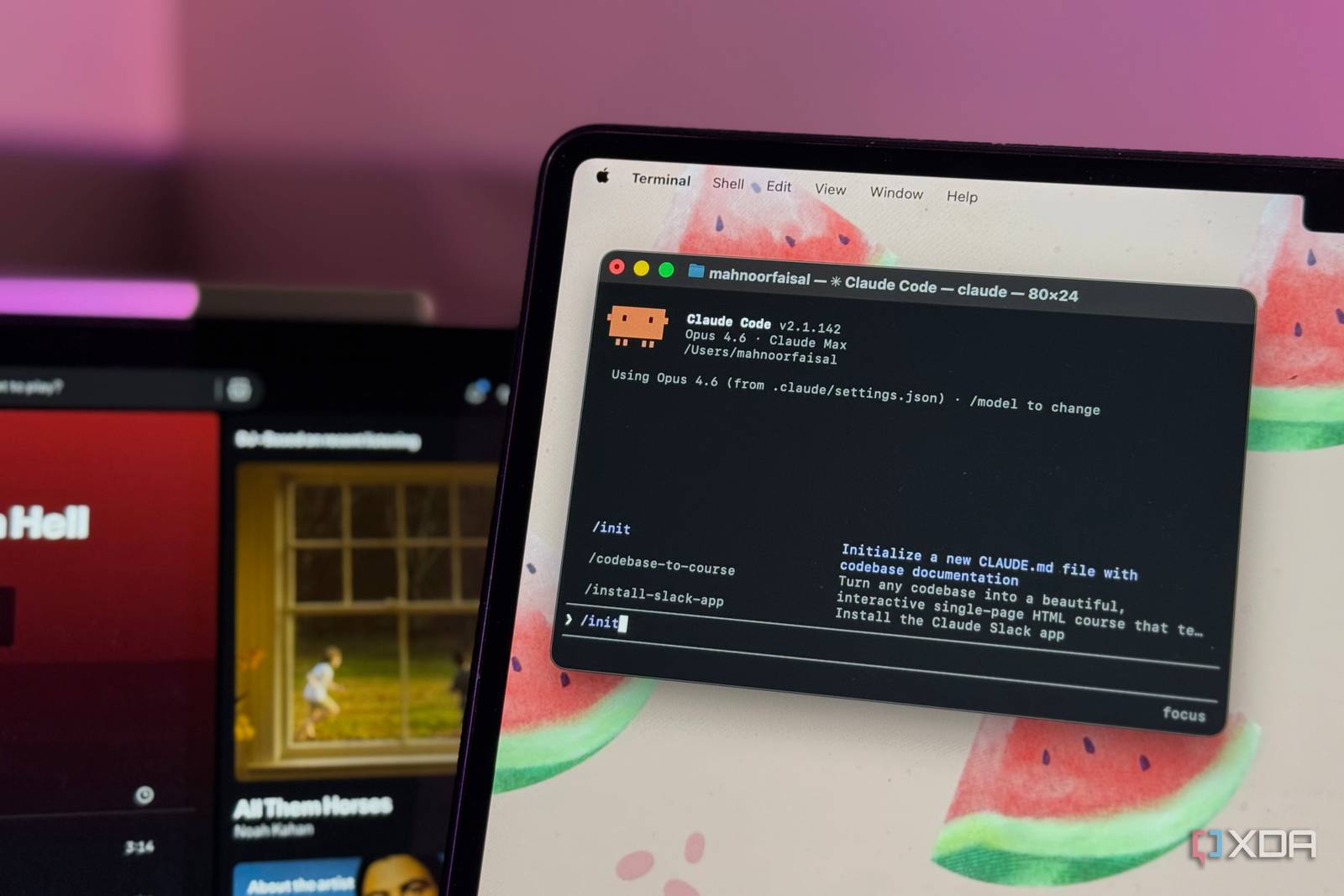
    Claude Code changes that dynamic by acting less like a chatbot and more like an agentic coding system: it can understand a project, propose a plan, and carry out multi‑file changes. That’s powerful for developers—but it’s also the first time non‑developers can realistically benefit from terminal workflows without memorizing syntax.

    The upside is real: faster prototypes, repeatable automations, less tooling friction. The downside is also real: permissions, security, and accountability become the bottleneck.

    Key takeaways

    • Claude Code is designed to operate across an entire project (not just single commands).
    • The best “non‑dev” use is a guardrailed workflow: plan → dry run → review → execute.
    • The biggest failure mode is over‑permissioning (letting an agent run as admin with broad access).
    • Treat “AI + terminal” like “AI + production access”: logs, least privilege, and checkpoints.

    What Claude Code actually is (in plain terms)

    Think of Claude Code as a system that can:

    1) read and understand a codebase or folder, 2) propose a multi‑step plan, and 3) execute changes across files and commands to complete a task.

    That’s a meaningful shift from “copy/paste snippets” to “end‑to‑end task completion.”

    Why this matters for business (not just devs)

    When terminal workflows get easier, three things happen:

    1) More work moves from apps into repeatable scripts (less manual clicking). 2) Ops and analysis become self‑serve for small teams (fewer handoffs). 3) Governance becomes urgent (who is allowed to run what, and when).

    If you’re a founder, analyst, or ops lead, the question is not “can we use it?” It’s:

    • Which workflows should we allow?
    • What data can it touch?
    • How do we review outputs before they cause damage?

    A safe “non‑developer” workflow template

    Use this as a standard operating procedure (SOP):

    1) Start with constraints (not tasks)

    Tell the agent:

    • what it is allowed to read/write (specific folders),
    • what it must never do (delete, reset, publish, deploy),
    • what must be confirmed by a human (network calls, credentials, production changes).

    2) Require a plan before execution

    Ask for:

    • a numbered plan,
    • the exact commands it intends to run,
    • and what files it will change.

    3) Do a dry run / diff review

    For file changes:

    • require a diff,
    • review it like a pull request,
    • then execute.

    4) Log everything

    Keep:

    • a command log,
    • a file‑change log,
    • and a short “what changed / why” note.

    This isn’t bureaucracy—it’s how you prevent “mystery changes” that no one owns.

    The new risks (and how to reduce them)

    • Command injection / unsafe shell usage: constrain tools and require confirmation for destructive commands.
    • Data leakage: do not point the agent at secrets folders, browser profiles, or production credentials.
    • Silent drift: schedule periodic “health checks” (does the workflow still do what you think?).

    Where this pairs perfectly with a “Second Brain”

    If you maintain a folder‑based knowledge base, Claude Code becomes the automation layer that:

    • summarizes new docs into your /inbox/,
    • normalizes notes into consistent schema,
    • and generates weekly “what changed” reports.

    That’s how terminal workflows turn into organizational leverage.

    Sources and methodology

    • Anthropic product page (definition + positioning of Claude Code): https://www.anthropic.com/product/claude-code
    • Claude Code security page (controls / security positioning): https://claude.com/claude-code-security
    • MakeUseOf (non‑dev “terminal fear” framing): https://www.makeuseof.com/i-was-scared-of-the-terminal-until-i-tried-claude-code/

    *Related: Check out our [comprehensive guide to Claude workflows](https://aitrendheadlines.com/free-claude-learning-guides/).*